
West Africa is facing one of its biggest political shifts in decades. The Nigerian Presidency announced that the exit of Burkina Faso, Mali, and Niger from the Economic Community of West African States (ECOWAS) has created a deep regional crisis and weakened long-standing agreements built to bring nations together.
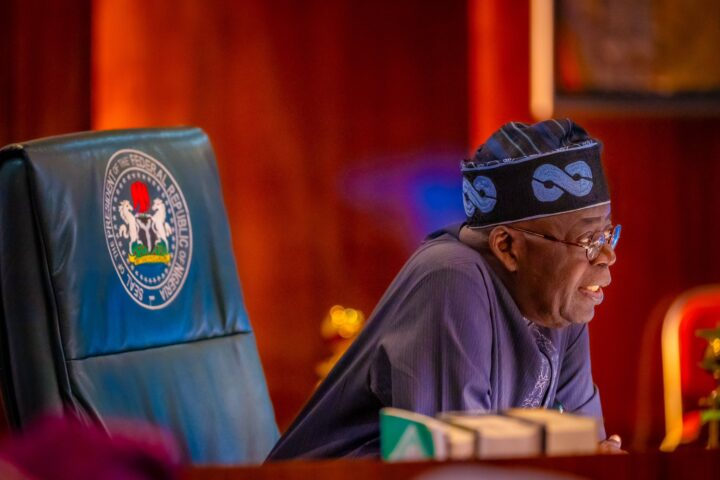
Speaking at a policy meeting hosted by the Ministry of Defence in Abuja, Sunday Dare, the Special Adviser to President Bola Tinubu on Media and Public Communications, explained that the pullout damaged key rules designed to allow the smooth flow of goods, services, and people across borders. For nearly fifty years, ECOWAS worked to make West Africa feel like one connected community. Now, with three core member nations stepping away to form their own group, the future of trade, security, and regional cooperation faces unprecedented hurdles.
Understanding how this breakup happened, what the Nigerian government is saying about it, and what it means for everyday citizens across West Africa requires a closer look at the facts.
Understanding the Breakdown: How Did We Get Here?
To understand why this exit is such a major event, it helps to look back at how ECOWAS was built. Established in 1975, ECOWAS was created to boost economic growth and make life easier for West Africans. The main idea was simple: if neighboring countries trade freely with each other and allow citizens to cross borders without strict visas, everyone benefits. Over time, ECOWAS also took on security roles to help settle conflicts and protect democratic governments.
However, severe political problems began to surface in recent years. Between 2020 and 2023, military officers took control of governments in Mali, Burkina Faso, and Niger. In response, ECOWAS applied tough economic sanctions and suspended all three countries from the organization. The bloc demanded a fast return to democratic elections and even raised the possibility of military intervention in Niger following its 2023 coup.
Build Funnels, Email Lists & Sell Online With One Free Tool
Create funnels, send emails, and sell online using Systeme.io without paying for multiple tools.
Create Free AccountFree forever • No credit card • Beginner-friendly
Rather than stepping back or bowing to pressure, the military leaders of the three nations stood firm. They accused ECOWAS of imposing unfair and harsh punishments that hurt ordinary citizens. They also claimed that the regional body had fallen under the heavy influence of foreign powers, particularly former colonial authorities. In early 2024, the three countries jointly announced their decision to leave ECOWAS immediately, a decision that formally took effect in January 2025.
The Rise of the Alliance of Sahel States (AES)
After walking away from ECOWAS, Burkina Faso, Mali, and Niger did not stay isolated for long. Instead, they joined hands to form a brand-new alliance known as the Alliance of Sahel States (Alliance des États du Sahel, or AES).
AES started primarily as a mutual defense pact. The three military leaders agreed that an attack on one country would be treated as an attack on all of them. Over time, however, the group expanded its goals. Today, AES operates as a separate regional block that aims to handle its own security, economic development, and foreign affairs completely independent of ECOWAS.
This development effectively split West Africa into two distinct camps. On one side are the remaining ECOWAS member nations led by regional powerhouses like Nigeria, Ghana, and Ivory Coast. On the other side is the AES coalition, occupying a massive stretch of the Sahel region. This political division has rewritten the diplomatic map of the continent.
What the Nigerian Presidency Said About the Breakaway
During the conference in Abuja, Sunday Dare laid out the Nigerian government’s view on the situation. He made it clear that the departure of the three Sahelian nations was not just a small political disagreement, but a major event that weakened the core framework of West African integration.
The Loss of Shared Rules
Sunday Dare noted that when Burkina Faso, Mali, and Niger pulled out, they blunted essential protocols that took decades to build. These protocols guaranteed that traders could transport goods across borders without paying heavy extra tariffs and that citizens could move freely for work, study, or business. With the withdrawal, those shared mechanisms lost their regional coverage.
Border Management and Security Concerns
The discussion also focused heavily on border control. Sunday Dare addressed recent public political debates regarding border closures, firmly rejecting claims that Nigeria’s borders were shut down. He explained that Nigeria’s borders remain open for legitimate business, but stressed that open borders do not mean uncontrolled borders. Security agencies, immigration officers, and customs officials must stay active to keep dangerous threats out.
Minister of Defence Gen. Christopher Musa (retd.) echoed these points. He explained that national security remains the top priority for President Bola Tinubu’s administration. Maintaining strong border controls is necessary to safeguard national sovereignty, protect democratic institutions, and keep citizens safe from criminal networks operating across the Sahel.
The Everyday Impact on Trade, Travel, and Economy
The breakdown in integration is not just a theoretical topic for politicians in conference halls. It creates real, direct consequences for millions of ordinary people across West Africa.
Cross-Border Trade and Higher Prices
West Africa relies heavily on informal and formal trade networks. Farmers in Niger and Burkina Faso ship livestock, grain, and vegetables to markets in Nigeria, Ghana, and Benin. In return, manufactured goods, fuel, and imported products move from coastal ports back up to landlocked Sahelian towns.
When shared ECOWAS rules stop applying, border inspections become longer, paperwork becomes more complicated, and extra taxes can be applied. Truck drivers spend days waiting at border posts, perishable foods rot in transit, and transport costs skyrocket. Ultimately, everyday shoppers pay higher prices at local food markets.
Restrictions on Travel and Work
Under standard ECOWAS rules, any West African citizen could travel to another member nation without a visa and stay for up to 90 days. People could easily start small businesses, find temporary jobs, or live across borders without complex residency permits.
With the creation of AES and the withdrawal from ECOWAS, those easy travel rights are at risk. While governments may work out temporary arrangements, citizens of Mali, Burkina Faso, and Niger could eventually face stricter visa regulations, extra fees, and more intense scrutiny when traveling into ECOWAS nations like Nigeria or Senegal.
Security and the Ongoing Fight Against Insurgency
Perhaps the most dangerous side effect of this regional split involves security. The Sahel region has battled extremist groups, bandits, and armed insurgents for more than ten years. Defeating these groups requires military forces from neighboring countries to work closely together, share intelligence, and carry out joint border operations.
When Burkina Faso, Mali, and Niger broke ties with ECOWAS, military coordination suffered a serious setback. While the AES nations now collaborate closely among themselves, their joint operations with coastal nations like Nigeria, Benin, and Togo have become much more complicated. Insurgents often take advantage of political divisions by hiding near border zones, knowing that intelligence sharing between competing political blocs is slower than it used to be.
To read detailed analysis on security developments and international news reported by global news agencies, you can check international coverage on Reuters and BBC News to track how these events unfold globally.
Foreign Alliances and Global Geopolitics
The withdrawal from ECOWAS also marks a major realignment in global politics. For decades, Western nations, particularly France and the United States, maintained strong military and diplomatic ties across West Africa, including in the Sahel.
Following their respective military takeovers, leaders in Mali, Burkina Faso, and Niger asked French military units to leave their territories. Instead, the AES governments turned toward new international allies, most notably Russia. Moscow has provided military hardware, security advisors, and economic agreements to support the AES leadership.
This shift has turned West Africa into an arena for major geopolitical rivalries. While AES leaders argue that this change gives them true independence and control over their own resources, critics worry that replacing old foreign partners with new ones does not automatically solve long-term security and economic struggles.
Is Reintegration Still Possible?
Despite the serious tensions, political experts and regional leaders continue to discuss whether the door remains open for future reconciliation.
ECOWAS leaders, including President Bola Tinubu of Nigeria, have repeatedly stated that they view Burkina Faso, Mali, and Niger as essential members of the West African family. During transition periods, ECOWAS leaders expressed a strong willingness to negotiate terms that could bring the breakaway nations back into the fold.
However, AES leaders show little interest in returning under the old terms. They have focused heavily on strengthening their independent institutions, launching joint development projects, and building a unified passport system for their three countries. For reconciliation to happen, both ECOWAS and the AES will likely need to compromise and build a new framework that respects everyone’s sovereignty while maintaining the economic benefits of open regional trade.
Staying Connected and Moving Forward in a Changing World
While political leaders navigate diplomatic tensions and regional splits, citizens across West Africa and around the world continue to adapt. Modern technology, digital communication, and global business are helping people stay connected even when physical borders grow stricter.
For those looking to build digital platforms or create online businesses that reach global audiences without worrying about physical borders, learning modern strategies like YouTube automation offers great ways to create income and connect with worldwide communities. At the same time, keeping up with rapid changes in technology and AI is crucial for understanding how modern data, logistics, and digital tools are transforming business and governance across Africa.
If you want to learn more about our team and what we do, visit our about page or feel free to reach out directly through our contact page. You can also join our growing community online by connecting with us on Facebook, following our latest updates on X (formerly Twitter), and catching up with visual stories on Instagram.
Frequently Asked Questions (FAQs)
Why did Burkina Faso, Mali, and Niger exit ECOWAS?
The three countries decided to leave after ECOWAS imposed tough economic and political sanctions on them following military coups. Their military leaders argued that ECOWAS was being overly aggressive, acting under the influence of foreign powers, and failing to support them in fighting regional terrorism.
What is the Alliance of Sahel States (AES)?
The Alliance of Sahel States is a pact formed by Burkina Faso, Mali, and Niger. It started as a mutual defense alliance where an attack on one member is treated as an attack on all three. It has since expanded into a regional block covering economic cooperation, security, and foreign affairs.
Build Funnels, Email Lists & Sell Online With One Free Tool
Create funnels, send emails, and sell online using Systeme.io without paying for multiple tools.
Create Free AccountFree forever • No credit card • Beginner-friendly
Did Nigeria close its borders with the Sahel countries?
No, Nigeria’s borders are not closed. The Nigerian Presidency clarified that while the borders remain open for legitimate trade and movement, strict security checks and customs procedures are enforced to ensure national safety.
How does this exit affect everyday cross-border trade?
Because shared ECOWAS protocols no longer apply uniformly across these nations, trade has become more complex. Business owners face potential tariffs, longer wait times at border checkpoints, and tougher paperwork, which drives up the cost of transporting goods like livestock, grain, and manufactured items.
Can citizens of Burkina Faso, Mali, and Niger still travel to ECOWAS nations?
Citizens can still travel, but the process may no longer be as seamless as it was under ECOWAS rules. In the past, citizens enjoyed 90 days of visa-free travel across all member states. Without ECOWAS integration, individual nations may introduce stricter travel requirements and visa controls.
What does this split mean for West African security?
Security cooperation has become more fragmented. While the AES nations cooperate closely among themselves, joint military missions and real-time intelligence sharing between ECOWAS members and the Sahelian states have faced major logistical and diplomatic disruptions.
The departure of Burkina Faso, Mali, and Niger marks a defining turning point for West Africa. While the Nigerian Presidency has voiced serious concerns over the weakening of shared integration protocols, the reality on the ground shows that regional dynamics have changed permanently. Restoring economic harmony, protecting cross-border trade, and securing vulnerable communities will require pragmatic leadership and fresh diplomatic strategies from both ECOWAS and the Alliance of Sahel States in the months and years ahead.
