
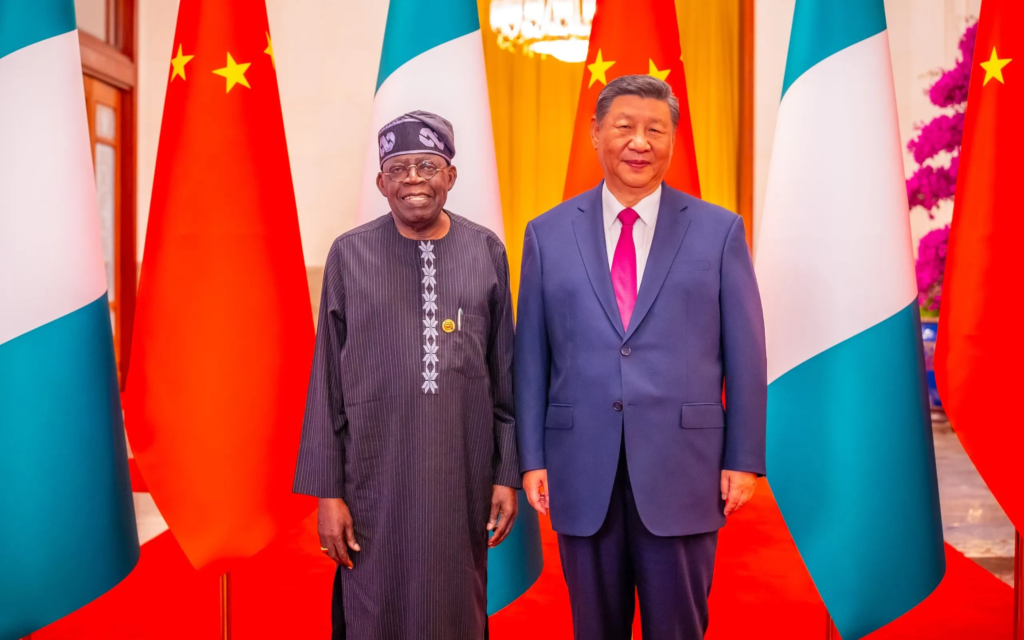
China has officially pledged a massive RMB 200 million grant to Nigeria to help fund key development projects across the country. In Nigerian currency, this financial support comes out to more than N40.3 billion.
The Chinese Ambassador to Nigeria, Yu Dunhai, made this announcement during an official diplomatic meeting in Abuja with Dr. Dunoma Umar Ahmed, the Permanent Secretary of Nigeria’s Ministry of Foreign Affairs. The meeting highlighted decades of partnership between both nations and set the stage for deeper economic cooperation.
Unlike a regular loan that adds to national debt, this money is coming as direct grant assistance. That means Nigeria gets financial backing for essential national projects without the stress of repaying interest over time.
This major update has drawn wide attention across foreign policy circles and economic observers nationwide. Here is a clear breakdown of what this RMB 200 million gift means, how the money will be used, and why it matters to everyday people.
Understanding the RMB 200 Million China Grant
When international news channels discuss large numbers in foreign currencies, it can sound complicated. To keep things simple, Chinese currency is measured in Renminbi (RMB). The total sum of RMB 200 million converts to roughly $29 million USD or over N40.3 billion.
The $0 Secret To Launching Your Entire Online Empire
Why pay hundreds every month for separate software? Build funnels, send emails, and make sales with Systeme.io completely free.
Get Started For $0Free Forever • No Credit Card Needed • Beginner-Friendly
This new financial package is targeted specifically toward projects that both governments have already evaluated and agreed upon. Instead of handing over cash for unspecified spending, the funding is strictly tied to real, physical development efforts that aim to improve public life and boost social growth.
Ambassador Yu Dunhai emphasized that China wanted to make sure the benefits of diplomatic talks translate into real-life progress for citizens. He explained that both nations have maintained clear communication to ensure these funds go directly toward meaningful work.
As reported by Channels Television, this grant represents a continued effort by China to support Nigeria’s long-term economic stability and strategic goals.
A Quick Look at 55 Years of China-Nigeria Diplomatic Ties
The relationship between China and Nigeria is not new. Both nations established formal diplomatic ties 55 years ago, and over that time, their partnership has grown into one of the strongest alliances in Africa.
In recent years, leaders from both countries have worked closely to deepen these ties. Chinese President Xi Jinping and Nigerian President Bola Ahmed Tinubu have met and established a strategic framework aimed at high-quality development.
Much of this current cooperation stems from agreements made during the Forum on China-Africa Cooperation (FOCAC) Beijing Summit. At that summit, leaders laid out a vision for joint investments in technology, agriculture, infrastructure, and green energy.
According to a detailed report by Premium Times, this latest grant shows how international summits lead to concrete financial actions that help partner nations grow.
Which Key Sectors Will Benefit Most from the Funding?
While the exact project breakdown will follow government schedules, the funding focuses on sectors vital to national growth. Historically, cooperation between China and Nigeria has centered on core areas that directly impact citizens.
Agriculture and Food Production
Agriculture remains one of the primary targets of bilateral assistance. China has previously provided zero tariffs on over 100 Nigerian agricultural products, giving local farmers better opportunities to sell their produce internationally. Part of this new assistance is expected to further improve farming techniques, machinery access, and local food processing capacity.
Science, Technology, and Digital Skills
Modern economic growth depends heavily on digital tech and innovation. China has continued to partner with Nigeria to build technological capacity, train young workers, and improve digital systems. Investing in technology helps bridge gaps in skills and empowers youth to compete in global digital markets.
Youth Employment and Skill Acquisition
Unemployment and underemployment among young people remain significant challenges. Grants like this support targeted training centers, vocational programs, and modern business hubs designed to turn youth skills into viable careers.
Infrastructure and Energy
From solar energy setups to transportation infrastructure, past China-Nigeria projects have reshaped power grids and logistics networks. Modern infrastructure helps businesses deliver products faster and cheaper, lowering costs across supply chains.
Why Is This Grant Strategic for Nigeria’s Economy Right Now?
Nigeria has faced several economic adjustments, inflation challenges, and currency shifts. In times like these, receiving N40 billion in non-debt funding provides welcome relief for public treasuries.
When a country borrows money, it has to pay back the principal sum plus interest, which places pressure on future budgets. Because this N40 billion intervention comes as a grant, the government can allocate money to vital projects without worsening public debt levels.
Coverage by Punch Newspapers highlights how non-debt capital helps stabilize public spending and lets the government address immediate development goals.
Send, Spend & Hold Money Worldwide Without Hidden Fees
Transfer money internationally at the real exchange rate and hold 40+ currencies in one account.
Open a Wise AccountMid-market rate • Fast transfers • 40+ currencies
Small and medium-sized enterprises (SMEs) also stand to gain when government spending goes into local infrastructure and agricultural programs. Better roads, stronger power setups, and broader trade access create safer, more profitable environments for local business owners.
What Government Figures Are Saying About the Deal
During the official announcement meeting, Chinese Ambassador Yu Dunhai noted that China takes pride in its long-standing alliance with Nigeria. He stated that China remains committed to helping Nigeria achieve sustainable economic growth and self-reliance.
Responding on behalf of the Nigerian government, Dr. Dunoma Umar Ahmed expressed gratitude to China for its ongoing support. He noted that the RMB 200 million assistance demonstrates China’s sense of responsibility as a global partner and reflects real friendship between the two nations.
Dr. Ahmed assured that Nigeria would use the funds effectively and maintain close cooperation with Chinese authorities to ensure every project delivers tangible benefits to citizens.
As covered in Leadership Newspaper, both diplomats reaffirmed their commitment to managing the funds transparently so that the impact reaches everyday communities.
How China-Nigeria Relations Compare Across Africa
China’s partnership with Nigeria is a key piece of its overall strategy across Africa. As the most populous country on the continent, Nigeria plays a central role in West African trade, logistics, and industrial production.
Over the past decade, Chinese companies and financial bodies have backed massive railway projects, sea ports, airport terminals, and industrial zones in Nigeria. These projects have reshaped urban transit and increased interstate trade capacity.
Reports from Business Insider Africa show that while China invests across dozens of African nations, Nigeria remains one of its most important trade and investment destinations.
By combining direct commercial investments with developmental grants, China continues to cement its position as a major trade partner for Nigeria.
The Broader Impact on Technology and Business Creation
When international funding goes into tech infrastructure and educational programs, it opens up new avenues for digital workers and business owners.
The $0 Secret To Launching Your Entire Online Empire
Why pay hundreds every month for separate software? Build funnels, send emails, and make sales with Systeme.io completely free.
Get Started For $0Free Forever • No Credit Card Needed • Beginner-Friendly
In today’s digital era, young professionals use online platforms to launch businesses, offer remote services, and create content for global audiences. Improved internet coverage, digital skills training, and stable power systems directly help digital creators thrive.
For instance, learning modern online skills like content automation, video production, and social media management allows young entrepreneurs to reach worldwide audiences. If you want to explore how digital creators automate video workflows and build global channels, check out resources on YouTube Automation.
Similarly, staying informed about artificial intelligence, digital tools, and smart automation helps professionals adapt to an evolving job market. To learn more about modern tools reshaping businesses globally, visit section guides on Technology & AI.
How Local Communities Can Benefit from Grant-Funded Projects
A common question people ask when hearing about international grants is: “How does this help me directly?”
The answer depends on how project funds are deployed on the ground. Grant-funded projects typically generate local opportunities through three primary channels:
First, construction and development projects create immediate jobs for local workers, engineers, and suppliers. When new facilities or agricultural centers are built, local workers get hired, which keeps money circulating in nearby communities.
Second, upgraded infrastructure reduces the cost of doing business. Better transport networks and reliable energy grids mean local traders spend less on fuel and logistics, allowing them to sell goods at lower prices.
Third, specialized training facilities built with development funds provide young people with practical skills in mechanics, digital tech, modern farming, and craftsmanship. These practical skills give young graduates a better shot at securing good jobs or starting their own ventures.
According to additional details published by TVC News, ensuring these community-level benefits stay on track is a shared goal for both diplomatic teams.
Key Takeaways from the N40 Billion Agreement
To bring everything together, here is a simple summary of what this major agreement covers:
- No Debt Attached: The RMB 200 million (N40.3 billion) sum is a direct grant, meaning Nigeria does not owe interest or repayment.
- Pre-Agreed Projects: The funds will go toward specific, agreed-upon projects in key sectors like agriculture, tech, and youth training.
- 55-Year Relationship: This update marks another milestone in 55 years of diplomatic ties between Nigeria and China.
- Economic Relief: Non-debt funding helps the government complete key projects without adding pressure to national debt levels.
- Trade Support: Stronger diplomatic ties build on existing trade perks, like zero tariffs on over 100 Nigerian agricultural exports.
Frequently Asked Questions (FAQs)
Is the RMB 200 million support a loan or a grant?
It is a grant. That means China is providing the RMB 200 million as direct financial assistance for agreed projects without requiring Nigeria to pay the money back.
How much is RMB 200 million in Nigerian Naira?
At current exchange figures, RMB 200 million translates to over N40.3 billion (or around $29 million USD).
Who announced this agreement and where did it happen?
The announcement was made by the Chinese Ambassador to Nigeria, Yu Dunhai, during an official meeting in Abuja with Dr. Dunoma Umar Ahmed, the Permanent Secretary of Nigeria’s Ministry of Foreign Affairs.
Which sectors stand to gain the most from this money?
The funding will target agreed-upon national projects, primarily focusing on agriculture, technology, education, youth employment, and infrastructure.
How long have China and Nigeria held official diplomatic relations?
China and Nigeria have maintained continuous diplomatic relations for 55 years, establishing one of Africa’s most prominent bilateral partnerships.
Will this funding help small business owners and farmers?
Yes. By supporting agricultural projects, technical education, and zero-tariff trade avenues, the grant aims to make business easier for local farmers, entrepreneurs, and SMEs.
Staying Connected and Informed
Staying up to date on global diplomacy, national policies, and economic trends helps you spot new opportunities early. Whether you are a business owner, student, or digital enthusiast, knowing how global changes affect local markets keeps you ahead.
To learn more about what we do and follow our team, visit our official About Us page or reach out directly through our Contact Us page.
You can also join the conversation and receive real-time updates by following our social channels on Instagram, Facebook, and X (formerly Twitter).
As implementation begins on these grant-funded projects, keeping an eye on public announcements will help you see how these international partnerships bring real improvements to local communities across Nigeria.
