
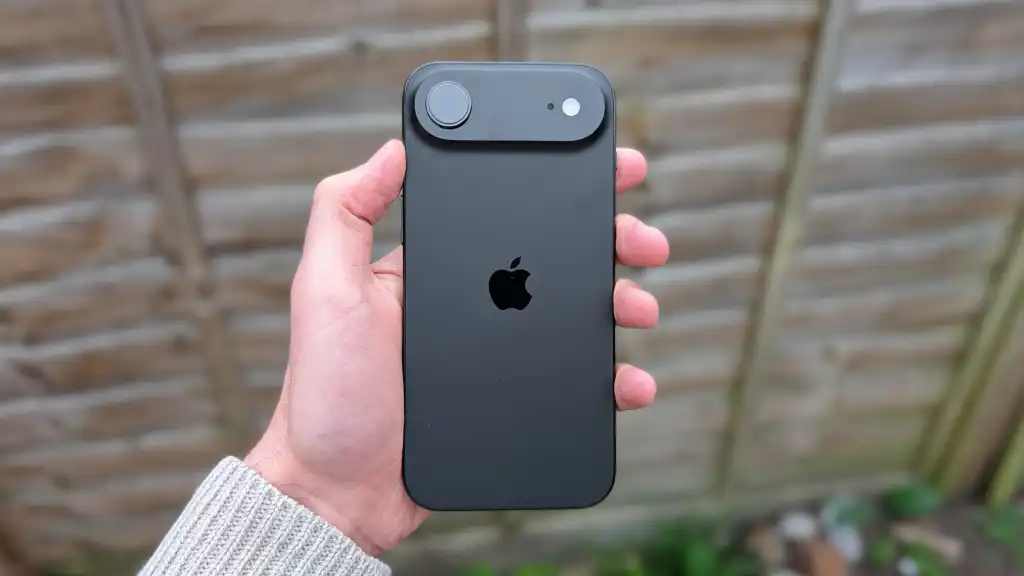
Apple shook up the mobile industry when they introduced the ultra-thin iPhone Air. Measuring an impossibly slim 5.6mm, it looks like a piece of glass from the future. The design turns heads, and the titanium frame feels undeniably high-end.
However, a beautiful design does not always equal a perfect user experience. The phone carries a starting price tag of $999. For that steep price, you only get a single rear camera lens and a modest battery that many reviewers note is just okay for light daily tasks. If you love the idea of a sleek, modern smartphone but do not want to sacrifice features or empty your savings account, you have some great choices.
Excellent pocket-friendly options give you incredible hardware, multi-lens camera setups, and long-lasting battery life for hundreds of dollars less. Let us look at the top choices on the market right now that offer a better balance of price and performance.
Why People are Scouting for iPhone Air Alternatives
The main reason people look for options outside of the iPhone Air comes down to value for money. When you spend nearly a thousand dollars on a flagship device, you expect the absolute best tech available. The thin frame of the Air forced Apple to make some significant compromises.
- The Single Camera Limitation: Most modern mid-range phones give you at least two or three lenses. The Air only features a single 48MP main camera. If you want to take wide-angle landscape shots or zoom into distant objects without losing quality, you are out of luck.
- Battery Constraints: A chassis that is only 5.6mm thick does not leave much room for a battery cell. The Air packs a 3,149 mAh battery. While Apple optimized the software well, heavy users often find themselves hunting for a charger before the evening arrives.
- The Premium Price Mark: Paying $999 for a phone with these technical trade-offs feels steep, especially when competitive devices offer larger batteries and versatile camera arrays at much lower price points.
If you want to keep up with the latest mobile trends without overspending, looking over our curated Technology & AI category will help keep you ahead of the curve.
The $0 Secret To Launching Your Entire Online Empire
Why pay hundreds every month for separate software? Build funnels, send emails, and make sales with Systeme.io completely free.
Get Started For $0Free Forever • No Credit Card Needed • Beginner-Friendly
The Best Mid-Range and Budget Contenders
1. Apple iPhone 17
If you love iOS and want to remain securely inside the Apple ecosystem, the standard iPhone 17 is a highly practical choice. It skips the ultra-thin gimmick but rewards you with a much more complete smartphone experience for around $799 to $829.
The standard model strikes a great balance between screen size and comfortable, one-handed usability. It measures roughly 7.8mm thick, which is still very sleek by modern standards.
Unlike the Air, the base iPhone 17 features a more capable dual-camera system. You also get a larger 3,692 mAh battery that easily outlasts the ultra-thin model during a busy work day. It uses the fast A19 chip, supports Apple Intelligence features like live call screening, and sports the gorgeous Liquid Glass visual redesign on the lock screen. You save around $200 while getting a more versatile daily companion.
- Pros: Dual-lens camera, excellent battery life, full access to Apple Intelligence, cheaper than the Air.
- Cons: Not as thin or lightweight as the Air model.
2. Google Pixel 10a
For anyone willing to explore the Android ecosystem, the Google Pixel 10a is arguably the king of pure value. Launching at an accessible price of $499, this phone handles everyday tasks beautifully while offering a camera setup that rivals devices twice its price.
Google utilizes highly advanced computational photography algorithms. Even though the hardware is mid-range, the 48MP main camera and 13MP ultrawide lens take crisp, professional-looking photos in almost any lighting condition. The back of the phone features a sleek, nearly flush camera housing that avoids the annoying wobble when placed flat on a table.
- Pros: Half the price of the Air, outstanding point-and-shoot camera performance, seven years of guaranteed software updates, clean stock Android interface.
- Cons: The screen is slightly dimmer in direct sunlight, and the processor is built for efficiency rather than heavy 3D gaming.
3. Samsung Galaxy S26
If you want an absolute powerhouse that feels premium but frequently sees great retail discounts, the Samsung Galaxy S26 is a top-tier contender. Frequently found on sale for around $700 to $780, it provides a direct challenge to Apple’s premium pricing.
The Galaxy S26 packs a stunning 120Hz AMOLED display and is powered by the top-of-the-line Snapdragon processor. Unlike the single camera on the Air, the S26 gives you a complete triple-camera array, including a dedicated telephoto zoom lens. It feels incredibly solid in the hand, offers excellent water resistance, and handles multitasking without a single stutter.
- Pros: Gorgeous high-refresh display, versatile triple-camera system, premium build quality, great sale pricing.
- Cons: Samsung’s customized software interface can feel slightly overwhelming at first if you are migrating from iOS.
4. Motorola Edge 70
If your primary reason for wanting the iPhone Air is the razor-thin physical profile, the Motorola Edge 70 is an absolute must-look. Motorola has mastered the art of building ultra-thin Android devices that do not break the bank.
The Edge 70 measures an incredibly slim 5.99mm. Despite this incredibly skinny design, Motorola managed to cram a massive 4,800 mAh battery inside the frame. It also supports blazing-fast 68W Turbo Charging, meaning you can top up your phone from zero to full in a fraction of the time it takes an iPhone to charge. It gives you the exact thin aesthetic you want at a highly competitive mid-range price.
- Pros: Extremely thin design at under 6mm, massive battery life for its size, super-fast charging speeds.
- Cons: Motorola generally offers fewer years of software security updates compared to Google or Apple.
5. Nothing Phone 4a Pro
Nothing is a brand built on making tech fun and visually distinct. The Nothing Phone 4a Pro costs around $599 and offers a premium, eye-catching design that rivals the aesthetic appeal of the iPhone Air.
The phone features a signature transparent back panel with glowing light patterns that flash for notifications and calls. Beyond the cool looks, it features an impressive 6.83-inch display and an 18-hour battery life. It also includes a 3.5x optical telephoto zoom camera, giving you incredible versatility when trying to photograph objects from far away.
- Pros: Highly unique transparent aesthetic, long-lasting battery, fast 50W wired charging, excellent zoom camera.
- Cons: The physical footprint is quite large, which might not appeal to fans of compact devices.
Side-by-Side Comparison: How the Alternatives Stack Up
| Phone Model | Estimated Retail Price | Physical Thickness | Rear Camera Setup | Battery Capacity |
| Apple iPhone Air | $999 | 5.64 mm | 48MP Single Lens | 3,149 mAh |
| Apple iPhone 17 | $799 – $829 | 7.80 mm | 48MP Dual Lens | 3,692 mAh |
| Google Pixel 10a | $499 | 8.90 mm | 48MP + 13MP Dual Lens | 5,100 mAh |
| Samsung Galaxy S26 | $700 – $899 | 7.60 mm | Triple Lens Array | 4,000 mAh |
| Motorola Edge 70 | Mid-Range Budget | 5.99 mm | 50MP + 50MP Dual Lens | 4,800 mAh |
| Nothing Phone 4a Pro | $599 | 8.20 mm | Triple Lens with 3.5x Zoom | 5,080 mAh |
Key Factors to Consider When Stepping Away From the iPhone Air
Design and Ultra-Thin Profiles
Choosing an alternative means deciding how important that 5.6mm thickness is to you. Devices like the Motorola Edge 70 prove that you can get a paper-thin phone with a massive battery if you are open to using Android. If you decide to go with a slightly thicker phone, you will usually be rewarded with better cooling, larger battery capacities, and more durable structures that do not bend easily under pressure.
Battery Life vs. Weight
The iPhone Air is light, but it requires careful battery management. If you travel often or work away from an office desk, choosing a device with a battery capacity closer to 4,500 mAh or 5,000 mAh will change how you use your phone. You will no longer feel the constant need to carry an external power bank in your bag.
Camera Performance and Sensors
A single camera lens limits your creativity. If you enjoy taking photos on vacation, having an ultrawide lens or a telephoto zoom lens makes a massive difference. Budget flagships now offer multiple lenses that let you capture grand landscapes or tight portraits without sacrificing resolution.
Ecosystem and Longevity
Staying with Apple means your Apple Watch, iPad, and MacBook will continue to sync perfectly. If you decide to make the jump to Android to save money, look closely at software support. Google and Samsung now offer up to six or seven years of operating system updates, meaning your budget-friendly phone will stay fast and secure for a long time.
Send, Spend & Hold Money Worldwide Without Hidden Fees
Transfer money internationally at the real exchange rate and hold 40+ currencies in one account.
Open a Wise AccountMid-market rate • Fast transfers • 40+ currencies
Tech Savings and Online Opportunities
Opting for a budget-friendly smartphone alternative can leave an extra $200 to $500 in your pocket. For those looking to put those savings to work, the digital landscape offers incredible avenues to turn extra cash into sustainable income streams.
Many modern professionals use their mobile setups to manage a flexible side hustle right from their laptops or secondary screens. With the right strategy, you can easily use your saved funds to invest in simple digital business models. For example, learning the basics of affiliate marketing allows you to earn commissions by recommending products you already use and love.
If you prefer a more automated hands-off content creation model, exploring YouTube automation can help you build online assets that generate revenue around the clock without requiring you to show your face on camera. Utilizing affordable technology effectively is often the first step toward learning how to make money online and achieving the ultimate freedom of working as a self-sufficient digital nomad.
Frequently Asked Questions (FAQs)
Does the iPhone Air have a better screen than cheaper alternatives?
Not necessarily. While the iPhone Air features a beautiful 6.5-inch Super Retina display with a 120Hz refresh rate, several mid-range Android options match or beat those specs. Devices like the Samsung Galaxy S26 and Nothing Phone 4a Pro offer highly vibrant AMOLED screens with incredibly smooth refresh rates for hundreds of dollars less.
Can a budget phone camera really compete with Apple?
Yes. Google’s Pixel 10a is a perfect example of a budget phone that matches or occasionally beats flagship iPhones in standard photography. Because Google uses world-class software processing, it extracts incredible detail, accurate skin tones, and excellent night-time performance from its camera sensors.
Is the battery life on the iPhone Air really that short?
The iPhone Air features a 3,149 mAh battery, which is small compared to the industry average. If you are a casual user who mainly texts and browses the web, it will get you through the day. However, if you watch lots of videos, play games, or use GPS navigation, you will likely need to charge it before the day ends.
Why is the iPhone Air so expensive if it has fewer features?
You are primarily paying for the engineering feat of the ultra-thin 5.6mm design and the premium titanium frame. Shrinking logic boards, speakers, and thermal cooling systems into a chassis that thin requires complex manufacturing, which drives up the retail cost.
Final Thoughts on iPhone Air Alternatives
The iPhone Air is a beautiful piece of engineering, but it asks users to make notable compromises regarding battery capacity and camera flexibility for a premium $999 price tag. If you love sleek tech but want your money to go further, excellent alternatives are readily available.
Choosing the standard iPhone 17 keeps you in the iOS ecosystem with dual cameras and better battery life. Exploring options like the Google Pixel 10a or the ultra-thin Motorola Edge 70 can save you hundreds of dollars while delivering features that easily keep up with your daily demands.
If you want to read more about our mission to provide clear, helpful guides on tech, lifestyle, and global trends, head over to our About page. Do you have any questions or want to suggest a topic for our next article? We would love to hear from you, so feel free to drop us a line through our Contact page.
The $0 Secret To Launching Your Entire Online Empire
Why pay hundreds every month for separate software? Build funnels, send emails, and make sales with Systeme.io completely free.
Get Started For $0Free Forever • No Credit Card Needed • Beginner-Friendly
This video provides an excellent visual comparison and a detailed breakdown of powerful mid-range and budget smartphones available on the market that deliver exceptional value without the flagship price tag.
