
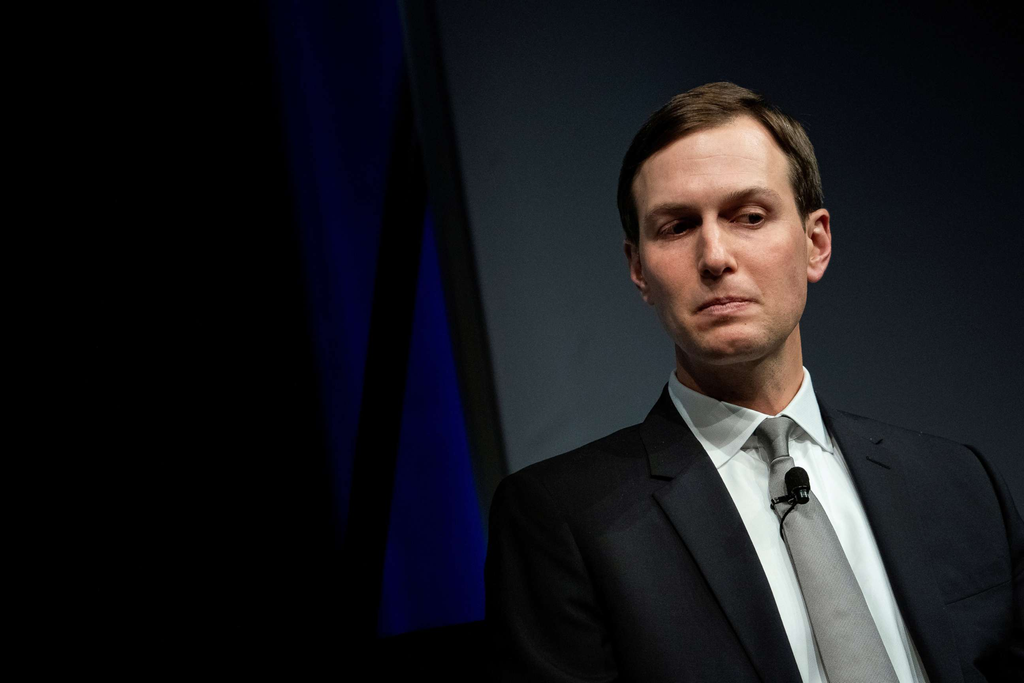
A major new twist just hit the diplomatic efforts to end the war between Russia and Ukraine. Jared Kushner, President Donald Trump’s son-in-law and special envoy, revealed that the United States is considering offering Ukraine security guarantees modeled on NATO’s famous mutual defense pact.
The announcement came after days of intense behind-the-scenes meetings in Europe and a lengthy statement from Kushner on X on November 22, 2026. For millions of people watching this grinding conflict drag on, the news immediately sparked hope that a real ceasefire might finally be within reach.
At the same time, major questions remain about whether Russia will ever accept the idea, whether Ukraine can trust it, and what the U.S. Congress will say. Here is everything you need to know about what Kushner proposed, why leaders in Kyiv and Moscow are clashing over the details, and what happens next.
What Exactly Did Jared Kushner Propose for Ukraine?
Jared Kushner stepped into the spotlight following a November 19 meeting of the Coalition of the Willing in Berlin, where European and American officials discussed how to bring the war to a close. Speaking after those talks, Kushner stated that President Trump is open to giving Ukraine security guarantees similar to Article 5 of the NATO treaty, according to reporting from The Guardian.
On November 22, Kushner followed up with a detailed post on X to clarify what Washington is actually putting on the table. He described Trump’s willingness to consider Article 5-style protections as a critical piece of building a lasting peace.
The $0 Secret To Launching Your Entire Online Empire
Why pay hundreds every month for separate software? Build funnels, send emails, and make sales with Systeme.io completely free.
Get Started For $0Free Forever • No Credit Card Needed • Beginner-Friendly
Kushner also claimed that Russia’s willingness to even discuss these guarantees represents a major step forward. In his view, Moscow engaging on the topic could be a sign that Russian leaders are finally getting serious about stopping the bloodshed.
Still, Kushner made it clear that nothing has been signed or finalized yet. He emphasized that Washington plans to spend the coming weeks holding private and group talks with Ukraine, European allies, and Russia to hash out a shared understanding, reminding everyone that nothing is agreed until it is agreed, as reported by the Kyiv Post.
This diplomatic push builds on months of shuttle diplomacy, including earlier rounds where Trump envoys headed to Kyiv for high-stakes peace talks right after meeting Russian President Vladimir Putin in Moscow. Now, the White House appears to be testing whether a middle-ground security promise can break the deadlock.
What Does a NATO-Style Security Guarantee Actually Mean?
To understand why this proposal is such a big deal, it helps to look at how NATO works in plain terms. NATO is a military alliance of 32 countries in North America and Europe, and its backbone is a rule called Article 5.
Article 5 is built on one simple promise: an attack on one member is an attack on all members. If an outside country invades a NATO nation, every other country in the alliance is obligated to step in and help defend it, including with military force if necessary.
Ukraine has wanted full NATO membership for years because it views Article 5 as the ultimate shield against Russian aggression. However, Russia has repeatedly said Ukraine joining NATO is a red line, and several Western leaders have hesitated to bring Kyiv into the alliance while an active war is raging.
Earlier in November, Ukrainian President Volodymyr Zelenskyy even revealed how the US floated trading Donbas territory for Ukraine NATO membership, a tough trade-off that sparked intense debate in Kyiv. Kushner’s latest proposal tries to sidestep formal NATO membership altogether.
Instead of making Ukraine an official member of the alliance, the United States and European partners would sign a separate agreement promising NATO-style protection. In theory, that means if Russia ever invaded Ukraine again after a peace deal, Western powers would be bound to respond as if an ally had been attacked.
What Conditions Did Kushner Set Before Trump Approves the Deal?
While Kushner’s post sounded optimistic, he attached several strict strings to the offer. Donald Trump has not officially approved any guarantee yet, and Kushner stressed that the president will only sign off if the deal protects American interests and meets very specific conditions.
Why Does Europe’s Post-War Security Plan Matter So Much?
According to Kushner, security guarantees for Ukraine cannot be decided on their own. He explained that any promise to protect Kyiv has to fit into a much broader post-war security plan for the entire European continent.
In his statement covered by Ukrainska Pravda, Kushner said Trump would only approve Article 5-style commitments if the wider European security setup makes it highly unlikely that those guarantees would ever need to be used. In simple words, Washington does not want to sign a blank check that drags American troops into another European war two or three years down the road.
Kushner also noted that substantial commitments from America and Europe must be matched by Ukraine’s own commitment to stability and reform. He pointed out that promises of this size are among the most serious commitments the United States can make, meaning they require careful review and formal approval through constitutional and congressional channels.
How Would the United States Prevent Another Russian Invasion?
To make sure a future war never starts, Kushner laid out several practical guardrails that Washington wants built into the peace framework. These measures are designed to keep Russian and Ukrainian forces from accidentally or intentionally sparking a new conflict, as detailed by RBC-Ukraine.
First, the plan calls for permanent communication channels so leaders can talk directly and defuse crises before they spiral out of control. Second, it requires clear military separation, often called deconfliction, along with strict rules for transparency so neither side can quietly prepare a surprise attack.
Third, the U.S. side has proposed that Russian troops pull back from the border immediately once a ceasefire takes effect. In exchange, Western nations would lift economic sanctions on Russia, but with a tough catch: if Moscow ever starts massing troops near Ukraine again for a new offensive, those crippling sanctions would snap right back into place automatically.
Send, Spend & Hold Money Worldwide Without Hidden Fees
Transfer money internationally at the real exchange rate and hold 40+ currencies in one account.
Open a Wise AccountMid-market rate • Fast transfers • 40+ currencies
Why Is Volodymyr Zelenskyy Skeptical About the Promise?
You might expect Ukrainian leaders to celebrate the news that Washington is considering an Article 5-style shield, but President Volodymyr Zelenskyy is reacting with extreme caution. Having lived through broken promises in the past, Kyiv wants hard facts rather than warm headlines.
Speaking after the Berlin meetings and again on November 21, Zelenskyy admitted that he still does not know what partners actually mean when they say “NATO Article 5-style” guarantees. As reported by Ukrinform, he noted that Ukraine has not yet received an official written offer explaining how the mechanism would work.
Zelenskyy raised the exact questions that everyday Ukrainians are asking right now. Which specific countries would sign the guarantee? Would partner troops actually be stationed on Ukrainian soil? And if Russian tanks crossed the border again, would American and European forces truly fight to push them back?
For Zelenskyy, the biggest worry is the clock. Donald Trump only has two years remaining in his current presidential term, and Kyiv is terrified of signing a peace deal that relies solely on one president’s goodwill.
Zelenskyy warned that if security guarantees only last for the next two years, Ukraine will not have a strong peace—it will just have a two-year pause before Russia attacks again. He insisted that any commitment must be legally binding and last for decades.
That skepticism is shared by ordinary citizens across Ukraine. Polling from late October showed that 54 percent of Ukrainians doubt the United States would actually step in to stop a new Russian invasion even with a guarantee, while 56 percent believe European allies are more likely to show up. That is why Kyiv has also pursued long-term bilateral pacts, such as when Canada and Ukraine signed a historic 100-year deal covering drones and air defense.
Is Russia Really Open to This Plan or Pushing Back?
One of the most puzzling parts of Kushner’s announcement is how differently Washington and Moscow are describing Russia’s position. Kushner told reporters in Berlin that he believed Moscow was comfortable with the concept of Article 5-style guarantees, and he praised Russia’s willingness to discuss the idea in his X post.
Yet officials in Moscow quickly poured cold water on that claim. Russian Deputy Foreign Minister Sergei Ryabkov publicly rejected the concept, declaring that any arrangement giving Ukraine NATO-like protections or “quasi-membership” in the alliance is completely unacceptable to Russia.
Meanwhile, fighting on the ground has not slowed down at all. Even as diplomats traded statements in Berlin and Washington, Russian forces launched fresh strikes on bridges in Kyiv and targeted energy infrastructure across Ukraine, leaving communities scrambling to keep the lights on.
Foreign policy experts say this contradiction highlights a classic diplomatic trap. Daniel Fried, a former senior U.S. diplomat, told RFE/RL that there is a massive difference between Russia agreeing to discuss a topic behind closed doors and Russia actually accepting it.
The $0 Secret To Launching Your Entire Online Empire
Why pay hundreds every month for separate software? Build funnels, send emails, and make sales with Systeme.io completely free.
Get Started For $0Free Forever • No Credit Card Needed • Beginner-Friendly
Fried noted that while Kushner’s statement was forward-leaning enough to take seriously, Moscow has shown zero public sign of giving up its core war goals. Others in Washington also pointed out that just days earlier, Trump and Putin shook hands in Shenzhen during a high-profile summit in China where Trump warmly referred to the Russian leader as his friend—a moment that made many observers question how tough Washington will really be if Moscow stalls.
How Does the New Democratic Congress Change Everything?
Even if Donald Trump, Volodymyr Zelenskyy, and European leaders somehow agree on the exact wording of a security guarantee, the plan still faces a huge political hurdle in Washington. Kushner explicitly stated that any proposed security guarantee would be subject to constitutional and congressional processes.
That detail matters enormously because the political map in Washington just shifted. In the November 3, 2026 midterm elections, Democrats won control of the U.S. House of Representatives, and both chambers of Congress are set to flip to Democratic majorities when the new session begins in early January 2027.
For a security guarantee to outlast Trump’s presidency—the exact thing Zelenskyy is demanding—it cannot just be an executive promise that the next president can tear up with the stroke of a pen. It needs formal backing from the U.S. Congress, either as a ratified treaty or through binding legislation.
Winning that support will require serious bipartisan cooperation. Many Democratic lawmakers strongly support defending Ukraine, but they are deeply skeptical of the White House’s negotiating style and will scrutinize any deal to make sure it does not force Ukraine to surrender sovereign land unfairly.
At the same time, some isolationist voices in Washington oppose making any new overseas defense commitments at all. Past rounds of diplomacy, including when US envoys arrived in Moscow for high-stakes Ukraine peace talks, have shown how hard it is to keep both domestic politicians and foreign allies happy at the same time. Meanwhile, Russia has accused Europe of blocking Ukraine peace talks, adding even more tension to the negotiations.
What Are the Most Common Questions About Kushner’s Ukraine Security Plan?
Is Ukraine Officially Joining NATO Under Jared Kushner’s Proposal?
No. Kushner’s proposal does not offer Ukraine full membership in NATO. Instead, it suggests creating a separate security arrangement that mimics NATO’s Article 5 collective defense promise, giving Ukraine strong protection from the United States and European partners without officially bringing Kyiv into the alliance.
Has Donald Trump Already Approved Security Guarantees for Ukraine?
Not yet. Trump told reporters at the White House on November 20 that a peace agreement must be reached before any security guarantees are finalized. Kushner also confirmed that Trump will only approve a guarantee if it serves American interests, reduces the chance of future conflict, and passes through Congress.
Why Does Russia Oppose NATO-Style Guarantees for Ukraine?
Moscow has long viewed Western military alliances near its borders as a direct threat to its influence and security. Russian officials say that giving Ukraine Article 5-style guarantees amounts to backdoor NATO membership, which they claim is unacceptable even if Ukraine does not formally join the bloc.
How Long Would These Security Guarantees Last?
That is one of the biggest unresolved questions. Ukrainian President Volodymyr Zelenskyy insists that the guarantees must last for decades and be backed by Congress so they survive beyond Trump’s remaining two years in office. Washington has not yet published a draft showing the exact timeline.
What Happens Next in the Push for Peace Between Russia and Ukraine?
Over the next few weeks, American envoys, European leaders, Ukrainian officials, and Russian negotiators are expected to hold a fresh wave of private and multilateral meetings to test whether this framework can actually work. Watching how Moscow responds behind closed doors—and whether Washington puts concrete commitments in writing for Kyiv—will tell us if this is a real breakthrough or just another round of diplomatic talk.
What do you think about Jared Kushner’s proposal to give Ukraine NATO-style protection? Do you believe Russia would ever respect a deal like this, or is Kyiv right to demand stronger guarantees before signing anything?
