
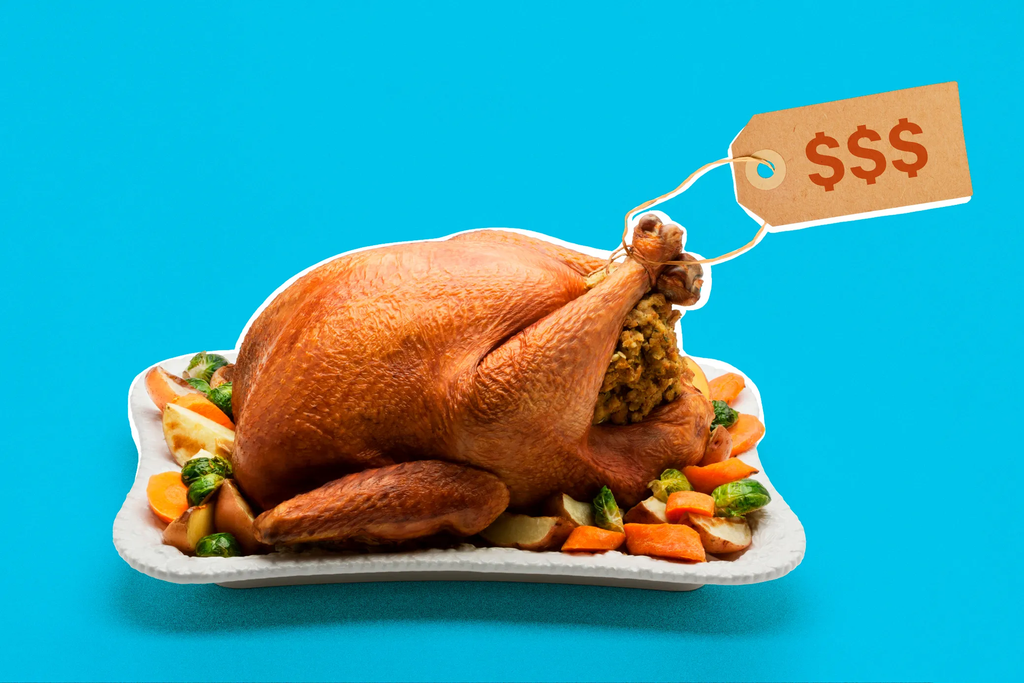
Walk down the grocery store aisle right now, and you will notice something frustrating at the meat counter. Turkey prices are climbing just weeks before Thanksgiving. For families already stretching every dollar at the supermarket, seeing a higher price tag on the holiday centerpiece is not the news anyone wanted.
According to new data from the U.S. Department of Agriculture (USDA), average retail prices for frozen whole turkeys have jumped noticeably compared to last year. A standard frozen bird that felt like a bargain in 2025 now costs several dollars more at checkout.
Before you start rethinking your entire Thanksgiving menu, take a deep breath. While average retail prices are indeed higher on paper, the real story behind the meat counter is much more complicated—and surprisingly good news for smart shoppers. Here is what is driving the price hike in 2026 and how you can still get a great bird without breaking your budget.
How Much Have Turkey Prices Actually Risen in 2026?
To understand what is happening at the register, it helps to look at the exact numbers. Grocery shoppers are seeing higher base prices across almost every size of whole turkey this November.
According to market analysis from the Alabama Cooperative Extension System, a 16-pound frozen whole turkey averaged $1.23 per pound in late October 2026, bringing the total to $19.68. During that exact same window in 2025, that same bird cost $1.08 per pound, or $17.28. That represents nearly a 14 percent jump in average retail cost.
The $0 Secret To Launching Your Entire Online Empire
Why pay hundreds every month for separate software? Build funnels, send emails, and make sales with Systeme.io completely free.
Get Started For $0Free Forever • No Credit Card Needed • Beginner-Friendly
Smaller birds have seen an even sharper percentage increase. USDA figures show that frozen turkey hens weighing under 16 pounds averaged $1.29 per pound heading into November 2026, up from $1.04 per pound in 2025. For a 15-pound bird, you are looking at roughly $19.35 at standard retail pricing instead of $15.53 last year.
Retail Prices vs. Wholesale Prices
The price increase did not start at your local supermarket. It began months earlier on the wholesale market, where grocery chains buy their holiday stock in bulk.
Data tracked by the Ohio State University College of Food, Agricultural, and Environmental Sciences shows that wholesale frozen whole turkeys hit roughly $1.81 to $1.82 per pound in late October and early November 2026. That is about 7 percent higher than wholesale prices at the same point in 2025.
Notice something interesting about those numbers. Wholesale turkeys cost grocery stores around $1.81 per pound, yet many supermarkets are selling them to shoppers for $1.23 per pound or less. We will explain why stores are willing to lose money on turkeys in a moment.
Fresh vs. Frozen Turkey Price Gaps
If you usually skip the freezer aisle and buy a fresh, never-frozen turkey, 2026 brings an unusual twist. Normally, fresh turkeys cost way more per pound than frozen ones because they are harder to transport and have a short shelf life.
In 2025, shoppers paid about 90 cents more per pound for a fresh turkey than a frozen one. In early November 2026, however, USDA weekly numbers showed fresh whole turkeys averaging around $1.45 to $1.46 per pound, compared to $1.18 to $1.19 for frozen birds. That shrinks the price gap to just 27 cents per pound, making a fresh bird much more tempting if you have extra room in your food budget.
Four Big Reasons Turkey Costs More This Thanksgiving
Food prices rarely rise for just one reason. Behind every turkey sitting in a grocery store freezer is a long chain of farmers, feed suppliers, truck drivers, and processing plants. In 2026, four major pressures pushed those costs higher.
1. Stubborn Farm and Feed Expenses
Raising millions of turkeys takes an enormous amount of grain. Animal feed—mostly corn and soybean meal—typically accounts for 60 to 70 percent of a turkey farmer’s total operating expenses.
Even when grain prices stabilize slightly, farmers in 2026 have faced higher costs across almost every other part of their business. Utility bills to heat and cool poultry barns, veterinary care, farm labor, and transportation have all stayed elevated. When it costs more to raise a bird from a chick to market weight, farms have to charge higher wholesale prices just to stay in business.
2. Lingering Bird Flu Outbreaks
Highly Pathogenic Avian Influenza, commonly known as bird flu, has remained a stubborn headache for poultry farmers. Whenever the virus hits a commercial farm, strict health rules require the entire flock to be culled to stop the disease from spreading.
Since September 2026, bird flu outbreaks have struck roughly 20 commercial turkey farms, affecting around 900,000 birds, primarily in major turkey-producing states like Minnesota and the Dakotas. While 900,000 birds is a small fraction of the roughly 200 million turkeys raised in the United States each year, those late-season losses still tighten supplies and keep growers on edge during peak holiday shipping weeks.
3. Early Cold-Storage Movements
Most Thanksgiving turkeys are not raised in October and shipped out the next day. Processors raise birds throughout the year and keep them in massive cold-storage warehouses until autumn.
Heading into fall 2026, USDA cold-storage reports showed slightly fewer turkeys sitting in freezers than at the same time in 2025. Part of the reason is that grocery chains started pulling birds out of cold storage earlier this year to get a head start on holiday displays. Even so, slightly tighter warehouse numbers give suppliers more leverage to hold wholesale prices firm.
4. Global Poultry Trade Pressures
Turkey pricing is not purely a local issue anymore. Global poultry trade connects farms in North America, Europe, South America, and Africa.
As industry analysts at Food Chain Magazine point out, a single confirmed bird flu outbreak in a major exporting region can temporarily close international borders and shift global poultry shipments. When importers and foodservice buyers scramble for clean supply, prices ripple across both local grocery stores and international frozen poultry markets.
Send, Spend & Hold Money Worldwide Without Hidden Fees
Transfer money internationally at the real exchange rate and hold 40+ currencies in one account.
Open a Wise AccountMid-market rate • Fast transfers • 40+ currencies
Why You Should Not Panic About a Turkey Shortage
Hearing that prices are up and bird flu is still circulating might make you want to rush out and buy three turkeys today. Save your freezer space, because economists say there is plenty of turkey to go around in 2026.
Production and Bird Weights Are Actually Up
According to Farm Progress, Texas A&M AgriLife Extension economist David Anderson confirmed that overall turkey supplies have actually rebounded nicely this year. The total number of turkeys heading to market is up about 3 percent compared to last year.
Even better, farmers have been raising heavier birds. Because average bird weights are higher in 2026, total turkey meat production has climbed by nearly 6 percent. That extra volume easily covers the birds lost to autumn avian flu outbreaks.
Supermarkets Are Using Turkeys to Win Your Cart
Here is the biggest secret of Thanksgiving grocery shopping: supermarkets do not expect to get rich selling you a turkey.
In the grocery business, Thanksgiving turkeys are classic “loss leaders.” Retailers deliberately sell frozen turkeys at or below what they paid for them. Why would a store lose money on a 16-pound bird? Because once you walk into their store for a cheap turkey, you are almost guaranteed to buy your stuffing, potatoes, butter, drinks, pies, and paper towels there too.
USDA promotional data shows roughly 2,500 major grocery stores nationwide advertising frozen whole turkeys in early November 2026—even more stores than at the exact same point in 2025. Competition between supermarkets is fierce, and that price war works directly in your favor.
The Hidden Cost of Thanksgiving Side Dishes
While everyone focuses on the turkey, the real threat to your holiday budget in 2026 might be sitting right next to it on the dinner table.
Recent holiday meal studies from the Wells Fargo Agri-Food Institute and ConsumerAffairs show that Thanksgiving grocery prices are a mixed bag this year. Some staples have become noticeably cheaper, including russet potatoes, cranberries, and butter.
Other classic side dishes, however, have jumped in price. Packaged dinner rolls, cubed stuffing mix, sweet potatoes, green bean casserole ingredients, and pecan pie have all registered meaningful price increases compared to last year. Higher cocoa, sugar, packaging, and bakery labor costs mean that loading your cart with premade desserts and boxed sides can quietly add $15 to $25 to your checkout total.
Seven Simple Ways to Save Money on Your Thanksgiving Turkey
You do not have to pay the average retail price of $1.23 to $1.29 per pound. With a little planning, you can easily cut your turkey bill in half. Here are seven practical ways to keep your money in your pocket this November.
The $0 Secret To Launching Your Entire Online Empire
Why pay hundreds every month for separate software? Build funnels, send emails, and make sales with Systeme.io completely free.
Get Started For $0Free Forever • No Credit Card Needed • Beginner-Friendly
Hunt for Supermarket Loss-Leader Deals
Check weekly digital flyers from regional grocery chains during the two weeks leading up to Thanksgiving. Many supermarkets drop frozen whole turkeys to between 49 cents and 99 cents per pound once you spend $25 to $50 on other groceries in the same trip. Some chains even give away a completely free turkey if you hit a higher spending threshold or redeem loyalty points.
Take Advantage of 2026 Holiday Meal Bundles
Major retailers are competing aggressively with pre-planned Thanksgiving baskets that beat individual shelf prices. According to FOX 5 New York, Walmart is offering a 2026 Holiday Meal Basket for $35 that feeds 10 people—about $3.50 per guest—featuring a Butterball turkey priced at just 97 cents per pound. Target has a $30 bundle for six people that includes a Butterball turkey up to 10 pounds plus classic sides, while Aldi offers a 10-person feast for under $39 that comes with a 16-pound turkey and pie ingredients.
Buy Frozen Early Instead of Waiting Until the Last Minute
Waiting until Tuesday or Wednesday before Thanksgiving to buy a turkey is the easiest way to overpay. By then, the cheap promotional frozen birds are often picked over, leaving only expensive fresh or specialty organic turkeys on the shelf. Buying a frozen bird in mid-November locks in sale prices and gives you plenty of time to thaw it safely in your refrigerator.
Pick Store-Brand Turkeys Over Big Name Brands
A store-brand Grade A frozen turkey goes through the exact same USDA safety and quality inspections as a famous name-brand bird. In blind taste tests, most people cannot tell the difference once the bird is seasoned, roasted, and covered in gravy. Choosing the supermarket’s house label can easily save you 30 to 50 cents per pound.
Buy Only the Weight Your Guest List Needs
A good rule of thumb is to buy 1 to 1.5 pounds of whole turkey per person. That sounds like a lot, but remember that a whole bird includes plenty of bone and skin. If you are hosting eight people, a 12-pound bird gives everyone a generous serving plus leftovers for sandwiches the next day. Buying a massive 22-pound turkey for a small group wastes money and takes forever to cook.
Switch to a Bone-In Turkey Breast for Small Gatherings
If you are cooking for three to five people, skip the whole turkey altogether. A 5- to 7-pound bone-in turkey breast costs less overall than a whole bird, cooks evenly in half the time, and eliminates the stress of dealing with dry white meat while waiting for dark meat to finish cooking.
Turn Dinner Into a Coordinated Potluck
If you are hosting Thanksgiving at your house, you are already doing the hardest work by cleaning, setting the table, and roasting the main dish. Let guests help with the rising cost of sides and desserts. Ask one person to bring dinner rolls, another to bring sweet potatoes, and someone else to handle drinks or pie. Splitting the menu keeps everyone involved and prevents one host from absorbing the entire grocery bill.
Frequently Asked Questions About 2026 Thanksgiving Turkey Prices
Why are turkey prices rising ahead of Thanksgiving 2026?
Turkey prices are higher in 2026 mainly because farmers have faced elevated feed, labor, and processing costs, alongside autumn bird flu outbreaks that affected roughly 900,000 commercial turkeys. Slightly tighter cold-storage inventories heading into fall have also kept wholesale prices firm.
How much does a Thanksgiving turkey cost in 2026?
Without store discounts, USDA data shows frozen whole turkeys averaging $1.23 to $1.29 per pound in early November 2026, which puts a 15- to 16-pound bird around $19.35 to $19.68. However, supermarket promotional sales frequently drop prices to between 49 cents and 99 cents per pound.
Is there a turkey shortage for Thanksgiving 2026?
No, there is no turkey shortage in 2026. According to agricultural economists, the number of turkeys sent to market is up about 3 percent and heavier average bird weights have pushed total turkey meat production up nearly 6 percent compared to last year.
When is the best time to buy a Thanksgiving turkey?
The best time to buy a frozen turkey is one to two weeks before Thanksgiving, typically between November 12 and November 21. Grocery store promotions peak during this window, giving you the best selection of sizes and plenty of time to thaw the bird in your refrigerator.
How long does it take to thaw a frozen turkey safely?
You should allow roughly 24 hours of refrigerator thawing time for every 4 to 5 pounds of turkey. A 12-pound turkey needs about three full days in the fridge, while a 16- to 20-pound turkey needs four to five days before you season and roast it.
Seeing headlines about rising food prices right before a major holiday is never fun, especially when family traditions revolve around sharing a big meal together. Fortunately, higher average farm costs do not mean you have to overpay at the checkout line. By shopping early, taking advantage of supermarket meal bundles, and letting grocery stores compete for your business, you can put a delicious turkey on the table and keep your holiday budget intact.
