
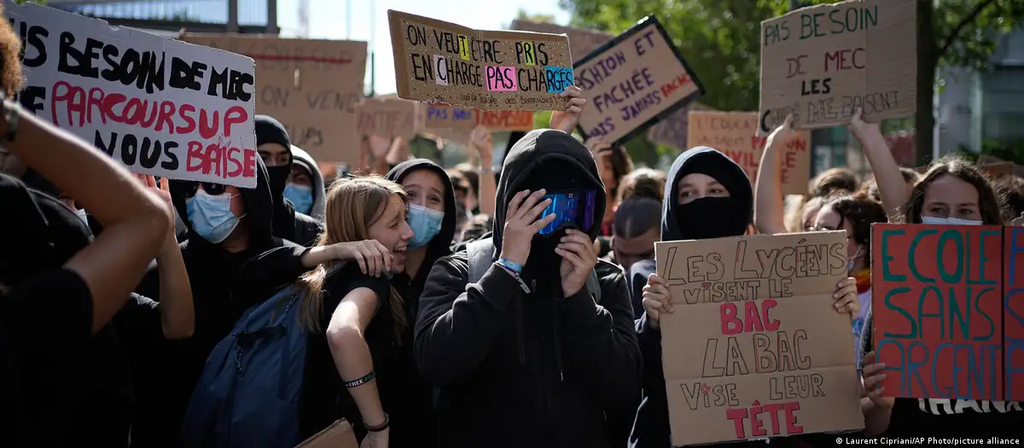
The sound of electric drills, circular saws, and heavy hammers echoed through the streets of Paris from dawn. Shop owners across the French capital worked against the clock, boarding up storefront windows with thick plywood sheets. From high-end fashion boutiques near Boulevard Saint-Germain to neighborhood pharmacies, grocery stores, and corner bakeries near Place de la République, business owners raced to protect their livelihoods before another wave of massive demonstrations flooded the boulevards.
Public transit operator RATP confirmed the shutdown of more than 20 central Paris Metro stations. Bus lines were rerouted away from historic squares. City authorities ordered outdoor café furniture, construction equipment, and rental bicycles removed from sidewalks to keep them from being turned into makeshift barricades or weapons.
Tens of thousands of national police officers and gendarmes have taken up positions across French cities. Water cannons are staged near major government offices, and armored crowd-control vehicles are parked near the Champs-Élysées. France is preparing for an intense weekend of street unrest, but this is no longer an isolated Parisian crisis. A wave of social and economic anger is rippling across Europe, exposing deep frustration with rising prices, government spending cuts, and political systems that millions feel no longer listen to everyday citizens.
The Chaos That Brought Paris to a Standstill
The intense security lockdown across Paris is a direct reaction to the destruction that caught authorities off guard just days ago. During the previous weekend of demonstrations, peaceful afternoon rallies quickly gave way to violent street clashes after nightfall.
More than 2,500 people were arrested nationwide, with hundreds of police officers and demonstrators injured. In Paris alone, officials reported that roughly 450 shops, banks, and commercial storefronts were vandalized, smashed, or completely looted. Demonstrators set fire to garbage piles, newspaper kiosks, and bus stops, sending thick plumes of black smoke into the Parisian sky.
The $0 Secret To Launching Your Entire Online Empire
Why pay hundreds every month for separate software? Build funnels, send emails, and make sales with Systeme.io completely free.
Get Started For $0Free Forever • No Credit Card Needed • Beginner-Friendly
Similar scenes erupted in major provincial hubs including Marseille, Lyon, Bordeaux, and Nantes. In the central city of Limoges, flames engulfed parts of the historic 19th-century City Hall, causing severe structural damage before firefighters could bring the blaze under control.
The scale of the disorder triggered alarm within the French government. Both Prime Minister Sébastien Lecornu and Interior Minister Laurent Nuñez publicly acknowledged critical failures in the state’s initial response. Officials admitted that intelligence agencies underestimated the size of radical activist networks, police tactics relied on static defense lines rather than mobile interception units, and routine police leave had mistakenly remained uncancelled.
In response, authorities moved swiftly to prevent a repeat. For ongoing background on the scale of recent clashes and mass arrests, read our report on how buildings were torched and over 1,000 detained as protests swept France.
Why Are People Marching? The Core Drivers Behind the Anger
International headlines often describe French protests as sudden explosions of anger over a single law or tax. In reality, the unrest unfolding on French streets represents years of stacked grievances reaching a boiling point. Everyday citizens from different walks of life find themselves uniting against common pressures.
1. The Relentless Cost-of-Living Squeeze
While official inflation numbers across Europe have dropped from their post-pandemic peaks, prices on supermarket shelves, utility meters, and rent receipts never came back down. Working families in France spend a significantly larger portion of their monthly paycheck on groceries, electricity, heating fuel, and transportation than they did four years ago. For low-income earners and minimum-wage workers, a single unexpected medical bill or car repair can push a household into debt.
2. Deep Budget Austerity and Public Service Cuts
France has historically prided itself on having one of the world’s strongest social safety nets, featuring universal healthcare, subsidized higher education, reliable public transit, and generous family support. However, mounting national debt has forced French lawmakers to look for immediate spending cuts.
Local hospitals are struggling with severe staffing shortages and overcrowded emergency rooms. Rural post offices and commuter train routes have faced reductions. Classrooms are cramming more students per teacher. To regular taxpayers who hand over some of the highest tax rates in the developed world, receiving fewer public services in return feels like a breach of trust.
3. Lingering Anger Over Retirement and Labor Reforms
The anger sparked when the French government pushed through legislation raising the official retirement age from 62 to 64 never truly disappeared. Because the administration used a controversial constitutional tool known as Article 49.3 to bypass a parliamentary vote, millions of French citizens felt their democratic voice was silenced. That underlying bitterness remains fresh in the public consciousness and easily attaches itself to new rounds of economic complaints.
To see how the international community is reacting to the fallout, you can read our breakdown of why foreign leaders are questioning France’s stability.
The Youth Spark: How High School Students Blockaded the Country
One of the most noticeable aspects of the current protest wave is the massive presence of teenagers and young adults. The protests picked up significant momentum after student unions and secondary school pupils launched coordinated walkouts across major metropolitan regions.
Students used trash bins, metal barricades, and bike racks to shut down school entrances. At the height of the student action, more than 500 high schools across the country were either completely closed or heavily disrupted.
Young people in France face a unique set of challenges. Youth unemployment rates in the country remain persistently higher than the European average. University students report waiting in food bank lines for basic groceries while struggling to pay skyrocketing rents in cities like Paris, Lille, and Lyon. Many high schoolers argue that proposed educational reforms and budget freezes threaten their chances of securing well-paying jobs in the future.
When student demonstrations met aggressive police dispersal methods and tear gas, major trade unions, including the General Confederation of Labour (CGT), stepped in to offer protection and amplify the students’ demands. That alliance transformed youth-led campus walkouts into a nationwide general movement. For more details on the student strikes, see our coverage of how over 500 high schools were shut down across France.
The Government Playbook: Drones, Riot Police, and Street Bans
Determined to prevent another weekend of property destruction and looting, French authorities rolled out an emergency security plan designed to lock down vulnerable city zones.
- Pre-Emptive Demonstration Bans: The Paris Police Prefecture issued formal decrees banning all gatherings along sensitive tourist and political zones. Protests are strictly barred around the Champs-Élysées, the National Assembly, the Élysée Palace, and major government ministries.
- Rapid-Intervention Squads: Rather than stationing large police units in fixed positions, police commanders activated motorized motorcycle units and mobile intervention teams. These squads can move quickly through narrow side streets to intercept vandals before they can smash shopfronts.
- Drone and Aerial Surveillance: Police forces received judicial approval to operate camera-equipped drones over central demonstration corridors. These drones provide real-time thermal imaging to pinpoint coordinated groups of agitators moving through crowded intersections.
- Transit Checkpoints and Bag Searches: Security teams have been deployed to outer train terminals and suburban RER hubs to search bags and confiscate gas masks, construction helmets, flares, and spray paint before activists enter the city center.
In a televised address to the nation, French President Emmanuel Macron condemned the destruction from previous demonstrations. He warned that individuals responsible for looting independent shops and attacking public buildings would face severe criminal prosecution. At the same time, opposition politicians accused the government of leaning heavily on police force rather than addressing the real economic hardships driving hundreds of thousands of people into the cold.
Send, Spend & Hold Money Worldwide Without Hidden Fees
Transfer money internationally at the real exchange rate and hold 40+ currencies in one account.
Open a Wise AccountMid-market rate • Fast transfers • 40+ currencies
Detailed reporting on the national security preparations is available directly through coverage from The Guardian and updates published by PBS NewsHour.
Discontent Sweeps Europe: A Continent Under Pressure
France may be dominating television screens with burning barricades, but the frustration felt in Paris is not an isolated French story. Across the European continent, similar economic pressures are forcing citizens into the streets.
Spain: Classrooms and Renters Take a Stand
In Madrid, elementary and secondary schoolteachers walked out on an indefinite strike to protest poor working conditions, overcrowded classrooms, and salaries eroded by years of high inflation. At the same time, massive housing demonstrations broke out in Madrid, Barcelona, and Valencia. Thousands of tenants rallied under the banner of rent strikes, demanding that the Spanish government enact strict caps on short-term holiday rentals and penalize corporate landlords for pricing local families out of urban neighborhoods.
Italy: Industrial Strikes and Economic Frustration
In Milan and Rome, labor unions organized nationwide walkouts in the transport, manufacturing, and logistics sectors. Italian workers are demanding wage increases indexed to inflation and protections against energy bill spikes. Ahead of scheduled demonstrations, Italian police carried out targeted raids in Milan to disrupt radical direct-action groups suspected of preparing violent confrontations.
Germany: Manufacturing Worries and Layoffs
Europe’s largest economy is grappling with its own wave of social tension. Germany’s industrial sector has faced mounting pressure from high energy costs, intense global competition, and slowing exports. Major automotive suppliers and manufacturing plants have announced hiring freezes and plant closures, triggering protest rallies organized by the powerful IG Metall union.
The United Kingdom: Public Services Under Strain
Across the English Channel, British workers continue to push back against prolonged wage stagnation and strained public services. Ongoing industrial actions involving healthcare workers, railway staff, and local government employees highlight a shared continental reality: households feel that public systems are broken while their tax bills continue to climb.
To understand the broader financial instability shaking governments worldwide, read our report on why international institutions warn the global economy is running on empty.
The Root Problem: France Is Drowning in Public Debt
To understand why the French government cannot simply spend its way out of this crisis, one has to examine the country’s national finances. France is operating with one of the largest public debt burdens in the European Union, with debt levels exceeding 110% of its gross domestic product.
For decades, French governments borrowed money at low interest rates to fund social programs, maintain infrastructure, and keep utility costs subsidized during energy crises. However, the era of free borrowing is over. Central banks pushed interest rates higher to combat inflation, which dramatically increased the cost of servicing France’s national debt.
French sovereign bonds have faced increased scrutiny from global investors. The difference in borrowing costs between France and fiscally conservative nations like Germany has widened significantly. European Union fiscal rules require member states to bring their annual budget deficits below 3% of economic output.
The $0 Secret To Launching Your Entire Online Empire
Why pay hundreds every month for separate software? Build funnels, send emails, and make sales with Systeme.io completely free.
Get Started For $0Free Forever • No Credit Card Needed • Beginner-Friendly
This leaves French leadership stuck in a difficult trap:
- If the government cuts spending on public services, schools, and pensions to satisfy bond markets and European rules, citizens take to the streets in protest.
- If the government borrows more money to placate protesters, credit rating agencies downgrade the country, interest payments soar, and national debt balloons.
This financial dilemma is examined in our deep-dive analysis on why France is broke and what Europe’s bond market crisis means for everyone, as well as our review of how French national debt is creating global shockwaves.
What to Watch for in Paris This Weekend
As the weekend kicks off, several key areas and indicators will reveal whether Paris stays relatively calm or slides back into widespread unrest.
- Key Hotspots to Monitor: Place de la République, Place de la Bastille, Place de la Nation, and the corridors connecting them through eastern Paris. These historic protest routes are the primary staging grounds for union rallies and counter-demonstrations.
- The “Black Bloc” Factor: Authorities are closely monitoring radical, masked anti-capitalist groups who blend into peaceful union crowds before breaking out to target commercial banks, luxury retail shops, and corporate headquarters.
- Provincial Turnout: While Paris draws the brightest international spotlight, the true test of national discontent lies in cities like Marseille, Lyon, Toulouse, and Rennes. Widespread unrest across multiple regional hubs stretches national police resources thin.
- Public Transit Stability: With major metro stations closed and surface buses diverted, pedestrian mobility across central Paris will be severely limited. Travelers must plan around extensive transport delays.
Additional live reports and investigative updates on French public affairs can be tracked directly through Le Monde and Reuters.
Practical Safety Tips for Navigating Paris During Protest Days
If you live in Paris or find yourself traveling through France during a major demonstration weekend, staying informed and planning ahead makes a big difference.
- Check Transport Apps Before Leaving: Download the official RATP and Île-de-France Mobilités apps. Metro station closures and bus detours update in real time as police cordon off public squares.
- Steer Clear of Staging Squares: Avoid lingering around Place de la République, Bastille, and Saint-Michel during the late afternoon and evening hours. Crowds can swell rapidly, and police often deploy tear gas without extensive advance warning.
- Watch for Boarded-Up Streets: If you notice shopkeepers on a boulevard putting up wooden boards, that is a clear indicator that the street sits directly on an active protest corridor. Choose alternate routes for your errands.
- Keep Official Identification Accessible: Police units routinely conduct identity checks and bag inspections near train stations and metro hubs during high-alert weekends. Always carry your government-issued ID or passport.
- Follow Official Updates: Pay attention to safety advisories issued by the Paris Police Prefecture and local municipal authorities.
Frequently Asked Questions
Why are people protesting in Paris this weekend?
People are marching due to a combination of rising food and living costs, government spending cuts, educational reforms, and lingering anger over the raised retirement age. The protests grew larger after secondary school students launched walkouts and major labor unions joined in.
Are metro stations closed in Paris during the protests?
Yes. Paris transit operator RATP closes around two dozen central Metro stations, especially those located around Place de la République, Bastille, Concorde, and the Champs-Élysées. Surface bus routes that cross central gathering points are also detoured or suspended.
Is it safe to travel to France right now?
Travel to France remains operational, with airports, long-distance high-speed TGV trains, and most residential areas functioning normally. However, travelers should avoid demonstration routes in major cities on Saturdays, prepare for localized public transit delays, and monitor official local news.
What caused the previous weekend of unrest to escalate?
Last weekend’s protests turned destructive after radical direct-action groups split from peaceful marches, setting fire to street furniture and vandalizing hundreds of retail businesses. Government leaders acknowledged that police intelligence and mobile response units were poorly positioned to contain the damage.
How does this unrest compare to the Yellow Vest movement?
The current demonstrations share the same working-class frustration over fuel, food, and living expenses that defined the Yellow Vest movement. However, this movement also features heavy participation from high school and university student unions, alongside organized public sector labor groups.
Why are protests breaking out across other European countries?
Households across Europe are experiencing similar pressures. Stagnant salaries, steep housing costs, and government budget cutbacks have triggered teacher walkouts in Spain, industrial strikes in Italy, and union protests in Germany and the UK.
The boarded-up windows across Paris offer a clear reflection of the mood hanging over Europe. Beyond the physical damage, the tear gas canisters, and the closed metro lines, these protests reveal a profound breakdown in trust between governments and the populations they govern. When working families struggle to buy groceries and young students worry that their degrees will not lead to a secure career, public patience disappears.
As authorities across the continent lean on strict policing and temporary security bans to keep order this weekend, one fact remains undeniable: barricades and plywood boards can protect storefronts, but they cannot solve the economic squeeze driving millions into the streets.
