
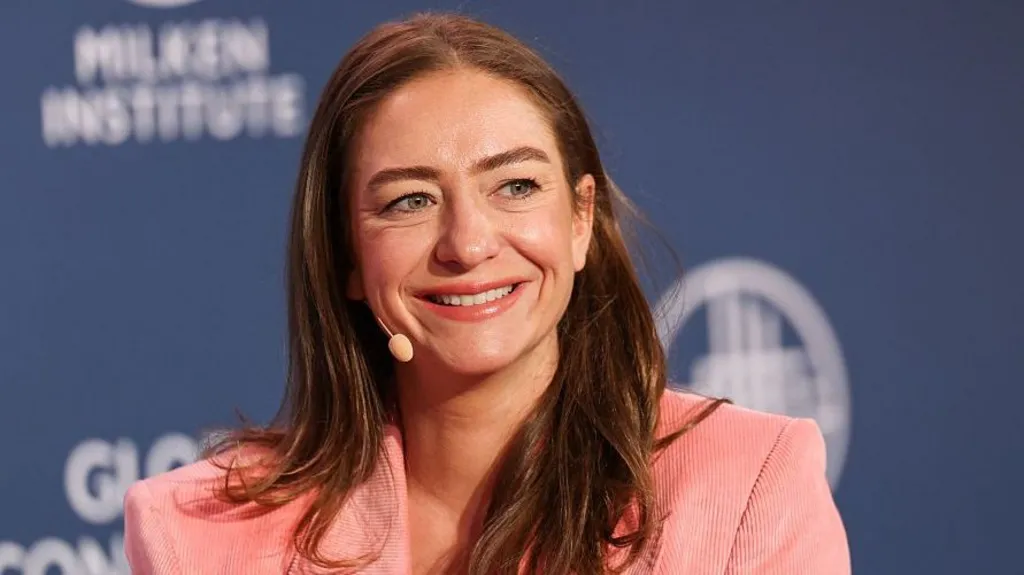
Bumble stock exploded on Wall Street after reports revealed the famous dating platform is in deep negotiations to sell itself and go private in a deal worth roughly $1 billion.
Shares of Bumble Inc. surged nearly 50% during a frantic trading session on Monday, climbing from a Friday close of $2.54 to peak near $3.97 before settling around $3.80. The sudden buying spree marked the single largest one-day gain in the company’s history. Over 17 million shares swapped hands, which is more than seven times the usual trading volume.
Investors who watched the stock bleed value for three straight years suddenly rushed back in. The spark came from reports first broken by The Wall Street Journal and confirmed by Reuters, disclosing that a Silicon Valley investment firm named Ithaca Holdings is working on an agreement to buy Bumble outright.
A purchase price near $1 billion would represent an eye-popping premium of nearly 200% over Bumble’s market value just before the weekend, when the company was valued at roughly $335 million.
Negotiations are reportedly far along, and an announcement could land within days if talks do not fall apart. For Bumble, this buyout represents a dramatic rescue attempt following a painful collapse in user growth and market value. For millions of people using dating apps, it signals a massive turning point in how online romance operates.
The $0 Secret To Launching Your Entire Online Empire
Why pay hundreds every month for separate software? Build funnels, send emails, and make sales with Systeme.io completely free.
Get Started For $0Free Forever • No Credit Card Needed • Beginner-Friendly
What Just Happened to Bumble on Wall Street?
The sudden stock jump took Wall Street by surprise because Bumble has spent the past few years in a downward spiral.
Before this takeover report surfaced, Bumble traded near its lowest point ever. Investors had largely written off the platform as younger singles abandoned paid subscriptions and complained about swiping burnout. At its close on Friday, October 9, 2026, the entire business was worth barely $335 million on the Nasdaq.
When news broke that Ithaca Holdings was willing to pay close to $1 billion to take the company private, traders rushed to buy every share they could find. The stock jumped 46% right away and touched a high above $3.90 per share.
A buyout price of $1 billion sounds massive, but long-time market watchers know it tells a bittersweet story. When Bumble went public in February 2021, the company debuted at an incredible $14 billion valuation. Its shares traded above $70 each. Sitting near $3.80 today, the company is still down more than 90% from its all-time high.
Even so, for shareholders trapped in a multi-year slump, an offer that nearly triples Friday’s market valuation is the best news they have heard in years.
Who Is Ithaca Holdings and Why Do They Want Bumble?
The firm looking to buy Bumble is Ithaca Holdings, a new investment vehicle created by experienced Silicon Valley heavyweights.
Ithaca Holdings was founded by Ravi Gupta, a former partner at legendary venture capital firm Sequoia Capital, and John Hegeman, a former senior executive at Meta. Both executives spent years studying user behavior, software monetization, and digital engagement.
Unlike traditional private equity firms that buy struggling businesses simply to cut staff and strip costs, Ithaca Holdings reportedly wants to use advanced technology and artificial intelligence to rebuild the product from the ground up.
The founders of Ithaca believe that dating apps are not dying because people do not want love. Instead, they believe the current apps are simply broken, repetitive, and outdated. Ithaca sees Bumble as an undervalued brand with global recognition that can serve as a launchpad for next-generation consumer apps.
If the buyout succeeds, taking Bumble off the public stock market gives the team room to make radical changes. Public companies have to report their numbers every three months. When profits drop, Wall Street punishes the stock. In private hands, Bumble can test bold new features, ditch unpopular revenue models, and fix its core mechanics without the constant pressure of daily stock tickers.
The Whitney Wolfe Herd Factor: What Happens to the Founder?
A central detail in the reported deal is that Bumble founder Whitney Wolfe Herd is not walking away.
Wolfe Herd founded Bumble in 2014 after leaving Tinder, which she had also co-founded. She built Bumble on a simple rule that changed the industry: women had to make the first move. The concept solved a major complaint on other apps, where women felt bombarded by unwanted, aggressive messages.
The formula worked wonders. Bumble became a global brand and made Wolfe Herd one of the youngest self-made female billionaires when the company held its IPO in 2021.
Reports indicate that Wolfe Herd plans to roll over a portion of her personal equity into the new private company and remain closely involved in the business.
Her continued presence provides stability. Wolfe Herd understands the brand identity better than anyone else. While she stepped aside from the CEO position for a period to let former Slack executive Lidiane Jones run day-to-day operations, Wolfe Herd remains the public face of Bumble. Having her partner with tech veterans like Gupta and Hegeman shows that the takeover is less of a hostile buyout and more of a collaborative rescue plan.
Send, Spend & Hold Money Worldwide Without Hidden Fees
Transfer money internationally at the real exchange rate and hold 40+ currencies in one account.
Open a Wise AccountMid-market rate • Fast transfers • 40+ currencies
This is not the first time a well-known brand has explored high-stakes buyout talks after falling on hard times. We saw similar drama when a massive PayPal takeover deal collapsed after heated negotiations, showing just how fragile these talks can be until the final papers are signed.
The Fall From $14 Billion: How Bumble Got Here
To understand why Bumble is accepting a $1 billion takeover, you have to look at how far the business fell from its peak.
During 2020 and 2021, dating apps saw unprecedented traffic. Millions of people stayed home and relied on their phones to meet people. Bumble raised billions in its public debut, and its stock price rocketed to over $75.
Soon after, reality hit hard. As normal social life resumed, people grew tired of staring at screens. Bumble started facing severe headwinds that slowly eroded its business model:
1. The Death of the Subscription Upsell
For years, dating apps generated cash by selling premium features like profile boosts, super-swipes, and unlimited likes. But as inflation squeezed budgets worldwide, users began questioning those charges. Paying $30 to $50 a month just to see who liked your profile started to feel unreasonable, prompting many people to learn how to get a refund for app subscriptions and cancel their memberships entirely.
2. Dating App Fatigue
Users across the internet began talking openly about burnout. Swiping through hundreds of faces felt like a chore rather than an exciting adventure. Conversations frequently went nowhere, ghosting became standard behavior, and dates rarely materialized. The entire process began feeling transactional and exhausting.
3. Gen Z Lost Interest
Older millennials made Bumble and Tinder massive hits. However, Gen Z approached romance with a very different mindset. Younger singles often prefer meeting people through shared interests, group activities, or casual social media platforms like TikTok and Instagram rather than dedicated dating apps.
4. A Failed App Redesign
In early 2024, Bumble tried to refresh its product by introducing Opening Moves, a feature that allowed women to set a pre-written prompt for men to answer first. The change was meant to reduce pressure on female users, but critics claimed it watered down Bumble’s biggest selling point. Many users felt the app had simply turned into another version of Tinder.
As user growth stalled and paying users dropped quarter after quarter, Bumble had to cut around 30% of its workforce to preserve cash. Wall Street lost faith, and the stock tumbled until it reached rock bottom in late 2026.
What Does Ithaca Holdings Plan to Do With Bumble?
Ithaca Holdings is not buying Bumble just to run it the same old way. The new owners want to transform Bumble into a technology-driven dating network powered by artificial intelligence.
The $0 Secret To Launching Your Entire Online Empire
Why pay hundreds every month for separate software? Build funnels, send emails, and make sales with Systeme.io completely free.
Get Started For $0Free Forever • No Credit Card Needed • Beginner-Friendly
Many executives in tech believe artificial intelligence could solve dating fatigue by acting as a personal wingman. Instead of forcing users to scroll endlessly through endless photos, AI agents could evaluate personal communication styles, shared values, and daily routines to recommend highly compatible matches.
Whitney Wolfe Herd herself made headlines earlier when she suggested that people might soon have their own AI agents go on mock dates with other users’ AI agents to see if two people are actually compatible before setting up a real conversation.
While that idea sounds bizarre to some, tech leaders point out that people already use artificial intelligence for daily tasks, from work projects to personal productivity. Recent consumer trends show that while some users are limiting basic AI use, interest in specialized, practical software that saves time remains sky-high.
If Ithaca Holdings can integrate genuine matching intelligence into Bumble—rather than just slapping automated chatbots onto the screen—they could fix the frustrating trial-and-error cycle that makes modern dating so exhausting.
Why Big Takeovers Are Shaking Up the Consumer Tech Industry
Bumble is not the only company rethinking its future through mega-deals. Across the business world, legacy brands and digital services are teaming up or seeking private equity backers to survive rapid market shifts.
We saw a similar phenomenon when rumors emerged that Starbucks explored buying Chipotle, demonstrating how even consumer giants look for bold mergers when customer spending habits shift.
In tech, companies that went public during the 2020-2021 tech boom at sky-high valuations are finding it difficult to stay independent. When share prices drop, raising capital becomes expensive, and employees whose compensation relies on stock options leave for greener pastures.
Going private solves those headaches:
- No Quarterly Earnings Calls: Company leadership does not have to worry about meeting immediate three-month revenue expectations set by Wall Street analysts.
- Radical Restructuring: Management can rebuild the core app experience, even if it hurts short-term revenue, without causing panic on the stock exchange.
- Capital Support: Wealthy backers can invest heavy sums into server infrastructure, machine learning models, and product engineering.
- Talent Retention: Private equity firms can offer fresh equity incentives designed to attract top-tier Silicon Valley developers.
By pulling Bumble off the public stock market at a $1 billion valuation, Ithaca Holdings gets an established platform with tens of millions of active users for a fraction of what it would cost to build from scratch.
The Cultural Problem: Can Software Really Fix Modern Dating?
While investors are celebrating the financial side of this deal, everyday singles are asking a much simpler question: will Bumble actually get any better?
The core problem facing dating apps is not just technical; it is cultural. Over the past decade, swiping apps transformed romance into a numbers game. When you believe you have unlimited options in your pocket, every person becomes replaceable. The smallest disagreement or minor flaw leads people to swipe left and look for the next option.
This constant search for perfection creates shallow interactions. In cultural discussions around the world, critics frequently point out how digital platforms have reduced complex human connections to superficial transactions. For example, recent debates sparked by media personalities like Toke Makinwa on what men bring to relationships illustrate just how complicated modern romantic expectations have become. Similar conversations about marriage timing and young relationships show that singles are questioning traditional paths more than ever.
If Bumble only uses its new $1 billion buyout to introduce more aggressive paywalls or push artificial prompts, users will continue to leave. But if the new owners prioritize genuine community, verified human profiles, and fewer, higher-quality introductions, they could spark an authentic revival.
What Current Bumble Users Should Expect Next
If you have the Bumble app installed on your phone right now, you might wonder what happens to your profile, your matches, and your subscription.
In the immediate term, nothing will change overnight. Takeover deals take several weeks or months to formally close. Regulators must review the acquisition, shareholders must vote on the terms, and legal teams must complete paperwork.
Once the deal closes and Ithaca Holdings takes full control, here are the changes users are most likely to experience:
Changes to Matchmaking Algorithms
Expect the app to move away from pure appearance-based swiping. Bumble will likely test features that ask users about daily habits, real passions, and personal boundaries to pair people with compatible matches before they swipe.
Smarter Anti-Ghosting Features
Ghosting ruins the dating app experience for almost everyone. Ithaca could introduce features that limit how many active conversations a person can juggle at one time, encouraging users to focus on meaningful chats rather than collecting matches they never speak to.
Better Profile Verification
Bots, scammers, and fake profiles have infested dating apps for years. Advanced photo and voice verification will likely become mandatory to ensure every person you match with is a real human living in your area.
A New Pricing Model
The aggressive $40-per-month subscriptions could be restructured. The company might shift toward lower micropayments for specific real-world perks, or introduce event-based matching tied to local experiences and meetups.
Frequently Asked Questions (FAQs)
Why did Bumble shares jump nearly 50% in one day?
Bumble shares soared because news broke that investment firm Ithaca Holdings is in advanced talks to buy Bumble and take it private in a deal valuing the company at roughly $1 billion. This offer represented a massive premium over Bumble’s prior market value of about $335 million.
Who is buying Bumble?
The prospective buyer is Ithaca Holdings, a Silicon Valley investment firm founded by former Sequoia Capital partner Ravi Gupta and former Meta executive John Hegeman.
Is the Bumble takeover deal finalized?
Not yet. The companies are in advanced negotiations, and while an official agreement could be announced shortly, takeover talks can still stall or fall apart before legal contracts are signed.
What will happen to Bumble founder Whitney Wolfe Herd?
Reports state that Whitney Wolfe Herd will roll over a portion of her personal equity stake into the new private company and remain closely involved with Bumble’s leadership and future strategy.
Will Bumble still be available to download?
Yes. The app will continue operating normally for existing and new users. If the takeover completes, the only difference is that Bumble will be owned privately instead of trading shares publicly on the stock exchange.
Why was Bumble struggling before this buyout news?
Bumble struggled due to dating app fatigue, declining paying subscribers, younger generations preferring to meet people organically or through social media, and an unsuccessful app redesign that confused its user base.
The Road Ahead for Bumble and the Online Romance Industry
The sudden surge in Bumble shares shows that investors still see massive untapped value in the digital romance market. Going private at a $1 billion valuation offers Bumble a rare second chance. It frees the platform from the harsh gaze of public quarterly earnings and gives its leadership the breathing room needed to fix broken mechanics, rebuild trust with frustrated singles, and reinvent how technology helps people connect.
Whether an artificial-intelligence revamp can truly cure dating burnout remains an open question, but the yellow hive is officially preparing for its biggest makeover yet.
Have thoughts on Bumble’s $1 billion buyout or personal experiences with dating app burnout? Reach out directly through the WhatsBuzzn Contact Page and share your story.
Stay connected with the latest trending news, business updates, and viral cultural debates across our official social channels:
- Follow us on Instagram
- Like our page on Facebook
- Join the conversation on X (formerly Twitter)
