
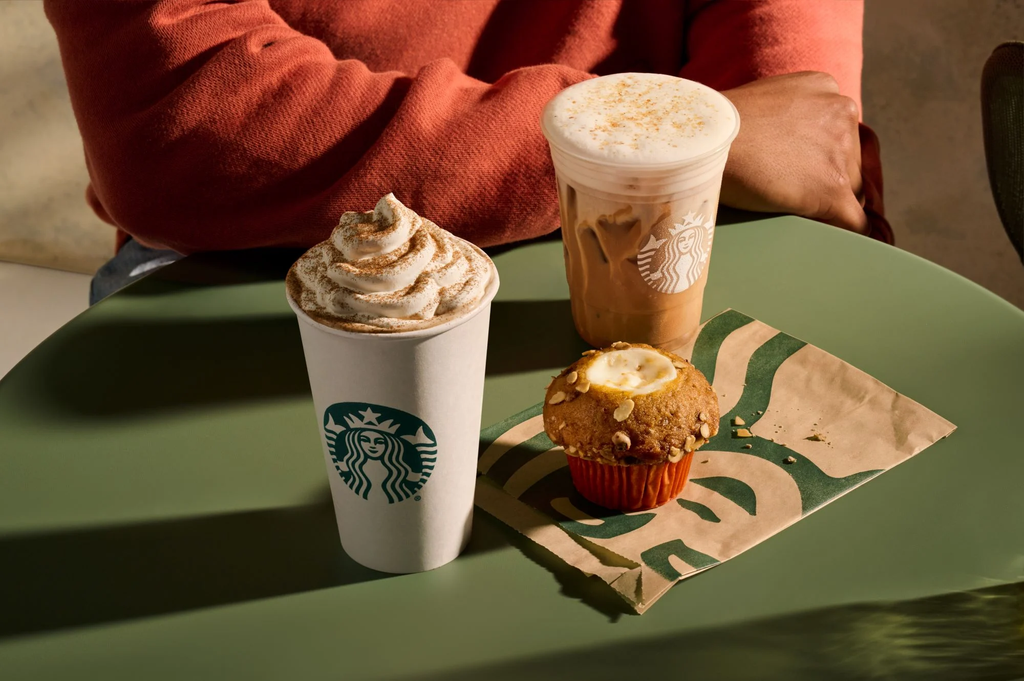
Starbucks has been quietly looking into buying Chipotle Mexican Grill in what would be the biggest restaurant deal in history. A report from the Financial Times revealed that the coffee giant has worked with financial advisers over recent months to explore acquiring the popular burrito chain. With Chipotle valued at nearly $41 billion, this potential buyout has sent shockwaves through the fast-food world and Wall Street alike.
If this deal actually goes through, it would shatter every record in the food and beverage industry. The previous record for a restaurant takeover was set back in 2014 when Burger King bought Canadian coffee chain Tim Hortons for $11.4 billion. A Starbucks takeover of Chipotle would be nearly four times larger than that.
While no formal offer has been officially announced, the rumor alone was enough to move billions of dollars in stock market value within minutes. Investors, food lovers, and industry experts are all asking the exact same question: why would a coffee company want to buy a burrito maker, and could a combination like this actually work?
How the Takeover Rumor Broke the Internet
The news broke when report details surfaced showing that Starbucks leadership had spent months analyzing Chipotle as a potential acquisition target. Starbucks consulted high-level financial advisers to review Chipotle’s business model, real estate holdings, financial health, and growth opportunities.
In corporate speak, “exploring a takeover” means a company is running numbers behind closed doors. They look at how much money it would cost, how much debt they would need to take on, and whether combining the two businesses would generate more profit. It does not mean a contract is signed, but it shows that top decision-makers at Starbucks were serious enough to spend real time and resources looking into it.
The $0 Secret To Launching Your Entire Online Empire
Why pay hundreds every month for separate software? Build funnels, send emails, and make sales with Systeme.io completely free.
Get Started For $0Free Forever • No Credit Card Needed • Beginner-Friendly
The news immediately caught the attention of business analysts around the globe. Many were shocked simply because of the sheer scale of the deal. Chipotle is not a struggling small chain looking for a savior. It is one of the most successful fast-casual restaurant brands in America, running over 4,200 stores and expanding into international markets like South Korea. Combining a $40 billion burrito chain with a coffee titan would create a global mega-company with close to $50 billion in annual revenue.
We have seen giant corporate buyouts make waves across other industries recently. For instance, entertainment fans watched a massive shakeup when Paramount and Warner Bros moved toward a $110 billion merger. But in the restaurant world, a deal of this size is completely uncharted territory.
The Brian Niccol Factor: The Man Standing Between Both Brands
To understand why Starbucks is even considering this move, you have to look at one key person: Brian Niccol.
Brian Niccol is currently the Chief Executive Officer of Starbucks. But before he took the corner office at Starbucks in August 2024, he spent six years as the CEO of Chipotle. During his time at Chipotle, Niccol turned the company into an absolute financial powerhouse. He revamped their food safety protocols, introduced seamless digital ordering channels, built efficient drive-thru lanes called “Chipotlanes,” and drove the stock price to record highs.
When Starbucks started facing serious problems with falling customer numbers, slowing sales, and operational head-winds—leading to widespread talk about whether local Starbucks stores were closing across the country—the Starbucks board knew they needed a proven leader. They poached Niccol from Chipotle, giving him a massive compensation package to lead a complete turnaround.
Because Niccol ran Chipotle for years, he knows the company inside and out. He knows its profit margins, its supply chains, its executive team, and its growth weaknesses. To Niccol, Chipotle is not an unfamiliar asset; it is a business he spent years building. That personal connection is the main reason why Starbucks began looking at Chipotle as an acquisition target.
However, this unique setup also creates complicated questions. Niccol still holds significant stock options and financial interest tied to Chipotle’s performance. When news broke that Starbucks might buy Chipotle, critics quickly pointed out the potential conflict of interest. Would a takeover benefit Starbucks shareholders, or would it primarily enrich the executives holding stock in both companies?
How Wall Street Reacted to the Takeover News
The stock market reacted instantly to the report, and the two stocks went in completely opposite directions.
Chipotle stock jumped by as much as 6.5% to 7% shortly after the news broke. Investors in Chipotle were thrilled because acquisition offers usually come with a premium price tag. If Starbucks decides to buy Chipotle, it will likely have to pay higher than the market rate for every share, giving current Chipotle stockholders a quick payout.
Starbucks stock, on the other hand, dropped by 3% to 5% almost immediately. Starbucks investors were far less excited about the idea. Buying a $40 billion business requires a massive amount of cash, new stock issuance, or heavy corporate borrowing. Wall Street worries that taking on that much financial stress could weigh Starbucks down at a time when the coffee chain already has its hands full trying to fix its core store operations.
Market reactions like this are fairly common when massive acquisition rumors leak. You can see similar patterns in other major corporate stories, like when PayPal stock dropped 15% after a $53 billion takeover deal collapsed. Investors tend to get nervous when a company plans to spend tens of billions of dollars on a big risky purchase instead of focusing on its main business.
The Case For the Merger: Why Starbucks Might Want Chipotle
On paper, combining Starbucks and Chipotle seems like an odd pairing. One sells iced lattes and cake pops, while the other sells steak burritos and guacamole. But when you look deeper at business strategy, you can see why some leaders think it could be a winning combination.
1. Dominating Morning, Lunch, and Dinner
Starbucks does most of its business in the morning. Millions of people visit Starbucks between 6:00 AM and 10:30 AM to grab their daily coffee and breakfast sandwich. But after midday, Starbucks store traffic usually slows down significantly.
Chipotle has the exact opposite customer flow. Almost nobody goes to Chipotle for breakfast, but the chain experiences massive rushes during lunch (11:30 AM to 2:00 PM) and dinner (5:00 PM to 8:00 PM). By bringing both brands under one corporate roof, the combined company would dominate every single mealtime of the day.
2. Real Estate and Location Power
Finding great restaurant locations with high foot traffic and drive-thru capability is extremely difficult and expensive. Starbucks and Chipotle often compete for the exact same real estate in shopping plazas and roadside centers.
Send, Spend & Hold Money Worldwide Without Hidden Fees
Transfer money internationally at the real exchange rate and hold 40+ currencies in one account.
Open a Wise AccountMid-market rate • Fast transfers • 40+ currencies
If the two companies merge, they could share real estate teams, negotiate better lease deals with landlords, and even build side-by-side stores. In some locations, they could create dual-concept buildings where customers can grab coffee on one side and a burrito on the other.
3. International Growth
Starbucks is a massive global brand operating in over 80 countries. It knows how to deal with international regulations, overseas suppliers, and global marketing.
Chipotle, despite its huge success in North America, has struggled to expand internationally for years. It currently operates fewer than 100 locations outside the United States and Canada. Starbucks could use its massive global infrastructure to open thousands of Chipotle stores across Europe, Asia, and Latin America far faster than Chipotle could ever do on its own.
4. Supply Chain and Digital Apps
Both brands cater to a very similar customer base: suburban families, young professionals, and college students who value convenient digital ordering. Combining their rewards programs and tech infrastructure could create one of the largest customer loyalty networks in the entire food industry.
The Skeptics’ View: Why Analysts Say the Deal Makes “No Sense”
While the potential benefits sound great in theory, many industry experts and Wall Street analysts remain extremely skeptical. Some analysts went so far as to state that the proposed deal makes virtually no sense from an operational standpoint.
“Starbucks Doesn’t Have a Grill”
Melius Research analyst Jacob Aiken-Phillips pointed out the fundamental physical difference between the two businesses in a interview with financial media. He bluntly noted: “It’s not like Starbucks has a grill.”
Starbucks stores are designed around espresso machines, blenders, warming ovens, and fast service counters. They do not have commercial kitchen hoods, open flame grills, or fresh food preparation lines. Chipotle, on the other hand, cooks fresh meats, steams rice, and chops fresh produce on-site every single day. The operational skills needed to run a coffee shop are completely different from running a fresh kitchen.
Starbucks Has Enough Problems of Its Own
Starbucks is currently in the middle of an intensive internal turnaround. The company has struggled with long customer wait times, complex customized drink orders, rising drive-thru frustration, and higher labor costs.
Critics argue that Brian Niccol was hired specifically to fix Starbucks, not to go shopping for other businesses. Taking on a $41 billion acquisition would distract top management from solving the clear problems inside Starbucks stores today. If you want to understand how Starbucks grew into a global force in the first place, check out the crazy true story of how Starbucks built a multibillion-dollar empire. Maintaining that empire requires total focus on coffee, not managing a taco line.
Regulatory and Antitrust Obstacles
Even if both companies agreed on a price, getting approval from government regulators would be a huge headache. Modern trade and consumer watchdogs actively monitor large corporate concentration. Combining two of the biggest food chains in America would draw intense scrutiny from federal agencies concerned about reduced competition and rising consumer prices.
The $0 Secret To Launching Your Entire Online Empire
Why pay hundreds every month for separate software? Build funnels, send emails, and make sales with Systeme.io completely free.
Get Started For $0Free Forever • No Credit Card Needed • Beginner-Friendly
What This Potential Deal Means for Everyday Customers
If Starbucks eventually buys Chipotle, what would actually change for you when you walk in to order food?
In the short term, not much would change. Both brands are so powerful and well-known that Starbucks would keep Chipotle operating under its own name and menu. You would not see Starbucks coffee poured inside Chipotle stores overnight, nor would you see burritos served at your local Starbucks drive-thru window.
Over the long term, however, consumers could notice several changes:
- Unified Rewards Programs: You might be able to earn Starbucks stars when buying a burrito, or redeem Chipotle rewards points for a cold brew coffee.
- Shared Drive-Thru Hubs: Developers could build more side-by-side Starbucks and Chipotle drive-thrus, making it easier to grab morning coffee and lunch in one quick trip.
- Faster International Expansion: If you live outside North America, a Starbucks takeover could mean Chipotle restaurants opening in your local city much sooner.
- Menu Price Adjustments: Mega-mergers cost money, and companies often raise menu prices slightly to pay off acquisition debt.
Frequently Asked Questions
Is Starbucks officially buying Chipotle right now?
No, Starbucks has not submitted a formal buyout offer or completed a deal. Reports indicate that Starbucks leadership and financial advisers explored the idea behind closed doors, but no official agreement has been signed.
How much would it cost for Starbucks to buy Chipotle?
Chipotle currently has a market valuation of around $39 billion to $41 billion. Including a standard takeover premium for shareholders, Starbucks would likely have to pay over $45 billion to complete the transaction.
Why did Starbucks stock drop after the news came out?
Investors are concerned about the massive cost and debt involved in buying Chipotle. They worry that a huge takeover would distract Starbucks leadership from fixing current problems within its existing coffee stores.
Why is Brian Niccol so important to this story?
Brian Niccol is the current CEO of Starbucks and the former CEO of Chipotle. Having successfully led Chipotle for six years, he understands Chipotle’s business model intimately, which is why Starbucks explored reuniting the two brands under his leadership.
Would Chipotle stores change their menus if Starbucks buys them?
It is very unlikely that Chipotle menus would change dramatically. Chipotle’s brand relies heavily on fresh mexican food, while Starbucks focuses on beverages. Both brands would almost certainly keep their distinct menus and separate store formats.
The idea of Starbucks acquiring Chipotle shows just how ambitious big restaurant brands have become as they search for new growth opportunities. Combining coffee dominance with fresh Mexican food could create an unmatched empire, but the financial price tag and operational differences present massive hurdles.
Whether this exploration leads to a historic merger or remains a fascinating headline in corporate history, it highlights how fast the restaurant landscape is shifting. To stay updated on breaking business news, food trends, and global stories, check out Whatsbuzzn about page to see what we cover, or get in touch through our contact page. You can also follow along and join the conversation on our social channels on Instagram, Facebook, and X (formerly Twitter).
