
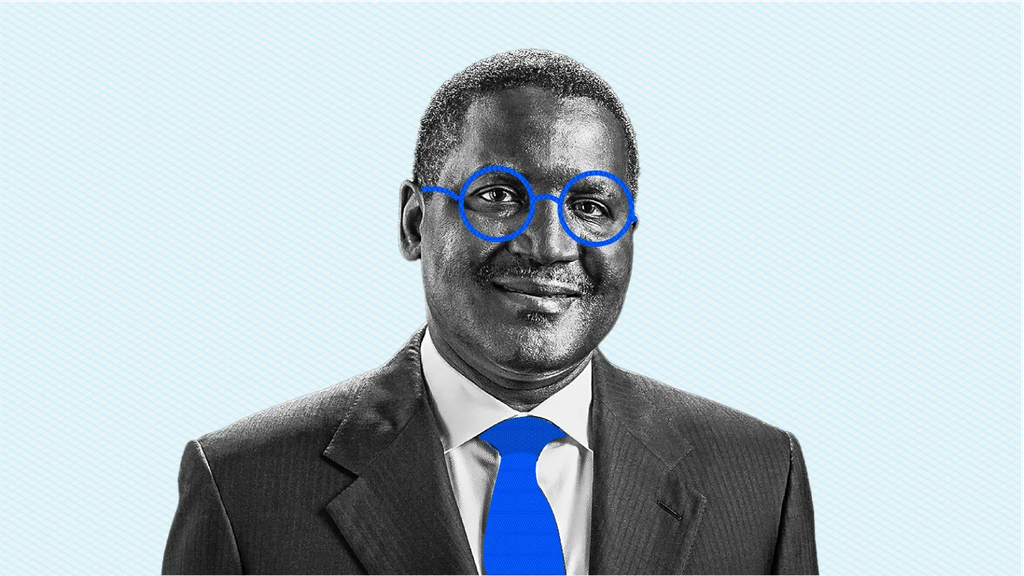
Africa’s richest man is doing something that has never been done on this scale before. Dangote Petroleum Refinery has officially opened up nearly 20% of its massive $1.6 billion initial public offering (IPO) directly to investors across East Africa. This bold move invites buyers in Kenya, Uganda, and neighboring countries to grab up to $300.4 million worth of shares in what is already the largest single-train oil refinery on the planet.
For years, when big African infrastructure projects needed cash, executives packed their bags and flew to London, New York, or Hong Kong. They sold off equity to foreign mega-funds while regular people across the continent watched from the sidelines. This time, the playbook is completely different. The refinery is actively inviting everyday African investors to become co-owners in a powerhouse project designed to refine 700,000 barrels of crude oil every single day.
Financial regulators in Nairobi and Kampala worked at top speed to clear the path for this deal. Kenya’s Capital Markets Authority approved a special structure called Global Depositary Receipts. This allows local investors to trade shares directly on the Nairobi Securities Exchange without jumping through endless foreign exchange hoops. Uganda followed right behind, clearing the green light for local brokers to distribute the offer to eager buyers.
The deal is already generating major headlines across regional financial outlets like Business Insider Africa and Nairametrics. Beyond the sheer money involved, this cross-border listing is rewriting how wealth is built and kept inside Africa.
What Makes the Dangote Refinery IPO Such a Big Deal?
To understand why everyone is talking about this stock offer, you have to look at the sheer scale of the facility itself. Built along the coastline of Lekki in Lagos, Nigeria, the Dangote Petroleum Refinery is a $17 billion engineering marvel. It was constructed to solve a massive problem that has plagued West Africa for decades: exporting raw crude oil overseas only to buy back expensive refined fuel like gasoline, diesel, and aviation fuel.
The $0 Secret To Launching Your Entire Online Empire
Why pay hundreds every month for separate software? Build funnels, send emails, and make sales with Systeme.io completely free.
Get Started For $0Free Forever • No Credit Card Needed • Beginner-Friendly
When the refinery opened, it disrupted old global trade routes overnight. Instead of relying on European fuel shipments, Nigeria began supplying its own domestic market and shipping refined products to surrounding nations. But Aliko Dangote isn’t stopping at satisfying local demand.
The company launched this historic $1.6 billion public share sale to raise fresh capital for a massive expansion project. The goal is to double the plant’s refining capacity from 700,000 barrels per day up to an incredible 1.4 million barrels per day. That kind of output would solidify the refinery as an absolute powerhouse in the global energy market.
By branding this transaction as a true “people’s IPO,” Dangote Group wants to make sure that the financial gains from African energy production stay right here on African soil. Instead of sending all dividend payments overseas to foreign institutions, local buyers get a seat at the table.
How Kenya and Uganda Opened Their Doors so Quickly
Getting financial regulators from different African countries to agree on a single cross-border share sale used to take years of endless paperwork and bureaucracy. This time, government leaders and stock market officials moved with rare speed to make it happen.
Kenya’s Capital Markets Authority recognized early on that local retail and institutional investors were hungry for a piece of the action. They approved a Global Depositary Receipt program that connects the Nairobi Securities Exchange directly to the share offer in Nigeria. Major investment companies like Renaissance Capital Kenya and Lagos-based Renaissance Capital Africa teamed up to facilitate the transactions, while Stanbic Bank stepped in as the main receiving bank and custodian.
Under the official agreement approved by Kenyan regulators, Dangote Petroleum must keep a minimum public free-float of 15% across the local receipt pool. This rule guarantees that there will always be enough shares available for active buying and selling on the local market rather than having all the stock locked away in private vaults.
In Uganda, market regulators granted full permission for local financial institutions to market, promote, and sell these shares directly to citizens. That means someone sitting in Kampala or Jinja can contact their local stockbroker today and place an order for one of the biggest industrial projects in modern history.
Global Depositary Receipts Explained in Simple English
Hearing financial terms like “Global Depositary Receipts” or “GDRs” might sound complicated, but the core idea is actually very simple.
Think of a GDR as a official stand-in certificate. When a foreign company wants to sell shares in your country, it doesn’t always move the actual physical stock certificates across the border. Instead, a trusted international bank holds the original company shares safely in a vault. Then, that bank issues official local receipts that represent those underlying shares.
These receipts trade on your local stock exchange just like any normal domestic share. You buy them in your local currency, you hold them in your local investment account, and you sell them whenever you want on your home stock exchange.
Here is why this structure is a major win for everyday buyers:
- You do not need to open a bank account in Nigeria or deal with complex international wire transfers.
- You bypass tricky foreign currency exchange headaches because you trade through local brokerage channels.
- You enjoy full legal protection under your own nation’s stock market regulations and capital market authorities.
- You still get equal rights to share in the growth and financial earnings of the underlying business.
It builds a direct bridge between West African industrial production and East African capital, making investing simple and accessible.
Why This Regional Offer Matters for the Whole Continent
For generations, economic discussions about Africa focused heavily on trade barriers, currency challenges, and a lack of regional cooperation. Projects like this IPO prove that real economic integration is moving away from political speeches and directly into practical action.
When East African investors put their money into a West African refinery, it creates a shared economic interest. Fuel security in Kenya and Uganda becomes directly linked to manufacturing success in Nigeria. As trade under regional economic agreements expands, having cross-listed companies helps build liquidity across different stock exchanges.
It also changes the way global financial managers view African capital markets. Historically, international traders viewed stock exchanges in Nairobi, Lagos, or Kampala as tiny, isolated pools. By linking these platforms together for a single $1.6 billion offer, the continent creates a unified financial network capable of funding massive infrastructure projects internally.
Send, Spend & Hold Money Worldwide Without Hidden Fees
Transfer money internationally at the real exchange rate and hold 40+ currencies in one account.
Open a Wise AccountMid-market rate • Fast transfers • 40+ currencies
This deal sets a precedent for other major African corporations. Tomorrow, we could see East African tech firms or South African telecom leaders listing shares directly across West and North Africa using similar regulatory frameworks.
Special Perks and Incentive Initiatives
To make this stock sale even more appealing, the company introduced creative incentives to encourage wide participation, especially among younger buyers.
In Nigeria, the Aliko Dangote Foundation launched a unique Share Grant Initiative. Under this program, eligible university students who apply to buy shares in the refinery IPO are granted an extra 10 shares completely free of charge. The goal is to build an early habit of investing and financial ownership among young people who are usually excluded from major corporate wealth creation.
While student grants are tied to local foundation initiatives, the overall atmosphere around the share sale across East Africa focuses heavily on retail investor access. Stockbrokers in Kenya and Uganda are keeping minimum investment thresholds low so that teachers, small business owners, tech workers, and first-time investors can comfortably take part alongside massive corporate pension funds.
The Real Risks and Rewards You Should Keep in Mind
Every investment carries real risks, and it is crucial to look at both sides of the coin before putting your hard-earned cash into any stock.
The Potential Rewards
- Massive Market Demand: Fuel is an essential commodity across Africa. As populations grow and industries expand, the need for refined petrol, diesel, and aviation fuel will continue to rise.
- Capacity Expansion: The money raised from this IPO is targeted directly at doubling refining capacity to 1.4 million barrels per day, which could drive future revenue growth.
- Market Leadership: The refinery operates as a dominant player in the region, giving it strong pricing power and cost advantages over imported fuels.
The Real Risks
- Global Oil Price Volatility: The refinery’s profits depend heavily on global crude oil prices and the margins between crude costs and refined product prices.
- Currency Fluctuations: While you buy GDRs in local currency, the underlying refinery revenues operate in a mix of Nigerian Naira and US Dollars. Sharp shifts in exchange rates can impact final returns.
- Operational and Regulatory Risk: Running the world’s largest single-train refinery involves complex supply chain management, maintenance schedules, and navigating government policies across multiple African nations.
Taking time to evaluate your own personal financial goals, your budget, and how long you plan to hold your shares is always the smartest first step before making any financial commitment.
How to Follow Financial News and Stay Informed
Keeping up with fast-moving business developments across the continent shouldn’t feel like hard work. Finding reliable updates made easy to read is essential whether you are tracking stock markets, corporate news, or trending cultural stories.
You can learn more about our mission to keep readers informed by visiting our about us page. If you ever have questions, story suggestions, or feedback for our editorial team, feel free to drop us a note through our contact page.
We also post regular news updates, quick recaps, and visual breakdowns across our official social channels. Join our growing online community to stay in the loop:
Frequently Asked Questions
How much money is the Dangote Refinery trying to raise in total?
The total initial public offering (IPO) is valued at $1.6 billion. Out of this amount, nearly 20%—worth up to $300.4 million—is specifically allocated for investors across East Africa.
The $0 Secret To Launching Your Entire Online Empire
Why pay hundreds every month for separate software? Build funnels, send emails, and make sales with Systeme.io completely free.
Get Started For $0Free Forever • No Credit Card Needed • Beginner-Friendly
Which East African countries can participate in the IPO?
Kenya and Uganda are the primary East African nations leading the way. Financial regulators in both countries have cleared official regulatory pathways for local investors to purchase shares easily through local brokerage firms.
How do Kenyan investors buy these shares on their local exchange?
Kenyan investors buy the shares through Global Depositary Receipts listed directly on the Nairobi Securities Exchange. Local firms like Renaissance Capital Kenya and Stanbic Bank facilitate the process, allowing buyers to trade in Kenyan Shillings.
What will the money raised from the IPO be used for?
The funds raised from this share sale will be used to double the Dangote Refinery’s production capacity from its original 700,000 barrels per day up to 1.4 million barrels per day.
Do I need a Nigerian bank account to buy the East African offer?
No. Because the East African tranche uses Global Depositary Receipts, local investors can buy and hold the investment using their regular domestic stock brokerage accounts in Kenya or Uganda.
Is this stock offer suitable for short-term trading or long-term holding?
Most financial analysts view infrastructure investments like oil refineries as long-term wealth builders. While share prices can go up or down in the short term, long-term returns depend on the refinery’s ongoing operations, fuel sales, and dividend payouts over several years.
This historic cross-border share sale marks a genuine turning point for African capital markets. By linking West African mega-infrastructure directly with East African investor savings, the continent is demonstrating that it has the financial power, regulatory flexibility, and ambition to fund its own future. Whether you are a seasoned stock trader or someone looking at your very first investment opportunity, watching how this $1.6 billion deal unfolds will give you a front-row seat to modern African economic history in the making.
