
Iran has delivered a blunt message directly to the United States and the international community: military firepower and economic sanctions will never end the escalating conflict in the Middle East. Speaking to a room full of foreign ambassadors in Tehran, Iranian Foreign Minister Abbas Araghchi declared that the ongoing war between Washington and Tehran cannot be resolved on the battlefield. He insisted that the only path out of the crisis is honest diplomatic negotiation built on fairness, justice, and mutual respect.
The announcement comes at a critical moment in the conflict. Months of airstrikes, naval blockades, and missile attacks across key international trade routes have left diplomats struggling to find common ground. With peace talks currently stalled and military tensions running high, Iran’s diplomatic top chief warned that any fresh military aggression from the US or its allies would trigger an even harsher response than before.
As global oil prices wobble and shipping lanes remain on high alert, world leaders are watching closely to see if Washington will choose to double down on military force or return to the negotiating table.
What Iran’s Foreign Minister Said to World Ambassadors
Addressing foreign diplomats gathered in the capital, Abbas Araghchi made Tehran’s stance clear. He stressed that neither military confrontation nor extra economic pressure would force Iran to bow to American demands.
“There is no military solution, nor any solution based on new sanctions,” Araghchi told the diplomats, according to reports from official news agencies. He emphasized that the ongoing conflict, which escalated dramatically earlier this year, can only be resolved through dialogue that respects national sovereignty and international law.
The $0 Secret To Launching Your Entire Online Empire
Why pay hundreds every month for separate software? Build funnels, send emails, and make sales with Systeme.io completely free.
Get Started For $0Free Forever • No Credit Card Needed • Beginner-Friendly
Araghchi did not mince words when discussing the possibility of further military actions by American forces. He warned that if Washington chooses to escalate hostilities again, Tehran is fully prepared to defend its territory and interests with unprecedented force.
He noted that Iran has demonstrated both its capability to fight and its willingness to negotiate. However, he insisted that negotiations cannot happen under coercion or through unilateral demands. For diplomatic talks to resume effectively, Tehran expects Washington to treat Iran as an equal partner at the table rather than attempting to enforce terms through armed pressure.
How We Got Here: The 2026 US-Iran Military Escalation
To understand why this diplomatic warning is so important, it helps to look back at how quickly the conflict escalated. Tensions boiled over on February 28, 2026, when coordinated military operations launched a series of heavy strikes targeting strategic infrastructure. Tehran retaliated swiftly by launching waves of long-range drones and precision missiles across the region.
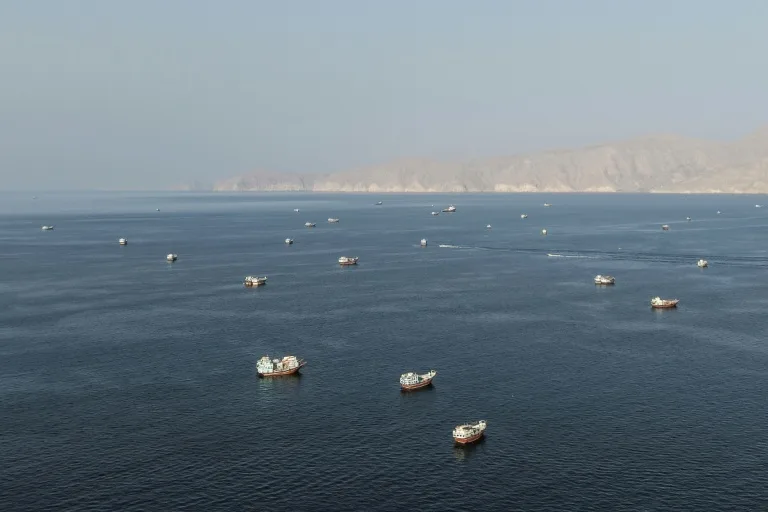
The conflict quickly spread to vital maritime pathways. Iran moved to assert strict control over the Strait of Hormuz, a narrow waterway through which a major portion of the world’s petroleum flows. Commercial vessels attempting to navigate the area faced drone attacks and boarding operations, leading to major disruptions in global shipping and energy transport.
In response, the US military established naval blockades around key Iranian ports and deployed additional carrier strike groups to the region. Reports from defense analysts show that Washington has steadily increased its military posture in the Middle East, moving advanced defense systems and naval assets into position. You can read more about these military deployments in our coverage of how the US sent additional aircraft carriers to the Middle East.
Despite brief diplomatic hopes in June—when both sides agreed to a preliminary framework deal outlining potential peace terms—the agreement broke down following fresh maritime clashes and renewed air raids. Since then, both nations have remained locked in an intense exchange of fire, with diplomatic channels growing increasingly cold.
Why Sanctions and Military Force Haven’t Ended the Conflict
For decades, international powers have relied heavily on economic sanctions to force political shifts in foreign affairs. However, current events demonstrate the severe limits of relying solely on economic punishment and military coercion.
While heavy sanctions have certainly strained local financial markets and restricted international trade, they have failed to force Tehran to surrender its defense capabilities or alter its regional strategy. Instead, economic pressure has hardened political resolve inside Iran and encouraged the country to build stronger trade alliances with non-Western economic blocs like BRICS and regional trading partners.
From a military standpoint, both sides possess strategies that make a clean battlefield victory almost impossible. While the United States holds massive conventional air and naval power, Iran relies on asymmetric warfare capabilities. These include vast inventories of low-cost suicide drones, ballistic missiles, underground military installations, and regional allied networks.
Military historians point out that asymmetric war rarely ends through simple force. A nation using low-cost drones can continuously disrupt multi-billion-dollar military operations and global shipping lanes without needing to win traditional battles. This reality reinforces Araghchi’s point: bullets and bombs can prolong a conflict, but they cannot create a lasting peace agreement.
The Battle for the Strait of Hormuz and Global Oil Markets
One of the main reasons this conflict matters to ordinary people around the world is its direct impact on energy markets. The Strait of Hormuz is widely considered the most vital oil transit choke point on Earth. When military operations threaten tanker traffic through this narrow passage, global energy markets react immediately.
When hostilities expanded into the waterway, daily oil shipments dropped significantly, driving energy costs higher across North America, Europe, and Asia. Higher oil prices translate directly into expensive gasoline at the pump, increased home heating costs, and higher freight fees for everyday groceries and consumer goods.
Even when temporary lulls in fighting occur, shipping companies face skyrocketing insurance premiums to operate near conflict zones. Some maritime operators have chosen to reroute ships around the southern tip of Africa, adding weeks to journey times and millions of dollars in operational costs.
Previous reporting shows that when naval clashes intensify in the Gulf, global energy security becomes extremely fragile. You can explore how earlier rounds of fighting affected international trade in our deep dive into how US-Iran air attacks in the Strait of Hormuz escalated energy concerns.
Political Standoffs in Washington and Tehran
The impasse is not just happening on the high seas; it is deeply tied to domestic politics in both Washington and Tehran.
Send, Spend & Hold Money Worldwide Without Hidden Fees
Transfer money internationally at the real exchange rate and hold 40+ currencies in one account.
Open a Wise AccountMid-market rate • Fast transfers • 40+ currencies
In the United States, the conflict has sparked intense debate on Capitol Hill. Lawmakers are divided over the financial and human costs of extended military engagements in the Middle East. While some political leaders advocate for maximum pressure and stronger military responses, others argue that long-term involvement without a clear exit strategy risks pulling the country into an endless regional war.
Efforts by congressional lawmakers to limit direct executive war powers have faced strong resistance, with legislative votes showing a deeply split political landscape. To learn more about the political battles taking place inside Congress, check out our analysis of why the US Senate blocked war powers resolutions regarding the Iran conflict.
In Tehran, political leaders face internal pressures of their own. Iranian officials must show strength to their public while managing the economic hardships caused by international sanctions and naval blockades. Declaring that Iran will not yield under threat helps government leaders maintain internal stability and signal strength to international allies.
At the same time, the Iranian leadership recognizes that prolonged conflict damages the economy and restricts long-term development. By publicly inviting the US back to negotiations based on “justice and fairness,” Tehran attempts to position itself as a reasonable actor seeking peace while putting the burden of choice back on Washington.
What Iran Means by “Negotiations Based on Justice and Fairness”
When Foreign Minister Araghchi called for negotiations grounded in justice and fairness, he was referring to a specific set of core demands that Iran has maintained throughout peace discussions.
First, Tehran demands the lifting of sweeping economic sanctions that target its energy sector, banking system, and trade networks. Iranian officials argue that previous agreements were undermined when sanctions were reimposed, and they insist on verifiable guarantees that future trade agreements will be honored.
Second, Iran insists on the full restoration of its national sovereignty, including the right to develop peaceful nuclear energy technology and manage its own coastal waters without foreign military interference. Tehran views the presence of foreign naval fleets near its coastline as a direct threat to its national security.
Third, Iran demands an end to foreign military blockades along its coastline. For peace to work, Tehran wants guarantees that its commercial shipping will not face interference. You can read about earlier diplomatic attempts to address shipping routes in our guide on what terms Iran set for reopening the Strait of Hormuz.
For Washington, meeting these demands completely presents a significant diplomatic challenge. American policymakers want strict guarantees regarding regional security, non-proliferation, and an end to proxy attacks before agreeing to major sanctions relief or military drawdowns. Finding middle ground between these contrasting demands remains the primary obstacle for international mediators.
The Role of Global Mediators: Can Third-Party Nations Bridge the Gap?
With direct communication between Washington and Tehran remaining strained, international neutral parties are working hard behind the scenes to keep dialogue alive. Nations like Switzerland, Oman, and Qatar have historically served as diplomatic bridges, passing messages back and forth between the two nations.
The $0 Secret To Launching Your Entire Online Empire
Why pay hundreds every month for separate software? Build funnels, send emails, and make sales with Systeme.io completely free.
Get Started For $0Free Forever • No Credit Card Needed • Beginner-Friendly
In recent weeks, global organizations like the United Nations have repeatedly called for immediate de-escalation, warning that a wider regional conflict could have catastrophic humanitarian and economic consequences. Unaligned international powers are also watching closely, as prolonged instability in the Middle East threatens energy imports for developing economies across the globe.
Many international observers believe that any successful peace deal will require a multi-stage approach. Rather than attempting to solve every dispute at once, mediators are urging both sides to start with small, confidence-building steps. These could include:
- Establishing temporary naval ceasefires to allow safe passage for commercial oil tankers.
- Pausing new economic sanctions in exchange for verified pauses in military strikes.
- Setting up direct emergency military hotlines to prevent accidental collisions or miscalculated escalations in international waters.
Without these initial steps, the risk of accidental escalation remains dangerously high. A single mistaken missile strike or ship collision in the congested waters of the Gulf could ignite a much larger confrontation that neither side originally intended.
How This Ongoing War Affects Everyday People
While high-level geopolitical strategy dominates headlines, the real-world consequences of this conflict are felt by regular citizens everywhere.
For people living in the Middle East, the war brings daily disruption, security concerns, and economic uncertainty. Infrastructure damage and disrupted supply chains have made essential goods more expensive and harder to find in many areas.
For families living in North America, Europe, and Africa, the impact arrives through economic channels. Energy prices affect almost every sector of the modern economy. When fuel costs rise:
- Transporting food from farms to grocery stores becomes more expensive, leading to higher food prices.
- Airline tickets and travel costs increase significantly as jet fuel prices rise.
- Manufacturing companies face higher utility costs, which are often passed along to consumers in the form of higher prices for goods.
Furthermore, persistent global instability creates uncertainty in stock markets, affecting retirement savings, pension funds, and business investment worldwide. Understanding these connection points helps explain why a speech delivered in Tehran matters to households halfway across the globe.
To stay updated on how global trade dynamics are shifting during this conflict, read our breaking news on how trade disputes and economic blockades are impacting international markets.
Frequently Asked Questions (FAQs)
What did Iran tell the US about the Middle East war?
Iranian Foreign Minister Abbas Araghchi informed foreign ambassadors in Tehran that there is no military solution or sanctions-based solution to the ongoing war with the United States. He stated that only diplomatic negotiations based on justice, fairness, and diplomatic dignity can bring a permanent end to the conflict.
Why is the Strait of Hormuz so important in this war?
The Strait of Hormuz is a narrow maritime passage through which roughly one-fifth of the world’s daily oil supply travels. Conflict in this area disrupts global oil shipments, sending energy prices soaring worldwide and creating supply chain delays for international trade.
What happens if military confrontation resumes between the US and Iran?
Iran’s foreign minister warned that if the US or its allies resume military confrontation, Iran’s response will be stronger than before. Both sides have built up significant military assets in the region, raising concerns that renewed fighting could lead to a broader regional conflict.
Has the US responded to Iran’s diplomatic statements?
Washington continues to maintain a stance of strong defense deterrence and economic pressure, insisting that Iran must cease military strikes on international shipping lanes and meet specific security conditions before major sanctions relief or formal peace agreements can occur.
Can economic sanctions alone force an end to the conflict?
Diplomatic history and current events suggest that economic sanctions alone are rarely enough to end deep-rooted geopolitical wars. While sanctions create severe financial strain, they often lead nations to adapt, build alternative trade routes, and harden their political positions rather than surrender.
The Path Ahead: Fighting or Talking?
The Middle East war stands at a pivotal crossroads. Iran’s latest statement to foreign ambassadors makes it clear that Tehran believes military force has reached its limit. Guns, missiles, and sanctions may continue to inflict damage, but they cannot produce a stable, long-term resolution.
The choice now rests on whether international leaders can pivot away from military escalation and return to serious diplomatic engagement. With global energy security, international shipping, and millions of lives hanging in the balance, the world is waiting to see if diplomacy can finally replace military confrontation.
Connect With Us
Stay connected with us for real-time news updates, deep-dive analyses, and trending stories from around the globe:
- Learn more about our vision on our About Page
- Have a question or news tip? Visit our Contact Page
- Follow us on Instagram
- Join our community on Facebook
- Get real-time updates on X (Twitter)
