
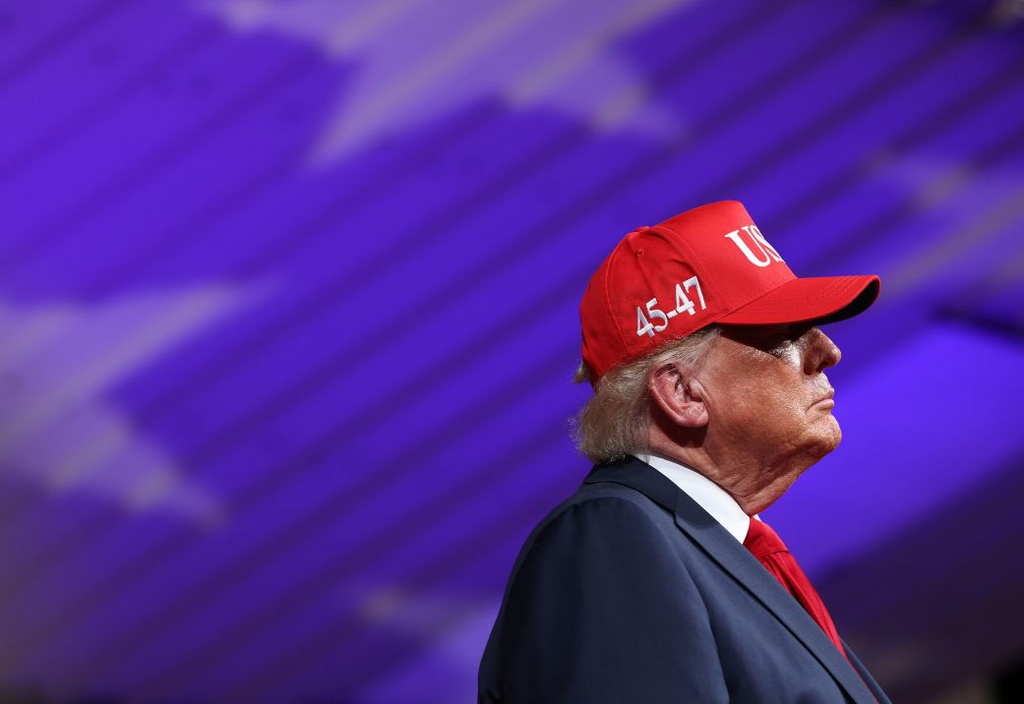
Official refund checks from the United States Treasury are officially heading to mailboxes across the country today. The Trump administration has officially begun sending $500 refund checks to nearly one million Americans enrolled in health plans under the Affordable Care Act, commonly known as Obamacare.
If you bought health insurance through the federal exchange without government subsidies, you might be one of the lucky people getting a payment. The checks are arriving alongside a personal letter signed by President Donald Trump, explaining that the federal government is returning money that was overcharged in administrative user fees during previous years.
This move marks a major health care rollout that directly puts money back into the hands of everyday citizens. With health insurance costs rising and households feeling the pinch of everyday bills, this financial update has sparked plenty of conversation.
What Are These $500 ACA Refund Checks All About?
The story behind these new payments comes down to how the federal health insurance marketplace operates. Every year, millions of Americans use the HealthCare.gov platform to search for health coverage, compare plans, and sign up for medical insurance. To run this portal, the federal government charges administrative user fees on insurance plans.
According to official White House statements, federal officials accumulated a massive cash surplus from these user charges. The current administration argues that past management overcharged consumers who paid for their insurance out of pocket without receiving federal tax credits.
The $0 Secret To Launching Your Entire Online Empire
Why pay hundreds every month for separate software? Build funnels, send emails, and make sales with Systeme.io completely free.
Get Started For $0Free Forever • No Credit Card Needed • Beginner-Friendly
Instead of leaving those unused funds sitting in government accounts or sending extra money to large insurance carriers, the administration decided to issue direct payments to individual policyholders. President Trump noted in his enclosed letter that the money belongs to hardworking citizens who paid into the system, not the government.
This direct cash distribution follows previous updates covered in our report on the White House Obamacare refunds announcement, which outlined how surplus platform fees would be redistributed to individual policyholders across selected regions.
The federal government states that returning this money directly to policyholders is intended to provide immediate financial relief. Because health insurance expenses can take a heavy toll on personal budgets, receiving a surprise cash payment can help ease monthly household bills.
Who Qualifies for the $500 Refund Check?
Not everyone with an Obamacare plan will automatically receive a $500 check. The administration has set very specific guidelines to determine who gets paid and who does not qualify for this distribution.
The main group targeted for these refund checks consists of individuals and families who purchased health insurance through the federal HealthCare.gov marketplace without receiving federal premium tax credits or income-based subsidies. In simple terms, these are people who paid full price for their health coverage out of their own pockets.
Eligibility generally breaks down into these primary groups:
- People earning over 400% of the federal poverty line: Under federal health rules, individuals and families earning above this threshold usually do not qualify for monthly premium tax credits. They paid the standard cash price for their insurance plans, which included the full administrative platform fees.
- Unsubsidized enrollees earning between 100% and 400% of the poverty line: Some individuals in this income bracket chose not to take premium tax credits or enrolled in specific plan tiers that did not feature monthly government assistance.
- Residents of participating federal exchange states: You must live in one of the 30 states where the federal government operates the health insurance exchange directly rather than running its own state marketplace.
It is also important to note that households with more than one qualifying individual can receive multiple payments. For example, if a married couple both purchased separate unsubsidized coverage through the federal portal, they could receive two separate $500 payments, totaling $1,000 for the household.
If you received full government subsidies that covered the vast majority of your monthly health insurance premium, you will likely not receive a check. The administration’s reasoning is that subsidized enrollees did not pay the full administrative fee out of pocket, so the surplus refund is strictly reserved for those who carried the financial burden themselves.
The 30 States Where Refund Checks Are Being Sent
Because this refund program relies on fees collected specifically through the federal portal at HealthCare.gov, the checks are only going to residents in states that use the federal exchange system. If your state runs its own independent health insurance website, federal user fees were not collected in the same manner, so residents in those states are not included in this payout.
Over 950,000 individuals across 30 states are eligible to receive these checks. Here is the full list of states where residents qualify for the $500 Obamacare refund checks:
- Alabama
- Alaska
- Arizona
- Arkansas
- Delaware
- Florida
- Hawaii
- Indiana
- Iowa
- Kansas
- Louisiana
- Michigan
- Mississippi
- Missouri
- Montana
- Nebraska
- New Hampshire
- North Carolina
- North Dakota
- Ohio
- Oklahoma
- Oregon
- South Carolina
- South Dakota
- Tennessee
- Texas
- Utah
- West Virginia
- Wisconsin
- Wyoming
If you live in states like California, New York, Pennsylvania, or Washington, your state operates its own separate health exchange portal. Because of that structural difference, residents in state-run exchange areas are not eligible for this federal Treasury distribution.
For people living in the 30 listed states, no extra sign-up form or complicated application is required. The U.S. Treasury Department is using existing registration records from the Centers for Medicare & Medicaid Services to identify qualifying policyholders and issue the payments directly.
How and When Will You Receive Your Money?
The distribution process has officially started, and payments will continue rolling out throughout the coming weeks. The government is delivering these funds using two main payment methods based on the account details on file with the federal exchange.
Direct Deposit
If you set up direct banking details when paying your monthly health insurance premiums or filing federal records, your $500 payment may be deposited directly into your linked bank account. Electronic transfers are expected to show up in bank accounts relatively quickly as processing batches clear.
Paper Checks in the Mail
For individuals without active direct deposit information on file, the U.S. Treasury Department is printing paper checks and mailing them out through the United States Postal Service. These physical checks arrive in official federal envelopes and include standard Treasury security features.
Send, Spend & Hold Money Worldwide Without Hidden Fees
Transfer money internationally at the real exchange rate and hold 40+ currencies in one account.
Open a Wise AccountMid-market rate • Fast transfers • 40+ currencies
Along with every payment, recipients will find an official printed letter from President Donald Trump. The letter outlines the reason for the payment, detailing how the administration identified surplus user charges and decided to return those funds back to the original taxpayers.
If you believe you qualify based on your health insurance records and living location, keep an eye on your regular mail throughout the next few weeks. Make sure your mailing address is up to date on your HealthCare.gov profile so your paper check arrives without delay.
Why Is This Money Being Distributed Right Now?
The timing of these $500 refund checks arrives during a crucial period for American households and health care policy. Health care affordability remains one of the top concerns for families across the country, especially following recent changes to federal health spending.
At the end of 2025, enhanced federal health care subsidies that were previously expanded by Congress officially expired. As a result, many families who purchase insurance on their own experienced notable increases in their monthly premium bills entering 2026. According to health policy surveys from organizations like KFF, nearly half of insured Americans reported higher out-of-pocket medical costs and premiums compared to previous years.
By releasing these $500 refund payments, the administration is aiming to provide a direct cash boost to consumers affected by rising living expenses. Returning surplus platform fees helps soften the impact of higher monthly health insurance expenses for families paying full cost.
This payment initiative also coincides with broader federal policy shifts aimed at changing how public health care programs operate. Over the past year, federal agencies have made significant structural updates to public exchanges. You can learn more about these regulatory changes in our breakdown of the massive Obamacare account purge, where federal officials removed hundreds of thousands of unauthorized plan enrollments to reduce fraud and cut system waste.
At the same time, discussions around direct citizen dividends and cash distributions have become a major topic on Capitol Hill. While some lawmakers have debated larger financial proposals, such as the 5,000 dollar dividend proposal, these $500 ACA refunds represent an immediate payout that is already fully funded through existing surplus accounts.
Furthermore, federal health officials have been rolling out broader initiatives to curb medical costs across the nation. For a deeper look into national health care policy shifts, check out our analysis on the statewide prescription drug pricing deal, which explores how new administrative rules aim to lower prescription medicine costs for patients across America.
How to Check If You Are Eligible for the Refund
If you are wondering whether a $500 check is heading your way, checking your qualification status is relatively simple. You do not need to call long hotlines or hire a tax specialist to find out where you stand.
First, pull up your health insurance documents from the previous coverage year. Check whether you purchased your health plan through HealthCare.gov or through a separate private broker outside the federal system. Only plans purchased directly through the federal portal qualify for this specific user fee surplus distribution.
The $0 Secret To Launching Your Entire Online Empire
Why pay hundreds every month for separate software? Build funnels, send emails, and make sales with Systeme.io completely free.
Get Started For $0Free Forever • No Credit Card Needed • Beginner-Friendly
Second, check your premium tax credit statements. If your monthly tax forms show that you received $0 in federal advance premium tax credits and paid 100% of the plan cost yourself, you fall into the target category for this refund.
Third, verify that your home address on HealthCare.gov matches your current physical location. If you moved recently, log into your marketplace portal or visit the official HealthCare.gov website to ensure your contact details are updated so any paper check reaches your current mailbox.
If you meet all the criteria—living in one of the 30 federal exchange states, buying coverage via HealthCare.gov, and paying full price without government subsidies—your refund payment should be on its way automatically without any extra action required on your part.
Frequently Asked Questions (FAQs)
Do I need to apply or fill out a form to get the $500 refund check?
No application or sign-up form is required. The federal government is automatically processing payments for all eligible policyholders using existing records from the HealthCare.gov exchange.
Is the $500 Obamacare refund check taxable income?
Generally, refunds of administrative fee overcharges are considered a return of your own previously paid money rather than new taxable income. However, it is always a good idea to consult a qualified tax professional regarding your personal tax situation when filing your annual return.
What if I live in a state like California or New York?
Residents of states that operate independent state-based health insurance exchanges do not qualify for this payment. These checks are funded strictly from surplus user fees collected on the federal HealthCare.gov platform across 30 participating states.
Can a single household get more than one $500 check?
Yes. Payments are distributed based on qualifying individual enrollments. If multiple members of a household held separate eligible unsubsidized policies on the federal portal, each qualifying individual can receive a $500 check.
Is this $500 payment related to the proposed $5,000 dividend checks?
No. This $500 ACA refund check is an independent payment funded by accumulated health marketplace user fee surpluses. It is completely separate from any broader economic proposals or legislative discussions regarding citizen dividends.
Staying updated on financial news, health care shifts, and government updates helps you make smart decisions for your household budget. When unexpected money arrives in the mail, knowing exactly why you received it gives you peace of mind and clarity.
To stay on top of breaking news, viral stories, and useful financial guides, visit our About Us page to learn more about what we do. If you have any questions, feedback, or story tips, feel free to drop us a message through our Contact Us page.
You can also join our growing online community and catch the latest updates in real time by following our official social media channels:
- Follow our updates on Instagram
- Join the conversation on Facebook
- Get real-time alerts on X (formerly Twitter)
Keep an eye on your mailbox over the coming weeks, and make sure to share this guide with friends or family members who might be eligible for their $500 refund check.
