
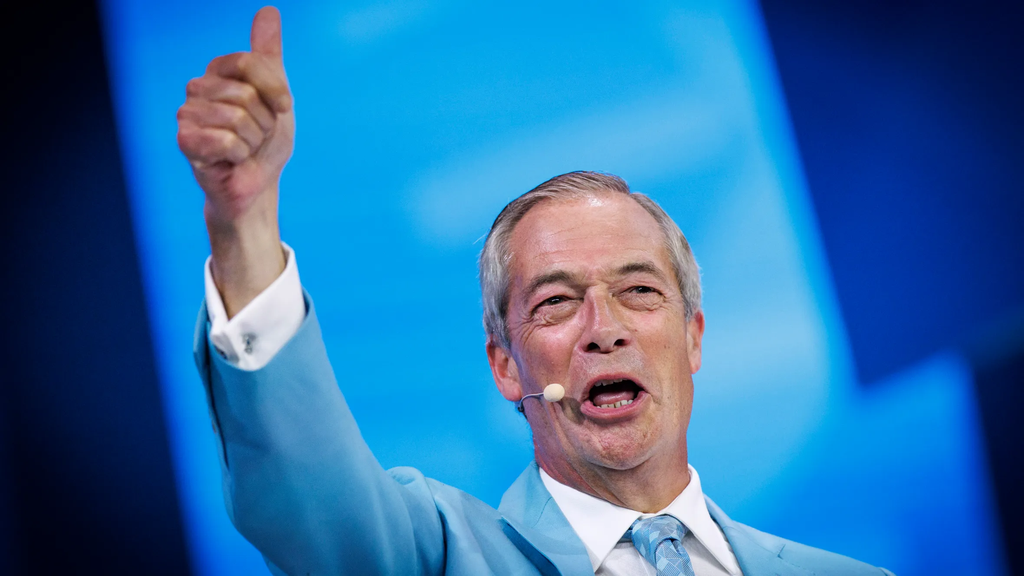
Nigel Farage has hit his lowest popularity rating on record, according to the latest figures from top pollster YouGov. Nearly seven out of every ten British adults now say they hold an unfavourable view of the Reform UK leader.
This major drop in public opinion comes after a wave of financial scandals, undercover footage, and police investigations that have shaken his political party.
For a figure who built his entire reputation as a plain-speaking champion of everyday people, these new figures mark a dramatic shift. Public trust appears to be eroding quickly across different groups of voters.
The numbers show that standard voters are not the only ones turning away. Even people who previously backed Reform UK are expressing growing doubts about where the party is heading.
Understanding how Farage reached this point requires a close look at the specific data, the recent headlines surrounding his party, and the financial deals that have caught the attention of regulators and law enforcement.
Build Funnels, Email Lists & Sell Online With One Free Tool
Create funnels, send emails, and sell online using Systeme.io without paying for multiple tools.
Create Free AccountFree forever • No credit card • Beginner-friendly
The Raw Numbers Behind Nigel Farage’s Lowest Approval Ratings
The latest survey conducted by YouGov paints a difficult picture for the politician. Exactly 69% of voters in Britain now view Farage unfavourably. Even more concerning for his team is the depth of that negative feeling. Out of those who dislike him, 57% state that they see him in a very unfavourable light rather than just a somewhat negative one.
On the flip side, only 24% of the public currently holds a positive view of him. When you subtract the negative opinions from the positive ones, Farage is left with a net favourability score of -45. This score represents his worst recorded result in over ten years of tracking by national polling organizations.
To understand how steep this decline is, consider where things stood just twelve months ago:
- In September 2025, Farage carried a net favourability score of -31.
- Over the course of a single year, his net score dropped by 14 points.
- British voters are now almost three times more likely to view him negatively than positively.
- His current approval rating matches the lowest levels recorded for prominent government figures right before major resignations.
Looking back across his career, Farage has always been a polarizing figure. During his years leading UKIP and later the Brexit Party, he maintained a loyal following alongside strong opposition. However, his previous negative ratings were often balanced by high voter enthusiasm among those who supported his message. The current data shows that this enthusiasm is weakening while negative perceptions are rising to historic highs across England, Scotland, and Wales.
This decline did not happen overnight or without cause. It follows a series of public relations disasters and serious legal developments that have dominated British political news in recent weeks.
The Sleaze Factor: Why Voters Are Turning Away
A primary reason behind this sudden drop in public support is the growing perception that Farage and Reform UK are deeply tied to political sleaze. In British political reporting, the term sleaze refers to dishonest behavior, financial greed, or questionable deals made behind closed doors.
The polling data shows that 73% of British voters now consider Farage to be at least fairly sleazy. A full 56% describe him as very sleazy. That puts him at a higher sleaze rating than almost any other major party leader currently active in the United Kingdom.
The issue is not limited to Farage as an individual. Public perception of Reform UK as a whole has taken a major hit over recent months. Roughly 71% of respondents now view the party itself as dodgy or disreputable, which is a 20-point rise compared to two years ago.
What caused this sudden shift in how people view the party? A key trigger was an undercover investigation broadcast on television that raised serious questions about party standards.
The Channel 4 Undercover Investigation
During Reform UK’s annual conference in Birmingham, journalists working undercover for Channel 4 recorded private conversations involving key party figures. The reporters posed as wealthy overseas investors looking to influence British political decisions through secret financial deals.
In the broadcast footage, Farage was seen interacting with the undercover journalists in a private room. During a discussion about off-the-books polling and specialized campaign strategies, Farage was recorded saying, “It worked. Boom!”
Although Farage later stated that he was not paying attention to the full context of the conversation and denied any wrongdoing, the fallout was immediate and intense:
- Two of Farage’s top political aides, Dan Jukes and James Orr, were suspended from their posts within the party.
- The Metropolitan Police opened a formal criminal investigation into the allegations surrounding the party’s campaign practices.
- Media outlets across the country began asking tough questions about transparency and internal discipline within the organization.
Reported details from The Mirror show how these headlines damaged the party’s core political message. Reform UK had long presented itself as a clean alternative to traditional political parties. Accusations of backroom deals and secret arrangements cut directly against that public image, making the scandals especially damaging to its reputation.
Following the Money: Big Cash Donations and Financial Questions
Beyond the undercover investigation, massive financial contributions have raised eyebrows among the public, rival politicians, and election watchdog groups. Questions about money in politics have quickly become a central headache for Farage’s leadership team.
The Parliamentary Standards Commissioner launched an investigation into Farage regarding a £5 million gift he received from Christopher Harborne, a wealthy businessman based in Thailand. Standard parliamentary rules state that all new members of parliament must publicly declare any financial gifts or political support received in the 12 months prior to their election.
Farage maintains that the funds were an unconditional personal gift and that no rules were broken during or after the election. However, critics argue that accepting such huge sums creates an impression that political access can be bought by wealthy individuals.
The £72 Million Crypto Donation Row
The financial controversy grew even larger when Harborne announced a further £36 million donation directly to Reform UK. This massive sum was matched by another £36 million donation from crypto billionaire Ben Delo, creating a total financial haul of £72 million for the party.
While having £72 million in the bank provides immense campaign power for advertising and staffing, it has also sparked intense public debate:
- Political opponents have publicly labelled Reform UK a party for sale to the highest bidder.
- Trade union leaders and rival political figures are calling for strict new caps on political mega-donations.
- Ordinary voters are questioning whether a party funded by multi-millionaires can truly understand and represent working-class interests.
When voters see tens of millions of pounds pouring in from foreign-based businessmen and cryptocurrency tycoons, it clashes directly with the idea of a grassroots movement. That tension between message and money is showing up clearly in the poll numbers.
How Farage Compares to Other Political Figures
To really understand where Farage stands in the current political landscape, it helps to look at how other prominent leaders are currently viewed by the public.
Political popularity fluctuates constantly depending on current events, but direct comparisons show a noticeable gap between Farage and his main political rivals:
- Andy Burnham: Nearly half of Britons (46%) hold a favourable view of Labour politician Andy Burnham, while 39% view him unfavourably. That gives him a positive overall balance compared to Farage.
- Kemi Badenoch: The Conservative leader is viewed favourably by 32% of voters and unfavourably by 47%. While her numbers sit in negative territory, her net rating of -15 is still significantly better than Farage’s net score of -45.
- Keir Starmer: Prior to his resignation, Starmer recorded a net score of -45, which was widely seen as a major crisis point for his leadership. Farage has now dropped to that exact same level of unpopularity.
What makes this slump particularly dangerous for Farage is the changing attitude among his own political base. In the past, Farage could count on almost total loyalty from his core supporters, regardless of what mainstream media reported about him.
Today, polling indicates that 40% of people who voted for Reform UK in the last election now view Farage as sleazy. When four out of ten past supporters start using terms like sleazy to describe their own party leader, it points to deep trouble within the core voter base that any political party needs to survive.
Can Reform UK Recover from the Latest Scandals?
Rebuilding public trust is never easy in politics, especially when criminal inquiries and official standards investigations are actively underway. However, Farage has survived severe political storms throughout his career.
Over the past two decades in British politics, Farage has shown an ability to connect with voters who feel ignored by mainstream Westminster parties. His supporters often admire his direct communication style and his willingness to challenge established political consensus.
For Reform UK to turn these negative numbers around, several major changes would need to occur:
- The ongoing police investigation into campaign practices would need to conclude without finding serious criminal wrongdoing.
- The party would have to resolve all questions surrounding its big-money donations and convince voters that donor money is not dictating political policy.
- Farage would need to refocus public attention away from party infighting and back onto key voter concerns like public services, energy costs, and taxation.
Whether he can achieve that recovery remains uncertain. As long as police investigations and donation questions remain on newspaper front pages, attracting undecided swing voters will remain a steep climb for the party.
Build Funnels, Email Lists & Sell Online With One Free Tool
Create funnels, send emails, and sell online using Systeme.io without paying for multiple tools.
Create Free AccountFree forever • No credit card • Beginner-friendly
Staying Informed on Politics, Tech, and Digital Media
Modern political news does not just live on television broadcasts anymore. Major political stories move rapidly across online platforms, video channels, and social media networks every single day. Understanding how information travels online is essential for keeping track of fast-moving public debate.
If you are curious about how modern content creators and digital publishers use online tools to report on major events, check out our guide to YouTube Automation. You can also explore how automated tools and modern software are changing digital publishing in our section on Technology and AI.
To learn more about who we are and how our team covers breaking news and cultural trends, take a moment to visit our About Us page. If you have questions, feedback, or a news tip you want to share directly with our editors, feel free to drop a message on our Contact Us page.
You can also follow our official social channels to get real-time updates, breaking headlines, and join ongoing community discussions:
- Connect with us on Instagram for daily highlights and updates.
- Like our page on Facebook to join ongoing community discussions.
- Follow us on X (formerly Twitter) for breaking commentary and news alerts.
Frequently Asked Questions (FAQs)
What is Nigel Farage’s current popularity rating?
According to the latest YouGov poll, Nigel Farage has a net favourability rating of -45. About 69% of British adults view him unfavourably, while just 24% view him favourably.
Why did Nigel Farage’s popularity drop so suddenly?
The drop follows several major controversies, including an undercover Channel 4 investigation into party practices, an active Metropolitan Police investigation, and public outrage over massive monetary donations from crypto billionaires.
What is the police investigation into Reform UK about?
The Metropolitan Police opened a formal criminal investigation following undercover footage broadcast by Channel 4 during Reform UK’s party conference. The footage showed discussions regarding campaign strategies and off-the-books polling.
How does Nigel Farage compare to other UK political leaders?
Farage currently trails other key political figures in public popularity. Leaders like Andy Burnham hold positive overall favourability ratings, while Conservative leader Kemi Badenoch holds a higher net rating than Farage.
Will this polling slump affect Reform UK in future elections?
While poll numbers fluctuate over time, a high negative rating makes it difficult to win over undecided voters. Additionally, 40% of previous Reform UK voters now say Farage seems sleazy, which could severely impact voter turnout in upcoming elections.
The next few months will show whether Nigel Farage can steady his party or if this poll represents a permanent shift in how British voters view his leadership. With police inquiries ongoing and funding debates continuing in Parliament, the pressure on Reform UK is higher than ever. Staying informed through clear and reliable reporting remains the best way to track how this story unfolds over the coming months.
