
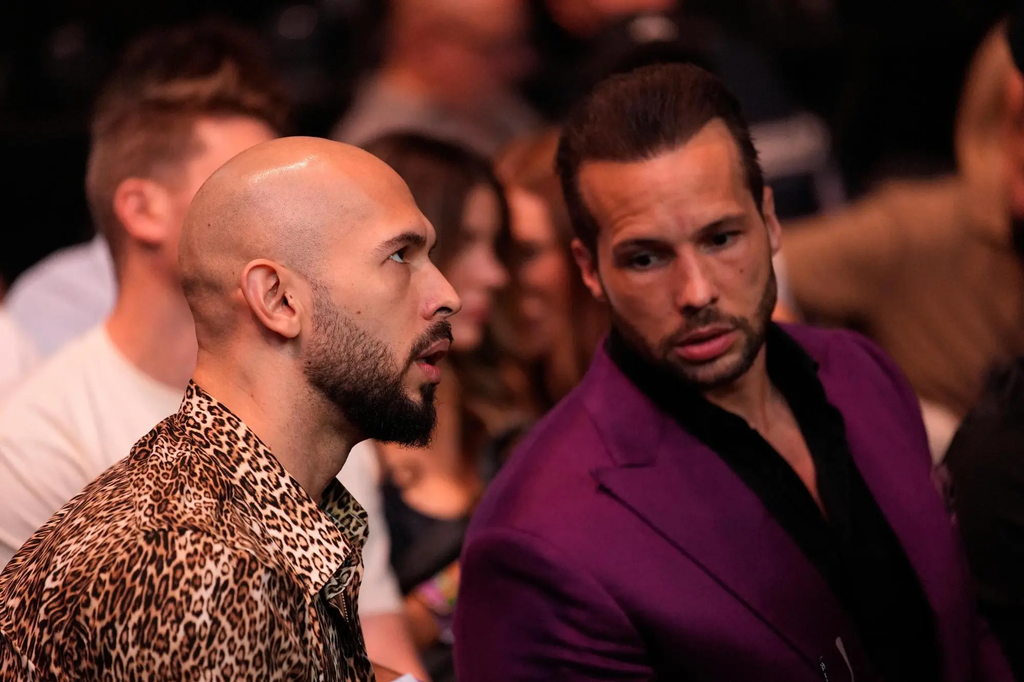
A federal court in Miami has delivered a major ruling in the ongoing legal battles of social media personalities Andrew Tate and his brother Tristan Tate. U.S. Magistrate Judge Lauren Louis denied the brothers’ motion for bail, ordering both men to remain in federal custody at the Federal Detention Center in Miami while they contest their extradition to the United Kingdom.
The court ruling comes after weeks of arguments between defense attorneys and federal prosecutors. The Tate brothers were taken into custody by U.S. Marshals in Miami on July 18, 2026, after British authorities issued a formal extradition request. UK law enforcement wants the brothers returned to face serious criminal charges, including rape, sexual assault, and human trafficking dating back several years.
Despite defense arguments that the brothers’ aggressive online comments and massive displays of wealth were simply part of an exaggerated internet persona, the court decided that the risk of them fleeing the country was far too high. This ruling keeps both Andrew Tate, 39, and Tristan Tate, 38, locked up as a complex international legal drama plays out across three different nations.
Inside the Miami Courtroom: Why the Judge Denied Bail
When a person faces extradition to a foreign country, getting released on bail in a United States court is extremely difficult. Under international extradition law, the legal standard for granting bail is much stricter than in standard domestic criminal cases. A defendant must show extraordinary special circumstances and prove beyond doubt that they pose no risk of fleeing or endangering the public.
In her detailed written decision, Judge Lauren Louis made it clear that the Tate brothers fell far short of meeting that high standard. She pointed out that their vast financial resources, global network, and long history of frequent international travel made them quintessential flight risks.
Build Funnels, Email Lists & Sell Online With One Free Tool
Create funnels, send emails, and sell online using Systeme.io without paying for multiple tools.
Create Free AccountFree forever • No credit card • Beginner-friendly
The court acknowledged that while some of the brothers’ claims about owning hundreds of millions of dollars might be exaggerated for social media clout, the evidence shows they still hold substantial financial power. That wealth gives them a unique ability to travel across borders or secure private transportation if released from custody.
The judge also emphasized that the serious nature of the criminal charges in Britain played a central role in denying bail. When facing heavy prison sentences in another country, individuals with international assets have a strong motivation to avoid court appearances. As a result, the court ruled that no set of release conditions could guarantee that the brothers would stay in the United States to face their extradition hearing.
The Defense Argument: “It Was All Just an Online Character”
During an August hearing at the Miami federal courthouse, Andrew and Tristan Tate took the witness stand under oath to argue for their freedom. Their legal team tried to convince the court that the public image of the Tate brothers is fundamentally misunderstood.
Defense lawyers argued that social media posts showing off private jets, luxury supercars, and huge stacks of cash were theatrical, exaggerated, and grandiose. Andrew Tate told the judge that he plays an exaggerated character online to generate attention, boost engagement, and market his digital products.
However, federal prosecutors countered that argument by playing videos in court. In one video clip presented by the prosecution, Andrew Tate made violent and derogatory statements about women. Prosecutors argued that these clips were not harmless internet acting, but rather reflected real-world behavior that aligns with the severe allegations made by British authorities.
The defense also pointed to their clients’ record in Romania, where courts had previously granted them conditional release while awaiting trial. They argued that because they complied with Romanian restrictions and did not run away, they should be trusted with bail in the United States. Furthermore, they claimed that their global fame makes it impossible for them to hide anywhere in the world.
Judge Louis rejected these arguments. She explained in her ruling that regardless of whether their online personas are exaggerated, the reality remains that they possess the physical and financial means to flee the jurisdiction. The judge noted that playing a character online does not shield someone from legal consequences or erase the flight risk created by massive wealth.
The Legal Saga Expands: Charges in the UK and Romania
To fully understand why the Tate brothers are being held in a Miami detention facility, it helps to examine the multiple legal cases stacked against them across different countries.
What the UK Extradition Is About
The extradition process initiated by Britain stems from serious charges brought by the Crown Prosecution Service. British authorities allege that Andrew and Tristan Tate committed multiple counts of rape, physical assault, and human trafficking involving four victims between July 2010 and August 2017.
These charges build upon earlier allegations made by three other women in Britain. A British judge issued a warrant for their arrest, which prompted U.S. authorities to act when the brothers entered the United States. Britain is seeking to extradite both brothers so they can stand trial in a British criminal court.
Ongoing Legal Troubles in Romania
While the current Miami court proceedings focus on the UK extradition request, the Tate brothers have been under heavy legal scrutiny in Romania since 2022. The brothers moved their primary operations to Romania in 2017, where they built several online businesses.
Romanian prosecutors formally indicted Andrew Tate on charges including trafficking of minors, human trafficking, money laundering, sex with a minor, and witness tampering. Tristan Tate was indicted for complicity in those same offenses.
Their defense lawyers argued in Miami that the Romanian legal proceedings should take priority over the British request because the Romanian case started first. However, U.S. federal courts evaluate extradition requests strictly based on federal statutes and treaties signed between the United States and the requesting country. The ongoing trial in Bucharest did not prevent the Miami court from ordering their detention.
Flight Risk vs Real Life: How High Net Worth Impacts Bail Decisions
The situation surrounding Andrew and Tristan Tate highlights how modern online fame and high net worth can complicate legal defense strategies. In the creator economy, building a recognizable personal brand often involves broadcasting wealth, luxury travel, and financial independence.
Many aspiring digital entrepreneurs look for ways to build online revenue streams. Some creators explore traditional paths by learning what sponsored content is and how influencers make money. Others look into low-profile strategies like how to earn money on TikTok without showing your face, or building businesses around user-generated content (UGC) principles. There is also growing interest in automated content models, such as exploring our dedicated YouTube Automation category for video creation ideas.
However, when online success turns into actual liquid assets, international banking access, and private travel capabilities, the legal system views you through a very different lens. Judges view high net worth as a double-edged sword in criminal proceedings.
While financial resources allow high-profile defendants to hire top-tier defense teams, those same resources tell a judge that the defendant has the power to leave the country at a moment’s notice. For an everyday worker or a beginner working as a UGC content creator, online influence might just be business leverage. But inside a federal courtroom, public boasts about wealth and unrestricted global mobility make getting granted bail almost impossible.
What Happens Next in the Tate Extradition Battle?
With their motion for release officially denied, Andrew and Tristan Tate will remain in federal custody in Miami while their extradition proceedings move forward.
Extradition cases in the United States are rarely resolved quickly. Under federal procedure, the British government must submit all formal extradition documentation to the U.S. Department of State by their mid-September deadline. Once those legal filings are formally reviewed, a federal judge will conduct a full extradition hearing.
During that hearing, the judge will determine whether the evidence presented satisfies the requirements set by the bilateral U.S.-UK Extradition Treaty. If the judge finds the request valid, the final authorization for extradition rests with the Secretary of State.
Because the Tate brothers have extensive legal representation, they are expected to appeal any ruling that orders their extradition. These legal appeals could keep them inside the Miami detention facility for many months as the legal process winds through the federal court system.
During this entire period, both brothers remain completely disconnected from their digital platforms, unable to publish videos, host live streams, or communicate with their online followers.
Social Media, Online Personas, and Legal Accountability
This case serves as a clear lesson for digital creators who assume that online content stays separate from real-world legal liabilities. Over the past few years, major social media platforms and law enforcement agencies have drastically increased their oversight of digital creators.
Tech platforms are constantly updating their rules to combat misrepresentation and illegal activity. You can read more about these shifts in our coverage of Instagram’s new policy cracking down on fake accounts and AI influencers.
When a creator uploads thousands of hours of audio and video content to the internet, that material becomes a permanent public record. Prosecutors can analyze past videos, social media posts, and podcast appearances to build a timeline of actions or establish intent. In court, trying to explain away damaging comments as internet roleplay rarely works as a full defense. Judges and juries evaluate the plain meaning of statements alongside actual conduct.
Frequently Asked Questions (FAQs)
Why were Andrew and Tristan Tate denied bail in Miami?
U.S. Magistrate Judge Lauren Louis denied their request for release because the court ruled they are flight risks. Their high net worth, international connections, and travel access mean they have the ability to leave the country. They also failed to show special circumstances required under international extradition law.
What criminal charges are the Tate brothers facing in the United Kingdom?
The UK Crown Prosecution Service seeks their extradition on charges of rape, physical assault, and human trafficking involving multiple alleged victims between 2010 and 2017.
Build Funnels, Email Lists & Sell Online With One Free Tool
Create funnels, send emails, and sell online using Systeme.io without paying for multiple tools.
Create Free AccountFree forever • No credit card • Beginner-friendly
Are the Tate brothers also facing criminal charges in Romania?
Yes. Romanian authorities have indicted Andrew Tate for trafficking minors, human trafficking, money laundering, sex with a minor, and witness tampering. Tristan Tate faces charges for complicity in these offenses.
Can the Tate brothers appeal the bail denial decision?
Yes, their attorneys can appeal the magistrate judge’s order to a district judge. However, overturning a bail denial in an international extradition case is extremely rare and difficult.
How long will the extradition process take in the US courts?
International extradition cases in US federal court usually take several months to over a year, depending on court schedules, document submissions, and appeal filings by defense lawyers.
Moving Forward in the Tate Legal Battle
The decision by the Miami federal court marks a decisive moment in the long-running legal saga of Andrew and Tristan Tate. What began as a series of viral internet debates has escalated into complex criminal proceedings across three separate countries.
As the extradition fight moves into its next phase in Florida, observers, legal analysts, and social media followers are watching closely. The outcome of this case will set an important standard for how international extradition treaties apply to high-profile digital creators operating across global borders.
If you want to stay informed on major news updates, emerging digital trends, and technology stories, explore our Tech & AI section. You can also visit our About page to learn more about our publication, or reach out to us directly through our Contact page. For real-time updates and discussions, connect with us on social media via Instagram, Facebook, and Twitter/X.
