
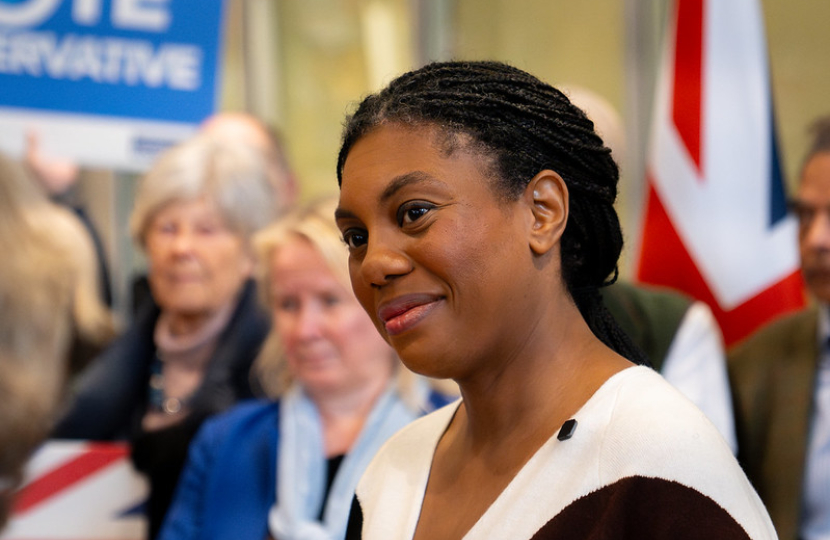
Conservative Party leader Kemi Badenoch has officially sacked Sir Mel Stride from his role as shadow chancellor. The surprise move comes as part of a major frontbench reshuffle designed to completely reboot the party’s economic message and political direction. Former business spokesperson Andrew Griffith has been chosen to take over the key economic post, marking a sharp pivot toward a more aggressive, pro-growth stance.
The reshuffle did not stop at the economic portfolio. In a swift series of changes, Badenoch also removed Dame Priti Patel from her role as shadow foreign secretary, replacing her with former security minister Tom Tugendhat. Meanwhile, former shadow housing secretary Sir James Cleverly chose to step down from the frontbench to pursue the party’s nomination for London Mayor.
This major shake-up signals that Badenoch wants a fresh team on the field as parliament returns from its summer break. With the Conservatives lagging behind in public opinion polls, the party leadership is moving aggressively to reshape its policy offer and challenge both Labour and Reform UK.
What Just Happened in the Tory Shadow Cabinet?
Political observers were caught off guard on Monday when news broke that Mel Stride had been removed from his position. Stride had served as shadow chancellor since November 2024, taking the reins during a difficult period for the Conservatives right after their general election defeat.
During his time in office, Stride focused on steadying the ship. He worked to criticize Labour’s budget decisions while trying to restore economic credibility. In fact, Stride had recently expanded his own team of economic advisers, which made his sudden departure even more unexpected to insiders.
The $0 Secret To Launching Your Entire Online Empire
Why pay hundreds every month for separate software? Build funnels, send emails, and make sales with Systeme.io completely free.
Get Started For $0Free Forever • No Credit Card Needed • Beginner-Friendly
In an official statement, Kemi Badenoch thanked Stride for his service, noting that he brought “experience, seriousness and stability” to the party when it was needed most. However, senior party sources quickly made it clear that stability is no longer enough. The leadership wants an energetic economic team focused squarely on tax cuts, deregulation, and private sector growth.
According to reports covered by the Financial Times, the party leadership believes an election could come sooner than expected, requiring the opposition to put its policy engine into high gear.
Why Did Kemi Badenoch Fire Mel Stride?
The main driver behind this sudden sacking is a fundamental shift in strategy. Insiders suggest that while Stride was respected for his calm demeanor, his traditional approach was failing to capture the imagination of voters or push back effectively against the government.
Party leadership felt the Conservatives needed a shadow chancellor who could speak directly to business owners, wealth creators, and entrepreneurs with deep practical experience. There were growing concerns among backbench MPs that the party’s economic messaging felt too defensive and lacked a clear, inspiring alternative to Labour’s policies.
Here are the primary reasons behind Badenoch’s decision:
- Building a Pro-Growth Economic Team: Badenoch wanted a shadow chancellor who comes directly from a successful corporate background to lead her economic agenda.
- Sharpening the Political Contrast: The Conservatives want to highlight that their top team has real-world private sector experience, unlike many members of the Labour cabinet.
- Preparing for Election Readiness: Party strategists want a bold team in place so they are completely ready if a general election is called earlier than anticipated.
- Reclaiming Right-Leaning Voters: The party is facing tough competition from Reform UK, making a aggressive tax-cutting stance essential for retaining traditional supporters.
Meet Andrew Griffith: The New Shadow Chancellor
The man taking on the critical job of shadow chancellor is Andrew Griffith. Unlike traditional career politicians, Griffith spent decades working at high levels in the corporate world before entering Parliament.
Griffith previously served as a top executive at Sky and was the chairman of Just Eat. In government, he served as City Minister under former Prime Ministers Liz Truss and Rishi Sunak, where he earned a reputation for understanding regulation and financial markets.
Party officials have described Griffith as a “no-nonsense, pro-growth” figure who understands the real challenges facing modern companies. In his first public statements after taking the post, Griffith stated that Britain desperately needs an “economic revolution” focused on lowering taxes, cutting unnecessary red tape, and backing wealth creators.
Griffith has already been a vocal opponent of Labour’s economic policies, strongly criticizing their tax changes for business and their proposed workplace legislation. Business groups and investment leaders have largely welcomed his appointment, noting his deep understanding of corporate finance and productivity issues.
The Wider Reshuffle: Who Else Was Moved?
While the replacement of the shadow chancellor made the biggest headlines, Badenoch’s frontbench shake-up went much deeper. Several other prominent figures were moved or removed as part of this sweeping effort to refresh the frontbench.
Priti Patel and Tom Tugendhat
Former Home Secretary Dame Priti Patel was removed from her role as shadow foreign secretary. Patel announced on social media that she would be moving to an international role focusing on building relationships with centre-right political parties around the world.
She is being replaced by Tom Tugendhat, a former security minister and candidate for the party leadership in 2024. Tugendhat is known for his firm positions on foreign policy, defense, and national security matters.
James Cleverly Steps Aside
Sir James Cleverly, who previously held senior cabinet roles including Foreign Secretary and Home Secretary, announced he was voluntarily leaving the frontbench. Cleverly stated that he wants to dedicate his energy to seeking the Conservative nomination for the upcoming London Mayoral election.
Claire Coutinho and Stuart Andrew
Claire Coutinho has been moved from her shadow energy post to become the new shadow business secretary, taking over Griffith’s former role. Because Coutinho is currently on maternity leave, former minister Julia Lopez will temporarily cover the business portfolio until early next year.
Additionally, Stuart Andrew was ousted from his post as shadow health secretary as part of the broader effort to give backbenchers and new voices a chance on the frontbench.
Send, Spend & Hold Money Worldwide Without Hidden Fees
Transfer money internationally at the real exchange rate and hold 40+ currencies in one account.
Open a Wise AccountMid-market rate • Fast transfers • 40+ currencies
What Mel Stride Said After the Announcement
Despite being removed from one of the most senior roles in opposition politics, Sir Mel Stride took a constructive tone in his official response.
Writing on social media platform X, Stride expressed gratitude for the opportunity to serve as shadow chancellor and reaffirmed his commitment to the party’s mission. He pointed out that the Conservatives must remain committed to economic policies that are both radical and deliverable.
Stride stated:
“It is essential that the next Conservative government does things very differently, backing business like never before and getting government out of the way. I am now looking forward to continuing to make a real contribution to the Conservative team in parliament and beyond, to build and amplify our vision for Britain, from the backbenches.”
His dignified response helped prevent open conflict within the party, though political commentators note that moving experienced figures like Stride and Patel to the backbenches always carries political risk for any party leader.
Why Modern Politics Moves So Fast
The speed at which political leadership teams must adapt mirror what is happening across almost every major industry today. Whether it is a political party rebuilding its economic platform or a business updating its core business model, staying static is rarely an option.
We see this exact same push for speed and modernization in the digital world. For instance, content creators and media businesses are increasingly moving away from manual, slow-moving operations toward automated systems. If you want to see how creators use automated tools to scale video content efficiently, take a look at our breakdown of YouTube automation strategies.
Similarly, modern political campaigns use advanced data and automated analytics to track voter sentiment in real time. The integration of modern technology is completely changing how leaders talk to voters and draft policy. You can read more about these digital shifts in our section dedicated to technology and AI.
What This Means for the Conservative Party’s Future
Kemi Badenoch’s reshuffle is a clear gamble to assert control and give her party a distinct identity. By bringing in people with deep business expertise like Andrew Griffith, she hopes to convince voters that the Conservatives are the true champions of economic growth and lower taxes.
However, the political road ahead remains challenging. The Conservatives continue to face strong opposition from Labour in Parliament while simultaneously battling Reform UK for support on the political right. Removing veteran leaders like Mel Stride and Priti Patel means Badenoch is putting her own personal stamp on the party. If the new team delivers strong results, it could reinvigorate the party’s standing. If not, critics within the party will quickly make their voices heard.
The $0 Secret To Launching Your Entire Online Empire
Why pay hundreds every month for separate software? Build funnels, send emails, and make sales with Systeme.io completely free.
Get Started For $0Free Forever • No Credit Card Needed • Beginner-Friendly
For readers interested in learning more about how our team analyzes major news events, political changes, and cultural trends, visit our about page.
Frequently Asked Questions (FAQs)
Why did Kemi Badenoch sack Mel Stride?
Badenoch wanted to create a new economic leadership team focused heavily on business experience, tax cuts, and deregulation. Party leadership felt a bolder, more aggressive economic voice was needed to challenge Labour’s policies effectively.
Who is the new Shadow Chancellor?
Andrew Griffith is the new Shadow Chancellor of the Exchequer. He is a former senior executive at Sky, former chairman of Just Eat, and served as City Minister in previous Conservative governments.
Who else was affected by the Conservative reshuffle?
Dame Priti Patel was replaced as shadow foreign secretary by Tom Tugendhat. Sir James Cleverly stepped down from the shadow cabinet to focus on the London Mayoral nomination. Claire Coutinho was named shadow business secretary, and Stuart Andrew was removed as shadow health secretary.
How did Mel Stride react to being sacked?
Mel Stride responded gracefully, stating on social media that it was a great honor to serve on the frontbench. He pledged to continue supporting Kemi Badenoch and the Conservative Party from the backbenches.
Is an early UK general election happening?
While the Prime Minister has indicated there are no plans for an early general election, Conservative strategists are restructuring their shadow cabinet to ensure they are fully prepared if one is called earlier than expected.
This shadow cabinet reshuffle marks a decisive new chapter for Kemi Badenoch and the Conservative Party. By replacing traditional frontbenchers with business-focused figures, the opposition is signaling a sharp shift toward clear, pro-growth policies. Whether this strategic pivot will be enough to turn the tide in public opinion polls remains to be seen.
What are your thoughts on this major shadow cabinet shake-up? Do you think Andrew Griffith is the right choice for shadow chancellor? Have questions or comments about our political coverage? Send us a direct note through our contact page.
Be sure to follow our community on social media to get instant updates on breaking news, viral trends, and deep dives:
- Join our updates on Facebook
- Follow our visual stories on Instagram
- Catch up with quick news updates on X (formerly Twitter)
