
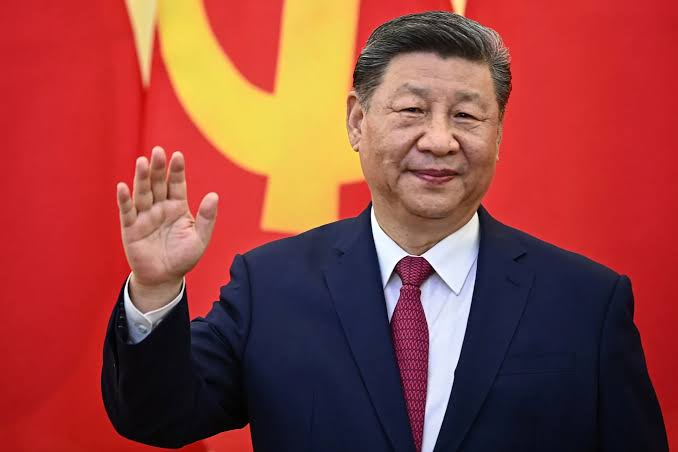
Chinese universities recently made headlines around the world by revoking or suspending more than 12,000 undergraduate degree programs. According to official reports released by China’s Ministry of Education, over 30 percent of all university offerings across the country underwent major adjustments.
The government ordered universities to cut obsolete majors that no longer lead to real-world jobs. In their place, institutions added thousands of new programs focused on artificial intelligence, data science, robotics, and future-tech industries.
While China is aggressively cutting dead weight to prepare its youth for an AI-driven economy, higher education across much of Africa presents a very different picture. Universities across the continent continue to enroll millions of young people into traditional degree programs that have barely changed over the last few decades.
This growing gap creates a massive challenge for African graduates who want to compete in a global economy. Understanding why China made this bold move reveals what African universities and students need to do differently starting today.
Inside China’s 12,000 Degree Wipeout
China’s higher education overhaul was not a sudden decision. Between 2021 and 2025, higher education institutions across the nation revoked or suspended approximately 12,200 undergraduate programs while introducing roughly 10,200 new ones.
The $0 Secret To Launching Your Entire Online Empire
Why pay hundreds every month for separate software? Build funnels, send emails, and make sales with Systeme.io completely free.
Get Started For $0Free Forever • No Credit Card Needed • Beginner-Friendly
The degree programs hit hardest by these sweeping cuts include traditional public administration, information management, foreign languages, fine arts, and general management subjects. For years, universities created these courses because they were cheap to set up and easy to fill with paying students.
However, reports from the South China Morning Post and updates published by Xinhua show that graduate unemployment in these specific fields began to skyrocket. As artificial intelligence tools started automating basic administrative tasks, copywriting, translation, and graphic rendering, employers simply stopped hiring graduates from traditional degree tracks.
Instead of letting students spend four years earning certificates that lead nowhere, the Chinese government forced universities to align their courses with actual economic needs. In place of outdated arts and management degrees, schools launched specialized programs in embodied intelligence, smart manufacturing, microelectronics, and cloud computing.
The Current Reality Across African Universities
While China is actively retiring outdated academic majors, many African universities are still awarding degrees designed for an era that has long passed. From traditional sociology and general public administration to outdated computer science courses that teach old programming languages, students are spending years learning theories that have little connection to modern workplaces.
In countries like Nigeria, Kenya, Ghana, and South Africa, public and private universities graduate hundreds of thousands of students every single year. Yet, regional job markets remain flooded with graduates who cannot find employment because their classroom training does not match employer expectations.
Many African higher education institutions suffer from severe underfunding, outdated laboratory equipment, and rigid administrative policies. Professors are often forced to teach using textbooks published decades ago, leaving students completely unaware of how technologies like generative AI and automation are reshaping their chosen fields.
This disconnect creates a dangerous skills mismatch. While global industries demand practical capabilities in data analysis, software engineering, and digital operations, university students are still tested primarily on memorizing printed lecture notes.
Why Obsolete Degrees Create a Job Crisis
Spending four to six years pursuing a degree that offers little practical value comes with a heavy financial and emotional cost. Families often sacrifice their life savings to pay for tuition, housing, and textbooks, believing that a university degree is a guaranteed ticket to financial stability.
When fresh graduates enter the job market and discover that employers consider their qualification irrelevant, disappointment sets in fast. Many are forced to accept low-paying entry-level positions that have nothing to do with what they studied, while others remain unemployed for years.
The fast rise of automation makes this problem even worse. Entry-level office work, manual data entry, basic customer support, and traditional drafting jobs are disappearing rapidly. Keeping track of developments in technology and AI is no longer optional for anyone trying to build a sustainable career.
When university degrees fail to deliver modern skills, young people have to start learning high-demand skills completely from scratch after graduation. This puts them years behind their international peers who received updated, market-ready training right from the start.
The Rise of Self-Taught Digital Skills
Because traditional higher education systems are slow to update their curriculums, many young Africans are taking their learning into their own hands. The global market increasingly rewards what you can actually build and solve, rather than what degree title is printed on your certificate.
Today, anyone with an internet connection can learn programming, data analytics, graphic design, and video editing through free or affordable online platforms. Many young individuals are even building profitable online businesses using modern models like YouTube automation, proving that income generation is no longer strictly tied to a traditional university diploma.
Major companies around the world are shifting toward skill-based hiring. Tech companies, remote marketing agencies, and international startups care far more about your portfolio, technical proficiency, and practical projects than the name of the school you attended.
This shift creates a massive opportunity for proactive youth. By dedicating time to self-directed learning, working on real project samples, and obtaining industry-recognized certifications, you can bypass outdated academic requirements and position yourself for global remote opportunities.
Send, Spend & Hold Money Worldwide Without Hidden Fees
Transfer money internationally at the real exchange rate and hold 40+ currencies in one account.
Open a Wise AccountMid-market rate • Fast transfers • 40+ currencies
How African Institutions Can Modernize Higher Education
African education ministries and university boards do not need to invent new systems from scratch. They can look at international models like China’s university overhaul to reform their own higher education frameworks.
First, regulatory authorities must perform regular curriculum audits across all public and private universities. Degree programs that show consistently poor graduate employment rates over three to five consecutive years should be restructured or phased out entirely.
Second, universities must build direct working relationships with tech companies, manufacturing centers, and private businesses. Industry leaders should participate in designing curriculum units, offering mandatory student internships, and funding modern research laboratories.
Third, institutions need to shift away from pure theoretical lecturing and move toward practical, project-based assessment. Students in every department—whether studying business, agriculture, or engineering—should learn basic data literacy, digital tools, and practical problem-solving.
Finally, governments must prioritize funding for internet infrastructure and digital learning tools in higher education. Providing reliable power, high-speed campus Wi-Fi, and modern computing labs is necessary to ensure students can practice what they learn.
How Students Can Protect Their Career Future
If you are currently studying at a university or planning to apply soon, you do not have to wait for top-level institutional reforms before taking control of your future. You can take clear steps right now to protect your career trajectory.
- Audit your degree program honestly by comparing what you learn in class against actual job postings in your desired field.
- Identify your skill gaps early and use online courses to master essential tools like Python, SQL, data visualization tools, or digital marketing platforms.
- Build a portfolio of real projects while you are still in school, such as building websites, writing software code, or running small online businesses.
- Connect with working professionals on LinkedIn and social media platforms to learn what skills top employers are actively looking for.
- Focus on developing soft skills like critical thinking, written communication, and adaptability, which remain valuable even as technical tools evolve.
Staying Connected and Informed
Navigating a changing job market requires staying updated on global news, technology trends, and practical career insights.
To learn more about our mission to break down trending global events in simple, straightforward language, visit our about page. If you have questions, feedback, or news tips to share with our editorial team, reach out through our contact page.
You can also join our growing online community to stay updated on breaking news and insightful stories. Connect with us on Instagram, follow our updates on Facebook, and join the conversation on X (formerly Twitter).
Frequently Asked Questions
Why did China eliminate 12,000 university degree programs?
China eliminated these degree programs to align its education system with modern market demands and state economic goals. Many of the removed degrees were outdated, oversaturated, or producing graduates who struggled to find jobs. Replacing them with majors in AI, data science, and robotics helps ensure graduates enter high-growth industries.
The $0 Secret To Launching Your Entire Online Empire
Why pay hundreds every month for separate software? Build funnels, send emails, and make sales with Systeme.io completely free.
Get Started For $0Free Forever • No Credit Card Needed • Beginner-Friendly
What specific degrees were cut the most in China?
The cuts heavily affected degrees in traditional management, public administration, foreign languages, fine arts, apparel design, and older engineering formats. These majors suffered from low employment rates due to shifting market demands and automated tools taking over entry-level tasks.
Why are African universities slow to update their degree offerings?
Many African universities face systemic hurdles, including limited government funding, slow bureaucratic processes, outdated infrastructure, and a lack of trained faculty in emerging tech fields. These challenges make it difficult to phase out old programs and launch modern curricula quickly.
How can students prepare for tech and AI jobs if their degree is unrelated?
Students can build relevant career skills independently through self-paced online courses, technical certifications, bootcamps, and personal projects. Creating a practical portfolio that demonstrates real-world skills often holds more weight with modern employers than a traditional degree title.
Should students drop out if their university degree seems outdated?
Not necessarily. Completing a degree still demonstrates commitment, discipline, and foundational academic ability. However, students should treat their degree as only one part of their preparation and actively build practical digital skills on the side before graduating.
The Path Ahead for Higher Education
China’s decision to drop 12,000 obsolete degree programs sends a clear signal that the global job market has fundamentally shifted. Academic systems that refuse to adapt risk leaving an entire generation of students behind in an increasingly competitive world.
For African nations, this educational restructuring should serve as an urgent call to action. Updating university curricula, removing non-performing courses, and investing in practical digital skills are no longer optional ideas—they are essential steps for building a strong, future-ready economy.
