
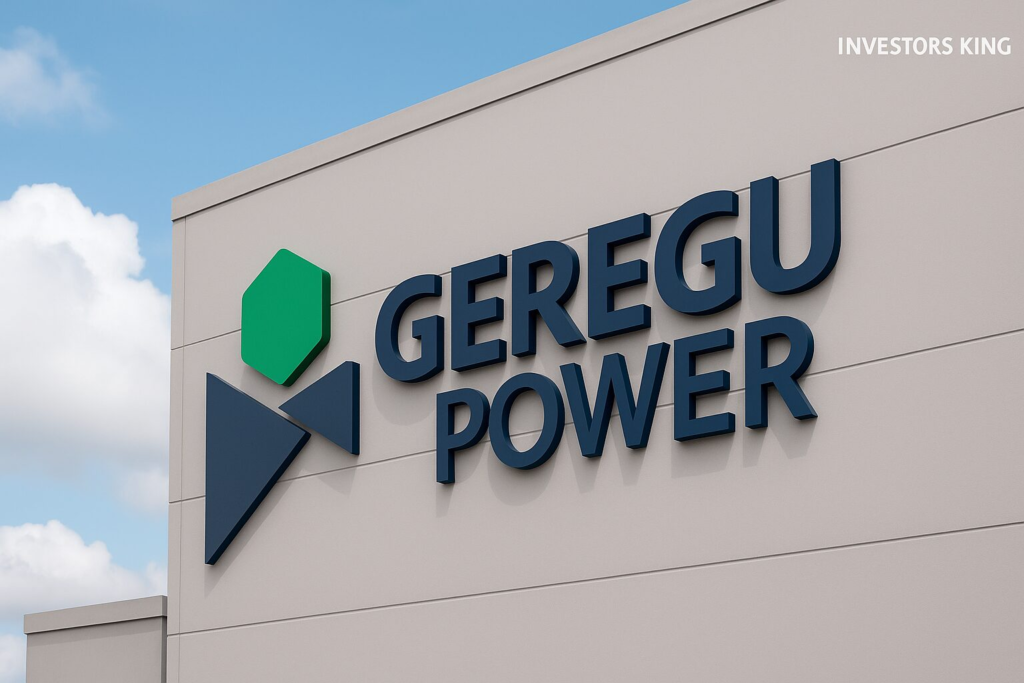
Money moves fast in the business world, but big financial news moves even faster. When a power generation giant like Geregu Power Plc hits a unexpected bump with a massive N40 billion bond payment, people across the country take notice. Investment managers start adjusting their numbers, individual stock traders check their accounts, and everyday citizens wonder what it all means for the broader economy.
If you follow business developments in Nigeria, you know that corporate bonds are usually treated as safe, reliable investments. So when reports surface that a leading energy provider is struggling to meet its scheduled debt obligations on time, it naturally creates a stir.
At WhatsBuzzn, our mission is to break down big, complex headlines into simple, clear stories that make sense to everyone. You do not need a degree in finance to understand what is happening here. Let us take a close look at why Geregu Power missed this payment deadline, how corporate bonds work in real life, and what this situation means for investors, pension funds, and Nigeria’s energy sector.
Understanding Corporate Bonds in Simple Terms
To grasp why a missed N40 billion payment is major news, it helps to understand how corporate debt works in plain language.
When a company wants to expand its operations, buy heavy machinery, or build new facilities, it needs massive amounts of cash. It generally has two choices:
The $0 Secret To Launching Your Entire Online Empire
Why pay hundreds every month for separate software? Build funnels, send emails, and make sales with Systeme.io completely free.
Get Started For $0Free Forever • No Credit Card Needed • Beginner-Friendly
- Sell ownership shares on the stock market.
- Borrow money directly from investors through bonds.
A corporate bond is basically a formal, legally binding loan agreement. The company borrows money from investors for a set period, such as three, five, or seven years. In return, the company promises two things:
- It will pay regular interest payments, known as coupon payments, on set dates every year.
- It will return the full borrowed amount, known as the principal, when the bond reaches its maturity date.
Investors love corporate bonds because they offer predictable returns. Unlike stock prices, which go up and down every day based on market mood, bond contracts set fixed dates for payouts.
When Geregu Power issued its N40 billion bond, big financial institutions jumped at the chance to buy in. Pension funds, asset management companies, and high-net-worth individuals saw it as a stable stream of income. But when a company fails to pay either the interest or principal on the promised date, it enters a grace period or default window. That sends immediate concern through the market because financial institutions depend on those schedules to pay out their own customers.
Why Did Geregu Power Miss the N40 Billion Payment?
You might wonder how a prominent power company could run short on cash when demand for electricity across Nigeria is always high. The truth is that operating in the power sector comes with unique cash flow traps.
Power companies do not operate in a simple cash-and-carry system. Geregu Power is a power generating company, often called a GenCo. They produce electricity and sell it to the national grid through a government agency called the Nigerian Bulk Electricity Trading Company, or NBET.
NBET then sells that electricity to distribution companies, known as DisCos. The DisCos distribute the power to homes, schools, and businesses, collect the bills, and send the money back up the chain.
Here is where the financial engine gets stuck:
- Collection Shortfalls: DisCos frequently struggle to collect full payments from electricity consumers due to unmetered connections, illegal hookups, and customer defaults.
- Payment Delays: Because DisCos do not collect 100 percent of their revenue, they fail to pay NBET in full.
- Upstream Cash Drought: Because NBET does not get fully paid, it cannot pay GenCos like Geregu Power the total cash owed for the power they delivered.
This creates what accountants call a severe liquidity bottleneck. A company can show good revenues on its accounting books, but its actual bank account can still be short of liquid cash. Geregu Power can generate massive amounts of electricity every day, but if the payment chain breaks down down the line, cash does not arrive in time to settle debt obligations.
On top of this sector-wide payment backlog, broader economic forces put extra pressure on power producers. Gas suppliers require payment for the fuel that drives power turbines, often priced in or tied to foreign currencies. When exchange rates shift or fuel costs rise, operating costs surge. At the same time, high interest rates across the banking industry make it far more expensive to take out short-term bank loans to bridge cash gaps.
How Credit Agencies and the Market Reacted
Financial markets run on trust and predictability. The moment a scheduled repayment date passes without cash landing in investor accounts, alarm bells start ringing across trading floors.
Credit rating agencies play a critical role in tracking corporate debt. Independent agencies constantly evaluate whether companies are financially healthy enough to pay back what they borrow. When a company misses a bond payment deadline, rating agencies review the situation quickly and often lower the company’s credit rating.
A credit rating downgrade works much like a personal credit score drop:
- It alerts future investors that lending money to the company carries higher risk.
- It raises borrowing costs, as future lenders will demand much higher interest rates to cover their risk.
- It restricts certain institutional investors, like pension fund managers, from buying the company’s debt due to strict industry regulations.
The ripple effects do not stop with bond markets. Even though stocks and bonds are separate financial products, equity investors on the Nigerian Exchange (NGX) monitor bond news carefully. If a company spends too much energy and cash trying to manage debt pressure, investors worry that corporate profits will shrink. This fear can cause stock prices to slide in the short term as traders sell off shares to protect their funds.
What This Means for Everyday Investors and Pension Funds
It is easy to assume that corporate debt problems only affect wealthy executives or major investment firms. In reality, events like this affect millions of working citizens across Nigeria.
If you earn a salary, a percentage of your pay is deducted each month and placed into a Retirement Savings Account managed by a Pension Fund Administrator (PFA). Pension managers do not leave that money sitting idle in bank accounts. They invest it to ensure your savings grow over time.
Send, Spend & Hold Money Worldwide Without Hidden Fees
Transfer money internationally at the real exchange rate and hold 40+ currencies in one account.
Open a Wise AccountMid-market rate • Fast transfers • 40+ currencies
To protect workers’ future savings, regulators like the National Pension Commission (PenCom) mandate that pension funds invest heavily in low-risk financial instruments. Government bonds and corporate bonds issued by large, reputable companies are top choices for these investments.
When a major bond issuer misses a payment deadline:
- Income Delays for Pension Funds: Pension funds holding those corporate bonds experience temporary delays in expected investment returns.
- Portfolio Valuation Adjustments: Fund managers must recalculate overall fund values and account for potential short-term delays in earnings.
- Increased Regulatory Oversight: Financial authorities step in to measure how much total exposure pension funds have to the delayed debt to ensure worker savings remain safe.
For everyday retail investors who bought into fixed-income mutual funds or corporate bond funds, a missed payment usually means delayed dividend payouts or reduced monthly returns. While it does not automatically mean the money is lost forever, it introduces uncertainty that requires careful monitoring.
How Debt Restructuring Works and What Happens Next
While missing a N40 billion bond payment is a serious concern, it does not mean a company is shutting its doors. In corporate finance, missing a payment deadline usually triggers a structured negotiation process known as debt restructuring.
When a company realizes it cannot meet an upcoming debt deadline, it contacts the appointed bond trustees. Bond trustees are independent financial institutions legally hired to represent and protect the interests of all individual and institutional bondholders.
The recovery process typically follows several defined stages:
- Entering a Grace Period: Most corporate bond contracts include an automatic grace period, usually lasting between 7 and 30 days. This gives the company extra time to secure cash without immediately being declared in legal default.
- Calling a Bondholder Meeting: The company meets with bond trustees and major investors to present a clear picture of its bank balances and explain why the cash flow delay happened.
- Restructuring Terms: The company may negotiate new payment terms. This could mean extending the total loan period, splitting the N40 billion payment into smaller installments over time, or offering higher interest rates later on to compensate for the delay.
- Emergency Capital Injections: Parent companies, core shareholders, or banking partners may step in with short-term emergency loans or equity cash injections to clear the debt and rebuild market trust.
During these negotiations, government regulators like the Securities and Exchange Commission (SEC) keep close watch to ensure that small investors and large institutions are treated fairly throughout the process.
Bigger Lessons for Nigeria’s Energy Sector and Capital Market
The situation surrounding Geregu Power highlights the broader operational challenges facing the power generation industry. Producing electricity requires high upfront capital, steady fuel supplies, and a reliable payment system from end users.
To prevent similar payment delays in the future, energy companies and financial experts are looking toward modern technology and structural reforms:
- Smart Metering Infrastructure: Expanding prepaid smart meters helps DisCos collect electricity payments upfront, eliminating estimated billing conflicts and building steady cash flow back up to GenCos.
- Direct Settlement Frameworks: Implementing automated payment systems ensures that when electricity bills are paid, a fixed portion automatically flows straight to power producers like Geregu Power without getting held up by middlemen.
- Advanced Financial Tracking: Using modern digital tools enables corporate finance teams to track cash flow shortages months in advance, allowing management to address liquidity problems long before bond payment dates arrive.
Technological progress is reshaping how modern businesses manage risk and operations. You can explore how digital tools are driving modern industry shifts in our dedicated section on technology and AI.
The $0 Secret To Launching Your Entire Online Empire
Why pay hundreds every month for separate software? Build funnels, send emails, and make sales with Systeme.io completely free.
Get Started For $0Free Forever • No Credit Card Needed • Beginner-Friendly
At the same time, businesses across all fields are exploring innovative ways to build resilient revenue streams and adapt to changing markets. If you want to see how digital systems create new business models, check out our guide on YouTube automation strategies to learn how modern creators build automated income sources.
Frequently Asked Questions (FAQs)
Does a missed bond payment mean Geregu Power is bankrupt?
No, a missed payment does not mean the company is going out of business. It typically indicates a short-term liquidity issue, meaning the business lacks immediate cash in its accounts to meet a specific debt deadline, even if its physical assets and core business remain valuable.
How does a missed bond payment differ from a falling stock price?
A bond is a legal loan agreement with fixed payment terms and set maturity dates. Missing a bond payment means breaking a loan schedule. A stock price drop simply reflects how buyers and sellers judge the value of company shares on the open market from day to day.
Are pension savings safe when a company delays bond payments?
Yes, overall pension savings remain safe. Pension managers spread investments across dozens of different assets, including government bills, real estate, and fixed-income assets. A temporary delay on one corporate bond affects only a tiny percentage of a pension fund’s total portfolio.
What power do bondholders have if payments are delayed?
Bondholders are legally represented by appointed bond trustees. Trustees can negotiate revised repayment schedules, demand asset guarantees, or initiate legal action to recover funds if the company fails to present an acceptable repayment plan.
Following business stories like this gives us useful perspective on how money, energy infrastructure, and financial markets interconnect. While a N40 billion payment delay creates temporary friction for Geregu Power and its investors, it also shines a light on long-standing payment structures in the Nigerian power sector that require lasting solutions.
As negotiations between company management, bond trustees, and regulators continue, market watchers will be looking for swift action to resolve the cash delay and restore full confidence among investors. Staying informed about key market updates helps you make practical financial choices and understand the broader forces moving our economy.
Stay connected with us for clear updates on trending financial, business, and cultural news around the world. Join our growing community on Instagram, follow us on Facebook, and join the conversation on X (Twitter). If you have questions, story suggestions, or want to reach our team, send us a message anytime through our official Contact page.
