
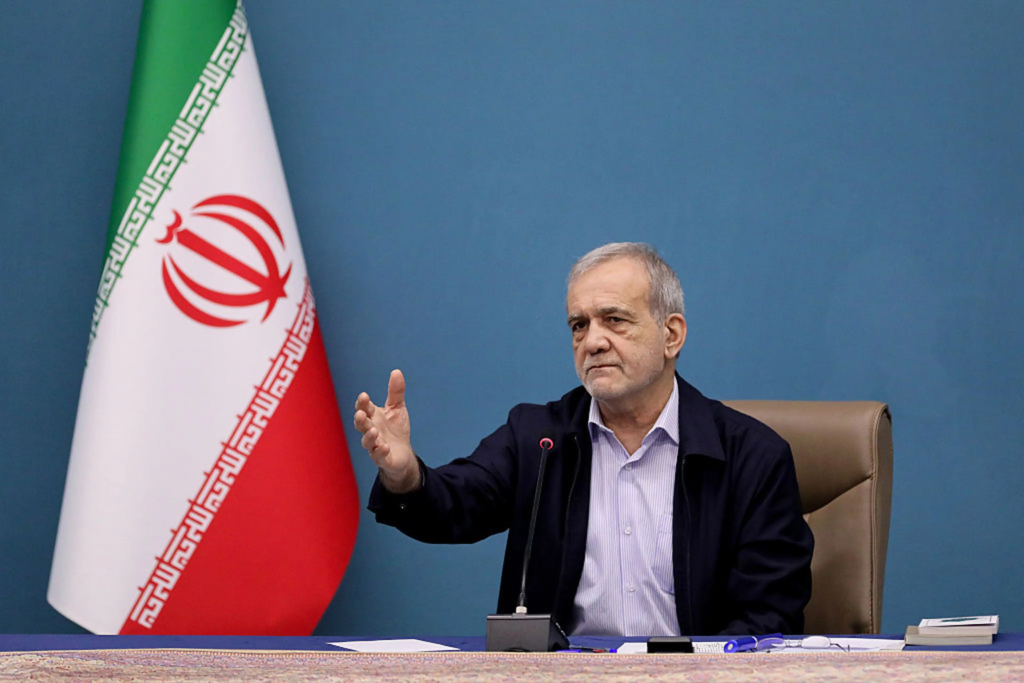
If you have looked at international news recently, you might have noticed a massive story quietly threatening to shake up everything from your local gas prices to the cost of your weekly groceries. Iran has officially laid down its list of strict conditions for guaranteeing safe passage through the Strait of Hormuz.
The Strait of Hormuz is not just another random stretch of water on a map. It is the single most important choke point for world oil transportation.
When things get tense in this narrow body of water, global energy markets panic immediately. Shipping companies hold their breath, oil prices spike, and world leaders rush to emergency meetings.
Why did Iran put up roadblocks in the first place? What will it actually take to get ships moving smoothly again without fear of confrontation?
Let us break down this complicated international situation in clear, simple terms so you can understand what is happening, why it matters, and how it impacts you.
The $0 Secret To Launching Your Entire Online Empire
Why pay hundreds every month for separate software? Build funnels, send emails, and make sales with Systeme.io completely free.
Get Started For $0Free Forever • No Credit Card Needed • Beginner-Friendly
Why the Strait of Hormuz Is the World’s Most Important Waterway
To understand why Iran’s new conditions are making headlines around the world, you first have to realize just how critical this body of water is to modern life.
The Strait of Hormuz is a narrow ocean passage located between Oman and Iran. It connects the Persian Gulf with the Gulf of Oman and the wider Arabian Sea. At its narrowest point, the shipping lane is only about twenty-one miles wide. That is narrower than the distance of a standard marathon.
Yet, despite its small physical size, a massive amount of the world’s liquid energy flows right through this tiny gap every single day.
A Vital Pipeline for Global Energy
According to energy tracking data from the U.S. Energy Information Administration, roughly twenty percent of the world’s total petroleum consumption passes through this narrow channel. That means one out of every five barrels of oil consumed across the planet moves through this exact spot.
It is not just crude oil making the journey. Huge shipments of Liquefied Natural Gas, which powers electricity grids and heats millions of homes across Europe and Asia, also travel this exact route.
The Chokepoint Effect
Because there are very few alternative pipelines available to move this volume of oil around the region, the Strait of Hormuz is considered a strategic bottleneck.
If traffic stops or becomes dangerous here, there is no easy backup plan. Ships cannot simply take a quick detour around the block. Rerouting cargo vessels around entire continents adds weeks of travel time and burns millions of dollars in extra fuel.
The Core Demands: What Iran Wants Before Restoring Normal Traffic
Tensions in the Persian Gulf have reached a high point, leading Iranian authorities to increase military patrols and tighten control over ship traffic. Iranian leaders have clearly stated that normal, unrestricted navigation will only return if specific conditions are met.
While diplomatic negotiations are happening behind closed doors, Tehran has laid out several key requirements to open the waterway completely.
1. Complete Relief from Economic Sanctions
At the top of Iran’s priority list is the immediate lifting of heavy economic sanctions. For years, Western nations have imposed strict economic restrictions on Iranian banks, oil exports, and trade networks.
Iranian officials argue that if global trade relies so heavily on their coastal waters, their own national economy should be allowed to trade freely with the rest of the world. They are demanding relief from global financial restrictions as a baseline for cooperation.
2. Removal of Foreign Military Escorts
Another major demand involves the presence of foreign navies in the Persian Gulf. United States warships, along with naval vessels from several European nations, regularly patrol these waters to protect commercial oil tankers.
Tehran views these foreign warships not as security providers, but as an aggressive foreign presence right on their border. Iranian military leaders are demanding that Western powers withdraw or significantly reduce their naval fleet in the region, arguing that local Gulf nations should manage regional security on their own.
3. Guarantees for Unrestricted Iranian Oil Exports
Iran wants clear international guarantees that its own oil tankers can travel to buyers without fear of seizure or trade penalties.
In recent years, several Iranian-flagged ships have been intercepted or detained in international waters due to sanction enforcement. Tehran insists that if foreign ships expect safe, unhindered passage through Hormuz, Iranian vessels must receive the exact same treatment across global waters.
Send, Spend & Hold Money Worldwide Without Hidden Fees
Transfer money internationally at the real exchange rate and hold 40+ currencies in one account.
Open a Wise AccountMid-market rate • Fast transfers • 40+ currencies
4. Halting Regional Conflicts and Military Operations
Finally, Iran’s conditions are tied directly to broader political tensions in the Middle East. Iranian leaders have made it clear that maritime stability in the strait will remain unpredictable as long as military campaigns continue against their regional allies.
They are using control over the strait as economic leverage to push for immediate ceasefires and an end to foreign military interventions across the region.
How Global Powers and Shipping Fleets Are Responding
The international community has reacted to Iran’s demands with deep concern. The economic stakes could not be higher, and governments around the globe are trying to figure out their next move.
World powers are currently split on how to handle Tehran’s ultimatum, creating a delicate balance between military defense and diplomatic talks.
The Position of Western Nations
The United States and its Western allies have rejected the idea that Iran can legally restrict passage through international shipping lanes.
Naval forces have increased patrols near the strait to deter potential ship seizures and reassure commercial shipping companies. Official guidance from international bodies like the International Maritime Organization stresses that international law protects the right of transit passage for all commercial vessels.
However, military experts acknowledge that guarding every single commercial tanker twenty-four hours a day is nearly impossible, making a negotiated political solution necessary.
The Reaction from Asian Markets
Nations across Asia are watching these developments with urgent concern. Major economies like China, Japan, India, and South Korea rely heavily on crude oil imports originating from the Persian Gulf.
For these countries, any long shutdown or serious delay in the Strait of Hormuz poses a direct threat to factory production, power grids, and domestic energy prices. As a result, diplomats from these nations are actively pushing for peaceful talks to avoid a full-scale energy shortage.
The Impact on Shipping Companies and Insurers
Commercial shipping companies are taking precautions to keep their fleets safe. Many ship operators have ordered their vessels to travel at reduced speeds or wait for naval escorts before entering the Persian Gulf.
The $0 Secret To Launching Your Entire Online Empire
Why pay hundreds every month for separate software? Build funnels, send emails, and make sales with Systeme.io completely free.
Get Started For $0Free Forever • No Credit Card Needed • Beginner-Friendly
At the same time, marine insurance companies have raised insurance rates for vessels operating in the region. These rising insurance costs mean that even ships continuing their journeys are paying significantly more money to transport basic goods.
How This Situation Hits Your Daily Wallet
It is easy to view tension in the Persian Gulf as a distant political issue that only matters to diplomats and big corporations. In reality, what happens in the Strait of Hormuz trickles down directly into your everyday living expenses.
Spikes in Gas Prices
The moment news breaks that oil traffic in the strait might be interrupted, global crude oil prices jump on financial exchanges.
Because crude oil is refined into gasoline and diesel, higher crude prices turn into higher costs at your local gas station almost immediately. Even a short disruption in the Gulf can cause pump prices to jump unexpectedly.
Higher Costs for Groceries and Everyday Items
Fuel is the hidden cost behind almost everything you buy. Trucks, trains, freight planes, and cargo ships all rely on fuel derived from crude oil.
When fuel costs rise, the cost of moving food from farms to grocery store shelves goes up, too. The exact same rule applies to clothing, household items, and electronics. Manufacturers pass these higher shipping costs directly onto shoppers, driving up general inflation.
Staying Updated in the Digital Age
In today’s fast-moving environment, global events develop quickly, and financial markets react in real time. Staying informed on these trends helps everyday people make smarter budgeting decisions.
Many content creators use simple tools like YouTube automation to deliver quick video news updates, helping millions of viewers stay informed on market changes as they happen.
At the same time, massive advancements in technology and AI are helping shipping companies recalculate trade routes and predict price changes instantly, helping reduce delays during global supply disruptions.
Can Iran Legally Block the Strait of Hormuz?
A major question many people ask is whether Iran actually has the legal authority to close off this body of water whenever it wants.
The legal status of the Strait of Hormuz is governed by international maritime law, specifically the United Nations Convention on the Law of the Sea.
Understanding Transit Passage Rules
Under international law, the waters of the strait lie within the territorial sea limits of Iran and Oman. However, because it is an international strait connecting open oceans, all ships—including commercial cargo vessels—enjoy the right of transit passage.
This means commercial ships have the right to travel through the passage continuously and without interference, as long as they do not pose a direct threat to the safety of the coastal nations.
The Argument Over Territorial Borders
Iran points out that its navy has full responsibility to defend its coastal borders and national security. Tehran argues that foreign warships and vessels carrying sanctioned goods do not qualify for peaceful passage.
This disagreement over maritime rights is why the area remains a constant legal and military flashpoint between Iran and Western nations.
Frequently Asked Questions (FAQs)
What is the Strait of Hormuz and where is it located?
The Strait of Hormuz is a narrow waterway located between Iran and Oman. It connects the Persian Gulf with the Gulf of Oman and the Arabian Sea, serving as the main sea route for oil exported from the Middle East.
Why is the Strait of Hormuz so important to the world?
About twenty percent of the entire world’s petroleum supply passes through this single narrow channel. Any blockade or disruption here reduces the global oil supply, leading to higher energy and shipping prices worldwide.
What are Iran’s main conditions for reopening the waterway fully?
Iran wants economic sanctions lifted, the removal of Western warships from the Persian Gulf, guaranteed freedom to export its own oil, and an end to foreign military operations in the region.
How does this conflict affect gas prices at home?
When tensions rise in the strait, energy traders worry about potential oil shortages. This fear pushes up global crude oil prices, which directly leads to higher fuel prices at local gas pumps.
Can ships simply take a different route around the strait?
There are very few alternative pipelines available in the region, and none of them can handle the total volume of oil that flows through the strait. Rerouting ships around entire continents takes significantly longer and costs much more money.
What Lies Ahead for Global Trade and Energy
The current situation in the Strait of Hormuz remains a complex game of international diplomacy and economic strategy.
While Iran’s conditions are tough, diplomatic conversations between global powers are ongoing. Leaders on all sides understand that a full, long-term closure of the strait would deal a heavy blow to the global economy, including nations that maintain regular trade ties with Iran.
For now, energy markets will remain on high alert, reacting to every diplomatic announcement and naval movement in the Persian Gulf. Finding a practical resolution that keeps trade routes open while addressing security concerns is one of the most critical challenges facing world leaders right now.
To stay updated on breaking world news, trending global stories, and clear breakdowns of complex topics, feel free to visit our homepage or send us a message through our contact us page.
You can also join the conversation and share your thoughts with our growing online community! Follow us on Instagram, catch our latest updates on Facebook, and follow our live news updates on X (formerly Twitter).
