
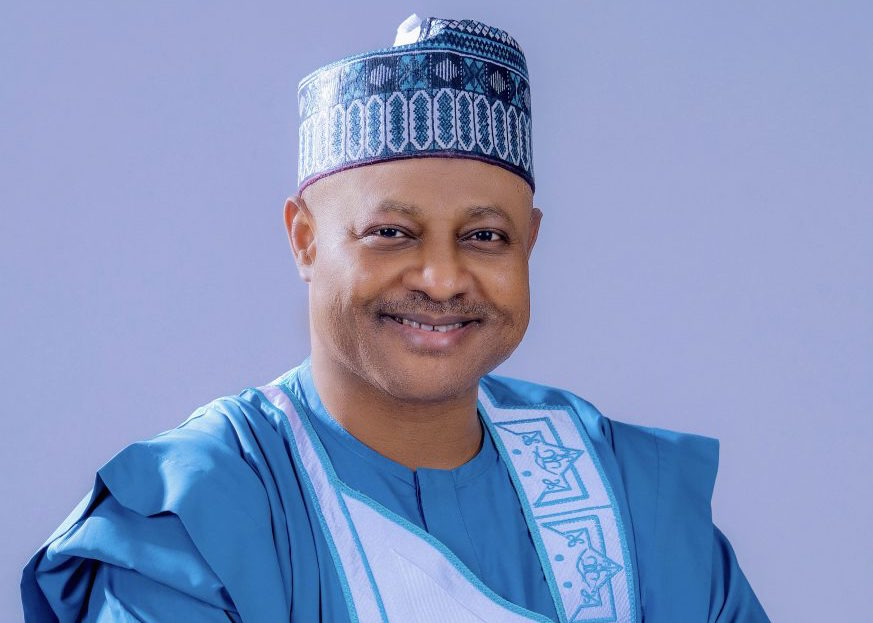
Nigerian politics is always full of bold statements, but every now and then, a declaration comes along that gets the whole country talking. Kaduna State Governor Uba Sani sparked intense public debate across the nation when he claimed that Northern Nigeria would deliver 95 percent of its votes to President Bola Ahmed Tinubu in the next presidential election.
For anyone who follows political news in Nigeria, a statement like that instantly grabs attention. Northern Nigeria holds a massive voter base, and securing strong numbers in the region is usually the key to winning the presidency. When a key governor from the region makes a claim of this size, people naturally want to understand what is driving the statement and whether it reflects political reality.
What Governor Uba Sani Actually Said
Governor Uba Sani made this bold claim during a major political gathering where party leaders and supporters discussed regional politics and governance. He expressed firm confidence that the North remains solidly behind President Tinubu, despite current economic challenges facing households across the country.
According to the governor, this confidence comes from several factors. He pointed to top federal appointments given to Northern leaders, ongoing infrastructural projects across Northern states, and steady efforts by the federal government to tackle security challenges in the region. In his view, these actions show that the administration values Northern interests and is working hard to meet their needs.
National news platforms like Vanguard News and Punch Newspapers quickly picked up the story, driving heavy discussion in political circles. But to really understand what this means, we need to look beyond the immediate headlines and explore how Northern political influence actually works.
The $0 Secret To Launching Your Entire Online Empire
Why pay hundreds every month for separate software? Build funnels, send emails, and make sales with Systeme.io completely free.
Get Started For $0Free Forever • No Credit Card Needed • Beginner-Friendly
Why Northern Votes Matter So Much in Nigerian Elections
To understand why this 95 percent figure created such a stir, it helps to understand how presidential elections work in Nigeria. Nigeria is divided into six geopolitical zones, and the three Northern zones—North-West, North-East, and North-Central—account for a very large portion of registered voters nationwide.
States with high population numbers like Kano, Kaduna, Katsina, and Jigawa have historically turned out in massive numbers on election day. Because of these large numbers, no candidate has won the Nigerian presidency in modern history without building a strong political coalition that includes Northern voters.
In the 2023 presidential election, voting across the North was split among several main candidates. That multi-party battle made the election one of the most competitive in Nigeria’s history. Because votes were so divided back then, claiming that one candidate will sweep 95 percent of the entire region next time is a massive statement.
Is a 95 Percent Vote Share Realistic?
Political analysts and commentators were quick to analyze the governor’s statement. Getting 95 percent of the vote in any democratic region is extremely difficult, especially in a region as large and diverse as Northern Nigeria.
Northern Nigeria is not a single political block where everyone votes the same way. The region contains hundreds of different ethnic groups, multiple religions, and deeply competing local political interests. What voters care about in a commercial hub like Kano might be very different from what matters to farmers in Benue or traders in Taraba.
In past elections, even legendary regional political figures rarely secured up to 90 percent of votes across the entire North. Opposition parties also hold strong ground across several Northern states. The New Nigeria People’s Party has deep voter loyalty in Kano, while the People’s Democratic Party governs several key Northern states.
When political figures use numbers like 95 percent, they are often using political language to project confidence. It is a way of showing absolute loyalty to their political party and signaling strength to political rivals. It tells party supporters that leaders are united and actively working together.
What Northern Voters Care About Most
While political leaders focus on vote percentages and party strategy, everyday citizens across Northern Nigeria are focused on practical daily issues. How people vote when election day arrives usually depends on how their lives are changing on the ground.
Security remains the single biggest concern for families across many Northern communities. Citizens want safe highways, secure farmland, and a permanent end to banditry and insurgency. Any administration that brings clear, measurable improvements to community safety will earn genuine support from local residents.
The cost of living and food security are equally critical. High prices for farming inputs like fertilizer and seeds, rising transportation costs, and high food prices affect millions of families daily. Voters across Northern cities and villages are looking for policies that lower living costs, boost local farming, and create real jobs for young people.
How the Political Opposition and the Public Reacted
As expected, opposition political parties responded quickly to Governor Uba Sani’s comments. Opposition spokespersons argued that the governor’s statement does not match the everyday realities facing ordinary citizens.
They pointed out that economic pressure and high living costs are affecting voters across all regions of Nigeria, including the North. According to opposition leaders, voters will judge the current administration based on their personal living standards, food prices, and security rather than political promises made by governors.
Public discussion on social media has also been very active. Nigerians on platforms like X, Facebook, and Instagram have shared widely different opinions. Some support the governor’s view, pointing to key regional projects, while others see the comment as typical political hype meant for headlines.
How Digital Media Shapes Political News Today
Political stories like this no longer stay contained in physical newspapers or evening television broadcasts. Today, breaking political news travels fast through online news blogs, social media posts, and independent content creators.
Digital creators frequently break down complex political developments for online audiences. Many content creators use tools like YouTube Automation to build media channels that explain national news, policy decisions, and electoral politics to viewers across the globe.
Send, Spend & Hold Money Worldwide Without Hidden Fees
Transfer money internationally at the real exchange rate and hold 40+ currencies in one account.
Open a Wise AccountMid-market rate • Fast transfers • 40+ currencies
At the same time, new systems built around Technology and AI are helping researchers track public sentiment, analyze political data, and identify trending topics online. Technology is changing how voters get their news, check political claims, and join political conversations in real time.
How Citizens Can Stay Smart and Informed
When major political statements dominate the news cycle, it helps to step back and examine the facts carefully. Statements made by governors, party leaders, and political commentators are part of standard political strategy and campaign preparation.
As an active citizen, watching what leaders actually deliver is far more valuable than focusing only on political speeches. Look at infrastructure projects in your local area, follow government spending reports, track security updates, and evaluate how policies affect your personal finances.
Staying informed with clear, straightforward news helps you make confident decisions as a voter. You can learn more about WhatsBuzzN to see how our team breaks down complex political and viral news into simple, easy-to-read stories. If you ever want to share your thoughts or send a story tip, feel free to reach out through our contact page.
Frequently Asked Questions
What did Governor Uba Sani say about President Tinubu?
Governor Uba Sani of Kaduna State stated that Northern Nigeria would give President Bola Ahmed Tinubu 95 percent of its votes in the next presidential election, citing federal appointments and development projects in the region.
Why are Northern votes so important in Nigerian elections?
Northern Nigeria contains three of the nation’s six geopolitical zones and holds a large percentage of total registered voters. Candidates generally need strong vote counts in the North to win a presidential election.
Is it common for a political region to give 95 percent of its votes to one candidate?
In a multi-party democracy like Nigeria, getting 95 percent of votes across an entire region is extremely rare. Northern Nigeria has diverse political interests, and different political parties govern various states across the region.
What key issues matter most to Northern voters?
Northern voters are primarily focused on security, food prices, agricultural support, affordable transportation, job creation, and general economic stability.
How can I follow everyday updates on Nigerian political news?
You can follow verified news outlets, read analytical commentary on digital news platforms, and follow active social discussions on platforms like Facebook, X, and Instagram.
The Road Ahead in Nigerian Politics
Political claims and counter-claims will continue to build as Nigeria moves toward future election cycles. Governor Uba Sani’s prediction about Northern votes highlights just how crucial the region remains in national political planning.
The $0 Secret To Launching Your Entire Online Empire
Why pay hundreds every month for separate software? Build funnels, send emails, and make sales with Systeme.io completely free.
Get Started For $0Free Forever • No Credit Card Needed • Beginner-Friendly
Ultimately, political declarations are tested on election day. Voters across Northern states and the entire country will evaluate leaders based on tangible results—safer communities, a stronger economy, and improved living standards for everyday families. Staying informed and following reliable news updates will keep you ahead of the conversation as political events continue to unfold.
