
Music has always been a massive part of how people celebrate, share stories, and express themselves. Right now, Afrobeats is easily one of the biggest sounds on the planet. From packed stadiums in London and New York to everyday street corners in Lagos, the energetic beats get millions of people moving every single day.
However, not everyone is thrilled about the words being sung over these catchy beats.
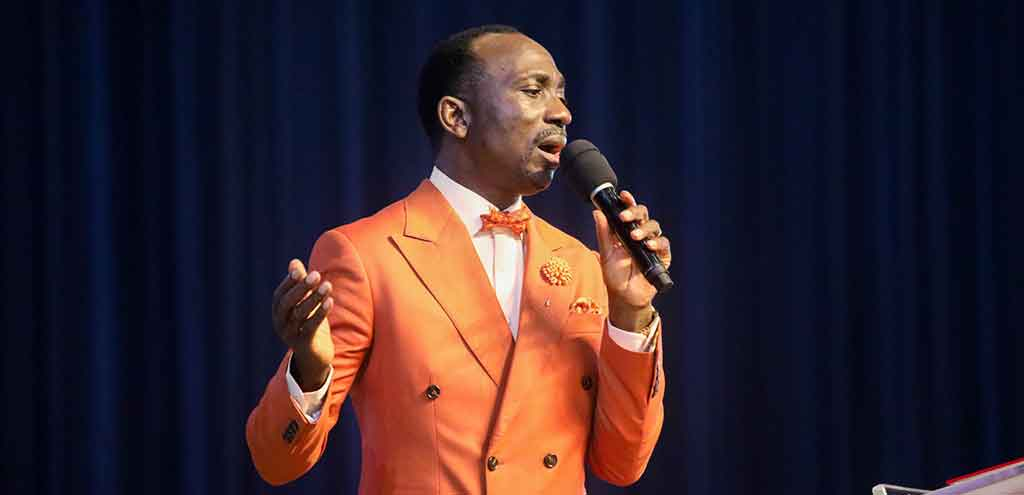
Dr. Paul Enenche, the Senior Pastor of Dunamis International Gospel Centre in Abuja, sparked a widespread online discussion when he openly criticized popular Afrobeats artists during a sermon. He claimed that many secular musicians sing absolute nonsense and are actively corrupting the moral values of young people across the country.
The pastor’s comments immediately set social media on fire. Some people strongly agree with him, claiming that modern music has lost its moral compass. Others believe he is being unfairly hard on artists who are simply entertaining fans and making an honest living in a tough economy.
At WhatsBuzzn, we focus on trending stories that get people thinking and talking. Let us look closely at what Pastor Paul Enenche said, why his words caused such a strong reaction, and what this ongoing clash between faith, music, and youth culture actually means.
The $0 Secret To Launching Your Entire Online Empire
Why pay hundreds every month for separate software? Build funnels, send emails, and make sales with Systeme.io completely free.
Get Started For $0Free Forever • No Credit Card Needed • Beginner-Friendly
What Did Pastor Paul Enenche Say About Afrobeats?
Pastor Paul Enenche is well known for his passionate and straightforward sermons. During a recent church service, he decided to address the congregation about the type of music young people consume daily.
He explained that many modern secular songs do not offer any real moral guidance or positive messages. According to him, a large portion of popular music focuses heavily on vanity, quick wealth, smoking, drinking, and bad behavior. He voiced deep concern about how young people recite these lyrics word for word without reflecting on the actual meaning behind them.
The preacher pointed out that in earlier decades, songs usually carried clear moral lessons, deep wisdom, and respect for societal values. In contrast, he feels today’s chart-topping tracks are filled with meaningless phrases that pull young people away from spiritual growth and personal discipline.
He warned parents and church members to pay close attention to what enters their ears and minds. His main point was straightforward: whatever you listen to constantly will eventually shape your thoughts, speech, and choices.
When high-profile church leaders make bold statements like this, it always stirs up heavy public debate. As reported by major news platforms like Vanguard Newspaper and Punch Newspapers, comments about pop culture from the pulpit frequently trigger discussions across the entire country.
Why the Pastor’s Comments Triggered Such a Huge Argument
As soon as video clips of the pastor’s sermon hit the internet, online users quickly divided into two opposing sides. The conversation dominated forums, comment sections, and radio shows.
The Side That Supports the Pastor
Many parents, older community members, and dedicated churchgoers stood firmly behind the preacher. They felt he was simply stating what many adults have been thinking for a long time.
Their argument centers on the themes highlighted in popular songs. They point out that a lot of modern hits talk endlessly about fast cars, heavy spending, illicit money, and wild party lifestyles. They worry that young teenagers, who are still developing their worldview, might start believing that quick cash and endless partying are the only goals worth pursuing.
For this group, the pastor is taking a necessary stand to protect the character and future of the younger generation.
The Side That Disagrees With the Pastor
On the other side of the debate, music fans, young people, and industry insiders felt the pastor was being unnecessarily harsh. They argued that Afrobeats is one of the brightest spots in the country today.
They pointed out that the music industry creates thousands of jobs for singers, producers, sound engineers, dancers, video directors, and event promoters. It brings immense international respect and massive investment into the country.
Furthermore, many fans argued that music does not always have to be a sermon. Sometimes people listen to music just to relax, dance, and get a temporary break from real-life stress and economic hardship. They also stressed that blaming musicians for youth corruption ignores bigger issues like unemployment, poverty, and weak educational systems.
The Unstoppable Rise of Afrobeats on the Global Stage
To fully grasp why fans feel so protective of Afrobeats, it helps to understand how massive the genre has become over the past few years.
Afrobeats is no longer just a local West African sound. It is an international powerhouse. Major artists like Burna Boy, Wizkid, Davido, and Rema routinely sell out world-famous venues and rack up billions of digital streams.
Young creators use digital platforms to take their local sounds and share them with a global audience. If you want to see how modern creators build massive online audiences using smart digital strategies, take a look at our guide on YouTube Automation concepts to learn how content travels around the world today.
Send, Spend & Hold Money Worldwide Without Hidden Fees
Transfer money internationally at the real exchange rate and hold 40+ currencies in one account.
Open a Wise AccountMid-market rate • Fast transfers • 40+ currencies
Because of this monumental global success, Afrobeats has given millions of young Africans a deep sense of pride. It proves that young people can use their raw talent to lift themselves and their families out of poverty. When a religious leader describes these songs as nonsense, many fans view it as downplaying the hard work of talented young creatives.
Looking at the Lyrics: Is There Any Truth to the Concern?
Even though Afrobeats brings immense economic value and joy, it is still worth taking an objective look at the lyrics. Is there any truth to the pastor’s worries?
Let us examine some of the common themes found in modern pop tracks:
- Focus on Fast Wealth: A large number of popular tracks glorify lavish lifestyles and quick money. While ambition is a good thing, some lyrics make it sound as though acquiring wealth is all that matters, regardless of how it is made.
- Substance Promotion: References to heavy drinking, smoking, and recreational substances show up regularly in music videos and lyrics. When these themes repeat constantly, they can start to look normal or fashionable to younger listeners.
- Shallow Relationships: Many songs portray romantic relationships in a superficial way, putting almost all the focus on physical appearance and money rather than mutual respect and commitment.
At the same time, it is unfair to paint the entire genre with a single brush. Plenty of Afrobeats tracks speak about perseverance, trusting God, honoring parents, and overcoming difficult circumstances. However, the songs that go viral fastest on social media are often the ones centered around club culture and fast living.
Preachers vs. Popular Music: An Ongoing Historical Clash
This clash between religious figures and pop musicians is not a brand-new phenomenon. History shows that older generations and religious leaders have almost always clashed with the popular music of their era.
Decades ago, when Reggae music first gained traction, many churches warned believers to stay away from it. When Hip-Hop emerged in the United States during the late 1970s and 1980s, religious groups criticized its aggressive tone and street language. Even early Highlife and the original Afrobeat pioneer Fela Kuti faced strong pushback from conservative leaders during their peak years.
Music naturally evolves with every new generation. Young people use music as an outlet for their energy, dreams, and frustrations. Meanwhile, older leaders worry that new trends will weaken established moral boundaries. What we are seeing between Pastor Paul Enenche and Afrobeats is simply the latest chapter in a long-standing cultural conversation.
How Modern Technology Amplifies the Noise
In past decades, a sermon preached inside a church stayed mostly within those four walls. But modern technology has completely rewritten the rules of communication.
Thanks to rapid developments in smart Technology and AI algorithms, video clips move across the internet in seconds. Platforms are designed to highlight dramatic statements and heated debates because that is what keeps people clicking and commenting.
This means a short clip from a sermon in Abuja can turn into a worldwide debate across Lagos, London, and Atlanta in less than an hour. Likewise, a 15-second song snippet can go viral on TikTok before most people have even heard the full track.
The $0 Secret To Launching Your Entire Online Empire
Why pay hundreds every month for separate software? Build funnels, send emails, and make sales with Systeme.io completely free.
Get Started For $0Free Forever • No Credit Card Needed • Beginner-Friendly
Because information moves so fast online, statements often sound more dramatic than intended. A pastor’s pastoral advice to his church can easily morph into a full-scale internet war between religious groups and music fans.
Who Is Really Responsible for Youth Morals?
While music clearly has an influence on listeners, blaming artists entirely for societal problems misses several important factors. Moral development depends on multiple influences across society.
1. The Role of Parents and Family
Parents remain the primary builders of character. A young person might listen to a three-minute song several times a day, but the consistent values taught at home leave a much deeper impression. Expecting musicians to raise well-behaved children is asking pop stars to carry out a duty meant for parents.
2. The Role of Religious Leaders
Pastors, imams, and spiritual mentors have a duty to guide their followers spiritually. When Pastor Enenche speaks out against lyrics he considers harmful, he is fulfilling what he views as his responsibility to protect his congregation’s moral health.
3. The Role of Musicians
Musicians are both creative artists and business professionals. While they have the creative freedom to write what they want, famous artists hold serious social power. When millions of fans repeat your words daily, your voice matters. Finding a thoughtful balance between making entertaining music and being mindful of your audience can go a long way.
4. The Role of the Listener
At the end of the day, listeners must use their own judgment. Enjoying a song for its energetic beat does not mean a person has to adopt every behavior described in the lyrics. People can appreciate great music while keeping their personal values intact.
Practical Ways to Enjoy Music Mindfully
You do not have to abandon your favorite songs to maintain strong personal values. Here are a few practical ways young listeners strike a healthy balance:
- Separate Art From Real Life: Remember that music videos and lyrics are often exaggerated stories designed for entertainment, not instructions for how to live daily life.
- Filter What You Consume: Pay attention to how different songs make you feel and think. If a particular artist or track promotes ideas that conflict with your personal goals or peace of mind, simply skip it.
- Support Conscious Artists: Many Afrobeats singers write deeply inspiring, positive, and conscious music. Supporting these artists encourages the wider music industry to create more meaningful tracks.
- Diversify Your Audio Habits: Avoid listening exclusively to party tracks all day long. Mix up your audio library with educational podcasts, inspiring audiobooks, and different genres of music.
Frequently Asked Questions (FAQs)
Did Pastor Paul Enenche call out specific Afrobeats artists by name?
No, Pastor Enenche did not call out any specific singers by name in his sermon. He spoke generally about the overall trends in modern secular music and the themes common in popular lyrics today.
Why do religious leaders often criticize secular music?
Religious leaders focus on spiritual growth, moral discipline, and modest living. They feel that much of secular pop music highlights themes like heavy drinking, greed, and sexual immorality, which run counter to religious teachings.
Is Afrobeats harmful to young people?
Afrobeats as a genre is not inherently harmful. It is a vibrant art form that showcases immense African talent and brings people together. However, individual song lyrics vary greatly, and some tracks contain themes that parents or spiritual leaders consider unsuitable for younger audiences.
Can Christians listen to secular Afrobeats songs?
That comes down to individual beliefs, personal conviction, and conscience. Some Christians choose to avoid secular music completely, while others enjoy neutral or positive tracks while avoiding songs with explicit or questionable lyrics.
Where can I read more trending news and viral stories?
You can discover more engaging articles about current events, culture, and entertainment news on our About Us page or get in touch with our editorial team directly through our Contact Page.
Final Thoughts
The debate sparked by Pastor Paul Enenche highlights the natural tension between faith, traditional values, and evolving youth culture. While spiritual leaders will always push for high moral standards, artists will continue creating music that reflects their personal experiences and keeps audiences entertained.
Afrobeats has brought incredible pride, international recognition, and economic opportunities to young Africans everywhere. At the same time, asking thoughtful questions about how music lyrics influence young minds remains a completely fair and important conversation.
Finding a healthy balance is key. Young people can proudly celebrate their cultural sounds and enjoy great music while holding onto strong personal principles, clear thinking, and good character.
What is your take on Pastor Paul Enenche’s comments? Do you agree with his concerns about modern song lyrics, or do you feel Afrobeats is just harmless fun?
Connect with us on our social channels to join the conversation and share your thoughts:
- Follow us on Instagram
- Join our community on Facebook
- Share your voice on X (formerly Twitter)
