
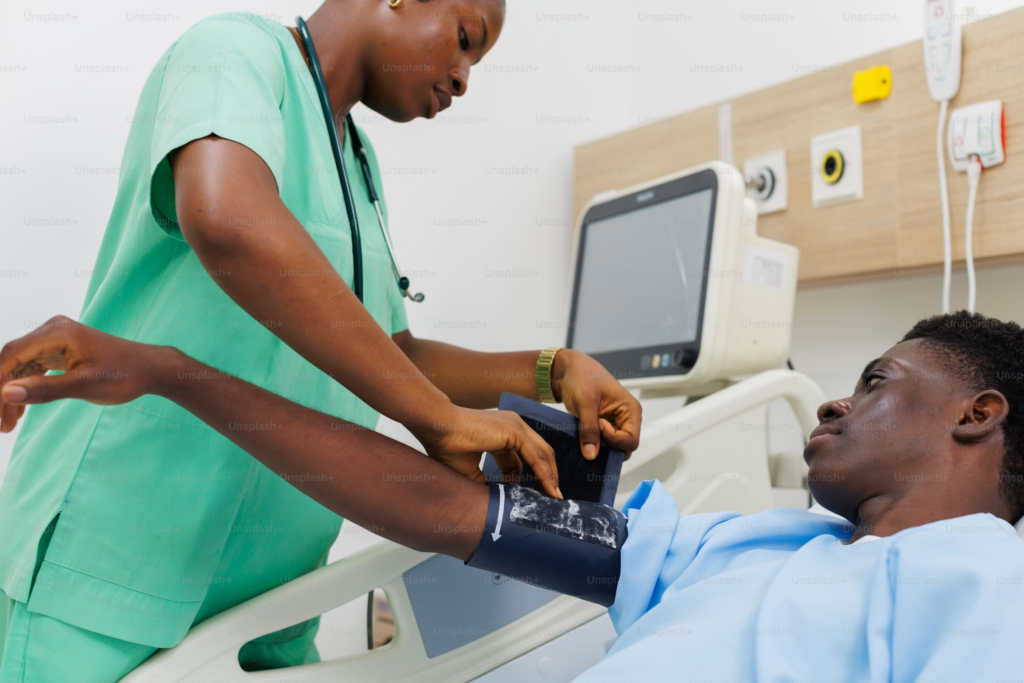
Imagine walking into a busy public hospital in Lagos, Abuja, or Ibadan and waiting for hours just to see a single doctor. When you finally get called into the consultation room, you notice the doctor looks visibly exhausted, having worked a 24-hour shift without any real break. This scenario is no longer an exception in Nigeria. It has become the daily reality for millions of citizens seeking basic healthcare.
Behind this growing crisis is a massive shift happening across the country. Developed nations are recruiting Nigerian medical talent at an unprecedented rate. Over 20,000 Nigerian health workers packed their bags and relocated abroad in a single year alone. From top-tier neurosurgeons and specialists to frontline nurses, laboratory scientists, and pharmacists, the skilled professionals who keep the health system running are packing up to build new lives overseas.
At WhatsBuzzn, our goal is simple: break down major global events and trending topics so you stay informed on what matters most. The ongoing mass exit of health personnel—often referred to locally as the Japa wave—is one of the most critical issues facing Nigeria today. Understanding why this is happening, where these professionals are going, and what it means for everyday citizens is essential for anyone following global labor trends and African social development.
Unpacking the 20,000 Number
When people talk about medical brain drain, it can sound like abstract statistics. However, official numbers paint a very clear picture of what is taking place on the ground.
According to recent findings highlighted in official health reports and covered by media outlets like Punch Healthwise, more than 20,966 Nigerian-trained health workers relocated overseas within just twelve months. This is not limited to one specific group of specialists. The exit cuts across almost every vital area of medical practice:
Build Funnels, Email Lists & Sell Online With One Free Tool
Create funnels, send emails, and sell online using Systeme.io without paying for multiple tools.
Create Free AccountFree forever • No credit card • Beginner-friendly
- Doctors: Nearly 4,000 medical doctors left the country within the year.
- Nurses and Midwives: Over 7,400 nurses and midwives relocated abroad, making them the largest single professional group leaving.
- Laboratory Professionals: More than 6,800 medical laboratory scientists left their posts in local diagnostics and research labs.
- Pharmacists and Physiotherapists: Hundreds of pharmacists, physiotherapists, and specialized technicians joined the move.
To understand how heavy this blow is, consider Nigeria’s current population of over 200 million people. The World Health Organization recommends a minimum ratio of roughly 1 doctor for every 600 patients. In Nigeria, official data reveals that out of over 95,000 registered doctors, only about 60% hold active practicing licenses, and even fewer are actively employed within local hospitals. That leaves the actual doctor-to-patient ratio in Nigeria closer to 1 doctor for every 3,500 people. When 20,000 trained health professionals leave in a single year, the system feels the loss instantly.
Why Doctors and Nurses Are Leaving in Droves
Healthcare workers do not give up their jobs, leave behind family members, and move thousands of miles away on a whim. The decision to relocate is driven by intense domestic pressure combined with attractive opportunities in wealthy nations.
The Salary Disparity
One of the primary drivers behind the exodus is economic survival. Medical professionals spend years in demanding university courses and hospital training programs. Yet, after graduating and joining the workforce, many receive compensation that struggles to cover basic living expenses amidst high inflation.
In many government-owned facilities, doctors and nurses deal with delayed salary payments, unpaid hazard allowances, and stagnant pay scales. When compared to compensation packages in Western nations, the gap is massive. A doctor or nurse in the UK, North America, or the Middle East can earn significantly more in a single month than they would earn in an entire year at home. For health professionals trying to provide for extended families and build a secure future, moving overseas offers financial stability that is simply hard to find locally.
Dangerous Work Environments and Lack of Supplies
Beyond pay, working conditions in many health facilities create extreme daily stress. Medical staff frequently work with outdated machinery, broken equipment, and unreliable electricity. Basic items like sterile gloves, syringes, or essential diagnostic kits are sometimes scarce, leaving workers with the painful responsibility of asking patients to buy their own supplies before treatment can start.
Research on health system challenges published on PMC points out that working in under-resourced hospitals takes a heavy emotional and physical toll. Doctors and nurses experience deep frustration when they know exactly how to treat a patient but lack the basic tools needed to save a life. Over time, this constant emotional strain turns into burnout.
Personal safety has also become a major concern. Incidents of harassment in emergency rooms, alongside threats of abduction in remote regions, have pushed safety to the top of the list when health workers weigh their options.
Where Are Nigerian Healthcare Professionals Going?
High-income nations across Western Europe, North America, and the Middle East are experiencing severe healthcare shortages of their own. Aging populations and increased demand for clinical services have pushed these countries to actively recruit foreign-trained medical personnel.
The United Kingdom
The UK remains the top choice for migrating Nigerian doctors and nurses. Data from the British General Medical Council shows that over 15,800 Nigerian-trained doctors are currently licensed to practice in the UK. Nigerian medical staff now represent one of the largest foreign-trained workforces within the National Health Service (NHS).
The appeal of the UK comes down to structured career advancement, clear licensing pathways, and streamlined visa routes designed specifically for healthcare workers.
The United States and Canada
The United States and Canada also attract thousands of Nigerian health workers every year. While licensing examinations in North America can be tough and expensive, the potential long-term earnings, access to cutting-edge medical technology, and options for permanent residency make the journey attractive to many doctors and nurses.
The Middle East and Europe
Countries like Saudi Arabia, the United Arab Emirates, and Germany have increasingly entered the recruitment space. Gulf nations often offer tax-free salaries, free housing allowances, and lucrative short-term contracts that appeal to experienced consultants and senior specialists looking to build savings quickly.
What This Exodus Means for Everyday Citizens
The departure of 20,000 health workers in one year creates direct consequences for every citizen reliant on local healthcare. When skilled medical staff leave, the entire healthcare delivery pipeline slows down.
Extended Wait Times and Overworked Staff
For patients, the immediate result is longer wait times at clinics and general hospitals. Hospital wards that used to run with five or six doctors on duty may now operate with just one or two. Patients often spend all day in waiting rooms for a few minutes of attention, while elective procedures and surgeries get delayed for months due to a shortage of surgeons and anesthetists.
The medical staff who choose to stay behind face immense pressure. They take on double shifts and handle far more patients than recommended, leading to chronic exhaustion, higher risks of medical errors, and general job dissatisfaction. This creates a vicious cycle: as the workload becomes unmanageable, more workers burn out and decide to pack their bags, placing even more strain on those who remain.
Declining Quality of Care and Training Gaps
The loss of senior medical talent—including consultant surgeons, specialized pediatricians, and chief nurses—leaves a massive gap in expert care. When senior doctors relocate, teaching hospitals lose the experienced mentors needed to guide young resident doctors, interns, and nursing students.
This brain drain directly affects important health measures nationwide, including maternal healthcare, child treatment, and emergency response capabilities. When emergency wards lack enough trained hands, manageable health complications can turn dangerous very quickly.
Is Modern Technology Part of the Solution?
As traditional healthcare infrastructure struggles to cope with the loss of human capital, modern technology is stepping in to help close the gap. Digital solutions are changing how care is provided and creating new opportunities across the country.
Telemedicine platforms are enabling doctors in major cities to conduct consultations with patients living in remote rural areas through video calls and smartphone apps. At the same time, AI-driven diagnostic tools are helping understaffed clinics analyze lab results, interpret scans, and prioritize urgent patient cases faster than before.
If you are curious about how new tech tools are transforming industries worldwide, check out our insights on Technology & AI to see how digital solutions are addressing real-world challenges.
Beyond healthcare delivery, digital tools are also changing how young people explore global career paths. Many young professionals are embracing flexible digital opportunities, online entrepreneurship, and remote work models. To learn how creator tools and digital platforms are opening up new doors, take a look at our guides on YouTube Automation.
What Needs to Change to Keep Doctors at Home?
Reversing the medical brain drain requires practical action and long-term investment from policy makers and healthcare leadership. Appealing to patriotism alone will not keep health workers in the country when economic conditions force them to look elsewhere.
Fair Compensation and Better Benefits
Improving salary packages is the most urgent step. While local compensation may not match Western pay scales in foreign currency terms, offering competitive wages, prompt payment of hazard allowances, affordable housing schemes, and tax breaks can make staying in Nigeria a viable choice.
Upgrading Hospital Facilities
Healthcare workers need functional environments to practice effectively. Investing in modern diagnostic equipment, ensuring reliable power supply in public hospitals, and maintaining steady stocks of essential medicine will significantly lower workplace stress and restore professional pride.
Ethical Global Recruitment Agreements
Government leaders have started pushing for bilateral health agreements with foreign nations recruiting Nigerian medical staff. These proposed recruitment compacts aim to ensure that recipient countries support local training institutions financially, helping train new cohorts of medical students to replace those who move abroad.
Frequently Asked Questions (FAQs)
How many Nigerian health workers leave the country every year?
Official figures show that over 20,000 Nigerian health workers relocated abroad within a single twelve-month period. This includes roughly 3,900 doctors, 7,400 nurses and midwives, and more than 6,800 medical laboratory professionals.
Which country hires the highest number of Nigerian health workers?
The United Kingdom is currently the top destination for migrating Nigerian healthcare workers. Thousands of Nigerian doctors and nurses work within the UK’s National Health Service, followed by countries like the United States, Canada, and Saudi Arabia.
Build Funnels, Email Lists & Sell Online With One Free Tool
Create funnels, send emails, and sell online using Systeme.io without paying for multiple tools.
Create Free AccountFree forever • No credit card • Beginner-friendly
Why are Nigerian healthcare workers leaving in such large numbers?
The main factors driving migration include low pay, delayed salary payments, poorly equipped hospital facilities, high inflation, and concerns regarding personal security. High demand and attractive immigration routes in developed nations also make moving easier.
How does this mass migration affect everyday healthcare in Nigeria?
The exodus leads to severe staffing shortages, longer waiting times in hospitals, heavy workloads for remaining doctors and nurses, and reduced access to specialized care.
What steps are being taken to address the situation?
The Nigerian government has introduced policies aimed at improving healthcare worker welfare, upgrading hospital equipment, and establishing ethical recruitment agreements with foreign countries to help fund local training.
The departure of over 20,000 healthcare professionals in a single year highlights a major challenge at the intersection of public health, global labor demand, and economic reality. Nigerian medical personnel are respected globally for their clinical skills, resilience, and strong work ethic, making them highly sought after in foreign health systems. However, until working conditions, compensation, and facility infrastructure improve significantly at home, the decision to migrate will remain appealing to many.
Solving this challenge will require steady funding for public health, clear policy execution, and creative uses of technology to expand patient access. Retaining doctors, nurses, and laboratory staff is fundamental to protecting the health and future of over 200 million people.
To stay updated on major global trends, viral news, and easy-to-understand breakdowns of top stories, visit our About Us page or reach out directly through our Contact Page. You can also join our growing online community by following our updates on Instagram, Facebook, and X (formerly Twitter).
Nigerian Trained Nurses and Midwives Move to the UK
This news report offers direct coverage on the growing number of Nigerian healthcare workers moving overseas and its broader impact on the health sector.
