
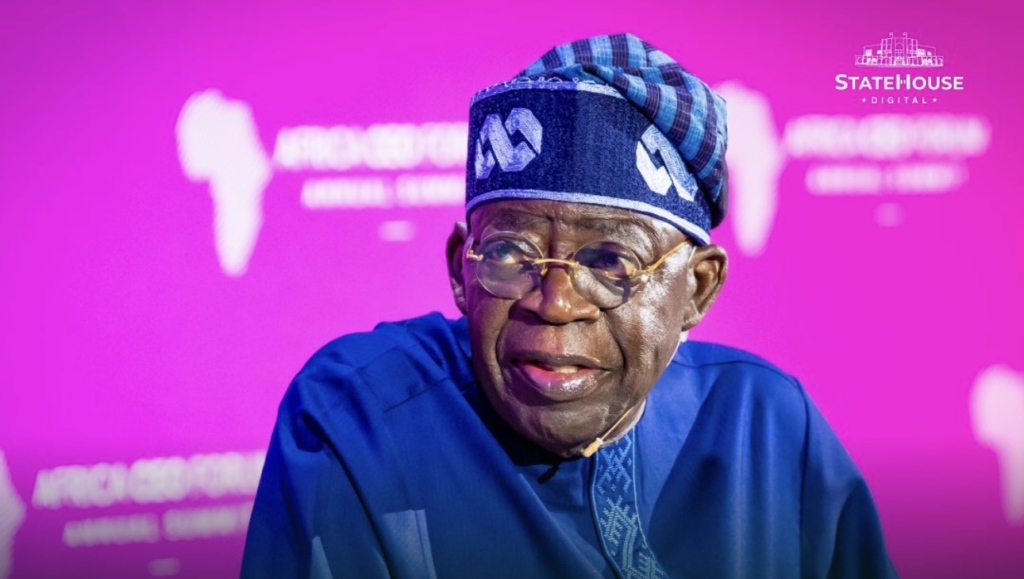
Nigeria has taken a giant leap forward in the digital economy. President Bola Ahmed Tinubu signed the Presidential Executive Order on Virtual Assets Coordination. This move establishes a clear, unified framework for regulating cryptocurrencies, blockchain technology, and digital assets across the country.
For years, Nigeria’s crypto space felt like a financial roller coaster. Millions of young Nigerians embraced Bitcoin, Ethereum, and stablecoins to trade, save, and receive payments from abroad. At the same time, government agencies issued conflicting rules, bank restrictions, and warnings. That period of uncertainty is finally coming to an end.
The new executive order brings government regulators together under one roof to create a safe, transparent, and encouraging environment for digital assets. It signals that Nigeria is ready to embrace financial innovation while protecting everyday citizens from scams. You can read more about our mission to cover major stories like this on our about page.
Let us break down what this executive order actually does, why the government made this decision, and how it directly affects your money, business, and everyday life.
The Journey: How Nigeria Got Here
To understand why this executive order is such a big deal, it helps to look back at how Nigeria arrived at this moment.
Build Funnels, Email Lists & Sell Online With One Free Tool
Create funnels, send emails, and sell online using Systeme.io without paying for multiple tools.
Create Free AccountFree forever • No credit card • Beginner-friendly
Back in February 2021, the Central Bank of Nigeria issued a strict directive banning commercial banks from facilitating crypto-related transactions. Banks were ordered to close accounts belonging to individuals or businesses trading cryptocurrencies. The government expressed concerns about money laundering, financial volatility, and terrorism financing.
The bank ban did not stop Nigerians from using crypto. Instead, Nigeria quickly became one of the world leaders in peer-to-peer crypto trading. Young professionals, freelancers, and small business owners used private peer-to-peer networks to send money across borders, beat inflation, and hold value in digital dollars like USDT.
By late 2023, the government realized that outright bans were ineffective and counterproductive. The Central Bank reversed its bank restriction, allowing financial institutions to open accounts for vetted crypto platforms under strict guidelines.
Different government offices still operated separately. The Securities and Exchange Commission issued rules for security tokens, the Central Bank kept watch over banking systems, and law enforcement agencies carried out independent investigations. This created overlaps, gaps, and confusion for users and investors.
The Presidential Executive Order on Virtual Assets Coordination resolves these conflicts by creating a unified system for everyone.
What the Executive Order Actually Does
The main goal of this executive order is coordination. It does not create a completely new regulatory agency, nor does it strip existing agencies of their legal powers. Instead, it establishes an organized body to make sure every government agency works together seamlessly.
The Virtual Asset Council
At the heart of the order is the creation of the Virtual Asset Council. This council brings together the most important financial, tax, and security authorities in Nigeria.
The council is chaired by the Central Bank of Nigeria. Serving as vice-chairpersons are the Securities and Exchange Commission and the Nigeria Revenue Service. Other key members include the Nigerian Financial Intelligence Unit and the Office of the National Security Adviser.
Having these agencies sit at the same table prevents the conflicting directives that previously confused crypto platforms and everyday traders.
The Virtual Asset Office
To support the council in its daily work, the executive order creates the Virtual Asset Office. This office operates within the Central Bank of Nigeria.
It serves as a shared central hub where participating agencies exchange information, review registration applications, and monitor potential risks. An integrated technology platform allows regulators to view relevant data in real time while keeping data ownership secure.
Who Regulates What?
The executive order clears up jurisdictional confusion by dividing responsibilities based on how a digital asset is used:
- The Securities and Exchange Commission regulates digital assets that function like investments, stocks, or securities.
- The Central Bank of Nigeria supervises payments, money transfers, digital wallets, custody services, and settlement systems involving non-security virtual assets.
- If there is ever any dispute over who should oversee a specific product or token, the Virtual Asset Council steps in to assign the proper regulator.
Core Features Introduced Under the New Order
This executive order introduces several practical changes that will transform how digital assets operate in Nigeria.
1. A Central Bank Regulatory Sandbox
One of the most exciting developments is the creation of an official regulatory sandbox managed by the Central Bank of Nigeria.
A regulatory sandbox is a controlled, live testing environment. Blockchain developers, fintech startups, and financial firms can test new crypto applications, payment tools, and financial services under direct government supervision.
Instead of waiting years for permissions or risking a sudden shutdown, innovative companies can demonstrate that their products are safe, reliable, and compliant before rolling them out to the general public.
2. Formal Crypto Tax Policy
The executive order directs the Nigeria Revenue Service to introduce a clear tax framework for the virtual asset sector.
Until now, crypto traders and businesses struggled to understand how existing tax laws applied to their gains. The new policy aims to make tax guidelines clear, fair, and simple to follow. This ensures that as the industry grows, legitimate businesses can pay their fair share without facing arbitrary fines or penalties.
3. Cracking Down on Illegal Operators and Scams
Online scams, fake investment schemes, and fraudulent trading platforms have caused millions of dollars in losses for unsuspecting citizens.
By unifying oversight, regulators and security agencies can quickly detect, block, and prosecute unregistered or malicious operators. Real platforms will be required to meet strict consumer protection standards, secure customer funds, and prevent identity theft.
4. The 30-Day Implementation Roadmap
The order demands immediate action. President Tinubu directed the Virtual Asset Council to produce a complete implementation framework within 30 days. This guarantees that the order leads to prompt, practical policy changes rather than sitting on a shelf.
Why This Order Matters for Everyday Nigerians
If you hold a small crypto wallet, trade peer-to-peer, or run an online business, this executive order directly affects you in several positive ways.
Safer Trading Environment
The biggest benefit for everyday citizens is increased safety. When crypto platforms operate under standard rules, your funds are far less likely to disappear in a sudden exit scam or rug pull. Legitimate exchanges will need clear security protocols, transparent reserves, and proper dispute resolution channels.
Easier Banking Access
For a long time, receiving money from crypto platforms into a regular Nigerian bank account involved constant anxiety about account freezes. With clear rules established by the Central Bank and Securities and Exchange Commission, compliant platforms can work smoothly alongside traditional banks. This means faster withdrawals, direct fiat currency deposits, and lower fees for everyday users.
Opportunities in the Digital Economy
Nigeria has one of the youngest and most digitally active populations on earth. Clear digital asset rules create fresh opportunities for young tech workers, remote workers, content creators, and developers.
Digital skills and internet-based income models are transforming how young people work. Many people who work online use digital currency for swift international settlements. If you are interested in modern digital career paths, check out our insights on YouTube Automation to see how content creators earn online. You can also explore our broader coverage of tools and updates in our Technology & AI section.
The Big Picture: What Global Investors and Businesses Think
Global crypto platforms and international venture capitalists have monitored Nigeria for years. The country consistently ranks among the top global markets for crypto adoption, but policy instability historically made major foreign companies hesitate to build physical headquarters or invest heavily in local staff.
Build Funnels, Email Lists & Sell Online With One Free Tool
Create funnels, send emails, and sell online using Systeme.io without paying for multiple tools.
Create Free AccountFree forever • No credit card • Beginner-friendly
This executive order changes that equation. International investors look for regulatory certainty before deploying long-term capital. When a government sets clear guidelines for licensing, tax compliance, and consumer protection, foreign tech companies feel confident setting up regional offices, hiring local talent, and launching official products.
According to updates shared by official government spokespersons, Nigeria is working to position itself as Africa’s premier hub for financial technology and blockchain innovation. By bringing its rules in line with global standards, the country makes it easier for domestic fintech firms to raise funding and expand across the continent.
How to Prepare and Stay Compliant as a Crypto User
While the government works on rolling out full guidelines, there are several simple steps you should take right now to protect your assets and stay compliant.
- Stick to verified and registered exchanges: Avoid using unregulated platforms that lack basic security features or clear business addresses.
- Keep clean financial records: Track your crypto purchases, trades, sales, and transfers. Having clean records makes it simple to report earnings when the Nigeria Revenue Service releases its full tax guide.
- Protect your private keys: Remember that self-custody wallets come with personal responsibility. Never share your seed phrase or passwords with anyone claiming to offer government support or guaranteed profits.
- Double-check investment promises: Real platforms rarely offer fixed daily or weekly returns. If an opportunity sounds too good to be true, it is almost certainly a scam.
- Stay updated on policy releases: Follow official announcements from the Central Bank of Nigeria and the Securities and Exchange Commission so you know when new registration rules take effect.
Frequently Asked Questions (FAQs)
Is cryptocurrency now legal in Nigeria?
Yes. Cryptocurrency was never declared illegal for individuals to own, but previous bank restrictions made trading difficult. The 2026 Presidential Executive Order formally coordinates government oversight, allowing digital assets to be bought, sold, and built upon within a structured, legal regulatory framework.
Will I have to pay taxes on my crypto profits in Nigeria?
Yes. The Nigeria Revenue Service is developing a dedicated tax framework for virtual assets. This policy aims to clarify how existing tax laws apply to trading profits, capital gains, and crypto transactions so individuals and businesses can report their income accurately.
Which agency is leading the new Virtual Asset Council?
The Central Bank of Nigeria chairs the Virtual Asset Council. The Securities and Exchange Commission and the Nigeria Revenue Service serve as vice-chairpersons.
What is the regulatory sandbox, and who can use it?
The regulatory sandbox is a supervised testing environment managed by the Central Bank. It allows eligible fintech startups, blockchain developers, and financial firms to test new digital asset products safely before offering them widely to the public.
How does this executive order protect me from online scams?
The order mandates tight coordination between financial regulators, intelligence units, and security agencies. Unregistered operators will be barred from operating, while compliant platforms must adhere to strict consumer protection guidelines, security standards, and identity verification practices.
Nigeria’s decision to establish a unified virtual assets framework represents a crucial step toward building a modern, inclusive digital economy. By replacing fragmented rules with coordinated oversight, the country protects everyday users while giving legitimate innovators the room they need to grow. To share your thoughts on these new regulations or ask our team a question, feel free to visit our contact page. Stay connected with us for real-time news updates across social media on Facebook, Instagram, and X (formerly Twitter).
