
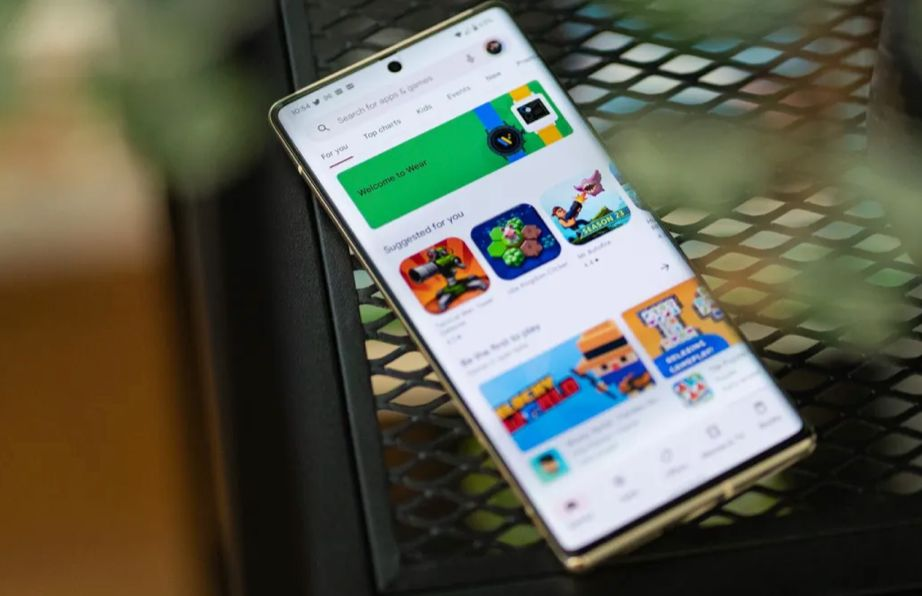
For years, the Google Play Store has been the undisputed king of the Android ecosystem. If you wanted to download an app or a game on your phone, you opened Google Play, searched for it, and hit install.
While Android has technically always allowed “sideloading”—which is just a fancy term for downloading apps from websites or other stores—Google never made the process easy. You had to click through security warnings and manually change your phone’s settings just to get a different app store to work.
That is all about to change in a very big way.
Google has officially announced a brand-new initiative called the Play Catalog Access Program. Starting on July 22, 2026, Google will allow eligible third-party Android app stores in the United States to access its massive catalog of apps. This means alternative app stores will soon be able to list, showcase, and offer Google Play apps directly to their users.
At Whatsbuzzn, we love keeping a finger on the pulse of major tech updates that change how we live and work. Our team works hard to bring you the stories that shape how you interact with the digital world. If you want to know more about who we are and what we do, feel free to visit our About Us page.
Build Funnels, Email Lists & Sell Online With One Free Tool
Create funnels, send emails, and sell online using Systeme.io without paying for multiple tools.
Create Free AccountFree forever • No credit card • Beginner-friendly
This latest move by Google is a historical shift for mobile technology. Why is Google doing this, how does the program work, and what does it actually mean for your phone? Let us break down everything you need to know in plain, simple English.
How We Got Here: The Epic Battle with Epic Games
You might be wondering why Google is suddenly playing nice with its competitors. The answer is simple: they had to do it because of a court order.
This move is the direct result of a long, dramatic legal battle between Google and Epic Games, the creators of the massive hit game Fortnite. Epic sued Google, arguing that the search giant held an illegal monopoly over how apps are distributed and paid for on Android devices. After a lengthy trial, US District Judge James Donato ruled against Google.
Initially, Google and Epic tried to work out a compromise. In late 2025 and early 2026, they proposed a plan called “Registered App Stores”. Under that plan, third-party stores would still have to be sideloaded, but Google would make the installation steps a bit simpler.
However, right before the final court hearing in July 2026, Google and Epic decided to withdraw that compromise plan. Instead of fighting a prolonged legal battle over the details, Google chose to comply with the court’s original, much stricter requirements. That decision forces Google to host rival storefronts directly inside the Google Play Store and share its app catalog with them.
It is a true “store-within-a-store” model that will completely change the mobile landscape. If you want to read more about how major tech companies are shaking up their business models, you can explore our latest articles in the Whatsbuzzn Tech and AI category.
What is the Play Catalog Access Program?
At its core, the Play Catalog Access Program allows alternative app stores in the US to display and offer apps from the Google Play Store on their own platforms.
Think of it like shopping at a local independent grocery store. Imagine if that small, local shop could put products from a giant supermarket chain directly on its shelves. You buy the product from the independent shop, but the giant supermarket handles the inventory, checks the quality, and supplies the goods.
Under this new program, third-party app stores can display app names, developer details, descriptions, screenshots, and videos directly from the Google Play catalog.
When you decide to download one of these apps from a third-party store, the actual download and installation process is still completed quietly in the background by Google Play.
This backend integration ensures that the app is safe, free of malware, and updated properly. It also means that Google’s standard service fees will still apply to these downloads, keeping Google’s business model intact while opening up the storefront options.
The Rules: What App Stores Need to Participate
Google is not just letting anyone access its catalog without some strict guardrails. To keep the ecosystem safe and fair, Google has set up a long list of requirements that alternative app stores must meet to join the program.
The Cost of Entry
First, running an app store under this program is not free. Any third-party platform that wants to use the Play Catalog must pay Google an upfront service fee of $5,000. This fee covers the security and policy reviews Google has to perform during onboarding. To maintain their access, these stores have to pay this $5,000 fee every single year.
Geographic Limits
The program is strictly limited to the United States. Third-party stores participating in the program must target US users and are legally prohibited from using the Play Catalog to distribute apps to people outside the US.
Legitimacy and Purpose
An eligible store cannot just be a simple website. It must be a registered organization and function as an open, non-discriminatory marketplace.
Additionally, the primary purpose of the store must be finding, installing, and managing apps. It has to be a real, consumer-facing application with its own launcher icon.
You Must Offer Your Own Content
Google does not want people creating empty “copycat” stores that only contain Google Play apps. To prevent this, any participating store must offer games and apps of its own, in addition to the ones it gets from the Play Catalog.
Furthermore, these stores cannot charge users extra fees to download or use apps that come from the Google Play Catalog.
Security and Trust
Safety is a massive priority. App stores must actively prevent the spread of malware and harmful apps. In fact, Google requires these stores to keep their malware rates extremely low to maintain access.
They must also provide parental controls, clear privacy policies, and dedicated customer support channels for their users.
How It Works Behind the Scenes: The Tech Details
For the tech-savvy readers, Google is rolling out two main tools to make this integration work: the App Catalog Export and the Play Catalog API.
Starting July 22, 2026, enrolled app stores will get access to a daily export file stored in a private Google Cloud Storage bucket. This file contains a snapshot of all the eligible apps on Google Play that have chosen to be part of the program.
Because apps are updated constantly, Google is also launching the Play Catalog API. This tool allows third-party stores to check for changes that happen throughout the day.
If a developer updates their app or removes it, the third-party store can use the API to update their own listings within minutes.
This level of technological integration shows just how serious Google is about making this transition functional, even if they were forced into it by a courtroom.
What This Means for Android App Developers
If you are an Android app developer, you might be wondering how this affects your work. Here is the short answer: it makes your life easier, but you still have complete control.
Automatic Porting
By default, Google will automatically make your US app and game listings available to participating third-party stores starting July 22, 2026. This includes your app’s name, icon, description, screenshots, and videos.
Build Funnels, Email Lists & Sell Online With One Free Tool
Create funnels, send emails, and sell online using Systeme.io without paying for multiple tools.
Create Free AccountFree forever • No credit card • Beginner-friendly
This is actually a great thing for visibility. Your app can now appear in multiple marketplaces without you having to manually upload and manage it on five different platforms.
The Right to Opt-Out
If you do not want your app appearing on other stores, Google is not forcing you. You can easily opt-out through the Google Play Console at any time.
All you have to do is log in, go to Settings, find “Catalog Settings,” and choose your preference. You can choose to publish on all third-party stores, manage them individually, or completely block your app from appearing on any external storefronts.
If you do nothing, Google will assume you are okay with it and start sharing your listing next week.
Lower Fees and Payment Flexibility
As part of the broader changes coming out of the Epic Games case, Google has also opened up alternative billing systems and lowered its commission rates in the US.
Developers can now offer alternative payment methods or direct users to their own websites to make purchases. This is a massive win for small businesses and independent creators who want to keep more of their hard-earned money.
Speaking of digital monetization and automated business systems, many developers and content creators look for ways to expand their reach online. If you are interested in modern online business models, you should take a look at our guide to YouTube Automation on Whatsbuzzn, which covers how people are building digital assets and scaling their income streams.
What This Means for Everyday Android Users
For the average person holding an Android phone, this is a major win.
Historically, Apple and Google have kept their app ecosystems locked down. While Android was always more open than iOS, downloading apps from outside Google Play was still a hassle.
With this new program, we are going to see a wave of new, highly competitive app stores pop up on Android. Imagine opening a specialized gaming store or an indie app store and finding all of your favorite mainstream apps right there alongside unique, exclusive downloads.
Because these alternative stores can now distribute themselves directly through Google Play, you will not have to deal with scary warning messages or complex settings menu adjustments.
More competition in the app store space usually leads to better user experiences, lower prices on in-app purchases, and better customer support as platforms fight to win your loyalty.
A Detailed Comparison: Google Play vs. Third-Party Stores
To help make sense of how this program changes the landscape, here is a quick look at how the experience compares between downloading directly from Google Play and using a participating third-party store.
| Feature | Google Play Store | Enrolled Third-Party Store |
| App Availability | Full global catalog | US catalog only (via Play Catalog) |
| Download Safety | Scanned by Google Play Protect | Verified by Google Play & local store safety policies |
| Where the Download Happens | Google Play servers | Google Play servers (in the background) |
| Who Collects the Service Fee | Google (on standard terms) | |
| Sideloading Required? | No | No (once the store is installed via Google Play) |
| Payment Options | Google Play billing or alternative billing | Custom store billing, alternative billing, or Google Play |
FAQs About the Play Catalog Access Program
When does the Play Catalog Access Program start?
The program officially launches on July 22, 2026. Third-party stores that complete their onboarding and pay the required fees will be able to access the catalog starting on this date.
Is this program available outside the United States?
No, the program is strictly limited to the United States. Third-party stores are legally restricted from using the Play Catalog to distribute apps to users located in other countries.
Do developers have to pay extra to be featured on other stores?
No, developers do not have to pay any extra fees. Their existing listings will automatically port over to eligible third-party stores for free, unless they decide to opt-out via the Play Console.
Are these third-party stores safe to use?
Yes, Google has put strict security protocols in place. Participating stores must maintain malware rates below 1 percent, pay a $5,000 annual review fee, and allow Google to handle the background download to ensure file integrity.
Can developers opt-out of the program?
Absolutely. If a developer does not want their app listed on alternative storefronts, they can change their preferences in the Google Play Console under Settings > Catalog Settings at any time.
Looking Forward: The Future of Android
This decision marks a historical turning point. For years, Google fought to protect its digital walls. By introducing the Play Catalog Access Program, Google is accepting a more open, competitive future for mobile software.
While it might take some time for alternative app stores to fully set up and optimize their platforms, the long-term impact on the industry will be massive. We expect to see innovative new marketplaces that cater to specific communities, offering tailored recommendations and unique rewards.
If you have any questions about these changes or want to share your thoughts, we would love to hear from you. Head over to our Contact Us page and drop us a line.
Also, do not forget to follow us on our social channels so you never miss an update on the latest trends and tech breakthroughs:
- Connect with us on Facebook
- Follow our updates on X (formerly Twitter)
- Check out our daily posts on Instagram
What do you think about this update? Will you be trying out new app stores on your Android phone, or are you planning to stick with the classic Google Play Store? Let us know in the comments below!
