
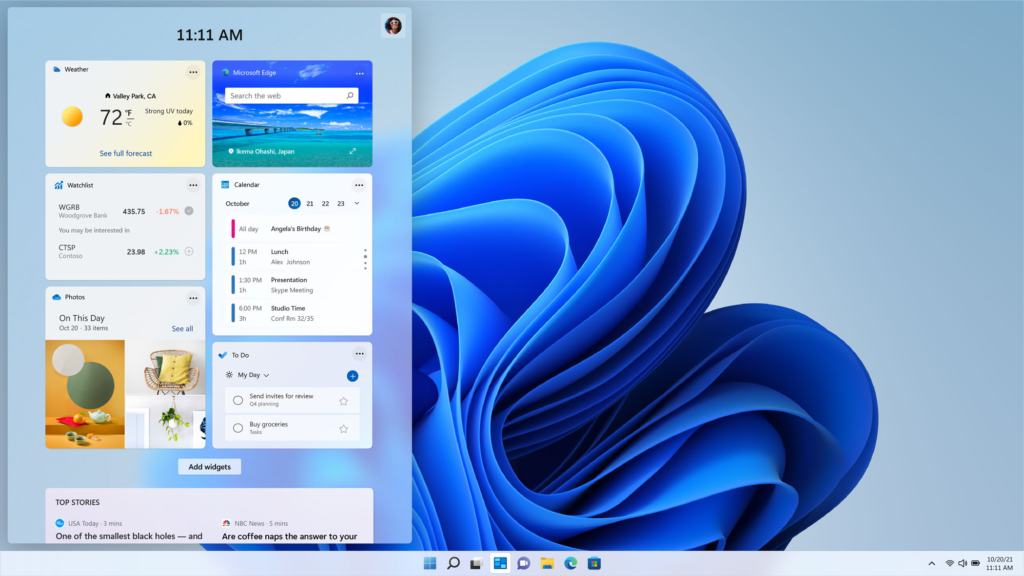
The tech world just crossed a major milestone, and if you are a PC gamer, you might already be part of the statistic. According to the latest data from Valve’s June Steam Hardware & Software Survey, Windows 11 has officially claimed over 70% of the OS market share among gamers on the platform.
For years, Windows 10 was the undisputed king of PC gaming. It was stable, familiar, and did exactly what gamers needed it to do. But times change, and the latest numbers show that the scales have firmly tipped in favor of Microsoft’s newer operating system.
Let us break down what these numbers mean, why gamers are finally making the switch in droves, and what this means for the future of PC gaming.
The Big Shift: Breaking Down the Numbers
Every month, Valve runs a voluntary survey to see what kind of hardware and software people are using to play games on Steam. It is one of the most reliable ways to see real-world tech trends because millions of gamers participate.
In the June report, Windows 11 saw a massive surge, climbing past the 70% mark. Meanwhile, Windows 10 took a noticeable hit, dropping significantly as users continue to migrate away from the older platform.
The $0 Secret To Launching Your Entire Online Empire
Why pay hundreds every month for separate software? Build funnels, send emails, and make sales with Systeme.io completely free.
Get Started For $0Free Forever • No Credit Card Needed • Beginner-Friendly
The remaining sliver of the pie is split between older Windows versions, macOS, and various Linux distributions (including the SteamOS that powers the Steam Deck).
This is a massive win for Microsoft. When Windows 11 first launched, adoption was slow. Many users looked at the strict system requirements and the revamped user interface and decided to stick with what they knew. Now, that hesitation seems to be entirely in the past for the gaming community.
Why Gamers Are Flocking to Windows 11
So, what changed? Why are millions of players suddenly deciding that now is the time to upgrade? It comes down to a mix of gaming-specific features, better stability, and a ticking clock from Microsoft.
1. Game-Centric Features That Actually Work
Microsoft pitched Windows 11 as the best operating system for gaming, and after a few years of updates, they have mostly proven that claim true. Features like DirectStorage allow compatible NVMe SSDs to load game assets directly to the graphics card, drastically cutting down loading screens.
Then there is Auto HDR. If you have a high-dynamic-range monitor, Windows 11 can automatically add HDR enhancements to older games that never originally supported it. It breathes new life into classic titles without requiring extra work from the developers.
2. The Death Clock for Windows 10
There is a practical reason for this shift too. Microsoft has made it clear that support for Windows 10 will end soon. With the official end-of-support date locked in for October 2025, security updates will stop, leaving users vulnerable.
Gamers tend to be tech-savvy. They know that running an unsupported operating system is a massive security risk, especially when you have thousands of dollars worth of digital game libraries tied to your PC. Many are choosing to upgrade now on their own terms rather than waiting until the last minute.
3. New PCs Come with Windows 11 Standard
Over the last few years, millions of people have bought new pre-built gaming desktops or gaming laptops. Every single one of those machines comes with Windows 11 pre-installed. As older PCs get retired and replaced, the natural shift toward the newer OS happens automatically.
What Does This Mean for the Gaming Industry?
When an operating system hits a 70% dominance level on a platform as massive as Steam, game developers take notice.
For the past few years, game creators had to build their titles to run perfectly on both Windows 10 and Windows 11. This meant they sometimes had to hold back from using advanced, Windows 11-exclusive features because they did not want to alienate the massive chunk of players still on the older system.
Now that the vast majority of players are on the newer OS, developers can start optimizing their games specifically for Windows 11. We will likely see better implementation of advanced CPU scheduling, which helps modern processors with performance and efficiency cores route gaming traffic more effectively. We will also see wider adoption of next-generation storage APIs.
Should You Make the Switch?
If you are still part of the minority holding onto Windows 10, you might be wondering if you should jump on the bandwagon.
The honest answer depends entirely on your hardware. If your computer meets the official system requirements for Windows 11, the upgrade is free and relatively painless.
The early bugs that plagued the OS at launch have been ironed out, and performance in modern games is identical to, or occasionally better than, Windows 10.
However, if you have an older processor that Microsoft officially dropped from the supported list, forcing an upgrade can be tricky and might cause stability issues down the road. In that scenario, it might be best to stick with Windows 10 until you are ready to upgrade your CPU and motherboard.
Send, Spend & Hold Money Worldwide Without Hidden Fees
Transfer money internationally at the real exchange rate and hold 40+ currencies in one account.
Open a Wise AccountMid-market rate • Fast transfers • 40+ currencies
Looking Ahead
The June Steam survey proves that the gaming community has officially moved on. Windows 11 is no longer the new, experimental kid on the block; it is the standard environment for PC gaming.
As we get closer to the end of Windows 10 support next year, expect that 70% number to climb even higher. For now, Microsoft can celebrate a major milestone as their vision for the future of PC gaming becomes the everyday reality for most players around the world.
What operating system are you currently running on your gaming rig? Have you noticed a performance difference since upgrading? Let us know your thoughts.
