
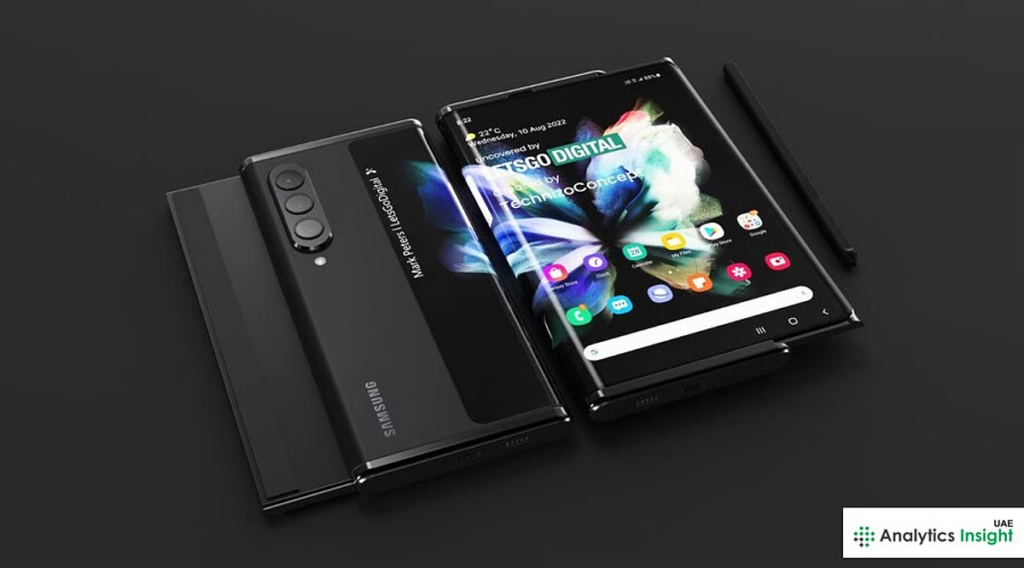
The smartphone market is about to get a major shakeup. Just when we got used to screens that fold in half, the tech world is preparing for the next big thing. Fresh reports from South Korea reveal that Samsung is working on a smartphone with a rollable screen, aiming for a release in the first half of 2028.
Instead of folding along a hinge, this new device will feature a flexible screen that rolls out from inside the body. It expands from a standard handset size into a full tablet at the press of a button. Industry insiders suggest the device might be named the Galaxy Z Slide or Galaxy Z Roll, marking the tenth anniversary of Samsung’s flexible display lineup.
This move could completely change how we use our mobile devices for work, entertainment, and daily life. Let’s look into what we know about this tech, why it matters, and what challenges Samsung has to fix before 2028.
What is a Rollable Smartphone?
To understand how a rollable phone works, think of a traditional scroll. Instead of bending a screen in half like a book, a rollable phone uses internal motorized tracks to slide a hidden section of the screen out from inside the device.
When the screen rolls out, the display surface expands seamlessly. This gives you a massive screen without the bulk of a heavy tablet.
The $0 Secret To Launching Your Entire Online Empire
Why pay hundreds every month for separate software? Build funnels, send emails, and make sales with Systeme.io completely free.
Get Started For $0Free Forever • No Credit Card Needed • Beginner-Friendly
Predicted Specs and Screen Size
According to market research data from Omdia, this upcoming device is expected to feature:
- A 10-inch OLED panel when fully expanded. Gulf News
- A 16:9 aspect ratio, which is the standard widescreen format for movies and video streaming. Gulf News
- A pixel density of 440 ppi, ensuring sharp, clear images that match modern flagship standards. Gadgets 360
When the phone is closed, it fits comfortably in your pocket like a normal smartphone. When fully extended, it matches the size of a standard tablet, offering a true two-in-one experience.
Why Rollables Might Beat Foldable Phones
Foldable phones are highly capable, but they still come with a few design compromises. Rollable tech addresses these pain points directly, offering three major benefits.
1. No Screen Crease
The biggest complaint about foldable phones is the visible crease running down the middle of the display. Because a rollable screen rolls around a curved internal mechanism rather than folding sharply, the screen stays flat and smooth, completely eliminating the crease.
2. True Portability
Foldable phones are notoriously thick when closed, often feeling like two phones stacked together in your pocket. A rollable phone keeps a uniform, slim profile because the extra screen wraps neatly inside the device.
3. A Better Screen Shape for Media
Many current foldables open up into square shapes. While a square screen is great for reading articles or multitasking, it leaves large black bars at the top and bottom when you watch videos. A rollable screen expanding to a 16:9 layout solves this, making it ideal for streaming movies and playing games.
The Big Engineering Hurdles
Building a rollable phone is incredibly difficult. Samsung has shown off prototype screens at trade shows for years, but mass-producing these devices for millions of customers introduces massive mechanical challenges.
Dealing with Moving Parts
Unlike a standard phone, a rollable device relies heavily on tiny internal motors to push and pull the display. Moving parts are always vulnerable to dust, lint, and liquid. If sand gets inside the rolling mechanism, it could scratch the screen from the inside out or jam the motor entirely.
Managing Screen Stress
The flexible OLED panel must endure constant pulling, stretching, and bending. Over time, this repetitive stress can cause parts of the screen to wear out faster, leading to distorted images or dull colors. Samsung must ensure the screen stays perfectly flat and durable over years of daily use.
The Battery Dilemma
Smartphones need large batteries to power big screens, but a rollable phone loses a lot of internal space to the motorized tracks and the rolled-up screen. Finding room for a battery that can power a 10-inch display while keeping the phone thin is a massive puzzle for engineers.
How This Impacts the Tech Market
Samsung isn’t the only company exploring this design. Competitors like Motorola, Oppo, and Tecno have already showcased working rollable concept phones. However, none of these brands have launched a mass-market version for everyday shoppers yet.
By setting a target for 2028, Samsung wants to establish early dominance in the next generation of screen technology, especially as competition heats up from international rivals in the folding phone space. A successful launch could cement Samsung as the undisputed leader in flexible displays for the next decade.
Frequently Asked Questions
When will the Samsung rollable phone come out?
Current industry reports state that Samsung is targeting a release date in the first half of 2028.
What will the Samsung rollable phone be called?
The device is currently being developed under the tentative names Galaxy Z Slide or Galaxy Z Roll.
How big will the screen be?
The phone is expected to expand into a 10-inch OLED display, moving from a standard phone size into a mid-sized tablet.
Send, Spend & Hold Money Worldwide Without Hidden Fees
Transfer money internationally at the real exchange rate and hold 40+ currencies in one account.
Open a Wise AccountMid-market rate • Fast transfers • 40+ currencies
Will a rollable phone have a crease?
No. Because the screen rolls around a gentle internal curve rather than folding flat at a sharp angle, it avoids the creasing issues found on current foldable models.
How much will a rollable phone cost?
Official pricing hasn’t been announced, but because the motorized tech is highly complex, expect it to carry a premium price tag well above current flagship foldables.
Final Thoughts
The shift from standard screens to rollable displays represents a massive leap forward for mobile technology.
If Samsung can solve the durability issues and pack a reliable battery into the design, the Galaxy Z Slide could completely change how we balance work and entertainment on the go.
Having a device that fits in a pocket but expands into a 10-inch screen means users might no longer need to carry both a phone and a separate tablet.
Given the choice between a phone that folds like a book or one that rolls out like a scroll, which design do you think makes more sense for your daily routine? Let us know in the comments below.
