
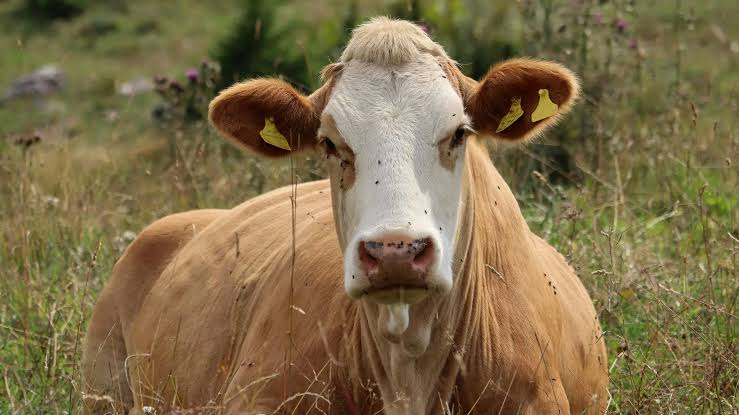
Federal public health officials have issued a high-risk food safety alert after nearly 30,000 pounds of raw imported beef from Argentina slipped past mandatory U.S. border inspections.
The Food Safety and Inspection Service (FSIS), an agency of the United States Department of Agriculture (USDA), announced that thousands of pounds of boneless beef were shipped to distributors and retail locations across Texas and Florida without undergoing required secondary safety checks.
The recall centers on raw beef products imported by Corte Argentino USA LLC, a distributor based in Aventura, Florida. The meat was originally slaughtered and packed by Frigorifico Gorina SAIC, a major beef processing company located in La Plata, Argentina.
Federal regulators assigned this event a Class I recall rating. A Class I designation is reserved for health hazard situations where there is a reasonable probability that using or eating the product could cause serious, adverse health consequences or death.
While federal authorities report that no illnesses or injuries have been confirmed in connection with the shipment, the recall remains urgent. Because the meat carried long shelf lives with use-by or freeze-by dates extending through late September 2026, government officials worry that much of the product remains inside home freezers, restaurant walk-in coolers, and grocery store stockrooms.
The $0 Secret To Launching Your Entire Online Empire
Why pay hundreds every month for separate software? Build funnels, send emails, and make sales with Systeme.io completely free.
Get Started For $0Free Forever • No Credit Card Needed • Beginner-Friendly
What Happened with the Argentine Beef Recall?
The issue came to light during routine administrative and inspection activities conducted by FSIS personnel. Inspectors noticed that a large shipment of raw beef cuts had entered commercial trade channels in the United States without presenting the shipment at an official USDA import inspection facility.
When fresh meat is imported into the United States, it must pass through a strict double-check process. First, the exporting nation inspects the meat inside certified foreign plants that meet equivalent U.S. safety standards. Second, once the shipment reaches American soil, FSIS inspectors at border entry ports must visually examine the shipment, verify paperwork, inspect packaging conditions, and perform random chemical or biological testing.
In this specific case, the shipment skipped that second critical step entirely. Because U.S. inspectors never got the chance to physically inspect the shipping containers or verify the cargo at the port of entry, federal law requires the government to treat the entire batch as uninspected meat. Without proper official re-inspection, the USDA cannot guarantee that the meat is clean, wholesome, properly labeled, or free from harmful contamination.
As a result, Corte Argentino USA LLC initiated a voluntary recall covering approximately 29,568 pounds of imported beef. Detailed official information regarding federal food safety guidelines can be reviewed on the official USDA Food Safety and Inspection Service website.
Exact Products Covered in the Recall
The recall affects five distinct raw boneless beef cuts. All of these items were processed between May 15, 2026, and May 20, 2026, and bear use-by or freeze-by dates ranging from September 15, 2026, to September 20, 2026.
The specific cuts listed in the official recall notice include:
- Top Sirloin Butt (labeled in Spanish as “Cuadril Sin Tapa”)
- Eye Round (labeled in Spanish as “Peceto”)
- Topside Cap Off (labeled in Spanish as “Nalga AD S/Tapa”)
- Flat (labeled in Spanish as “Carnaza Cuadrada”)
- Knuckle (labeled in Spanish as “Bola de Lomo”)
These items were packaged inside bulk cardboard shipping boxes of varying weights. The boxes feature the foreign brand name “Frigorifico Gorina SAIC” and carry Argentine establishment markings showing EST. N° OF. 2025. The shipping containers also carry the specific shipping mark 26644-AA.
Because these cuts were shipped in large wholesale boxes, they were intended for further processing, slicing, or repackaging by meat distributors, butcher shops, and food service operators before being sold to everyday shoppers or served in meals.
Why Missing Re-inspection Is a Serious Safety Issue
Some shoppers might wonder why meat needs to be recalled if it came from a clean processing facility in Argentina. The reason comes down to how federal food protection laws operate.
Border re-inspection acts as the final safety net for foreign food products entering American kitchens. During re-inspection, USDA staff ensure that meat containers did not warm up, spoil, or break open during long transit across international waters. Inspectors also verify that shipments match foreign health certificates and test samples for bacteria like E. coli or Salmonella, as well as unauthorized chemical residues.
When a shipment bypasses border re-inspection, the legal status of that food changes immediately. Under federal rules, uninspected meat is considered adulterated simply because its safety cannot be legally verified. The government cannot guarantee that the shipping containers remained refrigerated throughout their journey across the ocean.
Furthermore, media reporting from CBS News highlights that federal agencies often take weeks or months to catch paperwork lapses. This delay creates a window of time where uninspected products sit on store shelves or inside home freezers before anyone realizes a step was missed.
How to Check Your Fridge and Freezer Right Now
If you live in Texas or Florida and recently bought raw beef cuts, take a few minutes to check your kitchen storage. Here is how you can protect your household:
First, look for large cuts of raw boneless beef bought in wholesale boxes or repackaged by local butchers during late spring or summer 2026. Check the label for the establishment number EST. N° OF. 2025 or shipping code 26644-AA.
Second, check the freeze-by or use-by dates. If your meat shows dates between September 15, 2026, and September 20, 2026, double-check the store receipt or contact the store manager to ask where the meat was sourced.
Send, Spend & Hold Money Worldwide Without Hidden Fees
Transfer money internationally at the real exchange rate and hold 40+ currencies in one account.
Open a Wise AccountMid-market rate • Fast transfers • 40+ currencies
Third, if you discover that your beef matches the recalled shipment details, do not cook or eat it. Do not feed it to pets either. Wrap the product securely in plastic bags so it does not touch other items, and return it to the place of purchase for a full refund or throw it away directly in a sealed outdoor garbage container.
Finally, if the recalled beef touched any surfaces in your kitchen, counter space, cutting boards, or freezer drawers, wash those areas thoroughly with warm, soapy water and sanitize them with a mild food-safe disinfectant.
What Businesses in Texas and Florida Need to Do
The recall affects commercial businesses just as much as everyday home cooks. Distributors, steak houses, taco stands, catering companies, and local grocery markets across Texas and Florida that purchased Argentine wholesale beef must review their inventory logs immediately.
Because cuts like top sirloin butt, eye round, and knuckle are commonly used for making roast beef, sandwich slices, beef skewers, or ground beef blends, food service operators must make sure none of this uninspected supply was prepared or served.
Commercial buyers should isolate suspect boxes in their walk-in freezers, label them clearly as recalled stock, and contact Corte Argentino USA LLC directly. General manager Eial Kaplun can be reached by email at [email protected] to arrange returns and process credit adjustments.
The Broader Context of Argentine Beef Imports to the U.S.
This recall comes at a time when foreign meat imports are receiving increased national attention. Over recent months, federal trade policies have sought to increase beef imports from South America to help balance rising meat prices in American grocery stores.
Domestic beef prices in the United States have remained high due to several factors:
- Smaller U.S. Cattle Herds: Prolonged droughts across the American Plains and higher feed costs led U.S. ranchers to reduce herd sizes to historic lows.
- High Consumer Demand: Domestic demand for fresh beef remains strong, pushing retail prices higher when local supply drops.
- Global Trade Deals: To offset supply shortages, trade agreements were expanded to allow more beef shipments from countries like Argentina.
However, trade policies expanding foreign beef imports have met opposition from domestic farming organizations, including the National Cattlemen’s Beef Association and ranching groups. Ranchers express concern over trade rules, while agricultural economists note that Argentine beef represents only about 2% of total U.S. beef imports. Because the total volume of imported Argentine beef is relatively small, administrative lapses like missed re-inspections highlight how delicate international food trade can be. Industry updates and market reports can be found in coverage provided by Beef Magazine.
How Technology and AI Help Keep Food Supply Chains Safe
Modern food supply chains rely heavily on advanced technology to track products from foreign farms to local dinner tables. Missing a paperwork check might sound like a human clerical error, but automated monitoring tools are now designed to spot these mistakes before food reaches store shelves.
Modern processing centers and import docks use smart tracking systems powered by machine vision, automated barcode scanners, and cloud database tracking. These systems automatically cross-reference customs declarations with inspection records. If a shipping container moves out of a port without an official digital stamp from an FSIS inspector, automated software flags the item instantly.
The $0 Secret To Launching Your Entire Online Empire
Why pay hundreds every month for separate software? Build funnels, send emails, and make sales with Systeme.io completely free.
Get Started For $0Free Forever • No Credit Card Needed • Beginner-Friendly
Artificial intelligence also plays a expanding role in food safety logistics. AI algorithms monitor temperature sensors inside shipping containers during long ocean journeys. If temperatures drift into unsafe ranges, automated alerts notify shipping managers right away. To learn more about how intelligent software and automated tools are transforming modern industries, explore our detailed technology & AI coverage.
How Digital Media and Viral News Spread Food Recall Alerts
When emergency food recalls happen, getting the word out quickly to millions of consumers is critical. Years ago, recall notices were printed in newspapers or mentioned briefly on late-night television news. Today, digital news outlets, social media platforms, and independent creators spread food safety warnings within minutes.
Online creators and news channels use digital publishing platforms to break down complex government alerts into plain language. Through strategic video production and automated content workflows, media producers can publish urgent safety news faster than traditional outlets. Creators interested in building fast-paced media brands can dive into our guide on YouTube automation guides to see how modern creators build audience reach.
When consumers share recall notices across social channels, it helps ensure that family members, local restaurant owners, and neighbors check their freezers before preparing meals.
Frequently Asked Questions (FAQs)
Has anyone gotten sick from this recalled Argentine beef?
No confirmed reports of illness or injury have been connected to this specific beef recall. However, because the meat skipped mandatory U.S. border re-inspection, its health safety status is unknown, which is why federal officials ordered an immediate Class I recall.
Which states are affected by the beef recall?
The recalled beef products were distributed to commercial buyers, grocery stores, and food distributors located in Texas and Florida.
What should I do if I bought the recalled beef?
Do not eat, cook, or serve the beef. Wrap the product securely and return it to the store where you bought it for a full refund, or throw it away immediately in a sealed trash container outside your home.
Can I just cook the beef to a high temperature to make it safe?
No. Cooking uninspected or potentially spoiled meat to high temperatures does not guarantee safety. Certain bacterial toxins or chemical residues cannot be destroyed by heat. If a meat product is flagged under a Class I recall, it should always be discarded or returned.
How do I identify if my beef is part of this recall?
Look at the packaging details. Impacted products carry the brand name “Frigorifico Gorina SAIC,” the Argentine establishment number EST. N° OF. 2025, and shipping mark 26644-AA. The production dates range from May 15 to May 20, 2026, with use-by or freeze-by dates between September 15 and September 20, 2026.
Who can consumers contact for more information about this recall?
Consumers and business owners with questions can contact Eial Kaplun, General Manager at Corte Argentino USA LLC, by sending an email directly to [email protected].
Staying updated on food safety news helps keep your family and kitchen safe. Double-check your freezer if you bought imported beef recently in Florida or Texas, and share this article with anyone who might have wholesale meat stored at home.
To discover more about our publication, story background, and publishing mission, visit our About page. If you have news tips, questions, or feedback for our editorial team, reach out through our contact page. You can also join our growing online community and join daily conversations by following us on Instagram, connecting with us on Facebook, and following our latest updates on X (formerly Twitter).
