
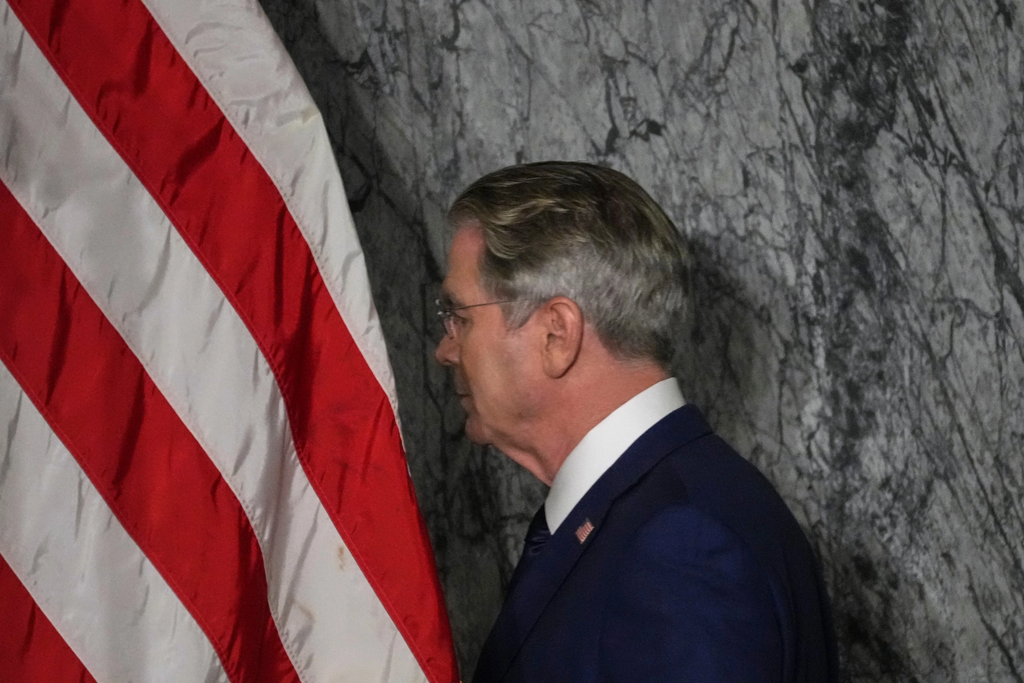
The U.S. Treasury Department has blocked several top financial journalists from covering the Group of 20 (G20) finance meeting held in Asheville, North Carolina. Reporters from well-known news organizations, including The New York Times, The Wall Street Journal, and Bloomberg News, were denied official credentials to enter the event space.
The sudden restriction has sparked intense debates across the media industry and political circles. Government meetings of this scale usually allow broad access to established news outlets so the public stays informed about global economic decisions. However, several experienced reporters were unexpectedly turned away without a detailed public explanation.
Here is a breakdown of what happened in North Carolina, why news organizations are speaking out, and what this situation means for the future of independent journalism and financial reporting.
What Happened at the G20 Meeting in Asheville?
The G20 finance ministers and central bank governors gathered in Asheville, North Carolina, for high-level economic discussions. Hosted by U.S. Treasury Secretary Scott Bessent and Federal Reserve Chairman Kevin Warsh, the summit brought together leaders from the world’s largest economies.
As journalists arrived to cover the event, many discovered that their press pass applications had been rejected by the Treasury Department. The decision affected veteran reporters who have spent years covering economic policy and international summits.
The $0 Secret To Launching Your Entire Online Empire
Why pay hundreds every month for separate software? Build funnels, send emails, and make sales with Systeme.io completely free.
Get Started For $0Free Forever • No Credit Card Needed • Beginner-Friendly
According to initial reports covered by Associated Press News, more than 200 international journalists received credentials, but several prominent American and international journalists working for major financial outlets were specifically barred.
The Outlets and Reporters Left Out
The credential rejections hit some of the biggest names in financial media. Among those blocked was Alan Rappeport, a senior reporter for The New York Times who has covered the Treasury Department and international financial meetings since 2017.
Bloomberg News also saw numerous credential requests turned down. The organization had reporters traveling from the U.S., Europe, and Asia to report on the summit, but many were denied access to the main working areas.
The Wall Street Journal faced similar rejections for individual reporters assigned to the event. While some foreign delegations attempted to intervene on behalf of their traveling press corps, most rejections remained unchanged throughout the summit weekend.
The One Exception for The New York Times
Interestingly, not every reporter from the affected outlets was completely turned away. Jim Tankersley, the Berlin bureau chief for The New York Times, was permitted to attend the G20 meeting.
This exception happened after officials from the German Finance Ministry actively spoke to the U.S. Treasury. Tankersley was traveling directly with German Finance Minister Lars Klingbeil as part of the official German delegation.
German officials also tried to secure press clearance for a Bloomberg reporter traveling with their minister. However, U.S. officials held firm on that refusal, leaving Bloomberg reporters without direct access inside the venue.
Why This G20 Finance Summit Matters Right Now
This G20 finance gathering comes at a critical time for the global economy. Central bank leaders and finance ministers met to talk about major issues affecting millions of everyday people around the world.
Key topics on the official agenda included:
- Global inflation trends and interest rate policy adjustments.
- Sanctions related to ongoing international conflicts, including tensions involving Iran.
- Fluctuations in bond markets and major foreign currency values.
- Trade balances and economic growth targets for the coming fiscal year.
Because these decisions directly impact stock markets, interest rates, and consumer prices, financial market participants rely heavily on timely updates from independent journalists attending these sessions.
The Treasury Department Response and Public Reaction
The decision to limit access drew quick responses from both government officials and executive editors at major media organizations.
Scott Bessent Statement on the Decision
Treasury Secretary Scott Bessent briefly addressed the controversy during an interview with the press. He insisted that the choices made regarding press passes were not political.
Bessent stated that the credential decisions had “nothing to do with point of view”. However, the department did not publish clear guidelines or specific reasons why certain veteran journalists were chosen for exclusion over others.
The lack of detailed explanation has led to further questions from media advocacy groups who argue that transparency rules should be clear and predictable for all accredited journalists.
Media Organizations Push Back Against Press Restrictions
News organizations issued strong statements pushing back against the credential denials. Leaders from these outlets emphasized that covering public officials at official functions is a core duty of independent journalism.
Send, Spend & Hold Money Worldwide Without Hidden Fees
Transfer money internationally at the real exchange rate and hold 40+ currencies in one account.
Open a Wise AccountMid-market rate • Fast transfers • 40+ currencies
A spokesperson for The New York Times condemned the decision, stating that denying American reporters access to an event hosted inside the United States is an attempt to avoid public scrutiny on critical policy matters.
Bloomberg News released a similar public statement through LiveMint Coverage, explaining that blocking reporters from an international forum undermines media freedom and limits public accountability for global economic decisions.
The Wall Street Journal declined to release an immediate public statement, but internal sources confirmed their reporters were actively seeking resolution through official channels.
A Growing Trend of Media Access Restrictions
The situation in Asheville is not an isolated event. Media historians and political analysts note that press access to federal government activities has become increasingly restrictive across several departments.
Recent Incidents Involving Federal Agencies
Over recent months, several federal agencies have adjusted how they interact with mainstream media outlets.
At the Department of Defense, press office spaces inside the Pentagon were reclassified, preventing reporters from maintaining traditional workspace inside the building. That change followed disagreements over ground rules for news collection.
Additionally, disputes have emerged over official terminology and press pool access at White House events, leading to legal challenges between news agencies and government press offices.
How International G20 Host Nations Usually Handle Press
Host nations for international summits like the G20 usually provide broad access to host-country media and international press pools. Historically, G20 meetings hosted by various nations—including previous events in Europe, Asia, and Latin America—have accredited thousands of journalists with standardized credentials.
Excluding multiple major financial news outlets from a G20 host country’s home soil is considered rare for democratic nations. Critics argue that establishing a pattern of selective press access sets a dangerous precedent for future international gatherings.
What This Means for Global Markets and Public Information
When journalists are excluded from high-level financial summits, the flow of accurate information can become delayed or fragmented.
The $0 Secret To Launching Your Entire Online Empire
Why pay hundreds every month for separate software? Build funnels, send emails, and make sales with Systeme.io completely free.
Get Started For $0Free Forever • No Credit Card Needed • Beginner-Friendly
The Role of Financial Journalism in Market Stability
Financial markets run on accurate, real-time information. Investors, business owners, and everyday citizens rely on professional journalists to report what happens during closed-door sessions and post-meeting press conferences.
Without independent reporters present inside the media centers:
- Markets may react to unverified rumors or incomplete leaks.
- Official government statements go unexamined by expert analysts on the ground.
- Minor policy shifts can be misunderstood by the general public.
Journalists perform a vital public service by asking tough questions to public officials during formal Q&A sessions. When those questions are missing, public accountability drops significantly.
Changing Times for Digital Media and Content Distribution
The way news moves across the internet is shifting rapidly. Today, people get news updates not only from traditional newspapers, but also through social media networks, independent blogs, and automated media platforms.
Many modern digital creators are building specialized content channels focused on economic trends, political updates, and tech developments. For creators working with digital media systems or exploring YouTube automation strategies, tracking breaking news stories like government press restrictions offers valuable lessons in content curation and public interest trends.
Understanding how information is shared—and who gets to share it—is crucial in an era dominated by advanced algorithms and evolving digital platforms. If you want to stay ahead on digital trends and modern tools, check out the latest updates in technology and AI developments to see how modern media is changing.
Broader Implications for Freedom of the Press
Freedom of the press relies on consistent access to public events. When government agencies choose which specific reporters can enter an open international summit, it creates uncertainty for all media outlets.
Press freedom organizations point out several long-term risks:
- Self-Censorship: News outlets might hesitate to publish critical coverage if they fear losing credentials to future major events.
- Reduced Oversight: Governments could control the narrative by only admitting preferred outlets.
- Public Distrust: When press access is selective, citizens may lose trust in official government communications.
Journalism groups continue to lobby for fair, open access to all official government events to protect public transparency.
Staying Connected with Real-Time Updates
Following breaking economic news and political developments requires trusted sources and open communication channels. Staying informed helps you navigate complex global events with confidence.
If you ever have questions about our coverage or want to share feedback, feel free to drop a message on our contact page. You can also visit our about page to learn more about our commitment to bringing you simple, clear explanations of trending news stories worldwide.
Be sure to follow our community across social platforms for real-time conversation and breaking updates:
- Join our community on Instagram for daily highlights.
- Connect with us on Facebook to discuss trending stories.
- Follow our official feed on X (formerly Twitter) for quick news alerts.
Frequently Asked Questions (FAQs)
Why were journalists blocked from the G20 meeting in North Carolina?
The U.S. Treasury Department denied press passes to individual reporters from major outlets like The New York Times, The Wall Street Journal, and Bloomberg News. The Treasury has not provided a detailed explanation for why specific journalists were excluded.
Who is hosting the G20 finance summit in Asheville?
The summit is hosted by U.S. Treasury Secretary Scott Bessent alongside Federal Reserve Chairman Kevin Warsh, bringing together finance ministers and central bank governors from G20 nations.
Did Treasury Secretary Scott Bessent explain the rejections?
Secretary Bessent stated in an interview that the decisions had nothing to do with political views or editorial perspectives, but he did not give specific reasons for individual rejections.
Were all reporters from the affected outlets banned?
No. For example, Jim Tankersley of The New York Times was admitted after the German Finance Ministry successfully spoke with U.S. officials on his behalf because he was traveling with their official delegation.
How have news outlets reacted to the decision?
Outlets like The New York Times and Bloomberg News strongly criticized the credential rejections, calling them an effort to avoid public scrutiny and an assault on press freedom.
Where will the main G20 leaders summit take place later this year?
The main G20 summit involving heads of state is scheduled for December at President Trump’s golf club in Doral, Florida.
Conclusion
The exclusion of major financial journalists from the G20 finance meeting in North Carolina marks a notable shift in how government agencies handle media access at international summits. With critical topics like global inflation, bond market volatility, and international sanctions on the agenda, open access for independent reporters remains vital for public accountability.
As discussions around press freedom and government transparency continue, news organizations are standing firm on the importance of clear, fair credentialing rules. Keeping press channels open ensures that citizens and global markets get the honest, accurate information they need to make informed decisions every day.
