
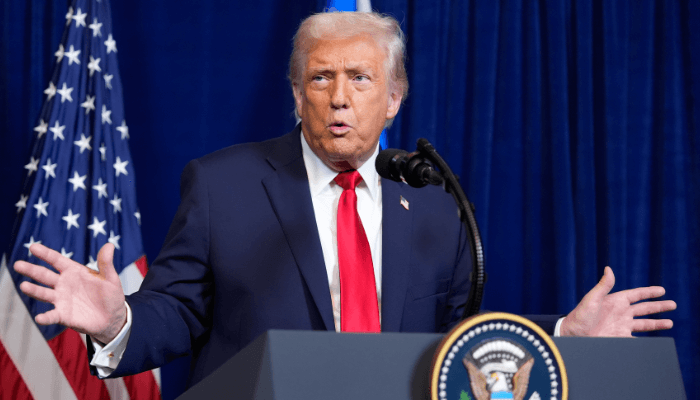
US President Donald Trump has officially signed a major new sanctions bill into law targeting Russia over its ongoing war in Ukraine. The bill passed through Congress with rare support from both major parties before reaching the president’s desk. It represents one of the strongest economic actions taken by Washington in years.
Known officially as the Lindsey O. Graham Sanctioning Russia and Iran Act of 2026, the legislation honors the late senator who spent well over a year working on it. The new law introduces strict economic limits aimed at stopping the money flowing into Moscow’s war effort.
The move brings massive changes to global trade, energy markets, and international relations. Major countries like China and India now face tough choices about how they buy oil and gas. Understanding what this law contains and how it works is vital for anyone following global news.
Big Changes in Global Politics
The passage of this law marks a major moment in international politics. For months, lawmakers in Washington debated how best to handle economic pressure against Russia. While previous sanctions targeted specific individuals and company groups, this new bill goes much further.
The bill was originally co-written by late Republican Senator Lindsey Graham and Democratic Senator Richard Blumenthal. After passing the Senate with an overwhelming 86 to 11 vote, it moved to the House of Representatives. It cleared the House with a vote of 262 to 159, receiving support from dozens of Democrats alongside most Republicans.
The $0 Secret To Launching Your Entire Online Empire
Why pay hundreds every month for separate software? Build funnels, send emails, and make sales with Systeme.io completely free.
Get Started For $0Free Forever • No Credit Card Needed • Beginner-Friendly
According to detailed reporting from Al Jazeera’s report, this legislation is the first major Ukraine-related package to clear Congress in over two years. It signals a significant shift in how Washington plans to use its economic power to influence foreign conflicts.
Supporters of the law believe that cutting off money at the source is the fastest way to bring about peace talks. By hitting energy sales and financial pipelines, the bill aims to reduce the resources available for military spending.
What Is Actually Inside This New Sanctions Law?
The law contains several distinct parts designed to close existing loopholes and increase pressure on multiple fronts. Here is a clear breakdown of the core sections included in the package.
Target 1: Russia’s Financial System and Oligarchs
The law places direct restrictions on senior Russian officials, military leaders, and wealthy business figures known as oligarchs. It locks access to U.S.-based assets and prevents these individuals from doing business with American companies.
Major Russian banks and financial institutions face renewed restrictions as well. These rules make it far harder for Russian institutions to process international transactions or transfer funds across borders using standard international banking networks.
Target 2: The Mysterious “Shadow Fleet”
One of the most notable features of the law is its focus on Russia’s so-called “shadow fleet”. After earlier Western restrictions set caps on crude oil prices, older tanker ships were recruited across global waters to transport Russian oil outside traditional insurance and regulatory systems.
The new law specifically targets these tankers, their owners, and the support networks that keep them operating. As noted in Kyiv Post coverage, penalizing these vessels aims to disrupt the underground logistics network keeping Russian crude moving to market.
Target 3: The 100% Tariff Threat on Russian Oil Importers
Perhaps the most talked-about authority in the law gives the U.S. President the ability to place heavy tariffs—up to 100 percent—on countries that continue buying large volumes of Russian oil and gas.
This secondary sanction tool specifically targets the top five global buyers of Russian energy. If a country continues purchasing high volumes of Russian crude, the White House now holds the legal authority to double taxes on that nation’s exports coming into the United States.
Target 4: Extending Sanctions on Iran
In addition to Russia, the bill includes provisions that extend existing U.S. sanctions on Iran for another five years. The inclusion targets military cooperation and weapons technology exchanges between Tehran and Moscow.
This combination ensures that foreign military partnerships tied to the conflict face similar economic penalties under one unified law.
Why China and India Are Feeling the Pressure
The provision allowing tariffs of up to 100 percent puts two major world powers in a difficult spot: China and India. Since traditional Western markets reduced their intake of Russian oil, both Asian nations stepped in as the largest buyers of discounted Russian crude.
For India, energy imports are essential to fuel a fast-growing economy with over 1.4 billion residents. Officials in New Delhi have maintained that buying affordable energy is a necessary step to protect their own citizens from inflation and energy shortages.
For China, Russian crude provides an important energy supply that keeps factories running and powers transportation networks nationwide.
Now, both nations must calculate the risks. If they continue buying Russian oil at current levels, they risk having heavy tariffs placed on their goods exported to the United States. However, cutting off Russian energy imports could lead to higher fuel costs at home.
Send, Spend & Hold Money Worldwide Without Hidden Fees
Transfer money internationally at the real exchange rate and hold 40+ currencies in one account.
Open a Wise AccountMid-market rate • Fast transfers • 40+ currencies
It is important to remember that the tariffs are not automatic. The law gives the president full authority to choose when, how, or if these tariffs are applied, leaving space for diplomatic negotiations.
The Big Debate in Washington: Why Not Everyone Agreed
Even though the bill passed with cross-party support, it triggered intense debate on the floor of Congress. Understanding the different viewpoints shows how complex global sanctions really are.
The Supporters: “Maximum Economic Pressure”
Supporters argued that strong laws are necessary to force an end to fighting. Republican Congressman Michael McCaul stated that the measure was crafted to put maximum economic pressure on Moscow and encourage diplomatic negotiations.
Democratic Senator Richard Blumenthal shared a similar message, expressing hope that the law will bring Russia to the negotiating table by showing that the U.S. remains focused on cutting off war funding.
Ukrainian President Volodymyr Zelenskyy strongly encouraged lawmakers to pass the package, calling it an extremely powerful tool to reduce the flow of money supporting military actions.
The Critics: Concerns Over Tariff Power
On the other side of the debate, several lawmakers expressed concern over how much power the bill gives to the executive branch. Democratic Congressman Gregory Meeks argued against giving broad tariff powers to the president, warning that the rules could accidentally harm economic relationships with international allies.
Other critics raised concerns about domestic inflation. They pointed out that if huge tariffs are placed on imported goods, everyday consumers in America might end up paying higher prices at the store.
Despite these debates, the majority of lawmakers ultimately decided that taking decisive action on Russian energy sales was worth the potential risks.
How Global Markets and Daily Life Could Be Affected
When major trade laws pass, the impact rarely stays inside government offices. The effects move through world markets and eventually reach regular consumer prices.
First, global oil prices could experience new swings. If China or India decide to cut back on Russian oil to avoid U.S. tariffs, they will need to buy oil from other suppliers like Middle Eastern producers. That sudden shift in demand can drive up global crude prices, leading to higher gasoline costs at the pump for drivers around the globe.
The $0 Secret To Launching Your Entire Online Empire
Why pay hundreds every month for separate software? Build funnels, send emails, and make sales with Systeme.io completely free.
Get Started For $0Free Forever • No Credit Card Needed • Beginner-Friendly
Second, shipping and supply chains face new hurdles. Targeting the “shadow fleet” means dozens of shipping vessels may be pulled out of service or detained in ports. Fewer available cargo vessels can increase shipping rates for ordinary consumer goods.
Third, the business world is leaning heavily on modern tracking tools to keep up with these fast changes. Financial institutions and shipping companies use modern software and digital tools to scan trade records, verify shipping destinations, and ensure full compliance with updated sanctions list.
If you are curious about how modern tech and automation are transforming how information moves globally, check out our insights on Technology & AI to see how intelligent systems track big world data.
At the same time, content creators and media teams rely on digital platforms to break down these complex global events for everyday audiences. If you create content online or want to build a digital presence around trending news topics, explore our detailed guide on YouTube Automation to learn how digital systems help creators share stories effectively.
How This News Hits Home and What Happens Next
Now that President Trump has signed the legislation into law, all eyes turn toward how the White House will enforce its new powers. The immediate question is whether secondary tariffs will be applied right away or used as leverage during trade discussions.
Diplomatic talks between Washington, New Delhi, and Beijing are expected to increase over the coming weeks. U.S. officials will likely push trading partners to gradually reduce their purchases of Russian energy rather than imposing instant 100 percent tariffs.
For everyday readers, staying informed about these global updates helps you understand broader economic trends, from gas prices to interest rates. Keeping a regular eye on global policy shifts gives you a clearer view of where the world economy is heading next.
Frequently Asked Questions (FAQs)
What is the Lindsey O. Graham Sanctioning Russia and Iran Act of 2026?
It is a sweeping piece of U.S. legislation signed into law by President Donald Trump. It targets Russia’s financial sector, energy exports, military officials, and shadow tanker fleet, while also extending sanctions against Iran.
Will this law cause gas prices to rise?
It could impact gas prices depending on how strictly the secondary tariffs are enforced. If major oil buyers shift away from Russian crude, global demand for alternative oil supplies will rise, which can lead to higher fuel prices globally.
Why are China and India included in the tariff discussions?
China and India became the primary buyers of Russian crude oil after Western nations limited their imports. Because their oil purchases generate significant revenue for Moscow, the law allows the U.S. President to impose tariffs of up to 100 percent on their goods if they continue high-volume energy trades.
What is Russia’s “shadow fleet”?
The shadow fleet refers to a network of older, independently operated oil tankers used to transport Russian crude around international price caps and Western regulatory rules. The new law specifically penalizes these ships and their operators.
Do 100% tariffs take effect automatically?
No, the tariffs are not automatic. The law grants the U.S. President the legal authority to apply tariffs or grant waivers based on diplomatic progress and national interest.
Where can I learn more about the team behind these insights?
You can visit our About Us page to discover our editorial mission, or reach out directly to our writers through our Contact Page.
Following global news stories like this sanctions law shows how connected our world really is. What starts as a debate on the floor of the U.S. Congress quickly ripples out to touch energy markets in Asia, trade agreements in Europe, and everyday prices at local stores. As implementation unfolds, tracking these economic moves will reveal just how much leverage secondary sanctions hold in modern global diplomacy. Stay updated with us on social media by visiting our Instagram, checking out our Facebook, or following our updates on X (formerly Twitter).
