
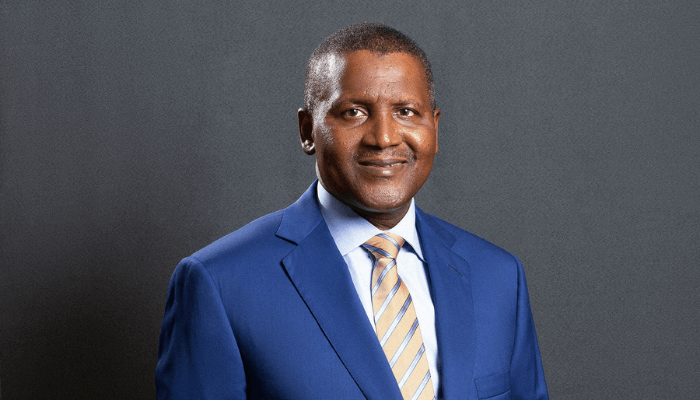
When you hear the name Aliko Dangote, you probably think of endless wealth, massive cement factories, and his massive new oil refinery. He is Africa’s richest man, and his success story is known globally. But behind every massive success, there is usually a trail of quiet failures that people rarely talk about.
It is easy to look at successful people and think everything they touch turns to gold. The reality is very different. Even the richest man on the continent has had to close down companies, fire thousands of workers, and walk away from millions of dollars. These hard choices were part of his journey to building the business empire he controls today.
In this article, we are going to look at the businesses Aliko Dangote had to shut down or sell off. These were his failed bets. Some of these failures cost him billions, while others forced him to rethink his entire business strategy. Let us look at the messy side of billionaire success.
The Myth of the Perfect Businessman
Nobody wins all the time. Not even billionaires. When you read about big business moves, the stories usually focus on the big wins. But the truth is, testing new ideas is risky. Sometimes, the market is not ready. Sometimes, foreign competition is too strong. And sometimes, you just make the wrong call.
Dangote’s journey is a perfect example of this. He did not wake up one day with a perfect business plan. He tried many different things. He bought factories, chased new markets, and tried to compete in industries where he had no real advantage. When things did not work out, he did not just keep losing money to protect his ego. He made the brutal decision to cut his losses.
The $0 Secret To Launching Your Entire Online Empire
Why pay hundreds every month for separate software? Build funnels, send emails, and make sales with Systeme.io completely free.
Get Started For $0Free Forever • No Credit Card Needed • Beginner-Friendly
If you are trying to build something of your own, this is a very important lesson. You might be starting a small business, or maybe you are learning YouTube Automation to create a new income stream. You will face setbacks. The key is knowing when to pivot and when to walk away entirely. Dangote learned this the hard way, over and over again.
1. The Textile Tragedy: His Biggest Mistake
Recently, during a television interview, Dangote admitted something surprising. He said his biggest business mistake ever was getting into the textile industry. He invested heavily in this sector, hoping to revive local manufacturing. His group bought the Nigerian Textile Mills, a historic factory located in Ikeja, Lagos.
The plan looked good on paper. Nigeria has a massive population, meaning there is a huge demand for clothes and fabric. But the reality on the ground was brutal. The market was flooded with cheap imports from China and India. These foreign manufacturers could produce textiles at a fraction of the cost, making it impossible for local factories to compete.
To make matters worse, there was weak government policy protection for local manufacturers, and running the factories with unreliable power was incredibly expensive. The business became impossible to sustain. Dangote had to make the painful choice to close down the factories completely.
The human cost was massive. The closure resulted in nearly 8,000 workers losing their jobs, with almost 7,000 of them coming from the Ikeja factory alone. This remains one of the darkest spots in his business history. Closing the business was not just hard; it was expensive. Many of the workers had been with the company for up to 30 years, and they were owed heavy pensions and gratuities.
2. Liberty Merchant Bank: Sold to Pay Debts
When you owe thousands of workers their pensions, you have to find the money somewhere. The textile business failure did not just end with the factory closures. It forced a chain reaction. To pay off the massive debts and exit the textile industry cleanly, Dangote had to sell another one of his businesses: Liberty Merchant Bank.
He originally bought into the banking sector in the early nineties. But when the textile business collapsed, he was left with no choice. He sold Liberty Merchant Bank for 1.2 billion Naira. That sounds like a lot of money, but he did not get to keep it. Almost all of it went straight into paying former workers.
He later revealed that the textile industry consumed almost 1 billion Naira just in pensions and gratuities. Imagine selling an entire bank just to pay off the debts of a failed business. It shows that even billionaires have to rob Peter to pay Paul sometimes when a venture goes terribly wrong.
3. Dangote Flour Mills: A Rollercoaster of Buying and Selling
The story of Dangote Flour Mills is not a simple tale of failure. It is more about bad timing, tough market conditions, and smart escapes. The company was founded in 1999 and grew very fast, even getting listed on the stock exchange. But the flour business is a tough game with low profit margins.
In 2012, he decided to step back and sold a majority stake to Tiger Brands, a big company from South Africa, for about 200 million dollars. But Tiger Brands quickly realized that operating in the Nigerian market was much harder than they thought. They struggled to make a profit and eventually gave up.
In a shocking move, Dangote bought the struggling company back for just one dollar, while taking on the debts Tiger Brands had accumulated. He pumped money back into it, tried to fix the problems, and got it running again. However, the foreign exchange challenges in the country made the business very difficult to sustain long term.
So, in 2019, he sold it again. This time, a massive agribusiness company from Singapore called Olam bought it for 120 billion Naira. Dangote walked away from flour for good. It was a complicated venture that showed he was willing to admit when a business was no longer worth the headache.
4. Dangote Noodles: Surrendering to the Kings of the Market
Everyone loves noodles, right? It seems like a guaranteed way to make money. Dangote thought so too, which is why he launched Dangote Noodles. But he soon found out that breaking into a market dominated by a giant is incredibly difficult, even for a billionaire.
The noodle market in Nigeria is essentially ruled by one brand: Indomie. Dufil Prima Foods, the company that makes Indomie, has such a strong hold on consumers that most people call all noodles “Indomie.” Dangote tried to compete, but his noodle brand struggled to capture a meaningful share of the market. The profit margins were too low, and it was clear that he would never become the dominant player in this specific space.
In 2017, he made the strategic decision to exit the noodle business completely. He sold the assets of Dangote Noodles directly to his biggest rival, Dufil Prima Foods. A review of his business portfolio showed that making noodles just did not align with his bigger goals anymore.
Send, Spend & Hold Money Worldwide Without Hidden Fees
Transfer money internationally at the real exchange rate and hold 40+ currencies in one account.
Open a Wise AccountMid-market rate • Fast transfers • 40+ currencies
This move makes perfect sense when you think about it. Just like how you might want to focus on learning about Technology AI rather than wasting time on outdated software, a smart businessman drops the things that are holding him back to focus on bigger opportunities.
5. The Telecom Dream That Never Connected
Many people do not know this, but Dangote almost became a major player in the telecommunications industry. Back when the Nigerian telecom sector was booming, everybody wanted a piece of the pie. MTN, Glo, and Airtel were making massive profits, and Dangote wanted in.
His group paid roughly 20 million dollars for a 3G telecom license. The plan was to build a nationwide network and compete directly with the major operators. But the telecom business is extremely capital-intensive and complicated.
The project faced endless delays in getting the right approvals. There were internal disputes, and the actual cost of building cell towers across the entire country was enormous. Before the project could even launch to the public as a functioning telecom operator, Dangote realized the mountain was too high to climb.
Instead of throwing good money after bad, he withdrew from the sector. He eventually sold the license to Etisalat. It was a clear failure to launch, but backing out saved him from what could have been a financial disaster. He left the phone calls to the telecom guys and stuck to what he knew best.
6. The Tomato Paste Struggle
Nigeria consumes a massive amount of tomato paste, yet most of it is imported from countries like China. Meanwhile, local farmers lose thousands of tonnes of fresh tomatoes every year because they rot before they can be sold. Dangote saw a brilliant opportunity here: build a factory, buy local tomatoes, make paste, and stop the imports.
In 2016, he launched a massive tomato processing factory in Kano. It was designed to process 1,200 tonnes of fresh tomatoes every single day. It sounded like a perfect plan that would help farmers and create jobs.
However, reality hit hard again. The factory severely struggled to actually get enough tomatoes to process. Farmers could only supply about twenty percent of what the factory needed to run at full capacity. There were issues with farming techniques, diseases affecting the crops, and disagreements over pricing.
By 2021, the company admitted that the venture had barely turned a profit. The factory faced temporary shutdowns and massive operational hurdles. While the dream of local tomato paste production is still alive in some forms, this specific project became a massive headache rather than the easy win it initially appeared to be.
Why Knowing When to Quit is a Superpower
Looking at all these stories, a clear pattern emerges. Aliko Dangote is incredibly wealthy not just because he knows how to start businesses, but because he knows exactly when to kill them. He understands that holding on to a failing business just because of pride is the fastest way to lose everything.
The $0 Secret To Launching Your Entire Online Empire
Why pay hundreds every month for separate software? Build funnels, send emails, and make sales with Systeme.io completely free.
Get Started For $0Free Forever • No Credit Card Needed • Beginner-Friendly
Many people think quitting is a sign of weakness. But in business, strategic quitting is a survival skill. When the textile market changed because of Asian imports, he walked away. When the noodle market proved too hard to dominate, he sold it to the winner. When telecom required too much time and capital, he sold his license.
These failures cleared the path for his biggest successes. By dropping the dead weight, he freed up his money and his mental energy. This laser focus is what allowed him to build the Dangote Refinery, a massive project that changes the economic landscape of the entire continent. If his money was still tied up fighting for a tiny slice of the noodle market, the refinery might never have happened.
FAQs
What was Aliko Dangote’s biggest business mistake?
According to Dangote himself, his biggest mistake was investing in the textile industry. He was forced to shut down factories and lay off nearly 8,000 workers due to cheap imports and poor government policies protecting local manufacturers.
Did Dangote own a bank?
Yes, he owned Liberty Merchant Bank. However, he had to sell it for 1.2 billion Naira just to pay the pensions and gratuity of the workers he had to let go when his textile business failed.
Why did Dangote stop making noodles?
He realized that the noodle market was not a strategic fit for his overall vision, mostly because it had low profit margins and another brand (Indomie) dominated the market. He sold the business to Dufil Prima Foods.
Did Dangote Flour Mills fail?
It was more of a struggle than a complete failure. He sold a majority stake, bought it back when the buyer struggled, and eventually sold it again to Olam because of ongoing foreign exchange challenges in Nigeria.
Why didn’t Dangote launch a telecom network?
He bought a 3G license but backed out because of internal disputes, delays in getting approvals, and the massive cost of building a nationwide network from scratch. He sold the license to Etisalat.
Conclusion
The path to building an empire is never a straight line. The story of Africa’s richest man proves that failure is just data. It tells you what is not working so you can focus on what will. Dangote’s failed bets in textiles, banking, flour, noodles, telecom, and tomatoes did not ruin him. Instead, they sharpened his focus and helped him gather the resources to build Africa’s largest refinery.
Failure is a normal part of life. If you are running a giant corporation or just starting out, you are going to make bad calls. The secret is to learn from them, pay your debts, and move on to the next big thing.
If you enjoyed this breakdown, you can read more About our mission to bring you interesting stories. Do you have a story idea or feedback? Reach out to us through our Contact page.
Stay connected with us on social media for daily updates and fresh content:
Follow us on Instagram, catch our latest updates on Facebook, and join the conversation on X (formerly Twitter).
