
If you have ever taken a commercial bus in any major city in Nigeria, you probably know the routine. You step into a crowded vehicle early in the morning, ready for a long ride through traffic. Just as the driver hits the road, a passenger stands up, pulls out a Bible, and leads the entire bus in a short opening prayer.
For decades, bus preaching has been a familiar sight across the country. It is as much a part of the morning commute as traffic jams and street hawkers. However, recent discussions around public safety, transport rules, and passenger comfort have brought this practice back into the spotlight.
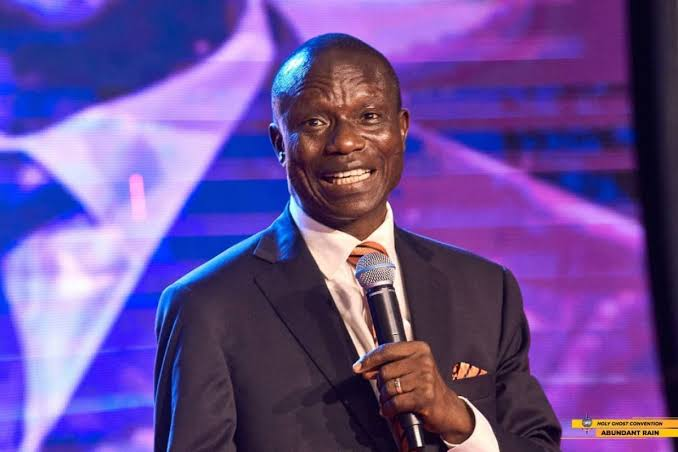
In response to calls and government directives aimed at curbing preaching on commercial transport, the Pentecostal Fellowship of Nigeria (PFN) has made its stance clear. The religious body vowed that Christians will continue to share their faith inside commercial buses.
This announcement has sparked a fresh conversation among commuters, transport operators, and religious leaders.
What Led to the PFN Declaration?
The issue of public evangelism is not entirely new, but it recently gained fresh attention. Over the past few years, several state governments and local transport authorities have attempted to enforce strict rules regarding commercial buses. These rules often aim to restrict hawking, begging, and public preaching inside moving vehicles.
The $0 Secret To Launching Your Entire Online Empire
Why pay hundreds every month for separate software? Build funnels, send emails, and make sales with Systeme.io completely free.
Get Started For $0Free Forever • No Credit Card Needed • Beginner-Friendly
Transport managers usually point to safety and order as their primary reasons for these policies. They argue that sudden movements, loud preaching, or distraction inside a crowded vehicle can create safety risks on busy highways. In some cases, security agencies have also raised concerns about fake preachers using the practice to trick passengers or collect money under false pretenses.
When news spread that authorities might enforce a total ban on bus evangelism in certain regions, the Pentecostal Fellowship of Nigeria felt the need to respond publicly. PFN leadership stated that sharing the gospel is a fundamental religious duty that cannot be wiped out from public spaces. They emphasized that as long as preachers remain peaceful and orderly, no one should deny them the right to express their faith.
The Deep Roots of Bus Evangelism in Nigeria
To understand why this issue touches so many people, it helps to look at how bus preaching became so common in the first place.
Nigeria is a deeply religious nation where people regularly look for spiritual encouragement before starting their day. For millions of workers leaving home as early as 5:00 AM, the morning bus ride is often the only quiet moment they get before entering a hectic workplace.
Over the years, commercial buses like Danfos, municipal BRT buses, and interstate vehicles became informal places of worship. Here is why the practice grew so popular over time:
Daily Encouragement for Struggling Commuters
Many commuters look forward to the morning prayer. Life in major cities can be tough, stressful, and unpredictable. Hearing a message of hope, protection, and encouragement on the way to work helps many people feel calm and prepared for the day ahead.
A Sense of Community in Traffic
When passengers join together in a quick song or say “Amen” to a shared prayer, it creates a temporary feeling of unity. People who do not know each other suddenly feel connected, even if it is just for a thirty-minute ride through heavy traffic.
Direct Access to the Public
For many passionate evangelists, commercial buses offer a direct way to reach people from all walks of life. Unlike traditional church buildings, a bus brings together people who might never step inside a formal place of worship.
Constitutional Rights and the Freedom of Expression
The core argument made by the Pentecostal Fellowship of Nigeria relies on the legal rights of every Nigerian citizen. The country’s constitution clearly protects freedom of thought, conscience, and religion. You can read more about how constitutional rights protect public expression on reliable legal resources like the Policy and Legal Advocacy Centre.
According to legal experts and PFN representatives, these constitutional protections extend to public spaces, including public transport systems. The main legal arguments include:
- Freedom of Speech: Citizens have the right to share their views, ideas, and religious beliefs openly, provided they do not break existing laws.
- Freedom of Religion: Believers have the right to practice their faith alone or in public spaces without fear of harassment.
- Equal Treatment: Selective bans targeting religious expressions while ignoring other public interactions can feel unfair to faith communities.
PFN leaders argue that instead of banning preaching outright, authorities should focus on stopping actual crimes or disruptive behavior. They maintain that a peaceful person sharing a message of goodwill does not break any law simply by speaking inside a vehicle.
The Public Debate: Security, Comfort, and Peace
While many Christians welcome the PFN’s firm position, public opinion across the country remains mixed. The conversation is not just about religious freedom; it is also about passenger rights, public safety, and modern transport standards.
To get a full picture of the situation, it helps to look at the different perspectives shared by everyday commuters.
The Perspective of Supporters
Supporters of bus preaching argue that the practice does far more good than harm. They highlight several benefits:
- Spiritual Protection: Many passengers believe that praying before a journey brings divine safety on dangerous roads.
- Moral Guidance: Messages preached in buses often encourage honesty, kindness, and hard work, which benefits society as a whole.
- Positive Atmosphere: A peaceful sermon can help calm aggressive drivers and frustrated passengers in heavy traffic.
The Perspective of Critics and Concerned Passengers
On the other hand, many commuters raise valid concerns about how bus preaching is carried out today. Their arguments center on three main points:
Send, Spend & Hold Money Worldwide Without Hidden Fees
Transfer money internationally at the real exchange rate and hold 40+ currencies in one account.
Open a Wise AccountMid-market rate • Fast transfers • 40+ currencies
- Noise and Personal Space: After a long, exhausting workday, many passengers simply want quiet. Loud preaching through small megaphones or shouting over engine noise can cause stress and headaches.
- Safety Distractions: Drivers need to pay full attention to the road. Loud shouting or people standing up in a moving vehicle can distract the driver or block emergency exits.
- Financial Exploitation: Unfortunately, some bad actors use bus preaching as a business. They preach briefly and then aggressively demand money or sell unverified products to passengers.
For a broader look at how public policies impact daily transport across Nigerian cities, you can check reporting from major outlets like Vanguard Newspaper.
How Technology and Modern Life Are Changing Evangelism
As public spaces become busier and cities grow larger, the way people share messages is naturally evolving. While physical bus preaching remains popular, modern technology offers new channels that reach even broader audiences without creating traffic or noise concerns.
Today, many preachers and content creators use digital tools to broadcast their spiritual messages, life advice, and educational content. For instance, online platforms allow people to stream short sermons, devotionals, and inspirational videos directly to smartphones.
If you are curious about how digital platforms and creator strategies work in the modern age, explore our breakdown on YouTube Automation strategies.
Similarly, advances in artificial intelligence and media production are making it easier than ever for creators to distribute high-quality content globally. To learn more about these digital trends, check out our section on Technology and AI developments.
While digital evangelism will likely never replace face-to-face communication entirely, it gives commuters a personal choice. Instead of listening to a speaker in a noisy bus, a passenger can simply put on headphones and listen to their preferred content privately.
Finding a Middle Ground: Recommendations for Peace
To keep public transport safe, comfortable, and respectful for everyone, both preachers and passengers can follow a few simple guidelines. Finding a fair balance means respecting religious freedom while also caring for passenger comfort.
Tips for Bus Preachers
- Keep It Short and Simple: A quick five-minute prayer or brief message is usually well-received. Avoid long sermons that dominate the entire journey.
- Mind Your Volume: Speak in a calm, moderate tone. There is no need to shout or use loud amplifiers inside a small, enclosed vehicle.
- Respect Passenger Privacy: Do not force people to donate money, buy goods, or participate if they choose not to.
- Safety First: Always stay seated while the bus is moving. Standing up in a speeding or suddenly braking bus is dangerous.
Advice for Commuters
- Practice Patience: If someone starts preaching, remember that the message will usually end in a few minutes.
- Use Noise-Canceling Options: Carrying basic earphones allows you to listen to your own music, podcasts, or audiobooks if you prefer quiet.
- Speak Up Politely: If a preacher is being excessively loud or standing too close to you, ask them politely to adjust their volume or move back.
Frequently Asked Questions (FAQs)
Is bus preaching officially illegal in Nigeria?
There is no overall federal law that bans preaching in commercial buses across Nigeria. However, individual state transport management agencies and local governments have rules against hawking, begging, and creating noise distractions inside public transport vehicles.
Why did the PFN take a strong stance on this issue?
The Pentecostal Fellowship of Nigeria spoke out to defend what it views as a constitutional right to preach and practice faith in public spaces. The organization wants to ensure that Christian believers are not unfairly restricted from sharing their faith peacefully.
Can a passenger ask a bus preacher to stop or reduce their volume?
Yes. Commuters pay for their transport fares and have a right to a reasonably comfortable ride. Passengers can politely ask a preacher to lower their voice or conclude their message if it becomes too loud or uncomfortable.
The $0 Secret To Launching Your Entire Online Empire
Why pay hundreds every month for separate software? Build funnels, send emails, and make sales with Systeme.io completely free.
Get Started For $0Free Forever • No Credit Card Needed • Beginner-Friendly
How can commuters identify genuine preachers from scam artists?
Genuine preachers usually focus purely on sharing a message of hope and faith without forcing people to give money. Be cautious of individuals who use high-pressure tactics, demand mandatory donations, or aggressively sell dubious items during the ride.
What are transport unions doing about this issue?
Transport unions like the National Union of Road Transport Workers (NURTW) generally encourage driver safety and orderliness. While enforcement varies by location, unions usually intervene when an activity causes direct arguments, physical danger, or disruptions inside the vehicle.
Final Thoughts
The declaration by the Pentecostal Fellowship of Nigeria highlights an ongoing debate about how faith, public rights, and everyday safety meet in modern society. Bus preaching has a long history in Nigeria, offering comfort and community to millions of morning commuters. At the same time, growing city populations and transport safety needs demand that everyone respects shared public spaces.
By promoting mutual respect, lower noise levels, and simple courtesy, both preachers and commuters can share the road peacefully.
What are your thoughts on bus preaching? We would love to hear your experiences and perspectives. You can reach out directly through our contact page to share your thoughts.
For more trending updates, engaging news, and fresh cultural insights, follow our official social media channels:
- Connect with us on Facebook
- Follow our latest posts on Instagram
- Join the conversation on X (Twitter)
