
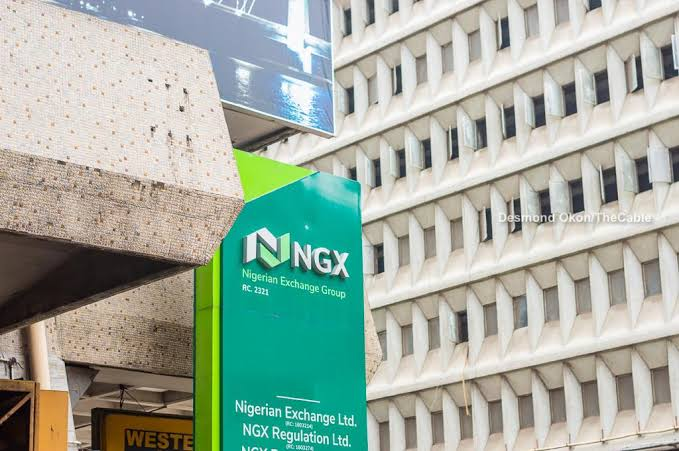
The Nigerian stock market is making headlines once again, and the numbers are big. In just one week of active trading, the Nigerian Exchange, commonly called the NGX, added over 2 trillion Naira to its total market value. That massive jump pushed the total worth of all listed companies past the 159 trillion Naira mark.
If you follow financial news, you might have seen people celebrating on social media or talking about a market boom. If you are new to stock trading, a figure like 159 trillion Naira sounds like a number from a sci-fi movie. It is huge, exciting, and a little overwhelming.
Big stock market updates are not just for high-flying fund managers in suits. What happens on the floor of the stock exchange affects real businesses, local bank accounts, and the broader economy.
Here is a breakdown of what happened on the Nigerian Exchange, why money is pouring into local stocks, and what all of this means for everyday people trying to build personal wealth.
Understanding the Numbers in Plain English
To understand why a 2 trillion Naira gain in one week is such a huge story, it helps to break down the language into plain terms.
Build Funnels, Email Lists & Sell Online With One Free Tool
Create funnels, send emails, and sell online using Systeme.io without paying for multiple tools.
Create Free AccountFree forever • No credit card • Beginner-friendly
The NGX is the main marketplace in Nigeria where people and big corporations buy and sell shares of public companies. Think of it like a giant physical market, but instead of buying food or electronics, people are buying tiny pieces of ownership in banks, cement companies, oil firms, and telecom providers.
Market capitalisation, often shortened to market cap, is simply the total price tag of all the companies listed on that exchange added together. If you wanted to buy every single company listed on the Nigerian stock market today, the price tag would be around 159 trillion Naira.
When news reports say the market gained 2 trillion Naira, it means that investors collectively decided those companies are worth 2 trillion Naira more than they were just days ago. The market value went up because buyers were willing to pay higher prices to own shares.
This recent jump was reported by financial outlets including Punch Newspapers, pointing out that institutional buyers stepped up to purchase large blocks of shares in top-performing Nigerian businesses.
What Drove This Huge Surge on the Bourse?
Stock prices do not jump by trillions of Naira by accident. Several factors lined up at the same time to spark this wave of buying activity on the Nigerian Exchange.
Heavy Buying in Big Banking Stocks
The biggest engine behind this market growth was the banking sector. Major tier-one Nigerian banks led the charge. Shares of financial institutions like First HoldCo, Access Holdings, and Guaranty Trust Holding Company saw high demand from investors.
In fact, the financial services sector accounted for more than 70 percent of all the shares traded during this busy period. When heavyweights like top banks experience double-digit percentage gains in their stock prices, the entire market value shoots upward fast.
Big Institutional Investors Stocking Up
Another key factor was the arrival of institutional investors. These are pension funds, investment firms, and foreign financial groups that handle billions of Naira.
Instead of buying a few hundred shares like an individual might, these big firms buy millions of shares at once. When major institutions decide to move their capital into Nigerian equities, the sheer volume of their trades drives stock prices higher very quickly.
Earnings Season Expectations
Timing played a major role in this market rally. Companies listed on the stock exchange report their financial results every quarter. Investors were anticipating strong half-year financial statements, particularly from major commercial banks.
When investors expect a company to announce big profits, they start buying the shares early to lock in good prices before the good news hits the media. This buying pattern created strong upward momentum across key sectors.
Better Foreign Exchange and Policy Signals
Economic stability plays a massive role in stock performance. Recent shifts in foreign exchange management, steadying inflation indicators, and clear policy directions from financial regulators gave investors renewed confidence.
When people feel that the overall economy is finding its footing, they become far more willing to take calculated risks and place their money in stocks rather than letting cash sit idle in low-yielding bank accounts.
Key Performers: Who Won Big During the Rally?
While the overall market gained 2 trillion Naira, not every company shared in the bounty equally. Some sectors and individual companies recorded massive gains, while others saw modest pullbacks.
The Top Gainers
Real estate investments and financial heavyweights were among the brightest stars during this trading period. UPDC Real Estate Investment Trust saw its stock price soar by over 30 percent, placing it at the top of the gainers list.
First HoldCo was another star performer, climbing over 25 percent in value within days. Industrial giants like BUA Cement and consumer brands like Unilever Nigeria and Cadbury Nigeria also enjoyed strong buying interest, driving their share prices upward.
Sectors That Lagged Behind
Stock markets are balanced ecosystems. Even during a massive market rally, some sectors experience temporary declines due to profit-taking or sector-specific challenges.
For instance, while the banking index jumped over 8 percent, the consumer goods sector and selected growth-stage stocks experienced slight drops. Investors frequently sell off stocks in one sector to free up cash so they can jump on rising trends in another. That normal profit-taking routine keeps the market dynamic.
How Technology Is Opening Stock Market Doors
A decade ago, buying stocks in Nigeria meant filling out paper forms, dealing with traditional stockbrokers, and waiting days or weeks for updates. That slow process kept millions of young, tech-savvy Nigerians from participating in capital markets.
Today, technology has completely transformed how people invest.
Smartphone apps and digital investment portals now let anyone buy shares on the NGX in a matter of seconds. You can set up an account, verify your identity online, and start buying shares in top Nigerian companies directly from your living room.
This shift toward digital tools is part of a much broader global trend where technology simplifies traditional industries. From online trading platforms to digital content creation, modern tools make earning and managing money far more accessible.
If you want to explore how tech and smart algorithms are changing how people build income streams online, check out our insights on technology and AI on our site. Modern automation is not just changing stock trading; it is transforming how creators automate businesses, including automated video platforms like YouTube automation.
Why Should Regular People Care About Stock Market Gains?
It is easy to look at a headline saying “NGX gains N2tn” and feel like it has nothing to do with your daily life. If you do not own millions in shares, why does a stock market rally matter?
Here are four simple reasons why this news is relevant to everyone:
1. Growing Your Wealth Ahead of Inflation
Leaving all your savings in a basic bank account means your cash slowly loses purchasing power over time due to inflation. When you invest in solid, dividend-paying companies on the stock market, your money has the potential to grow at a rate that beats inflation.
2. Earning Passive Income Through Dividends
When listed companies make strong profits, they often share part of that money directly with their shareholders as dividends. Owning shares in profitable companies means you can receive cash payouts straight into your account once or twice a year without having to sell your shares.
Build Funnels, Email Lists & Sell Online With One Free Tool
Create funnels, send emails, and sell online using Systeme.io without paying for multiple tools.
Create Free AccountFree forever • No credit card • Beginner-friendly
3. Pension Funds Perform Better
If you have a formal job in Nigeria, a portion of your salary goes into a Pension Fund Administrator account every month. Pension funds invest a large chunk of those savings into the Nigerian stock market. When the NGX gains trillions in value, your pension fund grows faster, securing a better financial cushion for your retirement.
4. Stronger Businesses Create Jobs
A thriving stock market makes it easier for companies to raise capital. When a bank, cement manufacturer, or telecommunications provider raises money on the exchange, they use that money to open new branches, build factories, and expand operations. That expansion creates real jobs and boosts economic activity for everyone.
Smart Rules for Beginners Starting Out in the Market
Seeing headline-grabbing gains like N2 trillion can make anyone want to jump right in. Stock markets can offer great rewards, but they also come with natural risks. Putting your money into shares requires patience and clear planning rather than impulse decisions.
Here are basic rules to keep in mind if you are thinking about starting your investment journey:
Start Small with Money You Do Not Need Immediately
Never invest your emergency fund, rent money, or cash you need for everyday living expenses in the stock market. Stock prices naturally go up and down every week. You want to invest money that can stay untouched for months or years so you are never forced to sell at a loss during a temporary market dip.
Spread Your Investments Across Different Sectors
Do not put all your funds into a single stock, no matter how great the news sounds. If you buy shares in a bank, consider also looking at consumer goods, industrial manufacturing, or telecommunications. Spreading your risk across different industries protects your overall portfolio if one sector faces a temporary slump.
Look for Strong, Well-Managed Companies
When choosing stocks, focus on companies that have a proven history of making profits, paying regular dividends, and maintaining strong management team oversight. Established tier-one companies are generally far more stable for beginners than high-risk speculative shares.
Think Long Term Instead of Quick Gambling
The stock market is not a get-rich-quick scheme. While day traders do exist, most everyday wealth on the stock exchange is built over years through compounding gains and reinvested dividends. Treat stock buying as buying a piece of a real business that takes time to grow.
Frequently Asked Questions (FAQs)
What is the Nigerian Exchange (NGX)?
The Nigerian Exchange, formerly known as the Nigerian Stock Exchange, is the official capital market platform where stocks, bonds, and other financial securities of registered public companies in Nigeria are bought and sold.
What caused the NGX market capitalisation to reach N159 trillion?
The surge was driven by massive institutional buying, particularly in top-tier banking stocks like First HoldCo, Access Holdings, and GTCO. Positive macroeconomic indicators, foreign exchange stabilization, and high expectations for company financial reports also fueled the strong demand.
Is it safe for a beginner to invest in the stock market?
Investing in stocks carries risk because share prices rise and fall based on market conditions. It is safe when approached with basic financial education, a long-term strategy, a diversified portfolio, and regulated investment apps.
How much money do I need to start buying shares in Nigeria?
You do not need millions of Naira to start. Thanks to modern digital trading apps, you can begin buying fractional shares or small packages of stocks on the NGX with as little as 5,000 to 10,000 Naira.
How do investors make money on the NGX?
Investors earn money in two primary ways: capital appreciation (when the market price of a stock rises above what you paid for it) and dividend payments (cash rewards distributed to shareholders from company profits).
Where can I get updates on stock trends and digital finance?
You can follow reputable financial news portals like Punch Newspapers, visit the official NGX website, or follow curated trend updates right here on WhatsBuzzn.
At WhatsBuzzn, we love breaking down fast-moving news into clear, accessible stories that empower you to make informed decisions. Whether it is tracking capital market moves, breaking down viral pop culture, or exploring digital income channels, our mission is to deliver information that actually matters to your everyday life.
If you want to know more about our editorial mission and the team behind our magazine blog, head over to our About Page. Have a news tip, a question, or a topic you want us to cover next? Reach out directly via our Contact Page.
Join our growing community across social media to catch every major story as it happens. Follow us on Instagram, like our page on Facebook, and join the conversation with us on X (formerly Twitter). Stay curious, stay informed, and keep building your path forward.
