
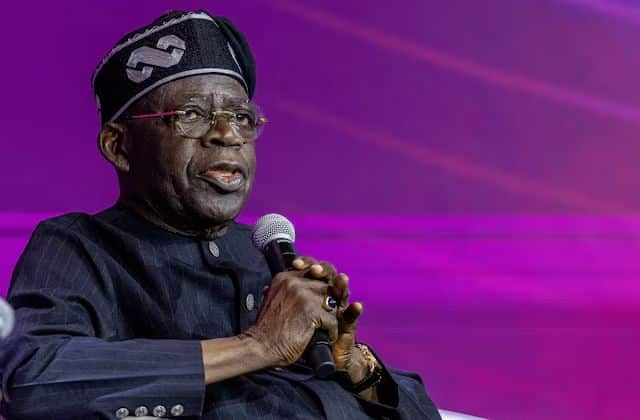
The Federal Government of Nigeria has made it official: electricity subsidies will be completely phased out starting next year. The announcement came directly from the Ministry of Power, signalling a major shift in how light bills will be calculated across the country.
If you have been watching your monthly power bills climb over the past year, this news might sound concerning. Government subsidies have historically covered a large portion of the actual cost of generating and delivering electricity to homes and businesses across Nigeria. With those payments coming to an end, the power market is moving toward a system where consumers pay the full cost of electricity.
Here at Whatsbuzzn, our mission is to break down major national stories so you understand exactly how they affect your daily life, your budget, and your business.
Let us look at what this decision means, why the government is taking this step, and what you can do right now to keep your light bills manageable.
What Is An Electricity Subsidy Anyway?
To understand why this decision is a big deal, it helps to look at how electricity pricing works behind the scenes.
The $0 Secret To Launching Your Entire Online Empire
Why pay hundreds every month for separate software? Build funnels, send emails, and make sales with Systeme.io completely free.
Get Started For $0Free Forever • No Credit Card Needed • Beginner-Friendly
Electricity generation, transmission, and distribution cost money. Gas suppliers sell gas to power plants, power plants generate electricity, and distribution companies (DisCos) transport that power to your home or office.
For many years, the price approved by the government for electricity was lower than the actual cost of producing it. To make up the difference so that power companies did not shut down, the Federal Government stepped in to pay the remaining balance. That financial cushion is what we call the power subsidy.
Without that subsidy, power companies would have had to charge consumers the true market rate, known in the industry as a cost-reflective tariff.
The Problem With The Old System
While subsidies kept prices lower for consumers on paper, they created huge problems for the nation’s energy grid:
- Massive Government Debt: The government struggled to pay the subsidies regularly, accumulating trillions of Naira in unpaid debts to power generation companies (GenCos) and gas suppliers.
- Poor Infrastructure Investment: Because DisCos and GenCos were not getting paid on time, they lacked the funds to repair broken transformers, upgrade old transmission lines, or install meters.
- Persistent Blackouts: Financial starvation in the sector meant power plants could not run at full capacity, leading to frequent national grid collapses and widespread blackouts.
By ending the subsidy, the government aims to fix these deep financial debts and encourage private investors to put money into improving power infrastructure.
How Power Tariffs Work Right Now: The Band System
To understand what will happen next year, we need to look at how the government began changing the tariff structure through the Nigerian Electricity Regulatory Commission (NERC).
NERC introduced a band system that categorizes electricity consumers based on the average number of hours of electricity supply they receive per day:
- Band A: Consumers who receive at least 20 hours of power per day.
- Band B: Consumers who receive between 16 and 20 hours of power per day.
- Band C: Consumers who receive between 12 and 16 hours of power per day.
- Band D: Consumers who receive between 8 and 12 hours of power per day.
- Band E: Consumers who receive between 4 and 8 hours of power per day.
Earlier, the government removed electricity subsidies for Band A customers, causing their tariff to increase significantly per kilowatt-hour. Consumers in Bands B through E continued to receive subsidized electricity rates.
The upcoming phase-out means that the remaining subsidies covering Bands B, C, D, and E will be gradually removed. Eventually, every consumer will pay the true cost of the electricity they consume.
Why Is The Federal Government Ending The Subsidy Now?
The decision to end the electricity subsidy did not happen overnight. It is part of a broader economic policy aimed at reducing public debt and reforming state-level financial obligations.
Here are the main reasons driving this policy change:
1. Stopping Trillions of Naira in Legacy Debt
Official reports from the power sector show that unpaid subsidies and gas debts have grown into trillions of Naira over the past decade. According to reporting by Punch Newspapers, shortfalls in the electricity market have continuously drained public funds that could otherwise go toward healthcare, roads, and education.
2. Attracting Private Investment
Global and local energy investors are hesitant to build new power plants or supply gas when they are uncertain about getting paid. Removing subsidies and moving to a cost-reflective tariff reassures investors that they will get a fair return on their investments.
3. Sharing Fiscal Responsibility With States
Under recent electricity legislation, state governments now have the authority to regulate and manage their own power markets. Under the new budget framework, state and local governments will share the financial responsibility if they choose to subsidize electricity for residents in their specific states, rather than relying solely on the Federal Government.
What Does Subsidy Removal Mean For Your Daily Life?
When subsidies disappear completely, the direct result will be an increase in unit prices for electricity, especially for households currently on lower bands.
Send, Spend & Hold Money Worldwide Without Hidden Fees
Transfer money internationally at the real exchange rate and hold 40+ currencies in one account.
Open a Wise AccountMid-market rate • Fast transfers • 40+ currencies
However, the impact goes beyond just your monthly light bill:
Higher Living Costs
Businesses rely heavily on power to operate. When a barbershop, cold room owner, factory, or supermarket pays more for electricity, their operating expenses rise. To stay profitable, these businesses will pass those extra costs on to customers through higher prices for goods and services.
Pressure On Remote Workers And Digital Entrepreneurs
If you work from home or manage online platforms, power is your biggest daily requirement. Running a generator with expensive fuel is already a heavy burden, and higher electricity tariffs will add to monthly utility bills.
If you run a digital business or produce content online, managing your overhead is vital. You can explore our guides on YouTube automation strategy to learn how content creators optimize their digital workflows and cut down operational costs while building reliable online income streams.
The Shift Toward Fairer Metering
On a positive note, cost-reflective tariffs mean power companies no longer have an excuse for poor service delivery. DisCos will face stricter regulatory pressure to provide reliable electricity and issue accurate prepaid meters to every home.
“A power market where consumers pay full price must be a market where consumers receive quality service and accurate billing.”
How Smart Tech And AI Can Keep Your Bills Down
As electricity costs rise, relying on old habits will cost you more money. Modern energy management tools and smart technology can help you track every unit of electricity you use and eliminate unnecessary waste.
Integrating energy efficiency into your daily routine is one of the most effective ways to lower your monthly expenses.
- Smart Energy Monitors: Devices that connect to your electrical panel let you track real-time power consumption on your smartphone. You can easily spot which appliances are pulling excessive current.
- Automated Energy Timers: Smart plugs can automatically switch off water heaters, deep freezers, and air conditioners during peak cost hours or when you are asleep.
- Inverter-Based Appliances: Replacing old air conditioners and refrigerators with modern inverter-driven models can reduce your cooling energy consumption significantly.
Staying updated on the latest tech developments can save you money. Check out our section on cutting-edge technology and AI updates to see how modern innovations are helping households and businesses automate energy management and lower expenses.
Is Solar Energy Finally Worth The Investment?
With electricity tariffs rising and fuel prices remaining high, many people are asking if solar power is the better option.
The $0 Secret To Launching Your Entire Online Empire
Why pay hundreds every month for separate software? Build funnels, send emails, and make sales with Systeme.io completely free.
Get Started For $0Free Forever • No Credit Card Needed • Beginner-Friendly
While installing a solar system requires a significant upfront cost, the long-term economics are becoming far more attractive when compared to paying high monthly tariffs on unmetered electricity.
Comparing Your Options
- Grid Power Only: Lower cost in the short term, but tariffs will increase next year, and supply can still be unpredictable.
- Generator Power: Very expensive to run daily due to fuel costs, engine servicing, and noise pollution.
- Hybrid Solar System: Higher initial investment, but provides clean, quiet, and reliable power with minimal daily costs once installed.
If you own a small business or work remotely, investing in a basic solar setup (a reliable inverter, lithium batteries, and a few solar panels) can act as a financial buffer against rising grid tariffs.
Actionable Steps To Take Before The Subsidy Phasing Begins
You do not need to wait until next year to adjust your home or business power usage. Taking action early will protect your bank account from unexpected bill shocks.
Here is a practical checklist to get ready:
1. Demand A Prepaid Meter Immediately
Estimated billing is one of the fastest ways to lose money in the power market. Under NERC regulations, every consumer has the right to a prepaid meter. Contact your distribution company and apply through the Meter Asset Provider (MAP) scheme so you only pay for electricity you actually use.
2. Audit Your Home Appliances
Walk around your house and check the wattage rating on your electrical appliances:
- Replace old incandescent light bulbs with energy-efficient LED bulbs.
- Unplug electronics like TVs, decoders, and microwave ovens when not in use, as standby power consumption adds up over a month.
- Use water heaters and electric kettles strategically rather than keeping them powered constantly.
3. Track Your DisCo Band Classification
Find out what band your neighborhood falls under. If your DisCo places your area in a high-tariff band (such as Band A or B) but fails to supply the required hours of power, you have the right to lodge a complaint with NERC for reclassification.
4. Adjust Business Pricing Early
If you run a business, review your cost structure now. Factor in potential increases in utility costs so you can adjust your service pricing gradually rather than surprising your customers with sudden rate hikes next year.
Frequently Asked Questions (FAQs)
Will electricity bills double immediately next year?
No. The Federal Government and the Ministry of Power have emphasized that the subsidy removal will be gradual. Tariffs for Bands B through E will adjust over time rather than jumping overnight, allowing consumers time to adapt to the changes.
What happens if I am still on estimated billing when subsidies end?
If you are on estimated billing, you run the risk of receiving higher monthly bills calculated on average neighborhood consumption. It is strongly advised to apply for a prepaid meter through your DisCo immediately to maintain full control over your billing.
Does ending the subsidy mean power supply will become 24/7?
Removing subsidies improves the financial health of the power sector, allowing DisCos and GenCos to maintain equipment, clear debts, and invest in infrastructure. While it creates the financial foundation for better power supply, achieving 24/7 power nationwide will still take ongoing network upgrades and proper regulation.
How do I report a DisCo that charges high tariffs without providing power?
You can file a formal complaint with the Nigerian Electricity Regulatory Commission (NERC) through their consumer advocacy channels or contact your local DisCo customer forum office. If you need guidance on navigating consumer complaints, feel free to reach out to us via our contact page.
Can state governments keep electricity subsidized in their states?
Yes. Under the new electricity legislation, state governments can choose to subsidize power for their residents. However, the state government must fund those subsidies directly from its own state budget rather than relying on the Federal Government.
Final Thoughts
The decision to phase out power sector subsidies starting next year marks a major turning point in Nigeria’s energy landscape. While higher electricity tariffs will test household and business budgets, the long-term goal is to build an energy market that actually works, attracts investment, and provides reliable light.
The key to navigating this transition is preparation. Getting a prepaid meter, upgrading to energy-efficient appliances, and taking advantage of smart technology will ensure you stay in control of your monthly spending.
Stay connected with us at Whatsbuzzn for clear, straightforward coverage of the news, economic trends, and lifestyle tips that affect your daily life.
What are your thoughts on the upcoming power subsidy phase-out? Join the conversation and share your experiences with us on social media!
- Follow us on Instagram
- Connect with us on Facebook
- Join the discussion on X (formerly Twitter)
