
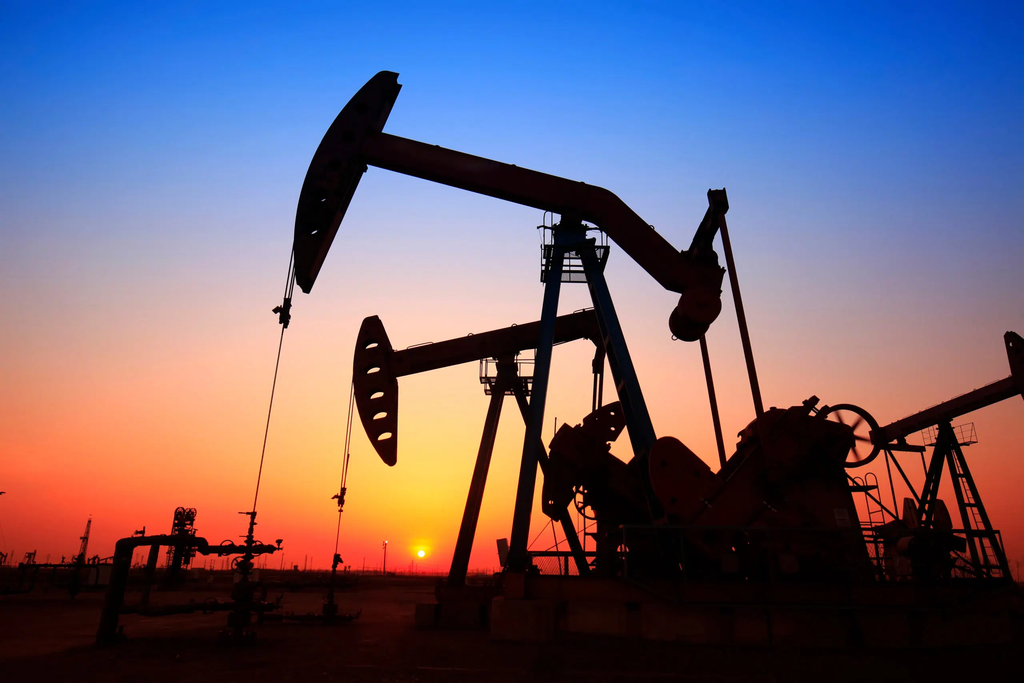
American oil giants have pulled in more than $130 billion in net profit between April and September 2026, capitalizing on the intense disruptions caused by the ongoing war involving Iran.
While millions of drivers watch prices skyrocket every time they fill up their tanks, major energy corporations are enjoying their biggest cash windfall in years. According to financial reports analyzed from over 50 large U.S. oil and gas companies, these six-month earnings are nearly triple what the industry made during the exact same period last year. In 2025, that figure sat under $47 billion. Today, it rivals the historic price shocks seen during the early months of the 2022 Russia-Ukraine conflict.
This divide between corporate balance sheets and household budgets has sparked fierce national debate, bringing energy policy directly into the political crosshairs.
How the War With Iran Caused an Oil Price Explosion
To understand how energy giants pocketed such massive windfalls, you have to look at global supply chains. When military strikes and regional hostilities escalated in late February, global shipping routes and energy infrastructure faced immediate danger.
Iran sits directly on the Strait of Hormuz, a narrow waterway where roughly a fifth of the world’s petroleum passes every day. As tankers avoided the area and insurance rates for merchant vessels jumped, oil markets reacted swiftly. Brent crude pushed beyond triple digits, and baseline fuel costs surged across international markets.
The $0 Secret To Launching Your Entire Online Empire
Why pay hundreds every month for separate software? Build funnels, send emails, and make sales with Systeme.io completely free.
Get Started For $0Free Forever • No Credit Card Needed • Beginner-Friendly
At the same time, regional refining assets and storage facilities suffered severe collateral damage. Combined with long-standing cuts and refinery outages across Eastern Europe, global capacity to turn crude into usable products shrank almost overnight.
Because modern economies cannot run without transportation fuel, high prices stayed stubbornly elevated rather than dropping back down.
Why Refining Margins Handed U.S. Firms an Unfair Advantage
The largest portion of this $130 billion surge did not just come from pulling crude oil out of the ground; it came from refining it.
A refinery takes raw crude oil and cracks it into usable items like gasoline, jet fuel, and diesel. The difference between what a company pays for unrefined crude and what it sells the finished fuel for is called the “crack spread.” In standard market conditions, this margin is relatively modest.
When conflict knocked foreign processing units offline, Gulf Coast refineries in the United States stepped in to fill the gap. U.S. processing plants were far from the war zone, fully powered by cheap domestic natural gas, and capable of operating around the clock.
Refining margins exploded to historic heights. Energy giants were able to produce finished diesel and gasoline at standard processing costs while selling them at war-inflated global market prices. That gap created billions in pure margin.
Corporate Earnings Breakdown: Exxon, Chevron, and Valero
Third-quarter corporate earnings statements made the scale of this profit spike clear:
- ExxonMobil: Reported a massive $15.4 billion net profit for the third quarter alone, heavily driven by its refining and international trading segments.
- Chevron: Posted $9.9 billion in profit for the same three-month stretch, almost tripling its earnings compared to the prior year.
- Independent Refiners: Companies like Valero Energy, Marathon Petroleum, and Phillips 66 generated immense free cash flow, operating their facilities near peak output to satisfy foreign demand while domestic retail prices climbed.
Executives have been open about where this money is going. Valero Chief Financial Officer Homer Bhullar noted that surplus cash is being directed toward shareholders via stock buybacks and dividend checks, rather than being poured into building new refineries.
Because building modern refining infrastructure takes billions of dollars and years of regulatory approval, corporate leadership sees little financial incentive to add supply that could lower prices later.
For full coverage on energy policies and business news updates, you can follow real-time discussions across our social communities on Facebook, X, and Instagram.
What This Costs Everyday Drivers at the Gas Pump
While corporate earnings calls celebrated record quarterly returns, the financial fallout on everyday households has been severe.
According to findings by the Climate Solutions Lab at Brown University, American drivers spent nearly $148 billion more on fuel across the first eight months of the war compared to normal baseline levels. That comes out to an extra $1,130 pulled out of the average household budget.
Retail gasoline prices have climbed more than 40% nationwide since the outbreak of hostilities, while diesel prices jumped over 70%.
Diesel is the primary fuel used for freight trains, delivery trucks, cargo vessels, and agricultural machinery. When diesel prices soar, the cost of moving food, clothing, and household goods increases right alongside it. The ripple effect creates broad inflationary pressure across grocery aisles, home utility bills, and everyday consumer retail.
The Political Backlash and Calls for Windfall Taxes
The contrast between struggling household budgets and historic oil earnings has triggered intense political arguments in Washington.
Send, Spend & Hold Money Worldwide Without Hidden Fees
Transfer money internationally at the real exchange rate and hold 40+ currencies in one account.
Open a Wise AccountMid-market rate • Fast transfers • 40+ currencies
Several lawmakers have voiced open anger over the situation. Senator Chris Van Hollen publicly called out the massive corporate profits, pointing out that ordinary working families are carrying the weight of a foreign war while oil companies enjoy hundreds of billions in financial gains.
The public debate centers on whether the federal government should intervene:
- Windfall Profit Taxes: Progressive lawmakers are calling for an emergency tax on excess oil earnings. Under these proposals, profits exceeding historical averages would be taxed at an elevated rate, with proceeds returned directly to consumers as quarterly gas rebate checks.
- Export Controls: Some policy analysts have suggested limiting how much refined fuel U.S. companies can export abroad. By keeping more gasoline and diesel inside the country, domestic supplies would rise and pump prices would drop. However, industry representatives warn this would damage relations with international allies facing energy shortages.
- Price Gouging Probes: Regulators are facing calls to monitor whether retail pump prices are rising faster during crude spikes than they fall when crude prices drop, a dynamic consumers frequently complain about.
With midterm congressional elections in focus, rising fuel costs and company balance sheets have become one of the central issues shaping voter sentiment.
Frequently Asked Questions
Why did U.S. oil companies make so much money during the Iran conflict?
They profited from two main factors: elevated global crude prices and exceptionally high refining margins. When hostilities in the Middle East and Eastern Europe damaged refineries and snarled shipping lanes, global fuel supplies plummeted. U.S. companies kept refining and pumping fuel at normal capacity, selling it at elevated global market rates.
How much extra money did the average driver spend?
Data from Brown University indicates that U.S. households spent roughly $1,130 in additional fuel costs during the first eight months of the war, adding up to nearly $148 billion nationwide.
Are oil companies spending this money to drill more oil?
For the most part, no. Most major energy firms have prioritized returning cash to their investors through quarterly dividends and multi-billion-dollar share buybacks. Executives are hesitant to commit tens of billions to new drilling or refinery construction that might sit idle if prices collapse in future years.
Will gas prices drop anytime soon?
Gasoline prices depend on crude costs, refinery operational stability, and geopolitical developments. As long as regional conflict threatens trade lanes like the Strait of Hormuz and refinery supply remains limited, retail fuel prices are likely to stay volatile. Any formal diplomatic progress or de-escalation tends to produce swift, temporary dips in futures markets.
The divide between corporate windfalls and household budgets shows just how quickly international conflict alters everyday economics. While energy corporations secure historic returns on global markets, working consumers continue to absorb higher living costs every single week. Have feedback or an insider tip on how fuel costs are impacting your business? Send a message to the team through our contact page
