
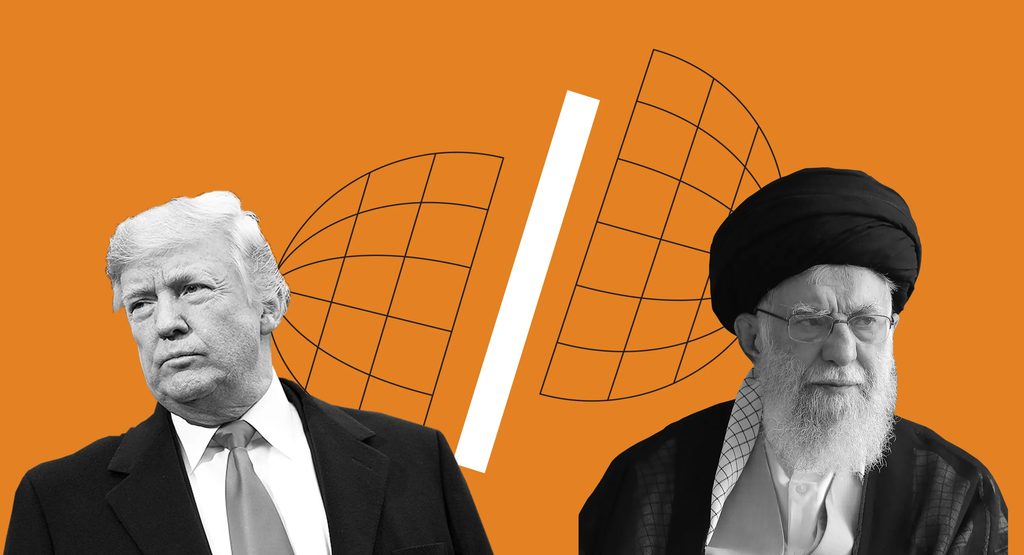
Donald Trump has placed the world on high alert with an explosive new statement on the Middle East crisis. During a weekend appearance on Fox News’ Sunday Morning Futures, the former president and commander-in-chief declared that Washington has reached a critical fork in the road. In plain, blunt terms, he stated that he will soon decide whether to sign a landmark peace agreement with Tehran or order the military to finish them off completely.
The remarks sent immediate shockwaves through global energy markets, diplomatic circles, and domestic political campaigns. With the vital Strait of Hormuz still facing severe disruptions and crude oil hovering near painful heights, everyday people around the world are feeling the consequences directly at the fuel pump.
Here is everything that happened, what both sides are saying behind closed doors, and why this high-stakes standoff matters for your everyday budget.
The Quick Breakdown: What Just Happened?
If you need a direct snapshot of the situation, here are the essential facts:
- The Core Statement: Donald Trump announced that he is weighing two stark paths regarding Iran: negotiate a sweeping diplomatic pact or unleash overwhelming military force to end the regime’s resistance.
- The Strategic Claim: Trump asserted that the United States military now effectively controls the Strait of Hormuz, cutting off Iran’s commercial maritime lifelines.
- The Energy Argument: Acknowledging the recent surge in fuel costs, Trump described higher gas prices as a small price to pay to prevent Tehran from developing a functional nuclear weapon.
- The Tehran Pushback: Iranian parliamentary officials fired back, dismissing the statement as empty posturing and maintaining that indirect negotiations remain impossible until the United States meets Tehran’s seven core demands.
- The Political Clock: With the November 3 midterm elections right around the corner, decisions made over the coming days carry massive economic and political weight.
Inside the Fox News Interview: What Did Trump Actually Say?
The confrontation reached a boiling point during Trump’s conversation with host Maria Bartiromo. When asked about the ongoing confrontation in the Persian Gulf and the next phase of American military involvement, Trump did not mince words.
The $0 Secret To Launching Your Entire Online Empire
Why pay hundreds every month for separate software? Build funnels, send emails, and make sales with Systeme.io completely free.
Get Started For $0Free Forever • No Credit Card Needed • Beginner-Friendly
He explained his thought process directly: “I have a decision to make: Do I finish it off, which would be very easy to do, or do I make a deal? That is all. We do not play games.”
According to coverage documented by CBS News, the statement follows hints from Washington that the Pentagon could launch another military offensive akin to recent joint operations conducted alongside Israel. Trump pointed to prior strikes, claiming that American naval and air forces had already dismantled the bulk of Tehran’s conventional assets.
“Our Navy and military have done an amazing job,” Trump stated. “They have knocked out every jet fighter of Iran. 259 ships are at the bottom of the sea. They are only left with record inflation.”
When reporters asked outside the White House whether a fresh wave of airstrikes was imminent, Trump kept his cards close to his chest. He noted that while nothing was scheduled for that exact afternoon, major developments could happen at any moment. He added that while Tehran appears eager to escape mounting economic pressure, the real question is whether Iranian leadership would honor any signed accord.
This follows weeks of intense rhetoric where Trump stands firm on the Iran conflict with no regrets, even as political opponents question the long-term endgame.
The Two Options: What “Making a Deal” vs. “Finishing It Off” Really Means
To understand why this choice is so dramatic, it helps to look at what both paths look like in practical terms.
Option 1: A “Nice, Big, Beautiful Agreement”
On paper, a negotiated settlement would focus on halting Iran’s nuclear enrichment program in exchange for economic breathing room. Washington wants verifiable inspections, an immediate halt to ballistic missile proliferation, and an end to proxy funding across the region.
For Iran, a deal would require lifting suffocating sanctions and unfreezing central bank assets. However, diplomatic trust remains razor-thin. Previous negotiations collapsed after Trump previously rejected Iran’s 7-day peace offer, arguing that short-term pauses merely buy Tehran time to regroup.
Option 2: Taking Action to “Finish Them Off”
When Trump refers to finishing things off, defense analysts point toward expanded military operations targeting Iran’s underground nuclear bunkers, coastal command nodes, and energy infrastructure.
Earlier this year, discussions in Washington leaned heavily toward forced political transformation, especially after Trump revived calls for Iranian regime change. Yet military specialists caution that an escalation of that scale carries immense risks. Iran retains deep stockpiles of asymmetrical drones, ballistic missiles, and regional allies capable of striking regional bases and commercial shipping lanes.
The Battle for the Strait of Hormuz: Why This Tiny Waterway Runs the World
A central piece of Trump’s weekend remarks focused on maritime control. “Remember, we now control the Hormuz Strait,” Trump insisted during his interview. “They get nothing. We get everything. They get nothing.”
The Strait of Hormuz is a narrow passage connecting the Persian Gulf to the open ocean. Under normal conditions, roughly one-fifth of the entire planet’s petroleum supply passes through this exact channel every single day.
Over the past few months, the corridor has turned into an active combat zone. Skirmishes erupted after US forces struck Iranian oil tankers following missile strikes on allied ships. Both nations have traded strikes across coastal airspace, as covered in detail when US and Iranian forces clashed in the Strait of Hormuz.
While the United States Navy maintains formidable firepower in the area, international shipping companies remain hesitant. Insurance rates for commercial oil tankers have skyrocketed, and many major carriers refuse to transit the waterway without armed escorts.
Until commercial container vessels and oil supertankers can travel freely without threat of missile fire, calling the strait fully open remains an oversimplification.
Send, Spend & Hold Money Worldwide Without Hidden Fees
Transfer money internationally at the real exchange rate and hold 40+ currencies in one account.
Open a Wise AccountMid-market rate • Fast transfers • 40+ currencies
Why Gas Prices and Your Everyday Budget Are Paying the Bill
Foreign policy can sometimes feel like something that only affects people in distant capitals. But this specific crisis hits everyday people where it hurts most: their wallets.
Crude oil benchmark prices reflect the uncertainty instantly. According to market trackers from Bloomberg, Brent crude climbed above $115 per barrel before fluctuating near $116, while West Texas Intermediate hovered above $102.
Every time oil surges on the global exchange, fuel distributors raise the price of gasoline and diesel within days. Trump addressed this public frustration head-on during his television appearance, arguing that higher fuel prices are an acceptable trade-off for national security.
“I thought gas would be double and triple,” Trump said. “It is a small price to pay for taking a nuclear weapon away from maniacs.”
Yet for working families commuting to jobs, small business owners managing delivery trucks, and shoppers facing higher grocery prices due to freight transportation expenses, the pinch is very real. Global energy leaders have warned that crude supplies have very little room for error. When the Aramco chief warned of dangerously thin global oil buffers, he underscored that any sudden halt in Gulf output could push energy costs into uncharted territory.
The pain is already visible in broader economic trends, contributing to the reality that global oil prices reached dangerous highs that trickle down to food, utilities, and daily goods.
Massive Military Buildup: Carriers, Jets, and Persian Gulf Deployments
Trump’s rhetoric is backed by significant military hardware moving across the globe. The Pentagon has systematically expanded the American footprint across the Middle East, positioning advanced air defense batteries, stealth fighters, and strike groups within striking distance of Iranian soil.
Most notably, naval commanders have directed a massive concentration of carrier power toward the Persian Gulf. Observers took note when news broke of the US deploying a third aircraft carrier group to the region.
Three carrier strike groups in a single theater represents an extraordinary level of naval readiness. Each carrier operates as a floating airbase with dozens of multirole combat aircraft, supported by guided-missile cruisers and destroyers armed with Tomahawk cruise missiles.
Pentagon officials maintain that this posture is designed for deterrence: to convince Tehran that any sudden offensive against commercial shipping or American facilities would meet devastating retaliation. At the same time, positioning massive fleets in tight waters raises the danger of accidental clashes, where an errant radar lock or defensive missile launch could trigger full-scale war.
The $0 Secret To Launching Your Entire Online Empire
Why pay hundreds every month for separate software? Build funnels, send emails, and make sales with Systeme.io completely free.
Get Started For $0Free Forever • No Credit Card Needed • Beginner-Friendly
Tehran Fires Back: Iran Says Talks Are “Meaningless” Without 7 Conditions
Iranian leaders have offered a completely different interpretation of events. Rather than appearing cowed by American warnings, officials in Tehran describe the latest White House statements as bluster intended for domestic television audiences.
Abbas Gouzardi, a prominent spokesman for the speaker of Iran’s parliament, addressed the remarks through the state-aligned ISNA news agency. He dismissed Trump’s claims of total tactical superiority as “boasting with the aim of threatening.”
More importantly, Gouzardi reiterated that Iran will not sit down at the bargaining table simply because Washington demands it.
“The Islamic Republic of Iran has announced its seven conditions, and until these conditions are met, negotiations will be meaningless,” Gouzardi affirmed.
While Iranian diplomats have kept the precise technical details of all seven demands closely held in public statements, regional security analysts know the broad parameters:
- An immediate and verifiable cessation of all American airstrikes and naval interdictions.
- Complete lifting of unilateral economic sanctions targeting Iran’s oil export revenues.
- Unfreezing billions of dollars in foreign assets blocked in international banks.
- Formal security guarantees that Washington will not pursue military regime change.
- Recognition of Iran’s civil right to domestic nuclear energy development.
- The withdrawal of extra American naval strike groups from territorial waters adjacent to Iranian shores.
- Compensation or reparations for industrial and military damage inflicted during recent campaigns.
Iranian leaders have repeatedly insisted that military intimidation will never force their surrender. Diplomatic communiques have reinforced that bullets and airstrikes cannot solve the underlying dispute, warning that prolonged aggression will only lead to broader regional chaos.
Furthermore, internal leadership shifts inside Tehran have created diplomatic confusion. Trump himself previously commented on the rapid turnover among Iranian decision-makers, remarking that Washington took out targets so quickly it became hard to track who was negotiating.
The Midterm Election Shadow: Why Politics Is Driving the Clock
You cannot separate this foreign policy drama from the domestic political calendar. The United States is racing toward the November 3 midterm elections, and both political parties know that the outcome will define the final two years of the presidential term.
Voters consistently rank inflation, economic stability, and fuel costs as their top everyday concerns. High prices at the gas station create an immediate political headache for the governing administration.
Reports from Capitol Hill indicate that many lawmakers are watching the Middle East escalation with mounting anxiety. A growing faction in Congress worries that prolonged conflict and rising energy expenses could trigger a harsh voter backlash, which explains why congressional representatives are nervous ahead of the midterm vote.
At the same time, displaying decisive military strength appeals strongly to core conservative supporters who favor an unapologetic “America First” foreign posture. By framing the conflict as a choice between a dominant deal or total victory, Trump attempts to turn a potential economic vulnerability into a demonstration of decisive leadership.
Diplomatic sources note that any major military escalation will likely wait until after voters cast their ballots on November 3. However, international crises rarely follow neat political timetables.
The Role of Regional Allies: Israel’s Strategic Position
Another critical variable in this formula is Israel. Prime Minister Benjamin Netanyahu has maintained a firm, uncompromising stance regarding Iranian nuclear ambitions.
Throughout the joint campaign, Israeli defense forces have coordinated intelligence and precision strikes with American counterparts. Israeli leadership recently informed Washington of their readiness to launch additional operations depending on political developments.
For Israel, preventing Iran from assembling an operational nuclear warhead is viewed as an existential priority. Israeli planners argue that diplomatic agreements without total dismantling of enrichment facilities merely delay an inevitable confrontation.
If American leadership chooses to negotiate a compromise deal, securing Israeli buy-in will be one of the toughest diplomatic hurdles on the agenda. Conversely, if Washington opts to “finish it off,” Israeli forces would almost certainly take a front-line role in suppression missions.
Can Diplomacy Still Work, or Is Escalation Inevitable?
Despite the fierce rhetoric, history shows that intense public threats often precede serious negotiations. In international diplomacy, leaders frequently maximize leverage right before sitting down at the bargaining table.
There are still channels of indirect communication open between Washington and Tehran. Regional intermediaries, including Oman, Qatar, and Switzerland, have historically passed confidential messages back and forth during moments of peak tension.
For a realistic breakthrough to happen, both sides would need room to claim victory:
- Washington would need to announce that Iran’s nuclear breakout capability has been permanently neutralized and maritime transit is secure.
- Tehran would need to show its domestic audience that it stood up to superpower threats, secured sanction relief, and preserved its sovereign integrity.
Finding a path that satisfies both narratives will require remarkable diplomatic agility. If neither side shows willingness to bend, the likelihood of miscalculation rises exponentially.
Frequently Asked Questions
What did Donald Trump say about Iran?
Donald Trump stated during a Fox News interview that he will soon decide between negotiating an agreement with Iran or taking military action to “finish them off.” He also claimed the United States controls the Strait of Hormuz and asserted that higher gas prices are an acceptable price to pay to stop Iran from obtaining nuclear weapons.
Why does the Strait of Hormuz matter so much?
The Strait of Hormuz is the most critical maritime oil transit chokepoint on Earth. Roughly 20% of the world’s petroleum flows through this narrow waterway. When navigation is threatened or closed, global oil supplies tighten rapidly, causing fuel prices to surge worldwide.
What are Iran’s conditions for peace talks?
Iranian officials have stated that negotiations are pointless until their seven conditions are satisfied. While detailed clauses remain confidential, primary demands include an end to military strikes, lifting economic and oil sanctions, releasing frozen financial assets, and providing binding guarantees against foreign-backed regime change.
How does this conflict affect everyday gas prices?
Crude oil prices are set on global commodity markets based on supply and demand expectations. When conflict threatens Middle Eastern production or transport routes, the price of crude shoots up. Refineries pass those added costs along to wholesale suppliers, which directly increases the price of gasoline and diesel at local pumps.
Will the US attack Iran before the midterm elections?
Trump has indicated that decisive actions are being weighed, with multiple reports suggesting that major military operations may be deferred until after the November 3 midterm elections. However, tactical defense assets remain fully deployed, and unexpected provocations could accelerate military responses at any time.
Where the World Goes From Here
The coming days will test whether tough public posturing can produce a diplomatic breakthrough or whether the Middle East is heading into an even deeper military showdown. The choices made in Washington and Tehran will ripple far beyond military war rooms, shaping world energy markets, international shipping routes, and household finances across the globe.
