
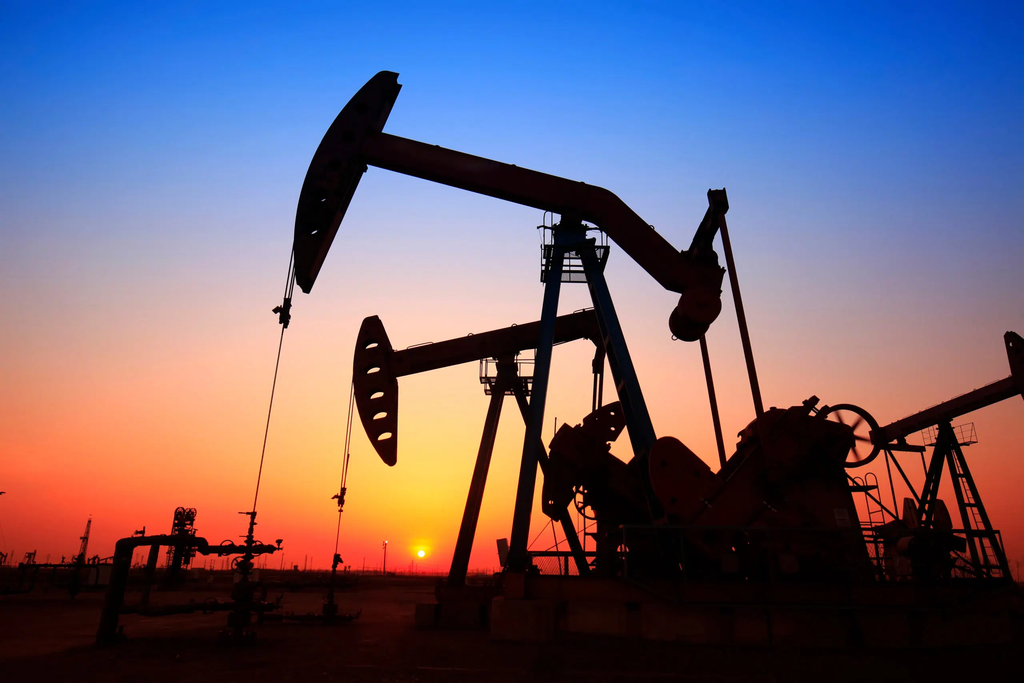
Global crude oil prices have surged to their highest levels since late April, shaking up financial markets and sounding alarm bells for consumers everywhere. International benchmark Brent crude jumped past $117 a barrel during trading before settling around $116.72, while United States benchmark West Texas Intermediate climbed over $103 a barrel.
The sudden price jump comes after weeks of building geopolitical tension in key energy corridors, shrinking strategic reserves, and mounting worries about shipping safety in the Middle East.
For ordinary people, crude oil is never just numbers on a trading screen. When oil gets expensive, energy bills climb, grocery shelves get pricier, and plane tickets jump. Understanding what sparked this rally and where fuel prices are heading can help you make smarter decisions with your money before higher costs reach your neighborhood.
What Triggered the Sudden Surge in Oil Prices?
Oil markets hate uncertainty, and right now, the energy world is dealing with serious pressure points all at once. Several critical factors have pushed crude to levels not seen in nearly six months.
Escalating Middle East Tensions and Supply Route Threats
The biggest driver behind the price surge is the fear of widening military conflict in the Middle East. Intelligence reports and statements from international leaders suggest that renewed military strikes could disrupt critical infrastructure.
The $0 Secret To Launching Your Entire Online Empire
Why pay hundreds every month for separate software? Build funnels, send emails, and make sales with Systeme.io completely free.
Get Started For $0Free Forever • No Credit Card Needed • Beginner-Friendly
Key waterways like the Strait of Hormuz and the Bab el-Mandeb Strait carry a massive chunk of the daily petroleum consumed worldwide. Recent reports of tanker security incidents and elevated risks around Gulf export hubs have sent insurance premiums skyrocketing for freight carriers. Energy giants like Saudi Aramco have placed facilities on heightened alert, prompting fears that any miscalculation could choke off critical crude flows. When traders worry that tankers cannot move freely, they immediately bid up prices to lock in available barrels.
Thinning Global Petroleum Reserves
Another major reason oil is climbing is that global emergency buffers have run thin. Over the past two years, major economies across the G7 and the International Energy Agency tapped into their Strategic Petroleum Reserves to keep pump prices affordable.
Releasing millions of barrels kept markets calm temporarily, but those stockpiles have not been fully replaced. Now, commercial crude inventories in North America, Europe, and Asia sit well below their historical five-year averages. With smaller cushions available, any supply threat triggers an outsized price jump because there is little emergency supply left to cushion the shock.
OPEC+ Production Discipline
The Organization of the Petroleum Exporting Countries and its partners, known collectively as OPEC+, have kept a firm grip on production targets. Even with prices crossing $100 per barrel, key producers have refused to flood the market with cheap crude.
Member nations argue that high volatility and unpredictable demand require cautious management of supply quotas. Because major producers are sticking closely to their output limits, the global supply cushion remains tight, leaving very little margin for error.
The Ripple Effect: How High Oil Prices Hit Everyday Life
Crude oil powers almost every layer of the global supply chain. When crude prices surge past $115 per barrel, the price hike ripples through the real economy in predictable ways.
Higher Gas and Diesel Prices at the Pump
The most direct impact hits your car’s fuel tank. Refineries buy crude oil as their primary raw material to manufacture gasoline, diesel, and aviation fuel. Within days or weeks of a crude spike, retail gas stations raise pump prices to reflect their higher replacement costs.
Diesel fuel is under even greater strain. Global refining capacity for middle distillates like diesel and heating oil has remained tight for months. Because trucks, freight trains, agricultural machinery, and cargo ships run primarily on diesel, high diesel prices drive up commercial transport costs, which businesses pass directly along to shoppers.
More Expensive Groceries and Consumer Goods
Every item on your grocery shelf had to be planted, harvested, packaged, and trucked to the store. High fuel prices make tractors more expensive to run and increase the cost of running delivery fleets.
Petrochemicals derived from petroleum are also fundamental building blocks for plastics, food packaging, textiles, synthetic fertilizers, and household cleaners. When raw crude prices rise, manufacturing plants face higher operational expenses. Retailers cannot absorb those expenses forever, so shoppers end up paying more at the register for everyday staples.
Pressure on Air Travel and Commuting
Airlines run on narrow profit margins, and jet fuel makes up one of their largest ongoing operating expenses. When oil prices spike, commercial carriers quickly tack on fuel surcharges or adjust base ticket prices to protect their bottom lines. Commuters who rely on rideshare services or public transport often notice similar fee adjustments as local drivers and transit operators deal with higher pump receipts.
Rising Headline Inflation and Interest Rate Worries
Central banks around the world, including the U.S. Federal Reserve, watch energy prices closely. Energy costs are a major component of consumer price indexes.
When energy spikes, it reignites inflation fears across global financial markets. That makes it harder for central banks to lower interest rates. If inflation stays elevated due to energy costs, central banks may keep borrowing costs high for longer to cool consumer demand, keeping mortgages, auto loans, and credit card balances expensive.
What the Oil Spike Means for Emerging Markets and Developing Economies
While wealthy nations feel the pinch through inflation and interest rates, emerging markets face sharper challenges.
Countries that import all or most of their oil must spend scarce foreign exchange reserves to purchase fuel priced in United States dollars. As fuel import bills expand, local currencies weaken against the dollar, making every other imported commodity—such as wheat, medical supplies, and electronics—substantially more expensive.
Send, Spend & Hold Money Worldwide Without Hidden Fees
Transfer money internationally at the real exchange rate and hold 40+ currencies in one account.
Open a Wise AccountMid-market rate • Fast transfers • 40+ currencies
On the other hand, oil-producing nations like Nigeria, Angola, and Gulf states see higher export revenues on paper. However, many oil producers face domestic bottlenecks, such as aging extraction infrastructure or high fuel import costs due to limited domestic refining capacity. As a result, ordinary citizens often face steep domestic fuel price increases before any national economic benefits can trickle down.
If you have questions about how these regional trends affect your business or daily finances, you can easily reach our editorial team through our contact page.
How to Protect Your Personal Budget from Surging Fuel Costs
You cannot control geopolitical conflicts or global oil trading desks, but you can take practical steps to shield your household finances from rising energy bills:
- Combine daily errands into a single trip rather than making multiple driving runs throughout the week.
- Maintain proper tire pressure and steady driving speeds, which can improve vehicle fuel efficiency by 5% to 10%.
- Use cash-back debit or credit cards that offer extra rewards on fuel purchases to trim daily driving expenses.
- Audit home heating, cooling, and electricity habits to cut kilowatt-hour usage, especially going into high-demand seasons.
- Buy non-perishable pantry items and household supplies in bulk before freight cost increases feed through into retail store pricing.
Staying proactive about energy habits keeps everyday spending steady, even when international energy markets turn volatile.
Frequently Asked Questions
Why did global oil prices reach their highest level since April?
Oil prices surged due to escalating conflict risks in the Middle East, growing threats to oil shipping lanes in the Strait of Hormuz, depleted strategic petroleum reserves, and ongoing OPEC+ supply restrictions.
How high did Brent crude and WTI crude climb?
Brent crude broke past $117 per barrel in intraday trading before closing near $116.72, its highest point since late April. West Texas Intermediate crude rose nearly 4% to trade above $103 per barrel.
Will gasoline and diesel prices go up immediately?
Retail fuel prices usually adjust within one to two weeks following a crude oil surge. Station operators raise prices to match the higher wholesale cost of replacement fuel shipments.
Can oil prices hit $130 or $150 a barrel?
Commodity analysts warn that if regional conflicts cause direct damage to critical oil facilities, refineries, or export pipelines, crude prices could easily move toward $130 to $150 a barrel. However, if diplomatic talks progress and shipping routes remain clear, prices may stabilize.
How does expensive crude oil affect food prices?
Crude oil powers farm tractors, cargo ships, delivery vans, and the chemical plants that produce agricultural fertilizers and food packaging. When fuel prices go up, the cost of farming, packing, and moving food increases, leading to higher grocery store prices.
How does high oil impact interest rates?
Higher oil prices fuel broader inflation. When inflation rises, central banks tend to keep interest rates higher for longer to prevent economies from overheating, making personal loans, credit cards, and mortgages more expensive.
The $0 Secret To Launching Your Entire Online Empire
Why pay hundreds every month for separate software? Build funnels, send emails, and make sales with Systeme.io completely free.
Get Started For $0Free Forever • No Credit Card Needed • Beginner-Friendly
For more real-time breakdowns of breaking world events and economic news, follow our active community updates on Instagram, join our conversations on Facebook, and get breaking alerts on X.
Energy markets move quickly, and the current jump back toward multi-month highs shows just how sensitive modern supply chains remain to global developments. Keeping a close eye on fuel trends helps you prepare your finances before price changes catch you off guard at the pump or the grocery checkout.
