
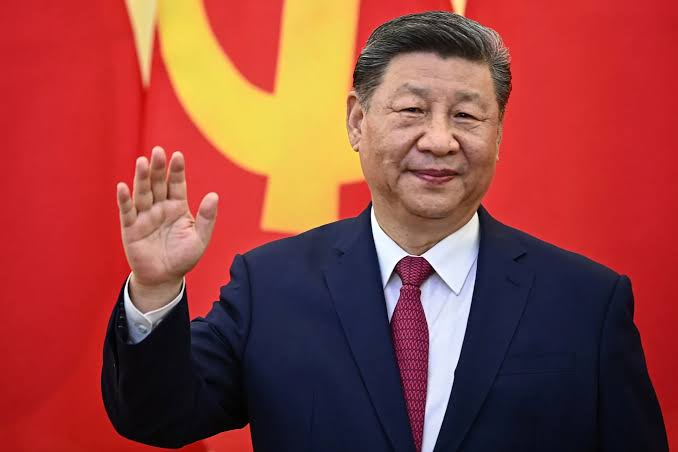
Chinese President Xi Jinping delivered a statement that caught the diplomatic and business world off guard. While speaking at a high-level bilateral meeting in Beijing with Botswana’s President Duma Boko, the Chinese leader declared plainly that African natural resources belong to Africa, insisting that respecting this reality must be a basic condition for any international cooperation on the continent.
Xi did not hold back when describing how global powers have treated African nations over the decades. He stated that an unjust international division of labour has pushed Africa to the bottom of the global value chain. He went on to describe this long-standing dynamic as a historical injustice that requires urgent remedy, urging the international community to balance moral principles with economic interests.
The statement comes at a moment when global competition for raw materials has reached a boiling point. Electric vehicles, artificial intelligence data centres, smartphones, and defence technologies all require vast amounts of critical minerals. Africa holds roughly 30 percent of the planet’s critical mineral reserves, according to United Nations data. As Washington, Brussels, and Beijing race to secure these minerals, Xi warned that African resources must never become instruments of geopolitical rivalry.
Xi’s remarks represent a striking shift in public rhetoric from Beijing. For years, critics in the West have accused China of extracting raw materials from African soil without building sustainable local industries. By openly calling the traditional extraction model a historical injustice, Xi placed Beijing squarely on the side of African resource sovereignty while throwing down a direct challenge to the United States and Europe.
The Meeting in Beijing: Why Botswana Took Center Stage
The backdrop of this announcement was a direct state meeting between Xi Jinping and Duma Boko, the newly elected president of Botswana. Botswana is one of the most resource-rich countries in Southern Africa, internationally recognized for its diamond industry and growing reserves of base metals.
The $0 Secret To Launching Your Entire Online Empire
Why pay hundreds every month for separate software? Build funnels, send emails, and make sales with Systeme.io completely free.
Get Started For $0Free Forever • No Credit Card Needed • Beginner-Friendly
Botswana has long been a model for mineral-based economic development in Africa, but the country has fought hard in recent years to keep more profits inside its own borders. Rather than simply digging up rough diamonds and shipping them straight to Europe or India, Botswana pushed foreign conglomerates to cut, polish, and trade gemstones locally in the capital, Gaborone.
President Boko brought this exact ambition to Beijing. During their discussions, Xi offered China’s backing for Botswana’s national development plans, emphasizing that mineral partnerships between China and Africa must move toward generating greater industrial added value.
Xi’s point was straightforward: extracting raw rock from African soil and shipping it abroad is no longer enough. African nations need factories, processing plants, and refineries built right at home so their people can reap the actual financial rewards.
Understanding the “Historical Injustice” of Raw Extraction
To understand why Xi’s comments struck such a chord, you have to look at how global trade has worked across Africa for more than a century.
When European powers carved up the continent in the late 1800s, they built ports and railways with a single purpose: moving raw materials out of Africa as fast as possible. Ships arrived empty and left packed with raw gold, crude oil, cocoa, timber, and copper. The refining, manufacturing, and high-paying jobs were kept in Europe and North America.
Decades after independence, many African economies remain trapped in that exact same pattern. A mining company digs unprocessed lithium or cobalt out of the earth and ships it thousands of miles away. Overseas factories turn that raw mineral into high-value battery cells, microchips, and luxury electric cars. When African consumers want to buy those finished products, they have to import them at exorbitant prices.
This classic “dig and ship” model leaves African countries vulnerable to sudden crashes in commodity prices. When raw mineral prices drop, government revenues collapse, national currencies take a hit, and public budgets suffer. Domestic industrial output struggles to take off because local manufacturing remains starved of cheap materials and steady processing facilities. This reality mirrors trends seen in regional economies where industrial factory production struggles to expand even when the broader economy reports paper growth.
By calling this cycle a historical injustice, Xi tapped directly into a sentiment shared by millions of African citizens and policymakers who are tired of watching their natural wealth enrich everyone except the communities living directly above the mines.
The Scramble for Critical Minerals: What Is at Stake?
The global economy is undergoing a massive shift away from fossil fuels toward renewable energy, electric mobility, and digital automation. This transition does not happen on paper; it requires millions of tons of tangible, underground minerals.
- Cobalt: Over 70 percent of the world’s cobalt comes from the Democratic Republic of the Congo. Without cobalt, modern lithium-ion batteries overheat and degrade quickly.
- Lithium: Known as white gold, lithium is essential for electric vehicle batteries and grid-scale power storage. Major deposits stretch across Zimbabwe, Mali, Nigeria, and Namibia.
- Copper: Clean energy grids and solar farms consume up to five times more copper than conventional electrical systems. Zambia and the DRC hold some of the richest copper belts on the globe.
- Rare Earth Elements: Critical for permanent magnets used in wind turbines, guided missiles, and electric car motors, with major deposits located in South Africa, Kenya, and Tanzania.
Because these minerals determine who will dominate the next century of clean energy and technology, foreign superpowers are locked in an intense race to secure supply lines. The United States has ramped up its diplomatic outreach across the continent, directly funding major infrastructure projects and signing bilateral agreements to guarantee supplies. This renewed Western push is clearly visible in initiatives like the massive mineral rush backed by Washington, showing just how fierce the competition has become.
Xi addressed this competition head-on, warning that African resources must not become instruments of geopolitical rivalries. He urged all outside nations to act sincerely and help preserve a stable, peaceful environment for trade rather than turning the continent into a geopolitical boxing ring.
Is China Walking the Talk? The Debate Around Beijing’s Role
While Xi’s speech won praise for acknowledging African ownership of resources, it also raised sharp questions from independent analysts and civil society groups. China is, after all, the world’s largest consumer of raw minerals and Africa’s single largest trading partner.
For the past twenty years, Chinese state-backed and private firms have invested tens of billions of dollars across Africa’s mining belts. Chinese firms own or finance the majority of cobalt mines in the DRC and control massive lithium processing projects in Zimbabwe.
Western critics frequently accuse Beijing of running an aggressive resource-backed lending model, sometimes referred to by opponents as debt-trap diplomacy. Washington argues that Chinese companies have dominated African mining by securing generous tax holidays, bringing in their own heavy machinery, and exporting unprocessed ores directly to smelters on the Chinese mainland.
Beijing firmly rejects that narrative. Chinese officials point out that unlike Western institutions that attached strict political conditions to loans, China built tangible, badly needed public works:
Send, Spend & Hold Money Worldwide Without Hidden Fees
Transfer money internationally at the real exchange rate and hold 40+ currencies in one account.
Open a Wise AccountMid-market rate • Fast transfers • 40+ currencies
- Thousands of kilometres of roads and modern rail systems connecting landlocked mining hubs to seaports.
- Hydroelectric dams and energy projects designed to power industrial zones.
- Generous bilateral grants, such as multi-billion development assistance packages, provided to African partners to strengthen bilateral cooperation.
Furthermore, Beijing has pointed to major diplomatic moves that challenge traditional Western trade structures, such as China’s strategic outreach across global trade hubs to build independent supply chains. Beijing also launched a zero-tariff initiative for African exports, eliminating duties on products from almost every African nation. However, taking advantage of these agreements requires local African suppliers to upgrade their processing capacity, a reality highlighted by trade experts who urge African exporters to prioritize product quality over raw volume under zero-tariff frameworks.
Yet, ordinary citizens in mining towns often tell a more complicated story. In several African countries, local workers have protested against Chinese mining operators over poor pay, inadequate safety protections, and environmental pollution. If Xi Jinping wants the world to believe that African resources truly belong to Africa, Chinese companies operating on the ground must demonstrate those principles through fair wages, strict environmental controls, and local community investment.
How African Countries Are Taking Control of Their Wealth
African governments are no longer waiting for outside powers to give them permission to protect their resources. Over the last three years, an unprecedented wave of resource nationalism has swept across the continent. African leaders are rewriting mining codes and outright banning the export of unprocessed minerals.
Raw Export Bans
Zimbabwe, which holds Africa’s largest lithium deposits, introduced a strict ban on raw lithium exports in late 2022. The government declared that any foreign company wishing to extract Zimbabwean lithium must build processing facilities inside the country to produce lithium concentrate locally.
Namibia quickly followed suit by banning exports of unprocessed crushed ore for lithium and other critical minerals. Tanzania and Ghana have rolled out similar measures, insisting that valuable minerals must undergo value addition within national borders before boarding cargo ships.
Renegotiating Mining Contracts
In the Democratic Republic of the Congo, the government reopened and renegotiated multi-billion-dollar mining agreements signed during earlier decades. Congolese authorities demanded higher royalty shares, better infrastructure financing, and greater domestic control over mining joint ventures like Sicomines.
Botswana’s successful push against international diamond cartels showed the entire continent that smaller nations can stand their ground and secure a fairer share of their underground wealth when they negotiate with resolve.
African leaders recognize that they hold the cards. The green transition cannot happen without African copper, cobalt, and lithium. Instead of picking sides in a new Cold War between the United States and China, forward-thinking African policymakers are playing foreign suitors against each other to secure the best investments for their people.
What Real “Added Value” Looks Like for Everyday Africans
Building processing plants inside Africa sounds wonderful in political speeches, but what does it actually take to make it happen?
Transforming raw mineral dirt into refined components requires massive investments in industrial fundamentals. You cannot run a copper smelter or a lithium processing factory without reliable, around-the-clock electric power. Rolling blackouts destroy industrial machinery and wipe out manufacturing margins. African nations must pair mining reforms with urgent power sector investments, utilizing solar, hydro, gas, and geothermal sources.
The $0 Secret To Launching Your Entire Online Empire
Why pay hundreds every month for separate software? Build funnels, send emails, and make sales with Systeme.io completely free.
Get Started For $0Free Forever • No Credit Card Needed • Beginner-Friendly
It also requires genuine technology transfer. Foreign investors must train local technicians, chemical engineers, and plant managers rather than flying in foreign specialists to operate every sophisticated machine.
When value addition happens locally, the benefits for everyday citizens are immediate and visible:
- Good-Paying Industrial Jobs: Local processing creates thousands of formal jobs in refining, packaging, testing, and logistics.
- Higher Government Revenues: Refined minerals sell on world markets at multiples of the price of raw ore, providing treasuries with tax revenues to fund hospitals, schools, and roads.
- Secondary Local Economies: Modern factories need local catering, transport companies, maintenance services, and equipment suppliers, creating an entire ecosystem of homegrown businesses.
If Xi Jinping’s vision is realized, African towns will no longer simply watch heavily guarded trucks carry red dirt away to distant seaports. They will see operational processing plants turning local stones into high-grade battery components ready for global manufacturing.
Frequently Asked Questions (FAQs)
What exactly did Xi Jinping say about African natural resources?
During an official bilateral meeting in Beijing with Botswana’s President Duma Boko, Chinese President Xi Jinping stated that African natural resources belong to Africa. He called the historic marginalization of Africa in the global industrial value chain an unjust international division of labour and a historical injustice that requires urgent remedy. He also warned foreign powers against turning African minerals into tools for geopolitical rivalries.
Why are Africa’s mineral resources so important right now?
Africa holds approximately 30 percent of the world’s critical mineral reserves. These minerals, including cobalt, lithium, copper, manganese, and rare earths, are essential for manufacturing electric vehicle batteries, solar panels, smartphones, artificial intelligence hardware, and modern defence systems. Without steady access to these minerals, the global shift to clean technology cannot function.
What is the difference between raw extraction and industrial added value?
Raw extraction involves digging unrefined rock and soil out of the ground and shipping it abroad in raw form for very low prices. Industrial added value means processing, refining, or manufacturing those minerals locally within the host country. Processing minerals locally creates high-skilled jobs, boosts export income, and supports domestic industrial growth.
How is the United States competing with China in Africa’s mining sector?
The United States and European allies are actively financing alternative logistics and transport networks, such as the Lobito Atlantic Railway corridor connecting mining hubs in the DRC and Zambia to the Atlantic Ocean. Washington is also signing direct bilateral mineral agreements and offering financing to counter China’s long-standing dominance over mineral extraction and refining.
Are African nations actually stopping foreign companies from taking raw ore?
Yes. Several African countries, including Zimbabwe, Namibia, and Ghana, have instituted formal export bans on unprocessed minerals like raw lithium. These policies legally require foreign mining firms to build domestic processing facilities before any minerals can be exported.
The declaration by Xi Jinping that African resources belong to Africa reflects a noticeable change in the global economic landscape. For centuries, outside powers treated the continent as a limitless warehouse of cheap raw materials, taking the wealth and leaving behind barren mining pits and struggling communities.
Today, that old paradigm is breaking down. African countries are demanding genuine partnerships, local processing plants, transparent contracts, and an end to the one-way flow of wealth. Whether outside powers act out of moral conviction or strategic competition, one thing is certain: the era of extracting Africa’s underground treasures without enriching the African people is rapidly coming to an end.
