
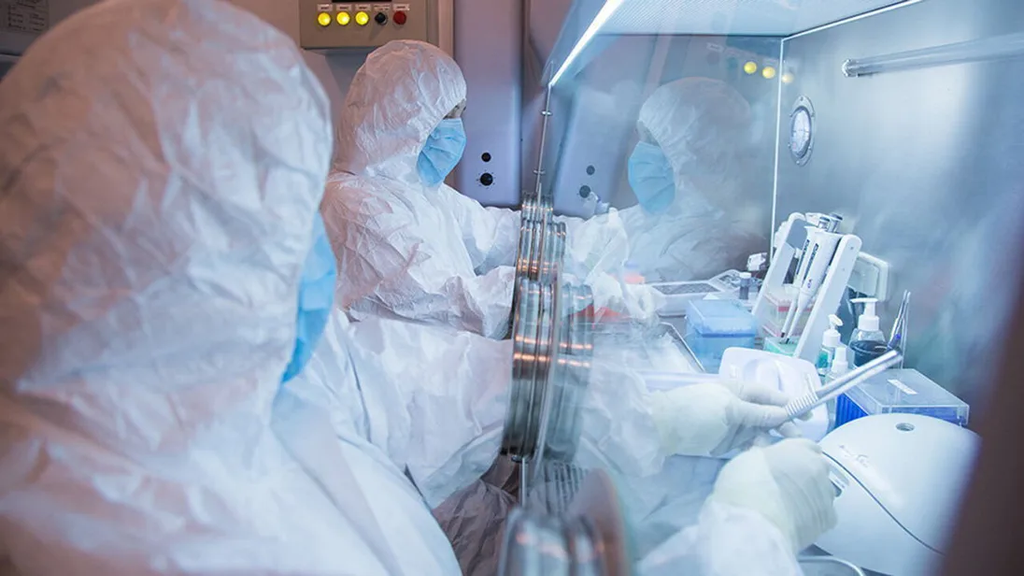
Reports coming out of a remote Russian research facility have put global health monitors on high alert. A young scientist working inside a high-security infectious disease laboratory in Siberia died under troubling circumstances. Reports suggest that a glass container filled with live plague bacteria accidentally shattered during a routine sample collection.
Within days of the incident, local health officials placed nearly two hundred people under strict medical observation. Quarantine orders swept through nearby medical centers, and local factories ordered employees to put on protective face masks.
The situation has created a intense debate between local news reports and official statements from Russian health agencies. Local independent news outlets claim that a human error inside the laboratory released the deadly pathogen directly into the air. Russian government officials maintain that the worker died from standard viral pneumonia and that no dangerous bacteria escaped into the community.
This contrast between local panic and official denial has reignited fears about laboratory safety, biosecurity protocols, and how quickly infectious diseases can spread when handling dangerous pathogens.
What Happened Inside the Irkutsk Research Facility?
The incident centered on the Irkutsk Research Anti-Plague Institute of Siberia, a long-established facility dedicated to studying dangerous infectious diseases. A twenty-eight-year-old laboratory technician, identified in local media reports as Daria Shipilova, was conducting routine work with bacterial samples.
The $0 Secret To Launching Your Entire Online Empire
Why pay hundreds every month for separate software? Build funnels, send emails, and make sales with Systeme.io completely free.
Get Started For $0Free Forever • No Credit Card Needed • Beginner-Friendly
According to reports published by the independent Siberian news outlet Lyudi Baikala, the young researcher was handling live cultures of Yersinia pestis, the bacterium responsible for causing plague. During the procedure, a glass test tube unexpectedly broke. The shattering of the tube allowed tiny droplets containing live bacteria to spray into the air, exposing the researcher directly.
Shortly after the accident, the worker developed severe respiratory symptoms. Her condition deteriorated rapidly as she suffered from intense fever, breathing difficulty, and fluid accumulation in both lungs. Despite receiving emergency medical care, she passed away from double pneumonia.
Medical staff who cared for her reported that she privately admitted to breaking a container holding live plague samples shortly before her symptoms started.
Why Pneumonic Plague Triggers Immediate Concern
To understand why this laboratory accident caused such widespread alarm, it helps to understand how different forms of plague behave. Most people associate plague with flea bites or infected rodents, which causes bubonic plague. Bubonic plague leads to swollen lymph nodes and stays localized unless left untreated.
Pneumonic plague is far more dangerous. It occurs when the bacteria infect the lungs directly. Unlike other forms, pneumonic plague can spread directly from person to person through coughing, sneezing, or simple conversation. When a person inhales airborne droplets containing the bacteria, the incubation period can be as short as twenty-four hours.
Without immediate treatment using strong antibiotics, pneumonic plague is almost always fatal. Because it spreads through the air, any suspected breach involving this specific form of the disease requires immediate isolation of anyone who might have inhaled the air near the source.
Quarantines, Mask Mandates, and Emergency Protocols in Siberia
Following the researcher’s death, health authorities in the Irkutsk region launched emergency containment protocols. The speed and scale of these measures surprised local residents and raised questions about the true level of danger.
Over sixty staff members at the anti-plague institute were placed into immediate isolation. Medical teams expanded their contact tracing to identify anyone who had interacted with the scientist, her family, or her medical carers. Within forty-eight hours, the number of individuals under medical observation reached nearly two hundred people.
Containment measures quickly expanded beyond the laboratory walls into public facilities across the region:
- Hospital Lockdowns: Two major hospitals in the city of Irkutsk, along with a regional maternity hospital, were placed under strict quarantine protocols. Visitors were turned away at the doors, and existing patients were prohibited from leaving the facilities.
- Industrial Precautionary Orders: In the nearby industrial town of Shelekhov, management at the Irkutsk Aluminum Plant issued mandatory mask orders for all factory workers to prevent potential airborne transmission.
- Border Health Inspections: Regional leaders in neighboring Buryatia issued public updates reassuring residents that medical teams were monitoring border points to ensure the illness did not spread across regional boundaries.
This sudden rise in protective protocols created widespread concern among residents. While health officials urged the public to remain calm, the sight of locked hospital doors and mandatory mask orders led many locals to prepare for a larger outbreak.
Government Statements vs Local Reports: The Cover-Up Debate
As news of the worker’s death spread across international headlines, the official response from Russian authorities took a very different tone. Russian national health agency Rospotrebnadzor released statements denying that any dangerous pathogen had escaped the facility.
Official government statements claimed that medical testing performed on the deceased worker revealed no traces of laboratory-stored microorganisms. Instead, authorities attributed her death to a severe form of acute respiratory viral infection that developed into fatal double pneumonia. Official sources insisted that the employee’s death was entirely unrelated to her professional work with dangerous bacteria.
This explanation met heavy skepticism from independent health experts and international observers. Critics pointed out that placing two hundred people in medical isolation and locking down public maternity wards is an unusually heavy response for a routine viral infection.
International Agencies Request Answers
The disagreement between official statements and local reports attracted the attention of global health institutions. The World Health Organization formally contacted Russian authorities to request detailed diagnostic files and laboratory test results regarding the worker’s death.
Global health monitoring groups noted that while official government reporting listed the cause as unknown pneumonia, the surrounding containment steps matched standard responses for a biosafety breach. Western intelligence agencies and health experts began actively monitoring regional health data to verify whether secondary infections were occurring in the surrounding community.
Send, Spend & Hold Money Worldwide Without Hidden Fees
Transfer money internationally at the real exchange rate and hold 40+ currencies in one account.
Open a Wise AccountMid-market rate • Fast transfers • 40+ currencies
This incident highlight ongoing global debates about transparency in state-run research facilities. Readers following broader stories on international security and geopolitical tension, such as recent investigative reports on state intelligence and secret operations or ongoing diplomatic friction surrounding Russian international relations, will recognize how state secrecy can complicate public trust during high-stakes health incidents.
The Reality of Laboratory Leaks and Biosafety Risks
Accidents in high-containment laboratories are rare, but they are not impossible. Around the world, scientists work daily with dangerous viruses and bacteria to develop vaccines, diagnostic tests, and treatments. These facilities use strict containment levels ranging from Biosafety Level 1 to Biosafety Level 4.
The Irkutsk Research Anti-Plague Institute operates under strict security guidelines, but human error remains a factor in any laboratory setting. History shows that even high-tech facilities can experience unintended breaches.
Historical Lessons in Laboratory Containment
- Sverdlovsk Anthrax Leak (1979): An accidental release of anthrax spores from a military biology facility in the Soviet Union led to dozens of deaths. For years, official sources blamed contaminated meat before acknowledging a facility maintenance error.
- Smallpox Laboratory Exposure (1978): A medical photographer in the United Kingdom contracted smallpox through a ventilation duct connected to a research laboratory, demonstrating how airborne pathogens can travel through unexpected routes.
- VECTOR Facility Incident (2019): A gas explosion occurred at the State Research Center of Virology and Biotechnology (VECTOR) in Siberia, a facility storing live smallpox and Ebola samples. While no pathogens escaped, the event underscored the physical vulnerabilities of aging research infrastructure.
These historical examples show why health experts react so quickly whenever news breaks about a potential containment breach. When working with airborne pathogens, even a small mistake like a dropped vial or a torn protective glove can turn into a serious public health concern.
How Modern Health Systems Monitor Biological Threats
When news of a potential lab leak breaks, modern health surveillance relies on early warning networks to track potential outbreaks before they spread. Public health agencies track hospital admissions, monitor pharmacy sales for sudden surges in antibiotic requests, and analyze regional mortality statistics.
Advanced digital tools are also changing how individuals access verified medical guidance during health scares. Modern platforms, including recent technological tools like ChatGPT’s health guidance features, help people separate reliable medical facts from online panic.
Understanding personal health and staying informed during medical emergencies is essential. Whether reading personal health journeys like Bruce Campbell’s honest health update or tracking global health developments, accurate information is the best defense against panic.
Demographic Vulnerabilities and Healthcare Capacity
When an infectious threat arises, healthcare systems must evaluate how vulnerable the local population might be. Age structure, existing medical conditions, and hospital bed availability play major roles in determining how well a community can handle a disease outbreak.
As global populations age and demographics shift worldwide, as detailed in our analysis on shifting global demographic trends, healthcare infrastructure faces greater strain during unexpected medical crises. A sudden outbreak in a region with limited intensive care facilities can quickly overwhelm local resources.
Can Pneumonic Plague Be Treated Today?
Despite its historical reputation as the cause of the medieval “Black Death,” plague is a bacterial infection, not a virus. This distinction is critical because bacterial infections can be treated effectively with modern medicine if caught early.
The $0 Secret To Launching Your Entire Online Empire
Why pay hundreds every month for separate software? Build funnels, send emails, and make sales with Systeme.io completely free.
Get Started For $0Free Forever • No Credit Card Needed • Beginner-Friendly
The Centers for Disease Control and Prevention outlines clear guidelines for managing suspected plague exposures:
- Early Antibiotics: Common antibiotics such as streptomycin, gentamicin, doxycycline, or ciprofloxacin are highly effective against Yersinia pestis when administered promptly after exposure.
- Prophylactic Treatment: People who have had direct, close contact with a confirmed pneumonic plague patient can take preventive oral antibiotics to stop the infection from developing in their body.
- Strict Respiratory Isolation: Confirmed patients must be kept in negative-pressure isolation rooms to prevent airborne droplets from leaving the treatment area.
- Protective Equipment for Medical Staff: Healthcare providers caring for infected patients must wear N95 respirators, eye protection, gloves, and protective gowns.
Because antibiotics are widely available, health agencies emphasize that a plague outbreak today would not duplicate the devastating loss of life seen centuries ago. The key factor remains speed. If treatment begins within twenty-four hours of the first symptoms, recovery rates are very high.
What International Health Experts Say About the Global Risk
Despite the scary headlines, international health experts emphasize that the risk of a global pandemic from this Siberian incident remains very low. The World Health Organization completed an initial risk evaluation and classified the global danger as minimal.
There are several reasons why this incident is unlikely to trigger a global health emergency:
First, pneumonic plague acts quickly. Infected individuals become visibly ill within a few days, making it far easier to identify, isolate, and trace contacts compared to viruses that spread silently through asymptomatic people.
Second, the geographical isolation of the Irkutsk region works as a natural containment buffer. Rapid action by local health workers to isolate nearly two hundred close contacts creates an effective quarantine barrier around the original facility.
Third, bacterial diseases do not mutate or evade medical treatments in the same way airborne viruses often do. Because proven antibiotic treatments exist and are readily available, public health departments can effectively control potential outbreaks before they spread outside local borders.
Frequently Asked Questions (FAQs)
Did the plague actually leak into the public community in Siberia?
Current evidence indicates that the exposure was contained to the laboratory worker and her immediate medical contacts. While nearly two hundred people were placed under medical observation as a safety precaution, no confirmed secondary cases of plague have been reported in the general public.
Is pneumonic plague contagious from person to person?
Yes. Pneumonic plague affects the respiratory system and can spread through airborne droplets when an infected person coughs, sneezes, or speaks closely with others. This makes it the only form of plague that spreads directly between humans without needing fleas or animals.
Can antibiotics cure pneumonic plague?
Yes, pneumonic plague can be cured with standard antibiotics like doxycycline, gentamicin, or ciprofloxacin. However, treatment must begin as early as possible, ideally within twenty-four hours of symptom onset, to be fully effective.
Why do scientific laboratories still keep samples of plague bacteria?
Research facilities hold live samples of Yersinia pestis to develop faster diagnostic tests, create improved treatments, and study bacterial resistance. Plague still occurs naturally in wild animal populations in parts of Asia, Africa, and the Americas, making ongoing scientific research necessary.
Could this Siberian laboratory accident cause a global pandemic?
World health organizations assess the global risk as extremely low. Because pneumonic plague symptoms appear quickly and effective antibiotic treatments exist, public health agencies can contain local exposures before they can spread internationally.
Staying Informed on Global Health News
Events like the lab leak scare in Siberia remind us how quickly news travels and how important it is to rely on verified facts over online speculation. While the situation in Irkutsk highlights the ongoing risks associated with handling dangerous pathogens, rapid containment protocols and modern medical treatments continue to keep the general public safe.
Keeping up with international developments, public safety updates, and health research helps communities stay prepared without giving in to unnecessary panic.
If you want to learn more about our publication and editorial approach, feel free to visit our About Us page. Have a tip, question, or comment about this story? You can reach our editorial team directly through our Contact Us page.
Stay connected with our community and get real-time updates on trending news, health breakthroughs, and world events by following our official social media channels on Instagram, Facebook, and Twitter / X.
