
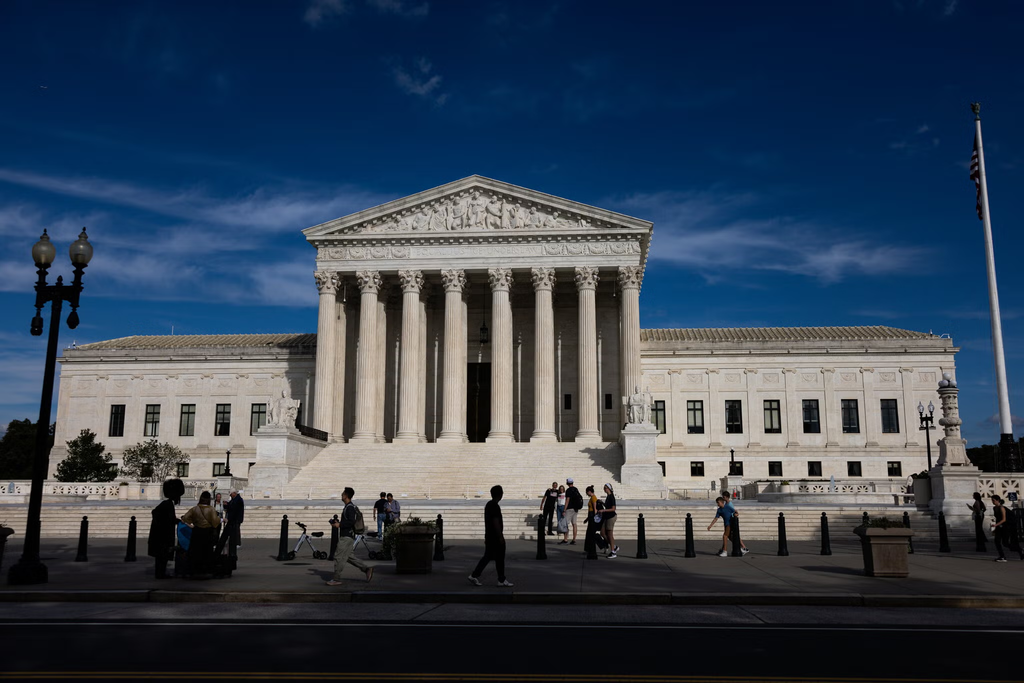
The United States Supreme Court has agreed to review a major immigration policy from the Trump administration. This critical legal battle focuses on whether the federal government can hold immigrants in detention indefinitely without giving them a chance to ask a judge for a bond hearing.
The announcement comes after months of rising legal friction across the country. Federal judges in different states have issued conflicting rulings about how the government can treat non-citizens who were picked up inside the country rather than right at the border. Now, the highest court in America will decide the ground rules for mandatory migrant detention.
This case represents one of the biggest legal tests for federal immigration powers in years. The outcome could directly affect thousands of individuals currently held in detention centers, as well as millions of immigrant families living across the United States. For context on recent legal rulings, you can read about how the Supreme Court approved Trump’s deportation rule.
What the Supreme Court Case Is Actually About
At its core, this lawsuit is about due process and basic fairness under the law. Under standard legal procedures, when someone is arrested by law enforcement, they usually have the right to go before a judge. The judge determines whether they pose a danger to the community or present a flight risk. If they do not, the judge can set a cash bond that allows them to return home while their court case proceeds.
The Trump administration took a much tougher stance by broadly expanding mandatory detention. Immigration officials began applying rules meant for new border arrivals to immigrants who have lived inside the United States for years. Under this approach, anyone facing potential deportation can be locked up without any option for a bond hearing.
The $0 Secret To Launching Your Entire Online Empire
Why pay hundreds every month for separate software? Build funnels, send emails, and make sales with Systeme.io completely free.
Get Started For $0Free Forever • No Credit Card Needed • Beginner-Friendly
Immigrant rights advocates argue that denying bond hearings violates constitutional rights and leads to unnecessary hardship. Government lawyers insist that mandatory detention is necessary to make sure people actually show up for their deportation hearings. To learn more about how broader policy shifts affect non-citizens, check out our guide on what changes mean for legal immigrants moving to America.
How the 1996 Immigration Law Is Being Reinterpreted
To understand why this argument is happening, you have to look at how immigration law is written. The current battle revolves around a federal law passed back in 1996. That law created two separate categories for immigrants facing removal: people caught at the border trying to enter without permission, and people already residing inside the country.
Historically, people caught right at the border were classified as “applicants for admission” and could be held in mandatory detention. People living inside the United States who were arrested during routine ICE operations were treated differently. They were usually granted access to an immigration judge to ask for release on bond.
The Trump administration changed how Immigration and Customs Enforcement (ICE) applies this 1996 law. ICE started treating immigrants arrested inland as “applicants for admission” if they originally crossed the border without official inspection, regardless of how long ago that happened. This simple reinterpretation instantly stripped thousands of people of their right to a bond hearing. You can read more about how enforcement agencies operate in our report on reasons behind the massive US immigration crackdown.
The Battle Across Federal Courts: A Divided System
Before the Supreme Court stepped in, federal courts across the nation were completely divided over whether this policy was legal. Nine out of eleven federal appeals circuits ruled against the administration. Judges in those circuits decided that the law still requires the government to grant bond hearings to immigrants arrested inside the country.
However, the Fifth Circuit and Eighth Circuit Appeals Courts took the opposite view. They agreed with the Trump administration, ruling that mandatory detention without bond is fully permitted under federal statute.
This disagreement created what legal experts call a circuit split. In simple terms, an immigrant living in Texas or Missouri could be locked up indefinitely without a bond hearing, while an immigrant in California or New York facing the exact same charge could go before a judge and get released on bond. Department of Justice lawyers told the Supreme Court that this unworkable patchwork made uniform immigration enforcement impossible, prompting the justices to take up the case. For more context on court decisions, explore our analysis of when a federal court blocked attempts to limit birthright citizenship.
Who Is Impacted Most by This Mandatory Detention Policy?
The consequences of this mandatory detention policy reach far into local communities, workplaces, and families across the nation.
Long-Term Residents and Everyday Families
Many of the people affected by mandatory detention are not recent arrivals. They are individuals who have lived in the United States for a decade or longer. Many have stable jobs, pay taxes, own homes, and have children who are American citizens. When someone in this situation is detained without bond, their family loses a primary breadwinner overnight.
International Students and Worker Visa Holders
The policy has also created uncertainty for foreign students and foreign workers who encounter administrative visa issues. In some instances, individuals whose legal status expired or was revoked during administrative reviews have found themselves placed into mandatory detention rather than being permitted to resolve their status while out on bond. You can see how courts handle student visas in our story on how a federal court blocked plans to deport international students.
Foreign Nationals from Africa, Asia, and Beyond
Immigrants from around the globe, including large numbers of Indian and African nationals, have been swept into inland ICE detention facilities. Many of these individuals entered the country seeking asylum or pursuing humanitarian claims. Without a bond hearing, they must wait behind bars for months just to have their asylum claims reviewed by an immigration judge. For more details on immigration requirements, check our breakdowns on US work visas for permanent residency and the US visa bond rule details.
The Financial and Human Cost of Mandatory Detention
Holding tens of thousands of immigrants in detention centers comes with a massive price tag for American taxpayers. It costs the federal government approximately $200 per day to house, feed, and guard a single detained immigrant.
Because immigration court backlogs are at record highs, deportation cases often take a very long time to resolve. Under mandatory detention, taxpayers end up paying tens of thousands of dollars per person simply to keep individuals locked up while they wait for their court dates.
Critics point out that private prison corporations operate many of these detention facilities. These companies earn guaranteed revenue from government contracts, creating strong financial incentives to keep bed spaces filled. On the human side, long detentions cause intense emotional distress, break up families, and leave children without parental care. You can read about political debates on these methods in our article on how a Republican congresswoman called out Trump over immigration strategy.
Political Consequences and the Upcoming Midterm Elections
The Supreme Court’s decision to review this policy adds fuel to an already intense national political debate. Immigration enforcement remains a core focal point for voters as political parties prepare for upcoming elections.
Send, Spend & Hold Money Worldwide Without Hidden Fees
Transfer money internationally at the real exchange rate and hold 40+ currencies in one account.
Open a Wise AccountMid-market rate • Fast transfers • 40+ currencies
Supporters of the administration argue that tough detention rules are essential for maintaining border security and discouraging illegal immigration. They believe that allowing bond hearings lets too many people re-enter local communities, where some may fail to return for their final deportation hearings.
Opponents counter that constitutional rights apply to everyone on American soil, regardless of citizenship status. They contend that locking people up without judicial review undermines the rule of law and wastes public funds. For more insights into high-stakes court cases and political races, see our articles on how mail-in voting limits could reshape midterms and how the Supreme Court approved voter citizenship checks.
What Happens Next? Timeline for the Supreme Court Decision
Now that the Supreme Court has officially accepted the case, both sides will submit written legal briefs over the coming months. The justices will schedule oral arguments, where lawyers representing the Department of Justice and immigrant rights groups will present their arguments in person.
A final decision is expected before the court finishes its current term. Until the justices issue a binding ruling, the current split among lower courts remains in effect.
That means ICE will likely continue enforcing mandatory detention in regions covered by the Fifth and Eighth Circuits, while courts in other regions may continue ordering bond hearings for detained individuals. Immigrant advocacy groups are continuing to file emergency habeas corpus petitions in federal district courts to challenge individual detentions on a case-by-case basis.
Essential Steps for Immigrants and Families Navigating the System
If you or a family member are living in the United States and want to ensure you stay protected and prepared, here are practical steps to keep in mind:
1. Know Your Constitutional Rights
Under the U.S. Constitution, everyone on American soil has the right to remain silent if questioned by law enforcement or immigration officers. You also have the right to speak with a lawyer before answering questions about your immigration status.
2. Keep Important Personal Documents Organized
Always maintain copy folders of your important personal records. This includes birth certificates, marriage certificates, tax filings, proof of continuous residence in the U.S., work permits, and any active immigration applications.
3. Consult Qualified Immigration Lawyers
Avoid unaccredited legal assistants or legal consultants who promise guaranteed outcomes. Always consult with a licensed immigration attorney or an accredited representative through authorized legal service organizations.
4. Create an Emergency Family Plan
Establish a clear emergency communication plan with your loved ones. Ensure that trusted family members know where your legal documents are kept and have contact information for your legal representative. If you are interested in exploring other pathways to legal status, you can also read our guide on how to join the United States Army as a foreigner.
The $0 Secret To Launching Your Entire Online Empire
Why pay hundreds every month for separate software? Build funnels, send emails, and make sales with Systeme.io completely free.
Get Started For $0Free Forever • No Credit Card Needed • Beginner-Friendly
Frequently Asked Questions (FAQs)
Can immigrants currently held in detention ask for a bond hearing?
It depends on where they are being held. In states within the Fifth and Eighth Circuits, ICE enforces mandatory detention without bond hearings. In most other federal circuits, courts have ruled that immigrants arrested inland are entitled to ask a judge for bond.
Does this Supreme Court case affect people arrested at the border?
No. This specific legal challenge focuses on immigrants arrested inside the United States away from border crossing points. Federal law already allows mandatory detention for individuals who are apprehended right at official ports of entry or immediately after crossing the border.
Why did different federal appeals courts disagree on this issue?
The disagreement comes down to how judges interpret the text of the 1996 immigration law. Nine circuits concluded that the statute distinguishes between new border arrivals and inland residents. Two circuits agreed with the Trump administration’s broader reading that anyone who originally entered without inspection can be held without bond.
When will the Supreme Court release its ruling on mandatory detention?
The Supreme Court is expected to hear oral arguments in the coming months and issue a final ruling before its term ends.
What should a family do if a relative is detained by ICE?
If a relative is taken into custody, locate their Alien Registration Number (A-Number) immediately. Use the online ICE Detainee Locator System to find where they are being held, and contact an experienced immigration attorney as quickly as possible to evaluate their legal options.
Final Thoughts
The Supreme Court’s agreement to review mandatory migrant detention policies marks a crucial moment for federal immigration law. The upcoming ruling will define the boundaries of government detention power and determine whether thousands of non-citizens living in American communities are entitled to due process through bond hearings.
As this legal battle moves forward, staying informed is vital for individuals and families across the country. We will continue following every update as the justices hear arguments and prepare their final decision.
To stay updated on the latest trending news, legal breakdowns, and political developments, explore our About Us page or get in touch through our Contact page.
You can also follow the conversation and share your thoughts on our social media channels:
- Join us on Instagram
- Follow us on Facebook
- Connect with us on X (formerly Twitter)
