
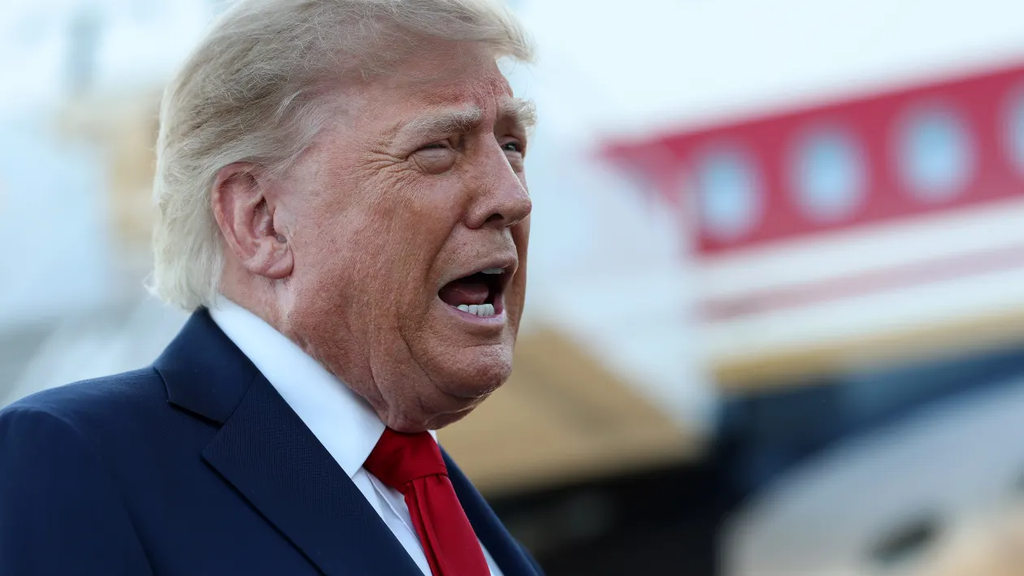
President Donald Trump is set to announce a massive economic initiative that could redefine American heavy industry. A Minnesota-based company named Mesabi Metallics is planning to build a giant $15 billion steel plant in eastern Iowa. According to reports from CBS News, administration officials confirmed that this proposed facility would be the single largest steel mill built in United States history.
The sheer scale of this announcement has sent ripples through both the political world and the industrial sector. Initial estimates indicate the plant will have an annual production capacity of 7.5 million tons of steel right out of the gate. Future expansion phases could push that capacity to a staggering 10 million tons every year. For a manufacturing region that has spent decades watching factory work move overseas, a commitment of this size on American soil is a massive story.
The announcement arrives at a pivotal moment. With national attention focused on economic growth, domestic supply chains, and manufacturing jobs, bringing heavy production back to the American Midwest is a central topic. While full operational details are still coming out of Washington, the project is already triggering intense discussion among factory workers, union leaders, trade experts, and local residents.
Inside the $15 Billion Plan: What Is Being Built in Iowa?
Building a modern steel facility from the ground up requires massive financial backing, vast land tracts, and specialized logistics. A price tag of $15 billion places this facility among the largest private industrial investments in the country over the last several decades.
The project is planned for eastern Iowa, a strategic location chosen for its direct access to major transport routes. Moving heavy raw materials into a plant and shipping finished steel coils across the country requires world-class connections. Eastern Iowa offers access to major rail corridors, interstate highways, and Mississippi River barge routes, making it an ideal hub for heavy manufacturing.
The $0 Secret To Launching Your Entire Online Empire
Why pay hundreds every month for separate software? Build funnels, send emails, and make sales with Systeme.io completely free.
Get Started For $0Free Forever • No Credit Card Needed • Beginner-Friendly
The planned production numbers highlight how massive this facility will be once fully constructed:
- Phase one target output: 7.5 million tons of finished steel per year.
- Extended capacity target: Up to 10 million tons of finished steel per year.
- Permanent workforce: Over 1,700 high-paying direct jobs.
- Construction workforce: Thousands of skilled trade jobs during the build process.
To put those capacity figures in simple terms, 7.5 million tons of steel is enough material to build thousands of bridges, cargo ships, commercial skyscrapers, trucks, and home appliances every single year. It represents a massive slice of the entire steel supply needed across North America.
Who Is Mesabi Metallics and Where Is the Money Coming From?
The company leading this giant venture is Mesabi Metallics, an industrial firm based in Minnesota. The business made headlines across the mining sector after opening Minnesota’s first new iron-ore mine in 50 years. As reported by Mining Weekly, having direct access to high-grade iron ore gives the company a reliable supply of raw material to supply a major steel mill.
Iron ore is the primary raw ingredient required to create brand-new virgin steel. By connecting Minnesota iron ore mines directly to an Iowa processing facility, Mesabi Metallics aims to build an all-American supply chain from start to finish. Instead of digging up American iron ore, shipping it to foreign countries for smelting, and buying it back as finished metal, the whole process happens within neighboring Midwestern states.
Behind Mesabi Metallics is a complex network of global investment groups and international backers. Over the years, major global conglomerates, including India’s Essar Group, have been tied to the financing and development of Mesabi’s mining operations. Industry analysts point out that while the actual steel making will happen on American soil, the funding behind mega-projects often relies on deep global investment networks.
What This Mega-Plant Means for Jobs and Iowa’s Economy
For local communities across eastern Iowa, a $15 billion announcement brings a mixture of genuine excitement and practical questions. Job creation is the biggest selling point whenever a facility of this magnitude is proposed.
Direct Permanent Jobs
When construction concludes and production machines start running, officials project the facility will create more than 1,700 direct permanent positions. These are not basic entry-level roles; they include heavy machine operators, foundry technicians, metallurgists, electrical engineers, safety inspectors, and plant managers. Steel industry jobs traditionally offer strong pay and reliable benefits, providing a major financial lift to surrounding towns.
Construction and Secondary Business Boom
Before a single ton of steel is poured, thousands of skilled construction workers will spend years on site. Welders, electricians, pipefitters, crane operators, concrete masons, and carpenters will be needed to construct the massive buildings.
Local small businesses often see a major economic surge during such long construction cycles. Nearby restaurants, hotels, grocery stores, gas stations, rental properties, and tool suppliers experience higher demand as workers move into the area.
Local Infrastructure Demands
Operating a giant steel mill places high demand on public utility grids. The facility will require high-voltage power lines, massive water supplies for cooling, expanded natural gas connections, and heavy-duty road improvements to handle heavy truck traffic. Local city councils and county supervisors in eastern Iowa will need to work closely with project developers to ensure public infrastructure can support the plant without burdening everyday taxpayers.
How Tariffs and Trade Policy Fueled This Move
You cannot understand a $15 billion steel plant proposal without looking at government trade policies and foreign tariffs. Foreign competition has dominated discussions around the American steel market for decades.
Protecting American Steel Production
For many years, domestic steel makers complained that low-cost steel imported from overseas flooded the market. Critics argued that foreign competitors operated with lower environmental standards and heavy state subsidies, making it difficult for domestic mills to match prices. In response, federal policies put heavy tariffs on foreign steel imports.
Tariffs act as a tax on foreign goods brought into the country. The basic goal of this trade policy is simple: make imported foreign steel more expensive so that buyers choose steel produced inside the United States instead.
Incentivizing Domestic Investment
High import taxes create a strong financial reason for companies to build steel production facilities inside American borders. Manufacturing metal domestically allows companies to avoid paying heavy tariffs altogether. This legal and financial setup makes giant $15 billion domestic facilities far more attractive to private investors today than they were twenty years ago.
The Flip Side of High Steel Prices
While steel manufacturers benefit from protective tariffs and new plant investments, companies that consume steel face different challenges. Automobile manufacturers, construction firms, agricultural equipment makers, and building contractors often pay higher prices for raw metal when foreign supplies are taxed heavily. Striking the right balance between protecting steel makers and keeping prices fair for steel buyers remains one of the most debated economic issues in the country.
Send, Spend & Hold Money Worldwide Without Hidden Fees
Transfer money internationally at the real exchange rate and hold 40+ currencies in one account.
Open a Wise AccountMid-market rate • Fast transfers • 40+ currencies
Optimism vs. Caution: Will the Iowa Plant Get Built?
Big economic announcements always bring high expectations, but experienced observers know that transforming a proposal into a operating factory takes years of consistent work. A $15 billion commitment is a major pledge, but execution is what matters in the end.
The Case for Optimism
Supporters point out that demand for American-made steel remains strong across multiple industries. Infrastructure upgrades, energy grid expansions, defense manufacturing, and domestic construction projects require reliable access to high-quality metal. Having a modern, high-capacity steel mill located in the Heartland shortens shipping distances and reduces reliance on complex overseas shipping routes.
Connecting Minnesota’s iron mines directly to an Iowa steel plant creates an efficient regional supply chain. Proponents argue that having raw materials and processing facilities located in neighboring states makes long-term commercial sense.
The Reasons for Caution
Industry skeptics note that giant industrial projects sometimes encounter unexpected obstacles before completion. Past historical examples show that large manufacturing pledges can experience extended delays, reduced scope, or cancellation if global economic conditions shift.
Building a facility of this size requires securing complex environmental permits, zoning clearances, local tax agreements, and utility supply contracts. Changes in global steel prices, shifts in federal trade policies, or financial adjustments from parent investors over the next five years could influence how quickly construction moves forward. Until ground is broken and heavy machinery begins site work, many local residents remain cautiously optimistic.
Expected Timeline: When Will Steel Production Start?
Constructing the largest steel plant in U.S. history is a complex multi-year process. The project timeline spreads across several distinct phases of development.
2026 to 2027: Environmental Permits and Site Preparation
The opening phase focuses on finalizing exact site locations, conducting environmental impact assessments, securing state and federal permits, and negotiating local zoning approvals. Land clearing, utility connection work, and foundational engineering will take up significant time during this stage.
2027 to 2029: Construction and Heavy Equipment Installation
Once permits are approved and site work finishes, actual physical construction of the massive buildings will begin. Giant blast furnaces, continuous casting machines, heavy rolling mills, cooling systems, and dedicated railroad connections will be constructed and installed on site.
2030: Planned Production Launch
According to official company statements and White House estimates, the Iowa plant is targeted to begin initial steel production around 2030. Production will start slowly as machinery is calibrated and safety tested, before gradually scaling up toward the initial 7.5 million ton annual goal.
Frequently Asked Questions (FAQs)
How much will the new Iowa steel plant cost?
The project carries an estimated investment value of $15 billion, placing it among the largest private industrial manufacturing projects in United States history.
The $0 Secret To Launching Your Entire Online Empire
Why pay hundreds every month for separate software? Build funnels, send emails, and make sales with Systeme.io completely free.
Get Started For $0Free Forever • No Credit Card Needed • Beginner-Friendly
Where in Iowa will the new facility be built?
The mill is planned for eastern Iowa, choosing the region for its direct access to major river transportation routes, freight railway systems, and interstate highways.
How many jobs will the project bring to Iowa?
The White House projects the facility will create over 1,700 high-paying permanent jobs once operational, alongside thousands of temporary skilled construction jobs during the building phase.
Who is the company behind this steel mill?
The developer is Mesabi Metallics, a Minnesota-based industrial company that operates Minnesota’s first new iron-ore mine in 50 years.
When will the Iowa steel plant officially open?
Initial steel manufacturing operations are projected to start around 2030 following several years of permitting, ground preparation, and heavy facility construction.
How much steel will the facility make each year?
The plant is designed for an initial output of 7.5 million tons of steel annually, with future expansion plans that could raise total capacity to 10 million tons per year.
Staying Ahead of the Curve
Staying updated on major economic shifts, national news, and industrial headlines helps you stay ahead of stories that impact the country’s future. For more deep breakdowns, trending news updates, and clear explanations of current events, check out WhatsBuzzn.
If you have feedback, questions, or story ideas you want to share with the editorial team, get in touch through the Contact Page. You can also follow all official social media channels to get new stories delivered straight to your feed:
- Follow updates on Instagram
- Connect on Facebook
- Join the conversation on X (Twitter)
Whether you are tracking major industrial announcements or following breaking news stories, staying connected gives you a clear view of the changes shaping business, culture, and community life tomorrow.
