
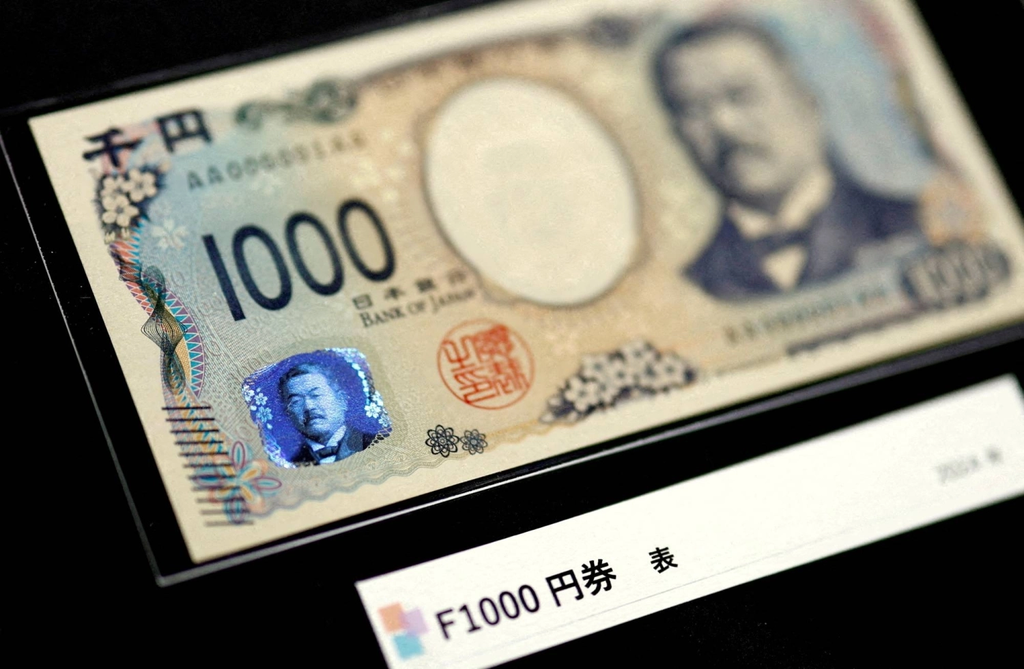
The Japanese yen just made a sudden jump after top officials publicly admitted that the currency’s extreme weakness has become a serious headache. For months, traders and everyday people watched the yen slide against the US dollar. Many wondered how far the drop would go before government leaders stepped in.
That moment arrived when Japanese leadership met with American officials in New York. Japanese Finance Minister Satsuki Katayama confirmed that Prime Minister Sanae Takaichi and US President Donald Trump discussed the issue directly. Trump voiced clear concern over how low the yen had fallen. Prime Minister Takaichi agreed, stating that the currency’s current undervaluation is a real problem for the economy.
Word of these conversations spread through financial markets like wildfire. The yen quickly gained strength, rising toward 157 per dollar after drifting close to the dangerous 160 mark.
This sudden shift has massive ripple effects across the globe. From foreign tourists planning trips to East Asia to global investors shifting millions of dollars, everyone is paying attention.
Why Japanese Leaders Are Finally Speaking Up
For years, a cheap currency was considered a good thing for Japan’s biggest corporations. Companies that make cars, televisions, and electronics could sell their products overseas at lower prices. When those companies brought their profits back home, those foreign dollars turned into huge piles of yen.
The $0 Secret To Launching Your Entire Online Empire
Why pay hundreds every month for separate software? Build funnels, send emails, and make sales with Systeme.io completely free.
Get Started For $0Free Forever • No Credit Card Needed • Beginner-Friendly
That traditional formula no longer works the way it used to. Japan relies heavily on other countries for essential resources like energy, fuel, and food. When the yen loses value, buying gas for cars or food for dinner tables becomes much more expensive.
Local businesses in Tokyo, Osaka, and Kyoto have felt the pressure. Restaurant owners pay higher prices for imported beef and wheat. Utility companies pay more for natural gas. Ordinary families find that their monthly paychecks do not buy as much as they used to.
Government officials realized that the cheap yen was hurting local households far more than it was helping giant exporters. That realization prompted top leaders to change their tone and push for a stronger currency.
The Role of the US Government in This Currency Drama
Currency news usually involves central bank governors and financial traders behind closed doors. This situation is different because high-profile political figures are involved.
US Treasury Secretary Scott Bessent had a detailed phone call with Japanese Finance Minister Katayama. Bessent publicly confirmed that both nations are aligned on wanting a stable, strong yen that truly reflects Japan’s solid economic foundation.
When Washington and Tokyo agree on currency goals, market traders take notice. The United States cares about this issue for several reasons:
- A super weak yen gives Japanese exporters an unfair pricing advantage over American companies.
- Currency instability creates uncertainty across global supply chains.
- Swings in currency values affect interest rates and bond markets in both countries.
Financial markets view these joint statements as a clear warning sign. When two major global economies agree that a currency move has gone too far, official intervention is often right around the corner.
How Government Currency Intervention Actually Works
Many people hear the term currency intervention on the news without knowing what it means in simple terms.
Imagine a massive auction house where dollars and yen are traded every second of the day. If millions of people are selling yen to buy dollars, the supply of yen shoots up and its value drops.
To stop that fall, the Japanese government can use its giant stash of foreign cash reserves. They step into the global auction market and start buying billions of yen using US dollars. By purchasing massive amounts of their own money, they drive up demand and force the value of the yen back up.
Japan and the United States previously joined forces for a rare joint currency intervention. Tokyo spent a staggering 15.4 trillion yen to pull its currency back from dangerous lows.
Traders remember that event clearly. Knowing that officials are prepared to spend tens of billions of dollars again makes speculators think twice before betting against the yen.
What a Stronger Yen Means for Everyday Consumers
Changes in currency rates sound like distant corporate talk, but they impact daily life in very real ways.
International Travel and Tourism
Japan experienced a massive tourism boom over the past two years. Travelers from around the world rushed to visit Tokyo, Kyoto, and Hokkaido because their foreign money went much further. Hotel rooms, train tickets, and high-end sushi dinners felt like amazing bargains.
If the yen continues to strengthen, taking a vacation to Japan will gradually become more expensive for international visitors. At the same time, Japanese citizens looking to travel overseas will find that their money buys more in places like Europe and North America.
Send, Spend & Hold Money Worldwide Without Hidden Fees
Transfer money internationally at the real exchange rate and hold 40+ currencies in one account.
Open a Wise AccountMid-market rate • Fast transfers • 40+ currencies
Shopping for Tech and Foreign Goods
If you order items directly from Japan—like vintage video games, camera gear, anime collectibles, or designer clothing—prices in your local currency could start creeping up. On the flip side, people living in Japan will start seeing fairer prices on imported electronics, foreign wines, and foreign groceries.
Global Business and Job Markets
Multinational companies that operate in Japan will see their financial balances shift. American and European companies earning revenue in yen will find that those profits look better when converted back into dollars or euros.
To keep up with global news and consumer trends, check out our About Page for more coverage on story breakdowns.
The Interest Rate Gap Behind the Market Drama
To understand why the yen got so weak in the first place, you have to look at interest rates.
For many years, the Bank of Japan kept interest rates extremely low—even below zero—to encourage people and businesses to borrow and spend money. Meanwhile, central banks in the United States and Europe raised interest rates significantly to fight off inflation.
This created a massive interest rate gap between Japan and the rest of the world:
- Investors who kept their money in US dollars could earn solid interest returns.
- Investors who kept their money in Japanese yen earned almost nothing.
Big financial firms naturally shifted huge amounts of cash out of yen and into dollars to earn higher yields. That massive sell-off drove the yen down to historic lows against major global currencies.
The Bank of Japan recently started nudging its interest rates upward. However, markets felt the central bank was moving too slowly. That delay is exactly why government officials had to step in with strong verbal warnings to protect the currency.
Details on recent foreign exchange trends and economic updates can be read directly on Japan Times market reports.
How Other Nations Are Reacting
Japan is not the only country carefully managing its currency and trade rules. The global economic landscape is constantly shifting as governments balance domestic inflation against foreign trade.
The $0 Secret To Launching Your Entire Online Empire
Why pay hundreds every month for separate software? Build funnels, send emails, and make sales with Systeme.io completely free.
Get Started For $0Free Forever • No Credit Card Needed • Beginner-Friendly
When major nations like Japan and the US coordinate on exchange rates, it sets a precedent for how other countries handle rapid currency declines. Central banks across Asia and Europe are watching Tokyo’s strategy closely to see if verbal warnings alone can stabilize exchange rates without spending billions in cash reserves.
If you have questions or want us to cover specific economic stories, feel free to reach out via our Contact Page.
Frequently Asked Questions (FAQs)
Why did the Japanese yen rise so quickly?
The yen strengthened after top officials from Japan and the US publicly stated that the currency was too weak. Traders saw these official statements as a sign that governments might step in to buy yen, prompting investors to quickly close out bets against the currency.
What level is considered critical for the yen?
Financial analysts closely watch the 160 yen per dollar mark. Whenever the currency gets close to 160, the risk of official government intervention increases significantly.
Is a weak currency bad for a country?
It depends on the economy. A weak currency helps exporters sell products abroad at cheaper prices. However, for a country like Japan that imports fuel and food, a weak currency makes basic survival items very expensive for local families.
Will travel to Japan become super expensive now?
Not overnight. While a stronger yen makes goods and hotel stays slightly more expensive for foreign tourists, Japan remains a very affordable and attractive destination compared to peak historical rates.
Can governments force a currency to stay strong?
Governments can influence currency values through interest rate changes and direct buying or selling of foreign reserves. However, long-term market forces, inflation rates, and trade balances ultimately determine where a currency lands.
The sudden rise of the Japanese yen shows how fast financial markets react when world leaders join forces. While a cheaper yen offered short-term perks for big export brands, the rising cost of everyday goods created real burdens for households across Japan.
Now that Tokyo and Washington are standing on the same page, the currency market enters an unpredictable new phase. Whether the yen continues to climb or stabilizes near current levels depends heavily on future central bank moves and global economic policy changes.
Stay connected with us for real-time updates and story breakdowns on our official social channels on Instagram, Facebook, and X (formerly Twitter).
