
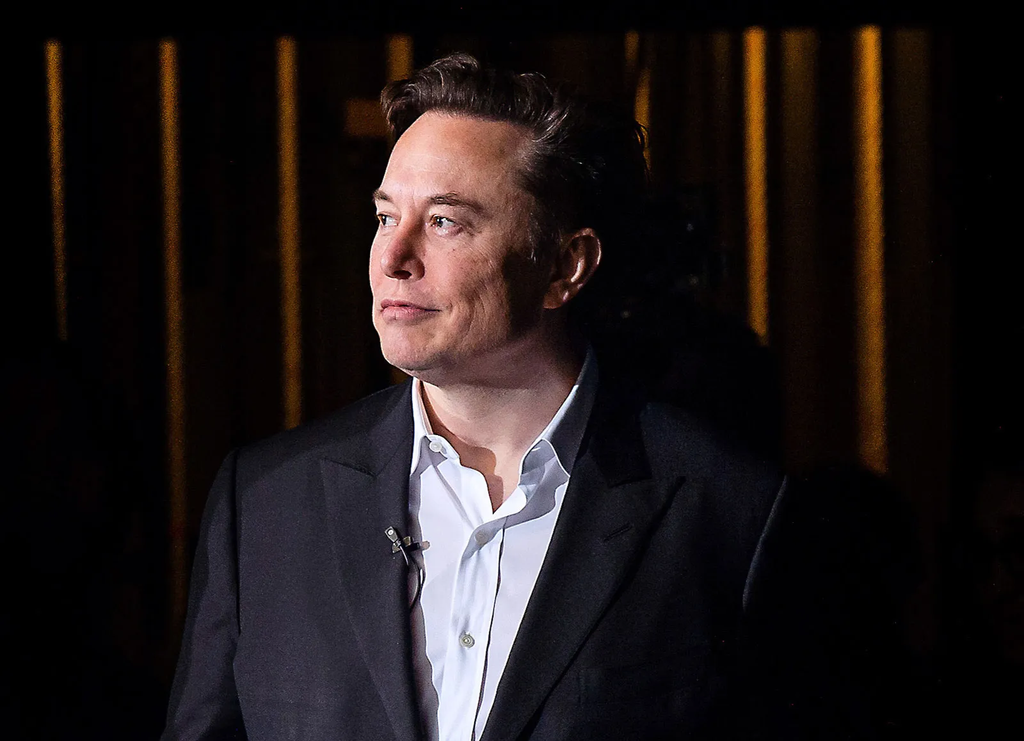
Every major social media network on the internet just made a quiet decision that is shocking the film industry. Meta, YouTube, TikTok, and X have all refused to run paid trailer advertisements for an upcoming documentary about tech billionaire Elon Musk.
Film studio Bleecker Street was getting ready to release its flagship documentary simply titled Musk in theaters on October 9. When marketing teams tried to buy standard promotional ad spots across social media platforms, they hit a solid brick wall. The platforms either flatly rejected the ads or dragged their feet until the studio gave up.
This move has left Hollywood executives and regular internet users completely stunned. Movie studios spend millions of dollars every single week putting promotional clips into social media feeds. Rejection of paid video trailers for a major documentary by every single top tech company is almost unheard of in digital advertising.
Here is the entire breakdown of what is happening behind closed doors, why these giant tech platforms are turning down easy ad money, and how this unexpected ban is instantly backfiring on the very people trying to quiet the story.
What Is the ‘Musk’ Documentary Actually About?
To understand why tech giants are panicking, you first have to understand who made this movie and what it contains. The four-hour documentary was directed by Alex Gibney. He is an Academy Award-winning filmmaker famous for creating hard-hitting, deeply researched documentaries like Enron: The Smartest Guys in the Room and Going Clear: Scientology and the Prison of Belief.
The $0 Secret To Launching Your Entire Online Empire
Why pay hundreds every month for separate software? Build funnels, send emails, and make sales with Systeme.io completely free.
Get Started For $0Free Forever • No Credit Card Needed • Beginner-Friendly
Gibney is known across Hollywood as a director who never pulls his punches. When he decides to profile a powerful person or institution, he goes all in. His new film is described by critics who saw early cuts as a sharp, intense look at Musk’s life, his rise to unimaginable wealth, his political turns, and his massive control over world technology.
The documentary covers the entire spectrum of Musk’s career. It explores his early days in Silicon Valley, his work leading Tesla and SpaceX, his purchase of Twitter, and his recent moves into artificial intelligence and national politics. Critics who previewed the film called it a powerful examination of tech power, ambition, and personal delusion.
Because the film paints such a raw picture of one of the richest human beings on Earth, it was always bound to create a stir. But nobody expected that advertising the movie would turn out to be harder than actually making it.
The Social Media Blackout: How Each Platform Blocked the Ads
The distribution studio, Bleecker Street, submitted standard video trailers to all the main advertising networks. They expected the standard automated review process that every movie trailer goes through. Instead, they received rejections across the board.
Here is how each individual platform handled the situation when Bleecker Street tried to give them money.
Meta (Facebook and Instagram)
Meta was among the first platforms to turn down the promotional campaign. When Bleecker Street submitted the trailer to Facebook and Instagram feeds, Meta flagged the content and refused to publish it.
Meta claimed the trailer contained sensitive political content. Under Meta rules, political ads require special pre-authorization disclaimers. However, those rules were created to stop deceptive political campaign ads and dark money political groups from tricking voters during elections. They were never meant to block a regular movie studio from advertising a bio-pic in theaters.
Bleecker Street immediately filed an official appeal with Meta, asking human reviewers to look at the ad and clear it as normal movie promotion. Meta denied the appeal and permanently blocked the advertisement from running on Facebook and Instagram.
YouTube (Google)
Google-owned YouTube also stepped away from accepting paid promotion for the trailer. YouTube cited its own internal policies regarding political and controversial subject matter.
Unlike Meta, YouTube requires paid political ads to include specific identity verifications and context labels. Bleecker Street explained that the trailer is a commercial promotion for a feature film releasing in nationwide theaters, not a political advocacy message. Despite multiple requests and formal petitions from the studio, YouTube delayed taking any action, effectively locking the film out of paid video promotions on the platform.
TikTok
TikTok maintains a strict policy banning all political advertising on its app. Under their terms of service, no paid ad can take a position on political figures, government policy, or social debates.
When Bleecker Street submitted the documentary trailer, TikTok automated systems immediately flagged the video because it featured real news clips of Elon Musk speaking at public events and discussing political topics. TikTok refused to lift the flag, declaring that any video featuring a high-profile political figure falls under their ban on political advertising.
X (Formerly Twitter)
The situation on X was perhaps the most drastic of all. Elon Musk bought the platform in 2022 and renamed it X, promising to turn it into an open town square for free speech. Yet, when Bleecker Street reached out to buy ad space for the Musk trailer on X, the platform did not even bother sending back a formal rejection notice.
X completely ignored all emails, phone calls, and ad inquiries from Bleecker Street. To make matters even more intense, reports revealed that X stopped accepting ad buys for Bleecker Street’s entire slate of upcoming movies, effectively blacklisting the entire studio from advertising any of its upcoming theatrical releases on the platform.
Elon Musk Reacts on Social Media
While his platform maintained radio silence with the movie studio, Elon Musk did not stay quiet on his personal social media account. When news broke about the documentary and its director, Musk voiced his strong opinions directly to his millions of followers.
Send, Spend & Hold Money Worldwide Without Hidden Fees
Transfer money internationally at the real exchange rate and hold 40+ currencies in one account.
Open a Wise AccountMid-market rate • Fast transfers • 40+ currencies
Musk publicly attacked Alex Gibney, posting that the director has zero integrity and calling him a horrible human. Musk’s public anger made it crystal clear that he was personally upset by the existence of the film.
For many industry observers, Musk’s explosive reaction explains why tech companies might be acting so cautious. Musk controls massive corporate empires, government contracts, satellite internet systems, and major tech partnerships across Silicon Valley. Many tech executives simply do not want to pick a public fight with a billionaire who is known for holding grudges and using his vast reach to attack his critics.
Why Big Tech Giants Are Terrified of Running the Ads
Why would Facebook, Google, TikTok, and X all make the same decision at the exact same time? The answer comes down to corporate fear, political caution, and the blurring line between news and politics.
First, tech companies are currently navigating a tricky political environment. Platforms are under constant scrutiny from lawmakers, government regulators, and political figures regarding content moderation. Nobody wants to be accused of taking sides or spreading bias right before critical news cycles. By classifying any documentary about a powerful public figure as political content, tech platforms give themselves an easy excuse to block the content entirely without having to take responsibility.
Second, there is the issue of business relationships. Tech companies interlock with each other in dozens of ways. Google, Meta, and TikTok rely on complex supply chains, cloud server infrastructure, satellite data, and corporate partnerships. Crossing Musk or getting dragged into a messy public beef carries real financial risks for corporate boards.
Third, corporate consolidation has created an ecosystem where just three or four parent companies control nearly all digital attention on Earth. When four companies agree on an ad decision, they can effectively wipe out a movie’s ability to reach audience feeds overnight.
The Streisand Effect: How the Ban Is Completely Backfiring
There is a famous internet rule known as the Streisand Effect. It states that whenever you try to hide, suppress, or ban a piece of information from the public, you accidentally guarantee that millions more people will want to see it. That exact scenario is unfolding right now with the Musk documentary.
Before news broke about the ad bans, Musk was tracking like a typical high-end documentary film. It had good reviews from festival critics, but it was mostly flying under the radar of average internet users who do not follow indie cinema news.
The moment news leaked that Facebook, YouTube, TikTok, and X were all refusing to run paid trailer ads, interest in the movie exploded overnight.
Social media discussion boards, video commentary channels, and message forums like Reddit blew up with posts about the decision. Thousands of people who had never heard of the film began actively searching for the trailer on their own.
The $0 Secret To Launching Your Entire Online Empire
Why pay hundreds every month for separate software? Build funnels, send emails, and make sales with Systeme.io completely free.
Get Started For $0Free Forever • No Credit Card Needed • Beginner-Friendly
Comment sections across web forums filled up with messages from curious readers:
- People expressed shock that paid trailers for a movie could be banned while aggressive political campaign ads fill their feeds every day.
- Moviegoers posted that they had zero interest in seeing the documentary originally, but now feel compelled to buy a ticket just to see what Big Tech is trying to hide.
- Users pointed out the extreme irony that a movie exploring Musk’s control over public speech is being suppressed by the very social networks he influences.
By trying to avoid controversy, the social media platforms handed Bleecker Street the best free marketing campaign a movie studio could ever ask for. Instead of paying hundreds of thousands of dollars to force trailer ads into people’s feeds, the studio is getting free organic news coverage across global media outlets.
The Drama Behind Overseas Distribution
The promotional ad ban is not the first major hurdle this film has faced on its way to the big screen. The struggle to get Musk into theaters has been a wild story behind the scenes for over a year.
Earlier in the production process, Comcast-owned Universal Pictures acquired the international distribution rights to the documentary for a significant amount of money. Universal planned to handle releasing the film in theaters across Europe, Asia, and Latin America.
However, sources reported that top executives at Universal suddenly developed cold feet. They worried that releasing a harsh documentary about Musk could create political issues and harm corporate business interests overseas. For a brief moment, it looked like Universal might abandon the release entirely and swallow the financial loss.
After lengthy legal discussions and public pressure, Universal reaffirmed its decision to support the film and honor its international distribution deal. But the incident showed just how nervous major legacy media conglomerates are when it comes to touching stories about mega-billionaires.
What This Means for Free Speech and Independent Film
The decision by social media giants to reject paid ads for Musk sets a concerning precedent for independent filmmakers, journalists, and creative artists everywhere.
Documentaries do not have the massive $100 million promotional budgets that superhero blockbusters enjoy. They rely almost entirely on targeted social media ads, short video clips, and word-of-mouth chatter on apps like Instagram, TikTok, and YouTube to get people into theater seats.
If social media networks can arbitrarily declare that a documentary about a living public figure is political content and refuse to accept paid ads, independent filmmakers will find it almost impossible to market their work.
This issue highlights several major concerns for the future of digital media:
- Platform Monopoly: A tiny handful of corporate boards possess the power to decide which movies, books, and cultural projects get visibility and which ones stay invisible.
- Vague Policy Enforcement: Advertising rules regarding political content are so broad and flexible that tech companies can apply them whenever they want to avoid controversy.
- Chilling Effect on Creators: Documentary makers might start self-censoring their projects out of fear that no distributor will be able to market the finished product.
Despite these hurdles, Bleecker Street is pushing forward with its planned theatrical rollout on October 9. The studio is counting on news coverage, word of mouth, and public curiosity to drive audiences into theaters without relying on paid social media trailer ads.
Frequently Asked Questions (FAQs)
Why are social media platforms refusing to run ads for the ‘Musk’ documentary?
Platforms like Meta, YouTube, and TikTok claim that the movie trailer contains political content. Under their current advertising rules, political ads require complex identity verification or are outright banned. X simply ignored ad requests from the distributor without giving an official reason.
Who directed the ‘Musk’ documentary?
The documentary was directed by Alex Gibney, an Academy Award-winning filmmaker known for directing famous investigative documentaries such as Enron: The Smartest Guys in the Room, Going Clear, and Taxi to the Dark Side.
When is the ‘Musk’ documentary coming out in theaters?
The documentary is scheduled to release in movie theaters on October 9. The film is distributed in the United States by Bleecker Street and internationally by Universal Pictures.
Did Elon Musk publicly comment on the documentary?
Yes. Elon Musk posted on X that director Alex Gibney has zero integrity and called him a horrible human. X also stopped responding to Bleecker Street’s requests to advertise any of their upcoming films.
What is the Streisand Effect, and how is it helping the film?
The Streisand Effect happens when trying to censor or suppress information causes it to go viral instead. Because social platforms blocked trailer ads, news about the ban went viral, driving massive public curiosity and free publicity for the movie.
Keeping up with trending news, media censorship, and breaking pop culture stories can feel overwhelming with so much noise on the web. At WhatsBuzzn, our team breaks down the biggest stories across technology, entertainment, and global trends so you always know what is really going on.
If you have thoughts on this story or want to share a news tip with our editorial team, reach out to us directly through our contact page. We love hearing what our readers think about the latest headlines.
Do not forget to follow our official channels for real-time updates and trending commentary:
- Connect with us on Instagram for daily visual updates.
- Join our community on Facebook for deep dives and conversations.
- Follow our official feed on X (formerly Twitter) to catch breaking news as it happens.
