
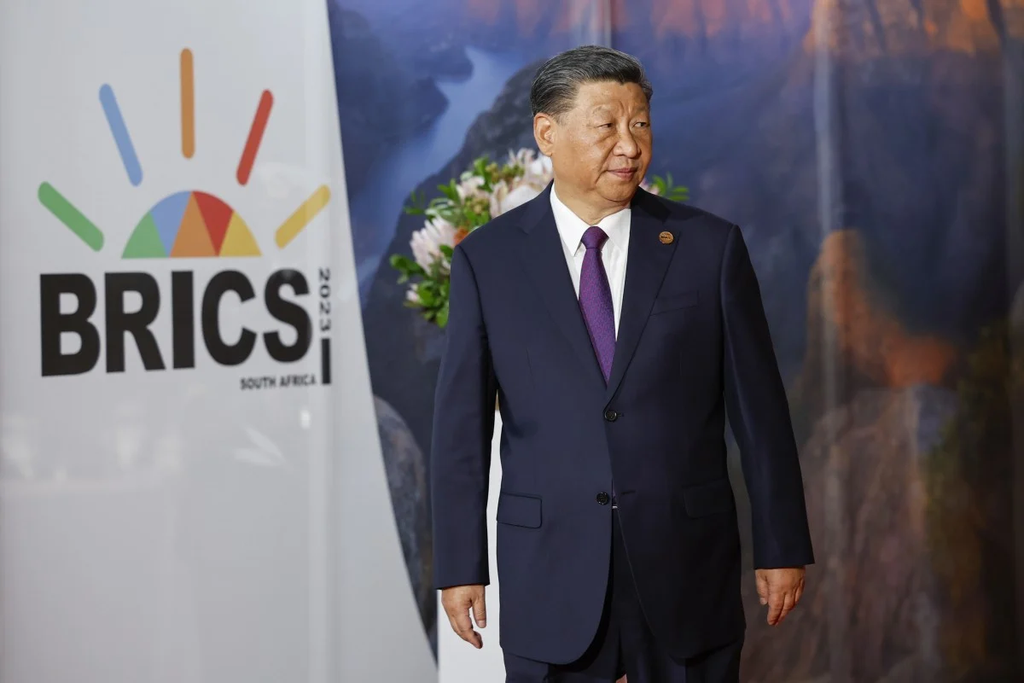
Chinese President Xi Jinping is preparing to travel to India for the upcoming BRICS summit, marking his first trip to the nation in seven years. This visit represents a major turning point for international diplomacy in Asia and across the wider world.
The last time the Chinese leader stepped onto Indian soil was in October 2019 for an informal summit in the coastal town of Mamallapuram. Shortly after that meeting, relations between the two most populous countries on Earth cooled dramatically. A serious military confrontation along their shared border in 2020 put bilateral talks on ice for years.
Now, with both nations agreeing to fresh border management protocols and diplomatic disengagement, Xi Jinping’s upcoming arrival in India signals a fresh attempt to stabilize relations. For world leaders, economists, and everyday observers, this summit is about much more than routine handshakes. It is a defining moment for global trade, security, and the future balance of world power.
Why the 7-Year Absence Matters So Much
To understand why this trip is making massive headlines across the globe, it helps to look back at what happened over the last seven years. India and China share a long, disputed border high in the Himalayas known as the Line of Actual Control. For decades, both sides managed to keep tensions under control through peaceful agreements, even if they could not agree on where the exact boundary lay.
Everything changed in June 2020 during a violent clash in the Galwan Valley in Ladakh. The skirmish resulted in casualties on both sides and led to the immediate deployment of tens of thousands of heavily armed troops along the border.
Build Funnels, Email Lists & Sell Online With One Free Tool
Create funnels, send emails, and sell online using Systeme.io without paying for multiple tools.
Create Free AccountFree forever • No credit card • Beginner-friendly
Following the Galwan clash, official communication between New Delhi and Beijing came to a near standstill. India banned dozens of popular Chinese mobile apps, put strict limits on incoming foreign investments from neighboring countries, and cut back on cultural exchanges. Direct passenger flights between the two countries were suspended, and visas for business workers became exceptionally hard to get.
For nearly four years, the two leaders avoided long, direct bilateral meetings. When they did cross paths at international events like the G20 or previous BRICS gatherings, their interactions were limited to brief, informal greetings. The seven-year gap in official presidential visits to India reflects just how deep that trust deficit became.
The Road to the Summit: How the Ice Started Breaking
Diplomats and military commanders from both sides did not give up on finding a peaceful path forward. Over the course of four years, Indian and Chinese officials held more than twenty rounds of high-level military and diplomatic talks.
The real breakthrough came after series of quiet negotiations where negotiators reached a detailed consensus on border patrolling arrangements. Both armies agreed to pull back troops from tension points along the Line of Actual Control and restore patrolling rights to how things were structured before 2020.
Once soldiers began disengaging from the front lines, top diplomats moved quickly to rebuild working relationships. Indian Prime Minister Narendra Modi and Chinese President Xi Jinping held a formal bilateral meeting on the sidelines of the BRICS summit in Kazan, Russia, where both leaders instructed their officials to focus on restoring normalcy.
That momentum opened the door for Xi Jinping to accept the invitation to visit India for the next BRICS leaders’ summit. While no one expects every historical disagreement to vanish overnight, the willingness of both leaders to meet on Indian soil proves that both sides want to prevent another dangerous escalation.
Understanding BRICS and Its Growing Global Importance
The BRICS grouping original members were Brazil, Russia, India, China, and South Africa. What started as an informal group of fast-growing emerging economies has turned into a major geopolitical force that challenges the traditional dominance of Western institutions.
In recent years, BRICS expanded its ranks by inviting several new nations to join, including Egypt, Ethiopia, Iran, and the United Arab Emirates. Dozens of other countries across Africa, Asia, and South America have expressed formal interest in joining or partnering with the bloc.
Together, BRICS nations account for more than 40 percent of the world population and a massive share of global economic production. The group focuses heavily on economic cooperation, trade in local currencies, and funding infrastructure projects through its New Development Bank.
When world leaders meet at a BRICS summit, they discuss critical issues like global supply chains, international trade rules, energy security, and regional stability. Having China and India working together within BRICS gives the group far more leverage on the global stage than if the two largest members remain locked in conflict.
Key Topics on the Table for Xi Jinping and Narendra Modi
When Xi Jinping lands in India, the agenda will be crowded with urgent issues. Beyond the public speeches and photo sessions, officials on both sides will be working behind closed doors to tackle difficult topics that directly affect millions of people.
Restoring Peace Along the Border
The top priority for both governments is ensuring that peace along the Line of Actual Control remains permanent. Even though troop disengagement has started, maintaining stability requires clear guidelines, constant communication channels between field commanders, and verification mechanisms to avoid misunderstandings.
Both nations realize that another border incident could undo months of hard work. Establishing long-term peace along the Himalayan border remains the single most critical condition for rebuilding normal relations.
Opening Up Trade and Investment Flows
Despite political tensions, economic trade between India and China reached record highs over recent years. India relies heavily on Chinese imports for essential raw materials, electronics, active pharmaceutical ingredients, and machinery components. On the flip side, Indian exporters want better access to China’s massive consumer market.
India has maintained strict economic checks on Chinese investments to protect local industries and safeguard national security. However, business groups in both countries have been asking for easier visa approvals, clearer trade rules, and faster customs clearances.
China has also been pushing for broader trade initiatives across Asia and Africa. In fact, many developing markets are looking closely at how Beijing manages commercial partnerships, including zero-tariff trade frameworks for developing exporters designed to boost global trade flows.
Cooperation on Technology and Artificial Intelligence
Technology is another huge area where both nations have massive stakes. China has made rapid advancements in high-tech fields, with new breakthroughs in Chinese AI models reshaping the global tech ecosystem.
At the same time, India is building a massive digital economy, expanding tech manufacturing, and becoming a primary hub for global software development. Tech companies worldwide are adjusting to these shifts, as seen in how major firms are now localizing tech service pricing for India to reach millions of new digital users.
If you want to keep up with the fast-moving world of artificial intelligence and digital innovation, check out our technology and AI updates for clear breakdowns of the latest developments.
During the summit, BRICS leaders are expected to talk about digital infrastructure, data security, and setting fair rules for artificial intelligence so that developing nations are not left behind by Western tech monopolies.
Environmental Challenges and Climate Disasters
The Himalayas serve as the water tower of Asia, feeding major rivers that support over a billion people across China, India, Nepal, and neighboring countries. Climate change has made this fragile ecosystem far more unpredictable, leading to severe weather disasters.
Recent events, such as the devastating Himalayan flood disaster near the Nepal-China border, highlight how vulnerable border communities are to sudden floods and landslides.
Both China and India need to share hydrological data, forecast extreme weather, and cooperate on environmental protection. When relations were frozen, sharing real-time river data became difficult. A successful summit could clear the way for better joint research and disaster preparedness along shared mountain rivers.
How the Rest of the World Is Watching
A meeting between the leaders of China and India does not happen in a vacuum. Governments around the world are watching every move very carefully.
The Perspective from Washington and Western Nations
The United States and European nations have paid close attention to India-China relations. Washington views India as a vital partner in maintaining a free and open Indo-Pacific region and as an active member of the Quad alliance, which includes the US, India, Japan, and Australia.
Western policymakers hope that India remains cautious in its dealings with Beijing. However, India has always maintained a policy of strategic autonomy, meaning New Delhi prefers to build balanced relationships with all major powers rather than committing exclusively to one geopolitical bloc.
At the same time, Western analysts are monitoring how Beijing expands its diplomatic reach globally. We have already seen how Xi Jinping challenges US influence across the Middle East, and a calmer relationship with India gives China more room to focus on its broader global strategy.
Build Funnels, Email Lists & Sell Online With One Free Tool
Create funnels, send emails, and sell online using Systeme.io without paying for multiple tools.
Create Free AccountFree forever • No credit card • Beginner-friendly
What It Means for Emerging Nations
For developing countries across Africa, Latin America, and Southeast Asia, a stable relationship between China and India is welcome news. Conflict between the two largest developing economies creates uncertainty in global trade, pushes up energy and food transport costs, and distracts from pressing economic issues.
When China and India cooperate within BRICS, they can push for reform in international organizations like the World Bank, the International Monetary Fund, and the United Nations. Developing nations want a stronger voice in how global financial rules are set, and a united BRICS provides a much louder voice.
What This Historic Visit Means for Everyday People
Geopolitics can sometimes feel distant from daily life, but decisions made at summits like this affect everyday people in very real ways.
First, global supply chains depend heavily on stability in Asia. When two giant neighbors are on friendly terms, trade flows more smoothly. That helps keep manufacturing costs steady for consumer goods like smartphones, household appliances, clothing, and solar panels.
Second, regional peace lowers the risk of wider conflicts that can disrupt global oil markets, push up shipping prices, or cause economic market panics.
Third, for digital creators, journalists, and online publishers who track world events, moments like this drive massive global search interest. Many modern creators use strategies like YouTube automation channels to explain complex global news stories to curious audiences around the globe in simple language.
Key Challenges That Could Still Cause Friction
While the upcoming visit is a positive sign, nobody should assume that all problems between India and China have been solved. Deep challenges remain beneath the surface.
- Border Disputes Are Not Fully Resolved: Troop disengagement is a great first step, but defining the actual border permanently will take years of tedious negotiation.
- Trade Imbalance Remains Huge: India continues to import far more from China than it exports, creating a massive trade deficit that worries Indian economists.
- Regional Influence Rivalry: Both nations continue to compete for economic and political influence in neighboring countries like Sri Lanka, Nepal, Bangladesh, and the Maldives.
- Strategic Alliances: India’s close defense ties with the United States and China’s deep strategic partnership with Pakistan remain constant sources of mutual concern.
Navigating these differences requires steady, sensible leadership from both sides. Expecting instant perfection is unrealistic, but keeping dialogue open is infinitely better than total silence.
Frequently Asked Questions (FAQs)
Why is Xi Jinping visiting India now after seven years?
Xi Jinping is traveling to India to attend the BRICS leaders’ summit. The trip was made possible after India and China reached key agreements to disengage military forces and restore peace along their disputed Himalayan border following years of tension.
When did Xi Jinping last visit India?
The Chinese President last visited India in October 2019 for an informal bilateral summit with Prime Minister Narendra Modi in Mamallapuram, Tamil Nadu.
What caused the strain in India-China relations in 2020?
In June 2020, military forces from both sides engaged in a violent physical clash in the Galwan Valley in Ladakh. The incident resulted in casualties on both sides and led to military standoffs along the border, app bans, and economic restrictions.
What is the main goal of the BRICS summit in India?
The BRICS summit focuses on economic cooperation, boosting trade in local currencies, strengthening supply chains, addressing global financial rules, and giving emerging economies a stronger voice in world affairs.
Will the border dispute between India and China be solved during this trip?
While the visit marks major progress in reducing border tensions and managing patrols, solving the decades-old border dispute completely will require ongoing diplomatic negotiations over many years.
Looking Ahead to a New Chapter in Asian Diplomacy
Xi Jinping’s return to India for the BRICS summit is one of the most important diplomatic events of the year. After seven years filled with border standoffs, economic friction, and cold communications, both nations are showing that they prefer conversation over confrontation.
A stable relationship between India and China gives the entire region a better chance at economic growth, safety, and constructive cooperation on shared challenges like climate change and modern technological shifts. As the summit unfolds, people across the world will be watching closely to see how these two leaders shape the future of global power.
To learn more about our mission and how we bring you clear stories on global events, visit our About page or get in touch through our Contact page. You can also follow our community updates on Instagram, join the conversation on Facebook, and stay updated on X.
