
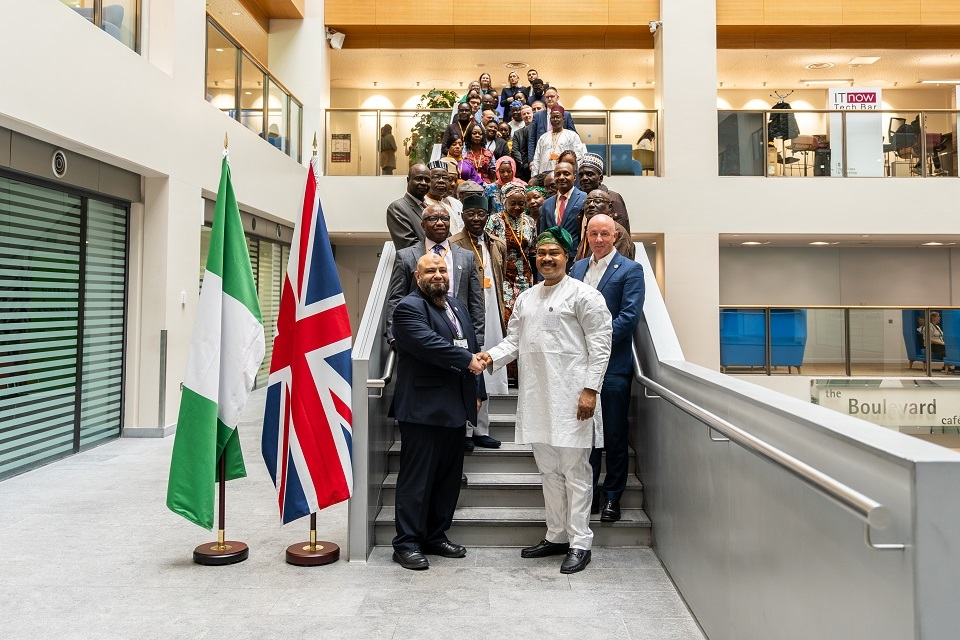
Hundreds of Nigerians living across the United Kingdom arrived at designated passport capture centres in Manchester and London expecting a smooth, organized process to renew their travel documents. Instead, they faced widespread confusion, massive crowds standing outside for hours, sudden venue closures, and unexpected demands for extra fees.
The Nigeria Immigration Service (NIS) launched the special passport intervention exercise to clear a heavy backlog of pending applications, fresh passport requests, and document renewals for Nigerians in the diaspora. However, the opening days of the program turned into a stressful ordeal for many families and working professionals who traveled long distances to attend.
Applicants reported standing in long, disorganized lines for five to eight hours without receiving attention. Reports also surfaced on social media showing people locked out of venues after facility management claimed bills had not been settled by officials. At the same time, many applicants expressed outrage over requests for an additional cash payment of £70 to £150 on top of the official fees they had already paid online.
The situation has sparked intense debate among the Nigerian community in the UK, prompting an official response from the Federal Government and the Ministry of Interior to clarify what happened and address applicant concerns.
What Triggered the Confusion at Manchester and London Intervention Venues?
The special passport intervention was scheduled to run across selected cities in the UK to make consular services more accessible to citizens living far from the main High Commission in London. With thousands of Nigerians in the UK needing updated passports for work visas, residency renewals, and international travel, demand for the intervention was extremely high from day one.
Build Funnels, Email Lists & Sell Online With One Free Tool
Create funnels, send emails, and sell online using Systeme.io without paying for multiple tools.
Create Free AccountFree forever • No credit card • Beginner-friendly
Problems began early in the morning at the Manchester intervention centre and designated London locations. Many citizens left their homes as early as 5:00 AM, taking time off work and traveling across counties with young children to make their scheduled appointments. When they arrived, there was little to no crowd control, clear signage, or designated staff to guide the waiting crowd.
The frustration peaked at a London location, the Lavali Lounge, where applicants were reportedly locked outside. Videos recorded by present applicants showed crowds standing on the pavement while venue representatives stated that the event could not proceed inside due to unresolved operational arrangements and non-payment issues. Local police were called to manage the crowd, creating an embarrassing spectacle for citizens who simply wanted to renew their passports.
The combination of cold weather, lack of seating, absent communication, and missed appointment slots left many applicants feeling neglected after sacrificing time and income to participate in the government initiative.
The Dispute Over Unexpected Extra Fees
Beyond the long wait times and poor crowd management, the most controversial issue raised by applicants was the demand for additional money at the intervention venues.
Prior to attending, applicants completed their forms online through the official NIS portal and paid the standard international passport processing fees. Standard fees are set at $150 for a 5-year validity passport and $230 for a 10-year validity passport, plus standard bank charges. Applicants expected these payments to cover their entire application process.
However, multiple applicants reported that upon arrival at the venue, they were told they had to pay an extra administrative fee ranging from £70 to £150 in cash or via local card terminals before their biometric data could be captured. Those who refused or could not pay the extra charge were told they could not be attended to, despite having official appointment slips.
This policy caught many off guard. Applicants pointed out that no extra administrative fee was listed on the official portal when booking their intervention slots, leading to accusations of unexpected charges and poor transparency.
How the Ministry of Interior and NIS Explained the Incident
As complaints went viral online, the Federal Government moved quickly to address the allegations and clarify official policy.
The Minister of Interior, Dr. Olubunmi Tunji-Ojo, issued an official statement through his Special Adviser on Media and Publicity, Alao Babatunde. The government firmly stated that no additional charges had been authorized for the special intervention exercise in the UK.
The official statement emphasized the following points:
- Official passport fees remain strictly $150 for a 5-year booklet and $230 for a 10-year booklet, exclusive of regular online banking fees.
- Neither the Ministry of Interior nor the Nigeria Immigration Service introduced any extra £70 administrative charge or local fee for applicants taking part in the intervention.
- The intervention was designed solely to ease bottlenecks and bring passport services closer to citizens, not to add financial burdens.
- Government officials are actively collaborating with the Ministry of Foreign Affairs to investigate venue operations and prevent further disruptions.
Meanwhile, representatives from the Nigeria Immigration Service explained that the initial delays in Manchester and London were caused by unexpected technical glitches in the biometric capturing and data synchronization systems. According to the NIS, once the technical connection was restored, officers worked to process applicants, successfully capturing over 230 people in a single day across the affected locations.
Despite the government’s clarification that no extra fees are officially sanctioned, many applicants remain confused about why third-party center managers or venue operators were demanding additional payments on the ground.
Social Media Reactions from the Nigerian Diaspora in the UK
The events at the Manchester and London passport centres triggered widespread reaction across social media platforms like X and Instagram. Diaspora community members shared photos, videos, and detailed accounts of their experiences.
Many users voiced frustration over the contrast between modern digital services available in the UK and the manual, chaotic handling of the passport exercise. A UK-based social worker expressed disappointment on social media, noting that while citizens rearrange their lives, take time off work, and travel across cities, they are met with poor planning and hours of waiting in the cold.
Another applicant shared how an appointment booked for 9:00 AM was still unattended by noon, with hundreds of people squeezed into narrow hallways or standing outside on the sidewalk. Others highlighted the embarrassment of having foreign business owners or local authorities intervene to manage crowds outside private premises.
Major news outlets like Premium Times, BusinessDay, and Daily Post picked up the stories, amplifying calls from the diaspora for systematic updates to how Nigerian consular services operate worldwide.
Why Diaspora Passport Renewal Systems Need Structural Improvement
The challenges experienced during the UK intervention highlight ongoing struggles in how diaspora services are planned and executed. For millions of Nigerians living abroad, a valid passport is not just a travel document—it is an essential legal ID required for employment, renting accommodation, opening bank accounts, and maintaining lawful immigration status.
When passport processing experiences delays or operational breakdowns, the consequences for citizens can be severe:
Employment and Visa Risks
Without a valid passport, many UK-based Nigerians face difficulties renewing their work permits, switching visas, or proving their right to work to employers. A delay in passport capture can jeopardize a person’s legal status.
Financial Loss and Travel Plans
Applicants often book non-refundable travel, take unpaid leave from work, or pay for hotel stays near intervention venues. Unexpected delays or venue lockouts mean wasted money and disrupted schedules.
Operational Strain on Staff
On-site immigration officers often face overwhelming crowds without adequate physical infrastructure, security support, or robust internet connectivity required for high-speed biometric capturing.
To prevent these issues, community advocates argue that temporary intervention exercises should be replaced or supported by permanent, well-funded regional centers with digital appointment management systems.
Modern Technology and Automation: Lessons for Public Service Delivery
The passport backlog crisis shows why modern organizations and government agencies must adopt streamlined, automated operational workflows. When systems rely on manual crowd organization or unstable server connections, bottlenecks are inevitable.
In today’s digital landscape, modern automation tools and smart software solutions are transforming how services are delivered across industries. Whether it is managing customer appointments, organizing databases, or scaling content production, digital technology eliminates human error and drastically reduces processing times.
For instance, looking at developments in Technology and AI, automated scheduling systems can dynamically allocate time slots based on real-time capturing capacity. This prevents hundreds of people from arriving at the same hour when a venue can only process a fraction of that number.
Similarly, principles used in modern digital platforms—such as those explored in our guide on YouTube Automation—demonstrate how structured workflows, automated queue management, and clear digital updates can transform user experience. Applying similar automated communication tools would ensure passport applicants receive real-time SMS or email updates if a venue experiences a technical delay, saving them hours of waiting in line.
What Applicants Attending the UK Passport Exercise Should Do
If you have an upcoming appointment for the ongoing NIS passport intervention in the UK, taking proactive steps can help you navigate potential delays and protect yourself against unauthorized fees.
Build Funnels, Email Lists & Sell Online With One Free Tool
Create funnels, send emails, and sell online using Systeme.io without paying for multiple tools.
Create Free AccountFree forever • No credit card • Beginner-friendly
1. Bring All Printed Confirmations
Print out every piece of documentation from the official NIS portal. This includes your application form, payment receipt, payment confirmation slip, and appointment booking slip. Having physical paper copies makes verification faster on-site.
2. Verify Official Payment Status
Ensure your payment status displays as “Paid” on the official portal before traveling to the venue. Remember that the Federal Government has officially stated that no extra administrative cash fee should be charged at the venue. If asked for extra money, request an official government receipt or clarification based on the Ministry of Interior’s official statement.
3. Arrive Early but Prepared
Given the reported wait times, prepare for long queues. Carry water, necessary snacks, portable phone chargers, and warm clothing in case you need to wait outside. If bringing children, pack essential items to keep them comfortable.
4. Stay Updated Through Official Channels
Monitor official announcements from the Ministry of Interior and the Nigeria High Commission UK before heading out. Venues or operational hours may change based on local arrangements.
For more guides, updates, and community news, you can read more about our mission on our About Us page or reach out to our editorial team via our Contact page.
Frequently Asked Questions (FAQs)
What caused the chaos and delays at the UK NIS passport centres?
The initial disruptions in Manchester and London were caused by high applicant turnout, limited venue facilities, lack of crowd management staff, and technical glitches in the biometric capturing system.
Are applicants required to pay an extra £70 fee at the venue?
No. The Minister of Interior, Dr. Olubunmi Tunji-Ojo, explicitly clarified that no extra fees beyond the official online application charges ($150 for 5-year and $230 for 10-year passports) have been authorized by the Federal Government or the NIS.
What should I do if a venue operator demands extra cash payment?
Refuse unauthorized cash requests where possible and refer to the official Ministry of Interior press statement. Request an official NIS receipt for any requested payment or report the incident through official diplomatic communication channels.
How long is the special UK passport intervention exercise running?
The special intervention exercise was scheduled to run from September 7 to September 19, 2026, across designated cities in the UK to help clear pending application backlogs.
Where can I stay updated on viral news and trending community stories?
You can follow real-time updates and trending stories on our official social media channels:
- Join our community on Facebook
- Follow our visual updates on Instagram
- Catch breaking news and discussions on X (formerly Twitter)
Moving Toward Better Services for Nigerians in the Diaspora
The challenges witnessed during the UK passport intervention highlight the urgent need for long-term reform in how consular services are provided to citizens abroad. While special intervention exercises are meant to bring relief, inadequate venue planning and system breakdowns risk overshadowing good intentions.
The diaspora plays a crucial role in national development through remittances, investments, and global representation. Providing citizens abroad with a dignified, efficient, and transparent passport issuance process is not just a administrative task—it is a fundamental service that every Nigerian deserves regardless of where they live in the world.
As the Ministry of Interior works to resolve technical and venue issues in the UK, applicants hope that future exercises will incorporate better digital infrastructure, stronger venue management, and uncompromising transparency. Clear communication and respect for citizens’ time must remain the foundation of public service delivery moving forward.
