
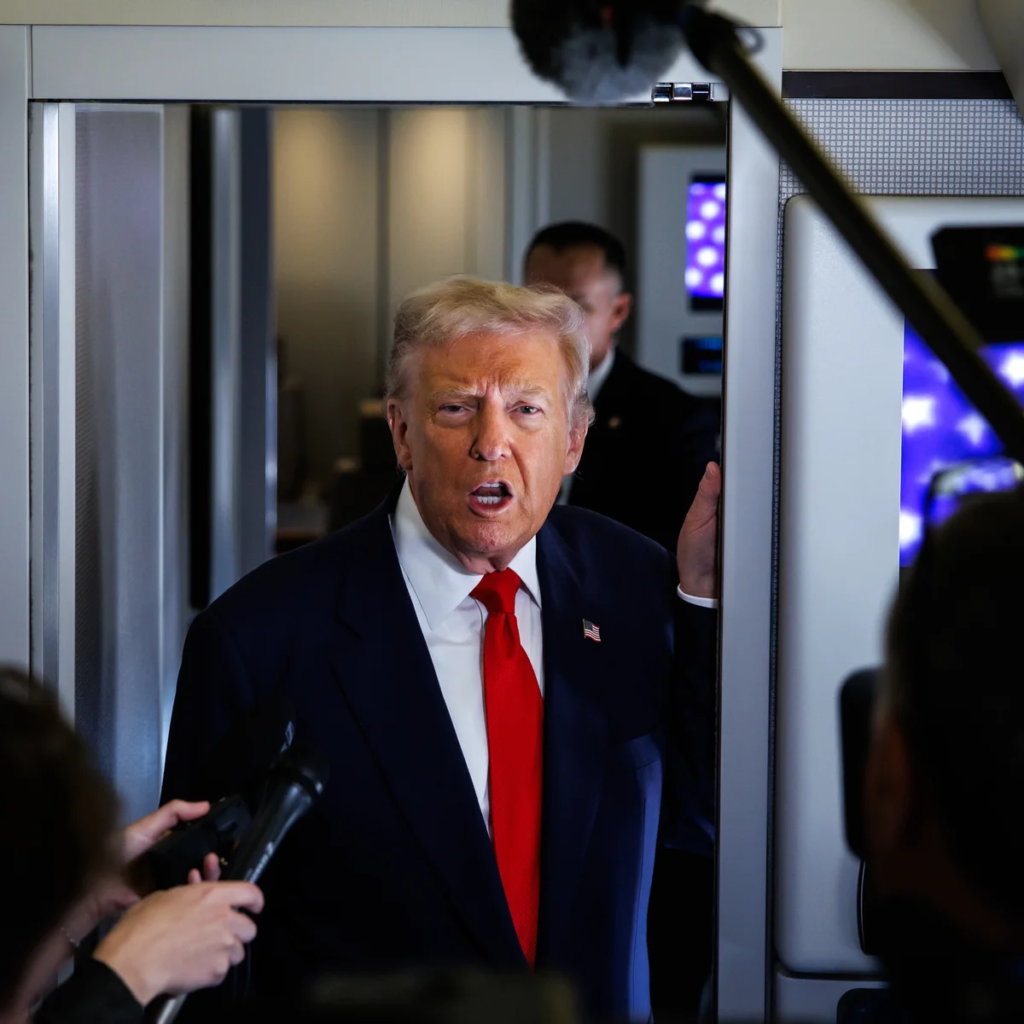
The United States Supreme Court is currently facing a massive legal decision that could instantly change how millions of Americans cast their votes in the upcoming 2026 midterm elections. Just this week, the Trump administration filed an emergency appeal to the nation’s highest court. The administration is asking the Supreme Court to step in and allow strict new limitations on mail-in voting. This major legal move comes immediately after lower federal courts blocked a highly controversial executive order designed to fundamentally alter how the U.S. Postal Service handles election ballots.
For voters, local election officials, and political observers across the country, the stakes are incredibly high right now. The proposed rules would require all states to add specialized tracking barcodes to their mail-in ballots. More significantly, the new executive order dictates that the Postal Service would only be allowed to deliver ballots to individuals who appear on a newly mandated, centralized list of eligible voters.
This master list is not being created by local election boards. Instead, it is being compiled at the federal level by the Department of Homeland Security and the Social Security Administration. This marks a dramatic shift away from how American elections have historically been run, moving power away from individual states and into the hands of federal agencies.
Because the November midterms are just weeks away, this sudden request to overhaul the entire mail-in voting system has triggered a nationwide legal and political battle. A large coalition of states, countless local election workers, and dozens of former federal judges are warning that these last-minute changes will cause total confusion.
With states like North Carolina scheduled to start mailing out their ballots this very week, the timing of this Supreme Court case could not be more urgent. A full report on the administration’s request to the Supreme Court was recently detailed by The New York Times, highlighting the immediate legal tension surrounding the upcoming elections.
The $0 Secret To Launching Your Entire Online Empire
Why pay hundreds every month for separate software? Build funnels, send emails, and make sales with Systeme.io completely free.
Get Started For $0Free Forever • No Credit Card Needed • Beginner-Friendly
The Core of the Controversy: Understanding the New Executive Order
To understand why this is such a massive news story, we have to look closely at what the executive order actually does. Voting in the United States has traditionally been a decentralized process. This means that each individual state creates its own rules, prints its own ballots, and maintains its own secure database of registered voters.
The new executive order attempts to change this standard process by imposing federal requirements on how ballots are mailed and tracked. By taking the authority away from state governments and handing it to federal agencies, the administration argues it is increasing election security. Opponents argue it is an illegal overreach that will break a system that is already actively preparing for an election.
Barcodes and the Push for Centralized Voter Lists
One of the main requirements of the blocked executive order is the addition of specialized barcodes on every single mail-in ballot. In theory, barcodes allow for better tracking of mail as it moves through the postal system. However, redesigning a ballot to include a new barcode is not a simple task. It requires new software, new printing contracts, and rigorous testing with ballot-scanning machines to ensure the votes can actually be counted.
The second major requirement is the implementation of a centralized voter list. Under the order, the U.S. Postal Service would be legally restricted from delivering a mail-in ballot to anyone whose name does not appear on a master list created by the Department of Homeland Security and the Social Security Administration. If a state election board mails a ballot to a legally registered voter, but that voter’s data does not perfectly match the new federal list, the Postal Service would intercept and block the delivery of that ballot.
Why Federal Courts Hit the Brakes on the Order
Before the Trump administration took this case to the Supreme Court, they faced significant defeats in the lower courts. At least 19 different federal court rulings have already blocked the administration from capturing state voter data and enforcing these new postal rules.
Federal judges who reviewed the executive order found serious legal issues with it. The primary concern is that the executive branch of the government does not have the constitutional authority to rewrite state election laws or command the U.S. Postal Service to stop delivering lawful election mail. By blocking the order, these lower courts aimed to protect the voting rights of citizens who rely on the mail to participate in democracy.
The Immediate Risk to Rural and Disabled Voters
The federal courts heavily weighed the human impact of this executive order. Millions of Americans rely on mail-in voting simply because they have no other choice. For people with physical disabilities, traveling to a polling place, standing in long lines, and physically accessing a voting booth can be incredibly difficult, if not impossible.
Similarly, voters living in deeply rural areas often face long drives to reach their nearest polling station. Working-class citizens who cannot take time off work on a Tuesday also rely heavily on the convenience and reliability of mail-in ballots.
Because compiling a massive federal database in a matter of weeks comes with a very high risk of data errors, courts recognized that countless eligible voters could be accidentally left off the new list. A simple typo, a recent address change, or a minor data mismatch could result in a voter’s ballot being intercepted by the post office. The courts determined that this high risk of disenfranchisement was unacceptable.
A Bipartisan Warning: Why Former Judges Are Speaking Out
It is not just politicians who are sounding the alarm about this emergency appeal to the Supreme Court. A prominent group of 53 former state and federal judges recently filed a brief urging the highest court to reject the administration’s request.
What makes this group stand out is that the vast majority of these judges were appointed by Republican presidents. This indicates that the opposition to the executive order is not purely based on party lines, but rather on a deep concern for the rule of law and the stability of American elections.
These legal experts clearly stated that the president’s order is a complete recipe for confusion among voters. They argued that forcing such a massive procedural change this close to an election will put an impossible strain on the local officials who actually run the voting locations and count the ballots.
The Logistical Nightmare for Local Election Officials
Local election officials are the people who do the heavy lifting during voting season. They are responsible for ordering the paper, printing the ballots, stuffing the envelopes, and mailing them out to registered voters.
If the Supreme Court allows this executive order to go into effect, these local officials would face a logistical nightmare. They pointed out that it would be extremely difficult to get a final legal ruling with enough time left to completely redesign the ballots, add the required barcodes, reorder all the necessary printing supplies, and retrain thousands of election workers.
Furthermore, there would be almost zero time to educate the general public about the new rules. When voters do not understand how the system works, mistakes happen, ballots get rejected, and trust in the election process quickly breaks down. Attorneys general from 22 states and Washington, D.C. have echoed these exact concerns, calling the situation an extraordinary threat to the integrity of the midterm elections.
Send, Spend & Hold Money Worldwide Without Hidden Fees
Transfer money internationally at the real exchange rate and hold 40+ currencies in one account.
Open a Wise AccountMid-market rate • Fast transfers • 40+ currencies
The Ticking Clock: Ballots Are Already Getting Ready to Mail
The most critical factor in this entire Supreme Court showdown is time. We are not talking about an election that is years away. The 2026 midterms are happening right now in terms of preparation.
In states like North Carolina, local election boards are legally required to start mailing out absentee and mail-in ballots this week. The envelopes are already printed. The lists of registered voters have already been verified by the state. The post office is already preparing to process the incoming volume of election mail.
If the Supreme Court steps in and changes the rules today, all of that preparation gets thrown out the window. States would have to halt their mailing processes immediately. This sudden stop would cause a massive backlog, leading to a frantic scramble to comply with new federal rules that were introduced at the last possible second. For voters in swing states, where elections are often decided by a few thousand votes, this level of disruption could easily change the outcome of key congressional races.
Technology, Data Security, and the Future of Voting
This entire situation brings up a much larger conversation about how technology and data are used in our modern society. The idea of compiling a single, flawless master list of hundreds of millions of voters is a monumental technological challenge.
Database management at this scale is incredibly complex. When federal agencies attempt to merge data from the Department of Homeland Security and the Social Security Administration, they often run into formatting errors, outdated information, and system incompatibilities. This is why relying on an untested federal database just weeks before an election is considered so dangerous by tech experts and legal scholars alike.
If you are interested in reading more about how big data, artificial intelligence, and massive digital systems impact our daily lives, you can check out our dedicated section on Technology & AI. We regularly explore how technological advancements are shifting the way governments and societies operate.
Following the News in a Complex Media Landscape
Because legal battles like this move so incredibly fast, staying updated can feel overwhelming. Traditional news networks often struggle to break down complex Supreme Court filings in a way that is easy for the average person to digest.
This is why we have seen a massive rise in independent media creators and digital news platforms stepping in to fill the gap. Many creators use streamlined processes to analyze news, edit videos, and publish updates to their audiences in real time. For those curious about the mechanics behind this new wave of digital media and how content is rapidly produced to keep up with the 24-hour news cycle, our guides on YouTube Automation provide a great look behind the scenes.
Independent creators play a huge role in translating dense legal jargon into everyday language, ensuring that citizens know exactly how their voting rights might be affected before they head to the polls.
How You Can Prepare for the Upcoming Midterms
With so much legal uncertainty up in the air, the best thing you can do as a voter is to be proactive. Do not wait until the last week of October to figure out how you are going to vote.
The $0 Secret To Launching Your Entire Online Empire
Why pay hundreds every month for separate software? Build funnels, send emails, and make sales with Systeme.io completely free.
Get Started For $0Free Forever • No Credit Card Needed • Beginner-Friendly
First, check your voter registration status with your local county or state election board. Make sure your current address is correct and that your name matches your official identification perfectly.
Next, read up on the specific mail-in voting rules for your state, as they can vary wildly depending on where you live. Some states require a witness signature on the envelope, while others require a copy of your photo ID. By understanding your local rules, you can ensure that your ballot is counted regardless of what happens in the federal court system.
Frequently Asked Questions (FAQs)
What exactly is the Trump administration asking the Supreme Court to do?
The administration has filed an emergency appeal asking the Supreme Court to allow a new executive order to take effect. This order would force states to add specific barcodes to mail-in ballots and would ban the U.S. Postal Service from delivering ballots to anyone who is not on a new, federally managed list of eligible voters.
Why did lower federal courts block the executive order in the first place?
Lower courts blocked the order because they determined the executive branch does not have the legal authority to override state election laws or command the postal service to intercept lawful election mail. They also noted that the order would likely disenfranchise millions of legal voters due to inevitable data errors.
How does the proposed centralized voter list differ from current systems?
Currently, individual states manage their own voter rolls using local data. The new proposal would shift this power to the federal government, specifically relying on data compiled by the Department of Homeland Security and the Social Security Administration, which critics say is untested and prone to errors.
Who is speaking out against these new mail-in voting rules?
A massive coalition is opposing the new rules. This includes attorneys general from 22 states, dozens of local election officials, and a group of 53 former state and federal judges—the majority of whom were appointed by Republican presidents. They argue the changes will cause widespread chaos.
How could this impact the 2026 midterm elections?
Because the elections are only weeks away, forcing states to redesign ballots and adapt to a new federal database could halt the mailing of ballots entirely. This disruption could prevent millions of people, especially rural and disabled voters, from receiving their ballots in time to vote.
Final Thoughts on the Supreme Court Mail-In Voting Case
The integrity of an election relies entirely on the trust and access of the voters. As this case sits before the Supreme Court, the entire country is watching closely to see if decades of state-run election procedures will be overturned at the very last minute. The outcome of this legal battle will not only determine how millions of people vote in the 2026 midterms but could also set a lasting precedent for how American elections are managed for generations to come.
We will continue to keep a close eye on this developing story as the Supreme Court makes its decision. If you want to learn more about the team behind these updates and our mission to keep you informed, you can read about us. If you have a specific topic you would like us to cover next, feel free to reach out through our contact page.
To ensure you never miss a major update on the stories that matter most, make sure to follow us across our social media platforms. You can find us on Instagram, join the conversation on Facebook, and get our latest quick updates on X. Stay informed, double-check your local voting laws, and make sure your voice is heard this election season.
