
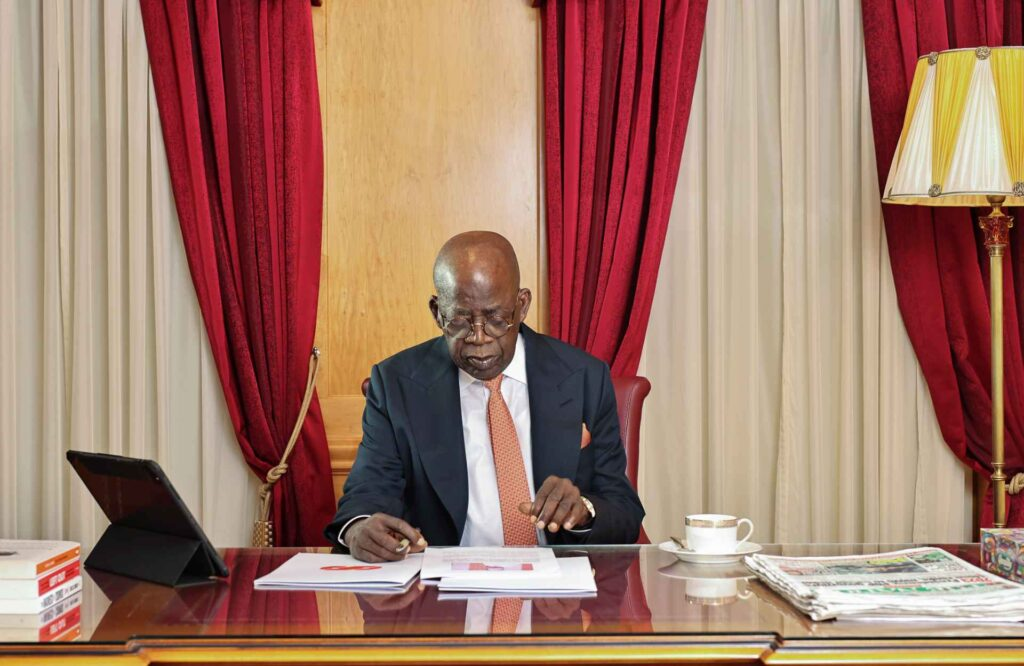
The African Democratic Congress has strongly criticized President Bola Ahmed Tinubu over his economic policies, declaring that Nigeria is fast becoming a graveyard of businesses. This fierce reaction comes on the heels of reports that global ride-hailing company Uber is pulling out of the Nigerian market after 12 years of operation.
The opposition party believes that Uber’s exit is not an isolated event. Instead, it reflects a much deeper economic crisis that is forcing both international giants and local startups to pack their bags or shut down completely.
The growing list of corporate exits paints a worrying picture of the nation’s economic health. Many citizens and business owners are asking how things reached this point and what it means for the future of the country.
The Opposition Statement That Shook the Political Scene
In a detailed press release issued on September 3, 2026, the African Democratic Congress National Publicity Secretary, Bolaji Abdullahi, expressed deep concern over the state of the economy. The party argued that every company shutting down or leaving the country represents a direct vote of no confidence in President Tinubu’s administration.
The statement questioned the government’s frequent claims that the economy is recovering. While official reports celebrate a minor 0.2 percentage-point bump in Gross Domestic Product growth, real people and businesses are struggling to stay afloat on a daily basis.
Build Funnels, Email Lists & Sell Online With One Free Tool
Create funnels, send emails, and sell online using Systeme.io without paying for multiple tools.
Create Free AccountFree forever • No credit card • Beginner-friendly
According to the party spokesperson, small improvements on paper do not mean much when ordinary citizens cannot afford food, fuel, or basic transportation. The statement emphasized that economic growth figures are meaningless if they fail to improve household incomes or protect jobs.
The opposition party pointed out that the gap between official statistics and ground reality keeps widening. While officials talk about reforms bringing long-term gains, the immediate pain felt by families and business owners continues to grow.
Why Uber Left Nigeria After 12 Years
Uber entered the Nigerian market over a decade ago, transforming urban transportation in major hubs like Lagos and Abuja. For millions of commuters, it offered a convenient way to move around, while thousands of drivers relied on the platform to earn a daily income.
However, operating a vehicle-based business in Nigeria has become extremely difficult over the past few years. Rising fuel prices and continuous inflation have squeezed the profit margins of drivers to almost nothing. Many drivers found themselves working longer hours just to cover the basic cost of petrol and routine vehicle maintenance.
When fuel prices jump repeatedly, ride-hailing platforms face a difficult choice. If they raise fares too high to protect drivers, riders stop using the app because they can no longer afford the trips. If they keep fares low, drivers refuse to take trips because they end up operating at a loss.
This constant imbalance made the operational model unsustainable for Uber. Reports covered by outlets like Daily Post Nigeria show that rising energy and transport costs played a massive role in forcing the ride-hailing brand out.
The Broader List of Company Exits in Nigeria
The departure of Uber is only the latest chapter in a long story of corporate departures. Over the last two years, several global brands across manufacturing, pharmaceuticals, retail, and technology have either scaled back operations or exited Nigeria entirely.
Among the most notable exits is GlaxoSmithKline, a pharmaceutical giant that operated in Nigeria for 50 years before shutting down its local manufacturing operations. Their departure triggered a massive shortage of essential drugs and caused medicine prices to skyrocket across the country.
Other major companies that have closed shop, scaled down, or restructured their operations in Nigeria include:
- Procter & Gamble (P&G): The consumer goods maker stopped manufacturing in the country and shifted to an import-only model due to high operational costs.
- Microsoft: The technology giant closed its Africa Development Centre in Lagos, laying off dozens of skilled software engineers.
- Sanofi-Aventis and Bayer AG: Major healthcare and chemical companies that scaled back operations due to foreign exchange bottlenecks.
- Jumia Food and Bolt Food: Meal delivery platforms that shut down operations as order volumes fell and logistics costs climbed.
- Pick n Pay and Shoprite: Retail chains that adjusted their local presence or pulled out completely as consumer spending dropped.
- Unilever and PZ Cussons: Consumer product manufacturers that discontinued certain homecare and personal care product lines to limit losses.
Data cited from the Manufacturers Association of Nigeria shows that over 700 manufacturing companies have shut down or stopped production in recent years. Hundreds of other businesses are operating in distress, unsure of how much longer they can survive.
Key Economic Factors Driving Businesses Away
Understanding why companies are leaving requires a look at the core economic challenges facing the nation. Operating a business in Nigeria has never been easy, but recent policy shifts have created unprecedented hurdles for both small and large enterprises.
1. Astronomical Fuel Price Increases
The sudden removal of the petrol subsidy led to a sharp increase in fuel prices across the nation. In many regions, petrol prices have risen by well over 1,000 percent compared to previous years.
Because public electricity supply remains unreliable, most businesses depend heavily on generators to power their factories, offices, and stores. When fuel prices jump, the cost of generating power goes up instantly. Transportation costs for moving raw materials and finished goods also skyrocket, pushing production costs beyond reasonable limits.
2. Devaluation of the Naira and Foreign Exchange Crisis
The decision to unify and float the naira was intended to stabilize the foreign exchange market. However, it resulted in a severe devaluation of the local currency against the United States dollar.
International companies that earn revenue in naira must convert those profits to dollars to send back to their headquarters or pay foreign suppliers. With a weaker naira and persistent foreign exchange shortages, foreign firms face difficulties converting their funds or importing essential raw materials.
3. Hyper-Inflation and Lower Consumer Purchasing Power
Inflation has eroded the savings and daily income of average Nigerian families. Food prices, housing, healthcare, and transport costs have all reached record highs.
When families spend almost all their money on basic survival like food and rent, they have nothing left for discretionary goods or services. People order fewer rides, buy fewer non-essential items, and cut back on eating out. As sales drop, businesses cannot generate enough revenue to pay their staff or keep the lights on.
The Human Cost: How Everyday Nigerians Are Affected
Behind every corporate exit or factory shutdown is a human story. When a company pulls out, it leaves behind a trail of lost jobs, broken livelihoods, and increased poverty.
The exit of Uber directly affects thousands of drivers who relied on the platform to pay rent, feed their families, and send their children to school. It also impacts the secondary economy, as detailed in reports by The Whistler. Mechanics, auto-parts sellers, tire repairers, and vehicle wash operators all see their business shrink when drivers leave the road.
For factory workers and office employees, losing a job in a tight labor market is devastating. With unemployment rising, finding a replacement job can take months or even years. Many middle-class workers find themselves pushed into poverty almost overnight.
The situation also creates a brain drain effect. Skilled professionals, tech developers, and experienced managers leave the country in search of stability abroad, leaving local industries depleted of talent.
What the Political Opposition Is Proposing
The African Democratic Congress did not just criticize the government; they also pointed toward alternative policy options. The party referenced proposals made by political leaders like Atiku Abubakar, who suggested introducing a targeted subsidy system instead of a complete, sudden removal of fuel subsidies.
The idea behind a targeted subsidy is to reduce transportation and energy costs specifically for production and logistics companies. Lowering production costs makes local goods more affordable, helps businesses stay profitable, and protects jobs.
The opposition party urged the Federal Government to prioritize practical support for local businesses rather than relying solely on abstract GDP figures to defend its economic record. They emphasized that true economic progress must be measured by how easily people can eat, work, and earn a living.
How Nigerians and Business Owners Can Adapt
While macroeconomic policy changes take time, individuals and business owners must find practical ways to adapt to current realities. Relying solely on traditional, brick-and-mortar operations in a tough economy can be risky.
Many young Nigerians are shifting toward digital skills and remote income streams that do not depend entirely on the local physical market. For instance, creating digital content and leveraging video platforms can open up global audience revenue. If you want to learn how people create income through modern digital video strategy without facing high overhead costs, check out our guide on YouTube Automation.
Another critical avenue is using modern technology to streamline operations and cut costs. Small businesses that use smart software can run leaner operations with fewer overhead expenses. To stay updated on how small teams use modern tools to stay competitive, explore our latest posts on Technology and AI.
Build Funnels, Email Lists & Sell Online With One Free Tool
Create funnels, send emails, and sell online using Systeme.io without paying for multiple tools.
Create Free AccountFree forever • No credit card • Beginner-friendly
Adaptability, continuous learning, and exploring global opportunities remain essential survival tactics in a tough business environment. To learn more about our mission and how we curate news and digital insights, visit our About Us page. If you have questions, feedback, or news tips, reach out to us directly through our Contact Page.
You can also join our vibrant online community and stay connected with live updates across our social channels on Instagram, Facebook, and X (Twitter).
Frequently Asked Questions (FAQs)
Why did the ADC call Nigeria a graveyard of businesses?
The African Democratic Congress used the phrase to describe the alarming rate at which major multinational companies and local factories are shutting down operations, exiting the country, or going out of business due to tough economic conditions.
Is Uber completely leaving Nigeria?
Reports indicate that Uber is winding down its operations in Nigeria after 12 years due to high energy costs, rising inflation, and low driver profitability.
What main factors are forcing companies to leave Nigeria?
The primary reasons include high fuel prices following subsidy removal, extreme currency devaluation, foreign exchange shortages, rising electricity tariffs, and reduced consumer spending power caused by high inflation.
How many manufacturing companies have shut down in Nigeria recently?
According to reports from the Manufacturers Association of Nigeria cited by political figures, over 700 manufacturing companies have shut down or suspended operations, while many others operate under financial stress.
What can small business owners do to survive the economic downturn?
Small business owners can adapt by lowering physical overhead costs, offering essential products, exploring digital service models, and leveraging tech tools to streamline daily operations.
The debate surrounding Nigeria’s economic future remains intense as citizens, political parties, and economic experts watch how the government responds to these major corporate exits. While official policy promises long-term growth, the immediate focus for millions of Nigerians remains finding practical ways to survive, pivot, and rebuild in an increasingly challenging economic landscape.
