
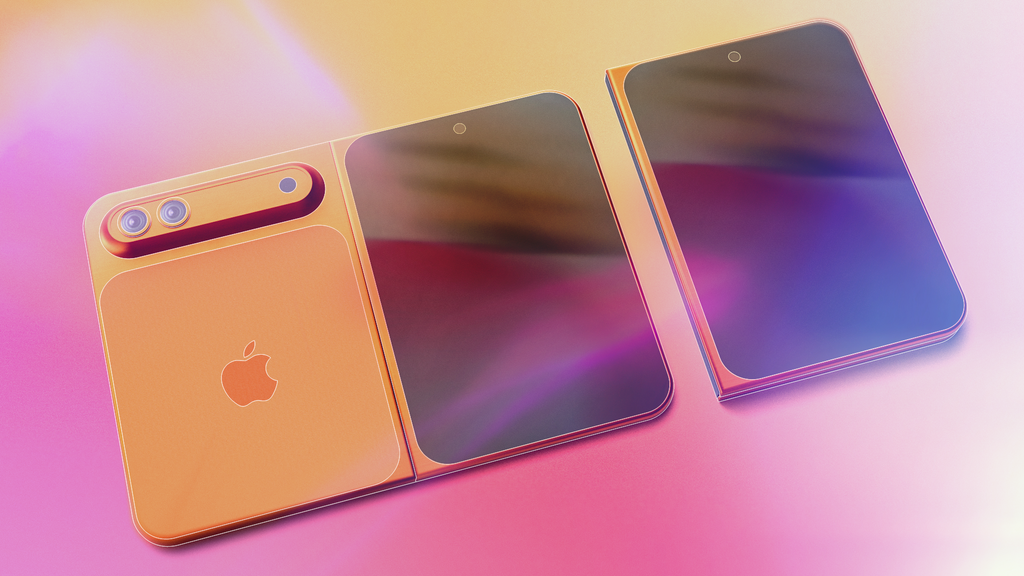
Apple is preparing to enter the foldable smartphone market with a brand-new device that tech analysts are calling the iPhone Ultra or iPhone 18 Fold. Reports from financial experts and tech insiders indicate that this groundbreaking folding phone could carry a starting price tag of at least $2,000.
For years, rumors about a flexible-screen iPhone have circulated across the internet. Now, concrete details regarding launch dates, hardware specifications, and pricing estimates are coming into focus. Apple’s long-awaited entrance into the folding device arena promises impressive features, but the expected price tag is making many buyers pause and think twice.
Understanding why this new phone comes with such a massive price requires taking a close look at component costs, design choices, and how Apple builds its flagship products.
The $2,000 Price Tag: Why Is Apple’s Foldable Phone So Expensive?
Paying $2,000 or more for a smartphone is a huge leap for most consumers. Even Apple’s most expensive current model, the iPhone 18 Pro Max, starts significantly lower than that figure. Industry reports from firms like Citi and TrendForce highlight several main factors driving this high cost.
Soaring Memory and Component Costs
Over the past year, the cost of manufacturing smartphone parts has jumped dramatically. Memory chips in particular have seen huge price hikes due to high global demand and supply chain shifts. Reports show that memory prices for high-capacity smartphones spiked nearly 400% compared to previous years.
Build Funnels, Email Lists & Sell Online With One Free Tool
Create funnels, send emails, and sell online using Systeme.io without paying for multiple tools.
Create Free AccountFree forever • No credit card • Beginner-friendly
When a phone requires top-tier internal storage and memory to perform heavy tasks smoothly, those component price hikes pass straight to the buyer. Apple is feeling the pressure on its bill of materials, which forces the retail price higher than standard models.
The Price of New Screen Technology and Custom Hinges
Designing a screen that bends repeatedly without snapping or showing an ugly permanent crease is extremely expensive. Flexible OLED panels cost far more to produce than traditional flat glass screens.
On top of the screen, the mechanical hinge mechanism inside a foldable phone requires precision engineering. Apple has spent years testing custom hinge designs to ensure durability and a seamless folding experience. These custom mechanical parts add significant costs during manufacturing.
Apple’s Premium Positioning Strategy
Apple rarely enters a product market first. Instead, the company waits, lets competitors test the waters, and then introduces a high-end option built to feel like a luxury device.
By setting the price point at $2,000 or higher, Apple positions the foldable iPhone as an elite flagship product. Analysts predict that Apple wants this device to sit above its current Pro lineup, targeting tech enthusiasts and power users who always want the newest gear.
What Will the First Foldable iPhone Look Like?
When you hold this new device, it will feel very different from any previous iPhone you have owned. Leaks suggest a unique form factor that combines phone convenience with tablet productivity.
Design and Screen Size Expectations
The new foldable iPhone is expected to feature a dual-display setup. When closed, you get a compact outer display that lets you handle quick tasks like reading messages, checking notifications, and answering phone calls.
According to leaks from display analysts, the cover screen measures around 5.5 inches, while the inner main display opens up to a spacious 7.8-inch screen. This gives you plenty of digital space to watch videos, browse websites, or work on documents without needing to carry an iPad around.
Inside Display vs. Outside Display
The outer screen is built for quick one-handed interaction. It functions like a standard smartphone screen so you do not have to unfold the phone every single time you need to do a simple task.
When you unfold the device, the 7.8-inch inner OLED panel takes over. This larger display offers bright colors, deep dark tones, and smooth scrolling. The extra screen real estate makes reading articles, editing photos, and watching movies much more enjoyable.
The Passport-Style Form Factor
When folded shut, the device is rumored to have a shape and size similar to a small passport. This design makes it easy to slip into a pocket or bag without taking up too much room.
Despite having a folding screen, Apple is reportedly keeping the body as thin as possible. Using a strong titanium frame and smooth glass backing, the phone is designed to feel sturdy and premium in your hands without feeling like a bulky brick.
If you enjoy keeping up with the latest mobile releases and modern gadget trends, you can check out our section on technology and AI news for more updates.
What Features Can You Expect Under the Hood?
Beyond the eye-catching folding screen, Apple is packing this flagship phone with powerful hardware built to handle heavy multitasking and daily use.
Processing Power and Speed
The device is tipped to run on Apple’s next-generation A20 Pro chip. Built on an advanced manufacturing process, this chip delivers fast performance while using less battery power.
Whether you are editing video clips, playing graphics-heavy games, or running several apps side by side, the A20 Pro chip provides smooth, reliable power without slowing down.
Memory and Storage Options
To keep up with heavy workloads, the foldable iPhone is expected to feature 12GB of RAM. That is a noticeable upgrade over older iPhone models, allowing the phone to keep more apps active in the background.
Storage options are rumored to start at 256GB and scale up to a massive 2TB. If you store thousands of photos, download offline movies, or record high-definition video clips, having a 2TB storage option gives you room to grow.
Tech creators and digital builders who publish content across video platforms often talk about how extra storage helps workflow. You can read more about automated video production strategies in our guide to YouTube automation trends.
Battery Life and MagSafe Support
A bigger screen requires a bigger battery to keep things running all day long. Reports indicate Apple is fitting the foldable iPhone with a 5,000 mAh battery pack.
Additionally, insider sources like Mark Gurman from Bloomberg confirmed that Apple is keeping MagSafe charging on this foldable model. MagSafe allows you to snap wireless chargers, wallets, and car mounts directly onto the back of the phone with ease.
What Might Be Missing at Launch?
While the $2,000 price tag sounds high, surprisingly, this new device might actually leave out a few features found on cheaper Pro models. Designing an ultra-thin foldable chassis requires geometric trade-offs inside the case.
The Face ID Dilemma and Touch ID Return
Because of space constraints inside the thin top bezel, Apple may not include the full Face ID sensor array on this first foldable device.
Instead, leaks suggest Apple might bring back Touch ID. A capacitive fingerprint sensor could be built directly into the power button on the side of the phone, giving you a quick way to unlock your screen.
Camera Trade-Offs Compared to the Pro Models
If you love having three or four camera lenses on your phone, you might be surprised by the foldable iPhone’s setup. Due to limited interior space, Apple is expected to include a dual rear camera system instead of a triple-camera layout.
The rear camera bump will likely combine a 48-megapixel main camera with a 48-megapixel ultra-wide lens. That means you might miss out on a dedicated telephoto zoom lens that comes standard on the iPhone Pro Max series.
Physical SIM Cards and Other Sacrifices
To save every millimeter of internal space, Apple is reportedly removing the physical SIM card tray altogether on global models. The phone will rely completely on eSIM technology for mobile network connections.
Build Funnels, Email Lists & Sell Online With One Free Tool
Create funnels, send emails, and sell online using Systeme.io without paying for multiple tools.
Create Free AccountFree forever • No credit card • Beginner-friendly
Other rumored sacrifices include removing mmWave 5G hardware in certain regions and adjusting speaker placements. These engineering decisions help Apple keep the body thin while accommodating the complex hinge.
For more details on how we gather and break down hardware leaks, visit our about page to learn more about our publishing mission.
How Does It Compare to Samsung and Other Competitors?
Apple is not the first company to release a folding phone. In fact, competitors have been refining their foldable devices for years, creating a busy market.
Samsung’s Eight-Generation Lead
Samsung has been leading the foldable smartphone category for nearly a decade. With devices like the Galaxy Z Fold 8, Samsung has had eight generations of hardware updates to fix screen creases, improve hinge strength, and refine software multitasking.
Samsung’s foldables also support stylus input and offer established multi-window features. Apple will need to prove that its software integration and design quality make up for Samsung’s long head start.
Huawei and Xiaomi’s Market Presence
In global markets, companies like Huawei and Xiaomi are pushing foldable technology forward at a rapid pace. Huawei recently released triple-folding devices and ultra-large foldable screens, while Xiaomi continues to offer competitive pricing in Asian markets.
These rivals give buyers plenty of options at different price points, forcing Apple to justify its $2,000 price through seamless iOS software and long-term device durability.
Apple’s Ecosystem Advantage
Where Apple shines is its connected device ecosystem. If you already use an iPad, Mac, or Apple Watch, a foldable iPhone will instantly sync with your existing apps, messages, and iCloud files.
Features like AirDrop, Universal Clipboard, and seamless handoff between devices make adding a foldable iPhone to your personal tech collection effortless for current Apple users.
External reports from industry research groups like IDC Market Research suggest that despite entering late, Apple could capture over forty percent of the global foldable market value within its first full year.
Is a $2,000 Foldable iPhone Worth Your Money?
Deciding whether to buy a $2,000 smartphone comes down to your personal budget, your daily tech needs, and how much you value being an early adopter of new technology.
Who Should Buy It First
This high-end folding phone is ideal for tech enthusiasts, business professionals, and heavy multitasking users who want tablet-sized screen real estate in their pocket.
If you spend your workday reading reports, managing schedules, reviewing documents, and switching between apps, the wide 7.8-inch display can make your mobile workflow much faster.
Who Should Wait for Later Models
First-generation technology often comes with small hiccups or missing features that get fixed in future revisions.
If you prefer maximum camera versatility with zoom lenses, need Face ID, or simply want the best value for your money, sticking with a standard iPhone 18 Pro model is a smarter financial move. Future foldable generations will likely become thinner, more feature-packed, and potentially less expensive.
How to Budget for Big Tech Upgrades
Upgrading to a $2,000 phone is a significant purchase. Taking advantage of trade-in programs offered by carriers or Apple can lower your out-of-pocket costs by hundreds of dollars.
Spreading payments across monthly device plans or saving in advance helps you enjoy new gadgets without straining your personal finances.
If you have questions about upcoming tech releases or want to share your thoughts on foldable devices, feel free to reach out directly through our contact page.
Frequently Asked Questions (FAQs)
How much will the foldable iPhone cost?
Reports from financial analysts and supply chain leaks indicate that the first foldable iPhone will start at around $2,000. Depending on storage configurations like 1TB or 2TB, higher-end versions could reach up to $2,500 or more.
When is Apple releasing the foldable iPhone?
Apple is expected to announce the device alongside its new autumn hardware lineup on September 9, with shipments rolling out during the second half of the year.
Will the foldable iPhone have Face ID?
Current leaks suggest that Apple may replace Face ID with Touch ID on the first foldable model due to space constraints in the thin top bezel. The fingerprint sensor will likely be integrated into the side power button.
How big is the screen on the foldable iPhone?
The phone is rumored to feature a 5.5-inch cover screen on the outside for quick tasks and a large 7.8-inch foldable OLED display on the inside when opened fully.
Does the foldable iPhone support MagSafe?
Yes, insider reports confirm that Apple is including MagSafe support on the foldable iPhone, allowing you to use wireless chargers, magnetic card holders, and car mounts easily.
Where can I stay updated on social media?
You can follow live news, updates, and community discussions on our official social channels on Facebook, Instagram, and X (formerly Twitter).
Wrapping Up
Apple’s upcoming foldable iPhone represents one of the biggest design changes for the company in years. By bringing a flexible display to iOS, Apple is opening up new ways to multitask, watch media, and work on the go.
While a $2,000 price tag is certainly a major investment, the combination of a powerful A20 Pro chip, a spacious 7.8-inch inner screen, and premium materials makes it one of the most anticipated mobile devices of the decade. As official details emerge during the upcoming launch event, tech fans everywhere will soon see if Apple’s vision for foldable phones lives up to the hype.
