
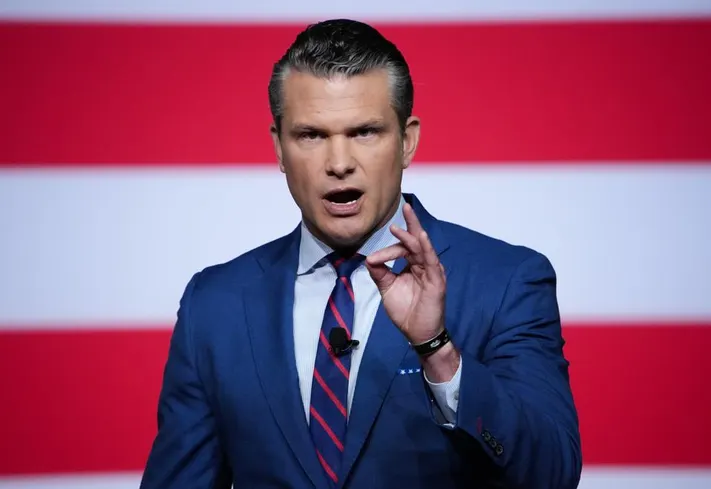
Military officials and defense insiders are raising serious concerns about the direction of the Pentagon under Defense Secretary Pete Hegseth. Sources within the military say his intense focus on fighting culture wars is actively disrupting progress across the U.S. Army. Instead of concentrating all energy on modern warfare, geopolitical threats, and advanced technology, the Department of Defense is spending immense time reshaping military culture, purging senior leaders, and rolling back diversity programs.
This major shift in priorities is causing deep frustration among career military personnel. Defense experts point out that while the armed forces face massive recruitment challenges and rapid technological shifts globally, top leadership seems focused on internal battles over ideology. To understand why this is causing such a stir, it helps to take a close look at what is happening inside the halls of the Pentagon and how these decisions impact soldiers on the ground.
The Push from “Woke” Policies to a “Warrior Ethos”
Shortly after taking office, Pete Hegseth made it clear that his main mission was to strip what he calls “woke garbage” out of the armed forces. In a dramatic move, he summoned hundreds of generals and admirals from around the world to an emergency meeting in Virginia with just a week’s notice. During this address, he announced a sweeping plan to return the military strictly to a “warrior ethos”.
Hegseth argued that previous leadership had allowed diversity, equity, and inclusion initiatives to weaken America’s combat readiness. He told the assembled commanders that promoting officers based on race, gender, or historic firsts had led the military astray. In his view, the military must focus purely on maximum lethality, strict physical standards, and traditional discipline.
However, military researchers and veteran commanders strongly push back against this narrative. Decades of defense research show that diverse teams perform better, make smarter decisions under stress, and solve complex battlefield problems more effectively. By labeling all diversity efforts as harmful, critics say the Pentagon is ignoring facts in favor of political talking points.
The $0 Secret To Launching Your Entire Online Empire
Why pay hundreds every month for separate software? Build funnels, send emails, and make sales with Systeme.io completely free.
Get Started For $0Free Forever • No Credit Card Needed • Beginner-Friendly
Rolling Back Physical Fitness and Gender Standards
One of the most talked-about policy changes involves physical fitness tests. Hegseth directed the service branches to overhaul their fitness evaluations and return to age-neutral and gender-neutral standards based on the highest male benchmarks from the 1990s. He publicly criticized the physical appearance of current troops and military leaders, stating that seeing out-of-shape service members in uniform was unacceptable.
While fitness is undeniably important in military life, military health experts note that modern combat involves far more than raw physical strength. Today’s Army relies heavily on specialized skills, tech operation, cyber warfare, and intelligence analysis. Reverting to 1990s physical fitness standards risks disqualifying highly capable technical experts, cyber specialists, and female soldiers who perform exceptionally well in their operational roles.
Furthermore, Hegseth has repeatedly questioned whether women should serve in combat roles at all. He has argued that female service members complicate unit dynamics and reduce overall combat power. Military women, who make up a significant portion of active-duty forces, now face an environment where their contributions and qualifications are openly questioned by top leadership.
Leadership Purges and Lost Expertise
To enforce this new vision, Hegseth began firing top military officers and civil servants shortly after taking office. Several high-ranking leaders, including prominent female officers and leaders of color, were forced out. Hegseth defended these removals by stating that changing Pentagon culture required getting rid of the people who helped build the previous system.
This purge has created a severe leadership vacuum. Experienced generals and admirals possess decades of operational knowledge, strategic relationships with foreign allies, and deep understanding of complex defense systems. Replacing them quickly with loyalists or leaving positions vacant disrupts long-term military planning and leaves the chain of command in a state of confusion.
In addition to removing military commanders, Hegseth targeted legal advisers and oversight bodies. He removed top military lawyers from Judge Advocate General (JAG) corps positions, claiming that battlefield lawyers put unnecessary restraints on warfighters. He also dismantled offices dedicated to mitigating civilian casualties during military operations. Defense analysts warn that removing these checks and balances increases the risk of war crimes, damages international credibility, and harms troop morale.
Disruption in Defense Technology and Modernization
Modern warfare is changing faster than ever. Victory on today’s battlefield requires rapid development in artificial intelligence, autonomous drone fleets, cyber defense, and advanced satellite communications. Yet, sources inside the defense sector report that ideological disputes are slowing down essential technological progress.
A clear example of this friction occurred when the Pentagon clashed with major artificial intelligence developers over safety guardrails and ethics. When tech companies raised concerns about autonomous lethal targeting or surveillance uses, the defense leadership responded with frustration rather than constructive collaboration. Instead of building bridges with the tech industry to speed up innovation, public disputes have created friction between the military and top civilian innovators.
For those tracking general shifts in technology and AI, it is obvious that staying ahead requires open collaboration, continuous learning, and clear ethical guidelines. When leadership gets bogged down in political battles, critical modernization projects face long delays.
Even online content creators who cover global defense developments using YouTube automation tools have noticed a clear shift in public interest. Audiences are asking whether the military is keeping up with modern threats or getting distracted by internal political fights.
The Recruitment Crisis and Troop Morale
The U.S. military has been struggling with recruitment numbers across almost every branch. Younger Americans cite various reasons for not joining, including concerns about quality of life, mental health support, and public perception of the military.
The current focus on culture wars appears to be making the recruitment crisis worse. By weakening equal opportunity policies and rolling back protections against harassment and bullying, the military becomes less appealing to a vast majority of potential young recruits.
Key areas affecting troop life and morale include:
- Lower reporting trust: Changes to internal oversight make service members feel less confident reporting sexual assault, discrimination, or hazing.
- Extended deployments: Leadership turnover and strategic disorganization leave some units stranded on extended tours, putting extra strain on military families.
- Uncertainty in promotions: Officers report feeling that promotions now depend on political alignment rather than professional merit and combat readiness.
- Loss of qualified personnel: High-performing service members, including pilots, tech specialists, and medical personnel, are choosing to leave the service early rather than navigate a politicized environment.
When daily military life becomes defined by internal politics, trust within ranks breaks down. Soldiers perform best when they know their leaders have their backs and that standards are fair and objective.
How Allies and Adversaries React
The United States does not fight wars alone. American defense strategy relies heavily on international partnerships, such as NATO and alliances across Asia and the Middle East. These allies cooperate with the U.S. because of shared values, operational trust, and respect for international law.
Send, Spend & Hold Money Worldwide Without Hidden Fees
Transfer money internationally at the real exchange rate and hold 40+ currencies in one account.
Open a Wise AccountMid-market rate • Fast transfers • 40+ currencies
Reports indicate that foreign allies are growing uneasy. When U.S. defense leadership openly rejects legal oversight, cuts civilian protection programs, and purges experienced commanders, allies worry about the reliability and conduct of American forces. Some partner nations have expressed concern that cooperating on joint operations could expose their own troops to legal or ethical complications.
At the same time, foreign adversaries like China and Russia closely watch these internal struggles. When the military command is distracted by political fighting and leadership purges, adversaries see an opportunity to push their own strategic advantages. A military turned inward on itself is far less effective at deterring aggressive actions overseas. Major news outlets like Reuters have continuously highlighted how geopolitical stability depends on a steady and predictable U.S. defense posture.
Finding the Balance Between Tradition and Progress
Every military needs discipline, strong physical standards, and a shared commitment to victory. Nobody argues against the importance of high performance and combat readiness. However, treating modern progress, diversity, and legal oversight as enemies of lethality creates a false choice.
A truly strong military combines the best of traditional military discipline with modern innovation. It values physical readiness while also respecting the intellectual and technical expertise needed for high-tech warfare. It protects its service members from harm while holding everyone to high moral and ethical standards.
Sources within the Army emphasize that military progress requires stability, clear goals, and unified leadership. Until the Pentagon moves past ideological battles and refocuses on systemic defense needs, the Army will continue to face unnecessary friction in its efforts to modernize.
Frequently Asked Questions
Who is Pete Hegseth and what is his position?
Pete Hegseth is a former Army National Guard officer and television commentator who was appointed as the U.S. Secretary of Defense. In this role, he leads the Department of Defense and oversees all branches of the U.S. military.
Why are defense sources concerned about his military policies?
Sources say Hegseth is focusing heavily on cultural and political issues—such as removing diversity programs, changing fitness tests, and purging military commanders—rather than addressing urgent defense needs like recruitment, technology modernization, and geopolitical stability.
What specific changes were made to fitness standards?
Hegseth ordered the military to discard recent age and gender-adjusted fitness evaluations and return to strict, uniform standards based on the highest male standards from the 1990s. Critics argue this move overlooks the specialized physical and technical demands of modern military roles.
How do these changes affect recruitment and troop retention?
Rolling back protections against harassment, purging experienced leaders, and questioning the role of women in combat have created uncertainty across the ranks. This environment makes it harder to attract new recruits and encourages experienced personnel to leave the military early.
How can readers follow ongoing military and news updates?
You can follow major news coverage across independent media outlets and stay connected through social media channels to see how these policy shifts develop over time.
The $0 Secret To Launching Your Entire Online Empire
Why pay hundreds every month for separate software? Build funnels, send emails, and make sales with Systeme.io completely free.
Get Started For $0Free Forever • No Credit Card Needed • Beginner-Friendly
Staying Connected with Current Events
Keeping up with fast-moving political and military news can feel overwhelming, but staying informed helps you understand how decisions at the top impact everyday life. If you want to learn more about our mission and what we do, visit our about us page or feel free to reach out directly through our contact page.
You can also join our growing online community to discuss trending topics, share your thoughts, and get updates as stories break. Connect with us on Instagram, follow our updates on Facebook, and join the conversation on X (formerly Twitter). We look forward to hearing your perspective on this ongoing issue!
Hegseth’s Culture War Is Breaking The Military
This video provides an insightful breakdown from a combat veteran on how military purges, policy shifts, and ideological conflicts are impacting troop readiness and command structure.
