
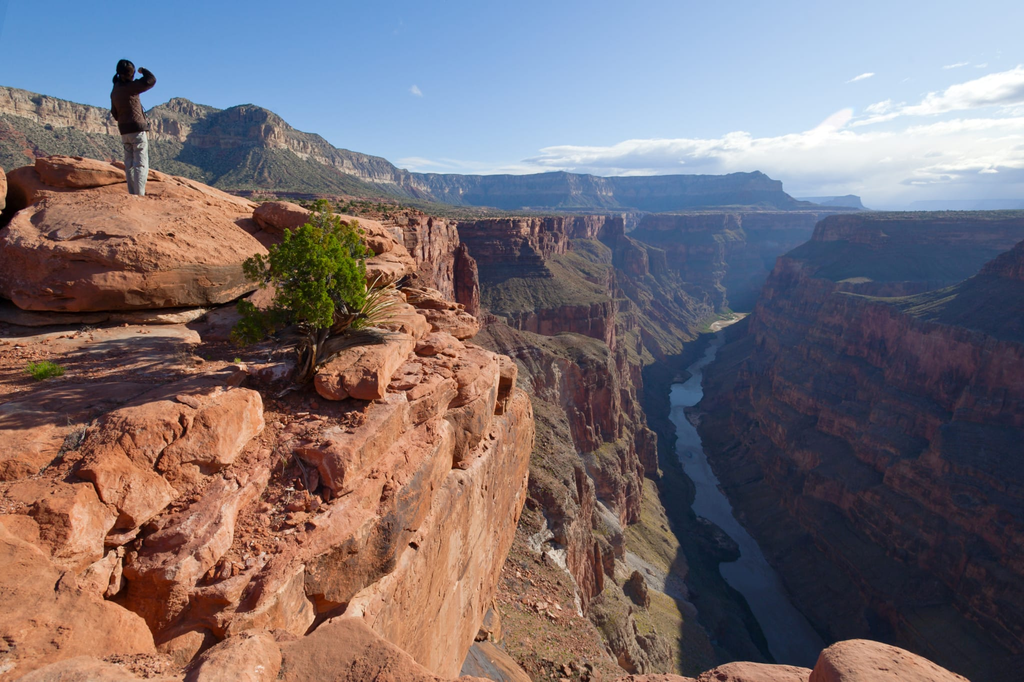
A powerful flash flood swept through the inner corridors of Grand Canyon National Park, leaving at least two people dead and about 15 others missing. Emergency teams are working around the clock in a massive search and rescue mission deep inside the canyon.
The disaster began on Saturday afternoon when sudden, heavy summer rainstorms triggered violent torrents of water through Bright Angel Canyon and the Phantom Ranch area. Muddy water, uprooted trees, and massive boulders rushed down narrow paths, catching hikers, campers, and river rafters off guard.
So far, rescue crews have airlifted more than 62 people out of the canyon by helicopter. Park officials, supported by state emergency teams, continue to search remote trails and riverbanks to find the remaining missing visitors.
The Sudden Wall of Water Inside Bright Angel Canyon
The trouble started when a series of heavy rainstorms dumped water over the Kaibab Plateau. The National Weather Service reported that four separate waves of intense rainfall hit two main creek drainages over the weekend.
Because desert soil is hard and dry, it cannot absorb large amounts of rain quickly. Water gathered on the surface and poured into narrow rock channels. Within minutes, small streams turned into rushing rivers of mud and heavy debris.
The $0 Secret To Launching Your Entire Online Empire
Why pay hundreds every month for separate software? Build funnels, send emails, and make sales with Systeme.io completely free.
Get Started For $0Free Forever • No Credit Card Needed • Beginner-Friendly
The flood hit the Bright Angel Creek corridor around 2:30 p.m. Water poured over cliffs, forming giant temporary waterfalls and sending brown water roaring down toward the Colorado River.
Hikers near Phantom Ranch, a popular resting spot deep at the bottom of the canyon, suddenly found themselves surrounded by rising water. Footbridges that allowed hikers to cross the creek safely were instantly smashed and carried away by the river.
Eyewitness Accounts: Escaping the Raging Waters
Hikers who survived the flood described moments of sheer terror as water rushed into narrow trail passages. Many people had only seconds to react and reach higher ground.
Parth Desai, a doctor who was hiking through Bright Angel Canyon with colleagues and a park ranger, shared his experience. He explained that heavy rain started falling out of nowhere, quickly followed by landslides, falling rocks, and sudden waterfalls along the canyon walls.
As Desai and his group made their way toward Phantom Ranch, someone in the group spotted a four-foot wall of mud and debris moving fast toward them. The group shouted warnings and scrambled up steep slopes into patches of cactus to escape the water. They remained trapped until a rescue helicopter arrived to pick them up.
Other visitors reported seeing entire wooden bunkhouses and maintenance equipment from trail work sites swept into the river like small toys. The roar of underwater boulders crashing against each other sounded like continuous thunder rolling through the canyon.
High-Stakes Helicopters and Search Operations
Search and recovery operations are being coordinated by the National Park Service alongside the Arizona Department of Public Safety. Teams are focusing their efforts on key trails and camping zones, including:
- Phantom Ranch and the Bright Angel Campground
- The North Kaibab Trail, stretching down from the trailhead
- The narrow canyon section known locally as “The Box”
- The banks along the Colorado River near Crystal Rapids
On Sunday evening, search teams recovered the body of a 46-year-old man near Crystal Rapids. On Monday morning, park officials confirmed that a second body had been found in the flood area. Authorities have not yet released the names of the victims as they work to notify families.
Finding the missing individuals remains difficult due to the remote nature of the terrain. Cell phone signals do not reach deep into the canyon, making it hard for trapped hikers to call for help. Search crews are using visual spotters, rescue dogs, and low-flying helicopters to search small pockets of land along the river.
Weather forecasters at the National Weather Service have warned that additional storms could hit northern Arizona, which creates extra risk for rescue teams working in low-lying areas.
Massive Infrastructure Damage and Water Restrictions
The flood did not just place human lives in danger; it also smashed crucial park structures. The rushing water knocked out multiple pedestrian footbridges, making key parts of the inner canyon impassable on foot.
More importantly, the flood destroyed roughly 40 percent of the Transcanyon Waterline. This pipeline is the single source of fresh water for residents, workers, and millions of yearly tourists visiting the Grand Canyon South Rim.
Because the pipeline is broken and cannot pump water up from the canyon bottom, the park has entered strict emergency water conservation. Park management has ordered several key closures:
- Overnight stays at South Rim hotels and lodges are suspended.
- Phantom Ranch cabins and the Phantom Ranch Canteen are fully closed.
- Bright Angel Campground and parts of North Kaibab Trail are closed to visitors.
- Day visitors can still enter the park, but wood fires and high water usage are banned.
The Transcanyon Waterline was already undergoing a $208 million upgrade project aimed at replacing aging pipes. Park managers now face a massive setback, as major sections of the new and existing pipe system must be rebuilt from scratch.
Understanding Desert Monsoons and Flash Flood Hazards
Many people think of deserts as dry places where it rarely rains, but the North American Monsoon season changes things quickly. Between July and September, moist air moves north from the Gulf of California and the Gulf of Mexico, bringing sudden, violent afternoon thunderstorms.
Send, Spend & Hold Money Worldwide Without Hidden Fees
Transfer money internationally at the real exchange rate and hold 40+ currencies in one account.
Open a Wise AccountMid-market rate • Fast transfers • 40+ currencies
Flash floods in the Grand Canyon are uniquely dangerous for several reasons:
- Upstream Rain: Rain can fall miles away from where you are hiking. You might see clear blue skies above your trail while a wall of water is rushing down the canyon toward you from a distant storm.
- Wildfire Burn Scars: Recent wildfires, such as the Dragon Bravo fire from July 2025, leave behind burned trees and baked soil. Burned land cannot hold water, so rainwater runs off the hillsides instantly.
- Narrow Slot Canyons: When water gets trapped between high rock walls, it has nowhere to spread out. The water builds up high pressure and moves forward with massive speed, carrying trees, rocks, and mud along with it.
Similar tragedies have happened in the region before. In August 2024, a 33-year-old hiker was swept away during a flash flood in the nearby Havasupai area, highlighting how unpredictable monsoon storms can be in deep desert canyons.
How Modern Technology Aids Disaster Tracking
During emergency events like this, technology plays a major role in saving lives and sharing fast information. Rescue teams rely on satellite radios, thermal imaging equipment mounted on helicopters, and digital mapping tools to locate trapped individuals.
Modern communication systems also help authorities track who is on the trails. Online permit systems and digital sign-in logs give rangers a clearer picture of who might be missing.
Beyond emergency response, news distribution relies heavily on modern digital tools. Staying updated on public safety news and digital trends is easier today thanks to modern online tools. If you are interested in how digital tools power fast news sharing, check out our insights on technology and AI developments and see how automated workflows operate in our section on YouTube automation guides.
You can also follow real-time updates and community conversations on our official social media channels. Connect with our community on Facebook, catch visual updates on Instagram, and follow quick news drops on X (Twitter).
Vital Safety Rules for Desert Hikers
If you plan to hike in canyon country during the summer monsoon season, taking basic safety precautions can save your life.
Check Upstream Weather Reports
Do not just look at the forecast for your exact location. Look at the weather for the entire region and high-elevation plateaus above the canyon. If rain is predicted upstream, stay out of narrow canyons and dry stream beds.
Learn the Warning Signs
Flash floods give very little warning, but you can spot clues if you pay close attention:
- A sudden change in stream water color from clear to muddy brown.
- An unexpected increase in water speed or depth.
- A deep, roaring sound coming from up the canyon, similar to a low train sound.
- Floating debris like twigs, leaves, and foam appearing suddenly in the water.
Move High Immediately
If you see or hear signs of a flood, do not try to run down the trail or save your camping gear. Climb up the canyon walls immediately to high ground. Even climbing ten to twenty feet above the creek bed can keep you safe from passing floodwaters. Never try to walk or drive through moving water.
The $0 Secret To Launching Your Entire Online Empire
Why pay hundreds every month for separate software? Build funnels, send emails, and make sales with Systeme.io completely free.
Get Started For $0Free Forever • No Credit Card Needed • Beginner-Friendly
Carry Emergency Communication Tools
Cell phones rarely work deep inside remote canyons. Carry a satellite messenger device or personal locator beacon. These tools allow you to send SOS signals and exact location coordinates to rescue teams even without cell service.
Community Support and Official Response
Arizona Governor Katie Hobbs released a public statement expressing deep concern for the families affected by the flood. She confirmed that state military and emergency agencies are fully supporting federal park rangers with rescue operations.
Officials are asking anyone who was hiking in the Bright Angel Creek area on Saturday, August 29, to contact the National Park Service. Even if you made it out safely, checking in helps rescue teams cross your name off the missing list so they can focus on people who still need help.
To learn more about our mission to bring you real stories from around the world, visit our about page. If you have questions, story updates, or information to share with our editorial team, please reach out directly through our contact page.
Frequently Asked Questions (FAQs)
What caused the flash flood in the Grand Canyon?
The flash flood was caused by heavy monsoonal rainstorms over the Kaibab Plateau. Multiple waves of intense rain poured onto dry ground and burned soil from past wildfires, sending massive amounts of water rushing into Bright Angel Canyon.
How many people were injured or lost in the flood?
As of Monday, two people have been confirmed dead, and approximately 15 people remain missing or unaccounted for. Emergency teams have successfully rescued and evacuated over 62 people from the area.
Is Grand Canyon National Park open right now?
The park remains open for day use, but major overnight accommodations on the South Rim are closed due to a damaged water pipeline. Areas deep inside the canyon, including Phantom Ranch, Bright Angel Campground, and parts of the North Kaibab Trail, are closed until further notice.
Why are flash floods so dangerous in desert canyons?
Desert soil cannot absorb heavy rainwater quickly. In narrow canyons, rainwater gathers fast and builds up force, turning into a fast-moving wall of mud, rocks, and trees. Rain falling miles away can send a dangerous flood down a sunny trail without warning.
Where can I report missing hikers or get official safety updates?
You can contact the National Park Service directly or check official updates on the Grand Canyon National Park website and social media pages. If you know someone who was hiking in the Bright Angel Creek area on August 29, call park authorities to provide their details.
This tragic event serves as a stark reminder of how powerful and unpredictable nature can be, even in some of the most famous landscapes on Earth. As search and rescue teams push forward in their efforts to account for every missing hiker, visitors across the American Southwest are urged to remain cautious during monsoon season. Keeping a close eye on weather shifts, respecting park closures, and staying prepared can make all the difference when exploring the great outdoors.
