
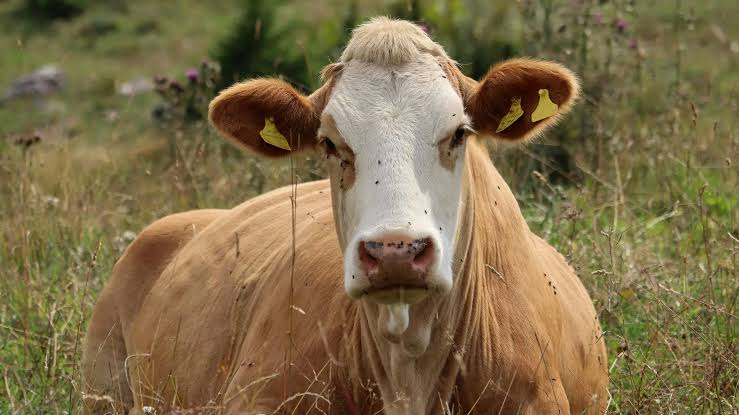
President Donald Trump announced a major change in how food gets from American farms to your dinner table. In a recent statement, Trump revealed that he is directing legal teams to draft official documents allowing farmers and ranchers to process their own meat directly.
This bold move takes direct aim at what Trump called a nasty monopoly in the meatpacking industry. For decades, a small handful of massive corporate processors have controlled the market.
By opening the door for local farmers to butcher, package, and sell their own animals, the administration hopes to lower beef prices at the grocery store and give local agricultural communities more freedom.
This decision comes at a crucial moment for food prices and rural politics. High beef prices have hit family budgets hard, while ranchers have expressed frustration over how big meat corporations operate. The new policy aims to change the game, but it also raises major questions about food safety regulations, setup costs, and industry competition.
Here is a full breakdown of what is happening, why it matters, and how it could affect the food you buy every week.
The $0 Secret To Launching Your Entire Online Empire
Why pay hundreds every month for separate software? Build funnels, send emails, and make sales with Systeme.io completely free.
Get Started For $0Free Forever • No Credit Card Needed • Beginner-Friendly
What Triggered Trump’s Announcement?
The decision to let farmers process their own food did not happen in a vacuum. It comes right after intense debate over rising grocery costs and beef supply chains.
Recently, the administration faced strong pushback from American cattle producers. That backlash began after officials floated a plan to temporarily import 300,000 metric tons of foreign beef tariff-free to help reduce fast-food inflation. American ranchers argued that importing foreign meat hurts local producers while failing to solve the root problem in the market.
During an interview with media host Glenn Beck, who operates a ranch in Idaho, the conversation turned toward deregulation. Beck urged the president to look closely at the meat processing bottleneck and make it legal for ranchers to slaughter and prepare their own cattle without endless regulatory hurdles.
Shortly after, Trump took to social media to promise swift legal action. He stated that ranchers and farmers have always been a top priority and that legal paperwork is being prepared to grant them direct processing rights. Agriculture Secretary Brooke Rollins echoed those thoughts, stating that cutting red tape is vital so the nation can feed itself securely according to coverage by The Guardian.
How Meat Processing Works Right Now
To understand why this decision is such a big deal, you have to look at how meat travels from a pasture to a store shelf.
Under current rules rooted in federal law, meat cannot be sold across state lines or directly to grocery stores and restaurants unless it goes through a processing plant inspected by the United States Department of Agriculture. These rules were designed decades ago to protect public health and ensure clean slaughter conditions.
Small farmers currently have two main choices if they want to sell meat:
- Custom Slaughter: Farmers can butcher animals for their own personal household use or for individual private buyers who buy a share of a live animal before slaughter. However, this meat cannot be packaged and sold to retail outlets or public buyers.
- USDA-Inspected Processing: Farmers must take their animals to a facility where official inspectors check every step of the process. Because these inspected facilities are few and far between, small ranchers often have to wait months just to get a spot on the calendar.
This setup creates a severe bottleneck. Even if a rancher has hundreds of healthy cattle ready for harvest, they cannot simply process the meat on their farm and sell it at a local market. They must rely on outside processors, which drives up costs and limits availability.
The “Big Four” Monopoly Problem
The biggest complaint from small cattle raisers centers on the four massive companies that control the meat industry. Known across agriculture as the “Big Four,” these mega-corporations process roughly 85% of all beef in the United States.
These major corporate packers act as powerful middlemen. They buy live cattle from independent farmers, process the meat in gigantic centralized facilities, and supply national grocery chains and restaurant brands.
Critics point out several problems with this concentrated setup:
- Price Control: When only four main buyers exist, ranchers have very little bargaining power. Ranchers often get paid low prices for their live cattle, even while prices at the supermarket remain sky-high.
- Supply Chain Fragility: If one or two giant plants experience labor shortages, health shutdowns, or fires, the entire national meat supply slows down almost immediately.
- Lack of Local Choice: Consumers are forced to buy factory-processed meat because local producers cannot easily get their products onto store shelves.
In response to long-standing complaints, the Department of Justice has also launched investigations into potential price-fixing within the meatpacking sector. Trump’s new push aims to bypass this corporate system entirely by empowering local producers.
What Changes Are Being Proposed?
While official administrative orders are still being drafted, the government has outlined a few key areas where rules could change significantly.
Waiving Regulatory Red Tape
The administration plans to reduce the strict paperwork and facility rules that currently stop small producers from processing meat on site. By relaxing certain administrative barriers, small farms could slaughter and package their own livestock without needing multi-million-dollar federal facility approvals.
Allowing Cross-State Sales
One of the biggest obstacles for small meat producers has been state boundary lines. Currently, state-inspected facilities can usually only sell meat within that specific state. The Agriculture Department wants to change rules so that small, locally processed meats can be sold across state lines without facing standard federal roadblocks.
Send, Spend & Hold Money Worldwide Without Hidden Fees
Transfer money internationally at the real exchange rate and hold 40+ currencies in one account.
Open a Wise AccountMid-market rate • Fast transfers • 40+ currencies
Encouraging Local Processing Hubs
By opening up self-processing rights, agricultural groups hope to see a wave of local cooperative butcher shops. Grouping resources together would allow neighboring farmers to share equipment and handle processing in their own communities.
Concerns Over Food Safety and Regulations
While many independent farmers welcome the opportunity for more freedom, the announcement has sparked heavy concern from food safety experts and industry trade groups.
The Meat Institute, which represents major food processors, released a statement warning that bypassing standard safety checks could put consumers in danger. They pointed out that strict USDA inspections were created specifically to prevent foodborne illness, contamination, and harmful outbreaks.
Key food safety concerns include:
- Sanitation Standards: Slaughtering large animals safely requires specialized equipment, continuous refrigeration, clean water systems, and strict waste disposal.
- Inspection Oversight: Without trained inspectors on site to check live animals and carcasses for disease, contaminated meat could accidentally enter the market.
- Recall Difficulties: Major corporate plants have tracking systems to trace meat batches if a bacteria outbreak happens. Small, unregulated operations might find it harder to track and recall contaminated food quickly.
Health advocates stress that any new rules must balance farmer freedom with strong public health safeguards so shoppers can stay confident in what they eat.
Can Small Ranchers Afford to Process Their Own Meat?
Beyond safety rules, there is a massive economic reality check: building and running a meat processing setup costs a lot of money.
Even if government regulations are rolled back tomorrow, processing meat requires major equipment investments. A rancher needs proper butchering areas, commercial walk-in freezers, vacuum packaging machinery, sanitizing stations, and trained labor.
For an individual family farm, setting up even a basic processing facility can cost hundreds of thousands of dollars.
Because big meatpackers operate at a massive scale, they can process thousands of cattle a day at a low cost per animal. A small rancher processing five or ten cows a week will face higher per-pound costs. Unless small producers form local co-ops or receive financial grants, they might struggle to sell their meat at prices lower than big factory brands.
How This Impacts Modern Food Technology and Trends
The shift toward local food processing overlaps with broader changes happening in technology and commerce today.
The $0 Secret To Launching Your Entire Online Empire
Why pay hundreds every month for separate software? Build funnels, send emails, and make sales with Systeme.io completely free.
Get Started For $0Free Forever • No Credit Card Needed • Beginner-Friendly
Modern farms are increasingly turning to advanced equipment and smart software to track livestock health, manage sales, and automate daily work. You can explore more about how automation and modern tools are reshaping industries by reading our latest guides on technology and AI.
At the same time, many young farmers and agricultural entrepreneurs are taking to social media to market their products directly to local customers. Many rural business owners share their journey using content creation models like YouTube automation to build online channels that sell farm-fresh products straight to consumers nationwide.
Direct-to-consumer food sales are growing quickly, and removing processing hurdles gives local farmers a direct path to build profitable direct-to-market businesses.
What This Means for Your Weekly Grocery Bill
For everyday shoppers, the main question is simple: will this make meat cheaper?
In the short term, grocery store prices might not change overnight. It takes time to draft regulations, build local facilities, and scale up local processing networks.
However, in the medium to long term, decentralizing meat processing could yield several benefits:
- More Local Options: You will likely see more locally raised, grass-fed beef available at local butcher shops and farm stands.
- Better Price Competition: Adding thousands of small processors into the market creates real competition for the big packing companies.
- Stronger Supply Chains: If a regional emergency hits a major corporate plant, local meat supply networks can keep food flowing to nearby stores.
Frequently Asked Questions (FAQs)
Can farmers currently process and sell their own meat?
Under existing laws, farmers can butcher animals for their own private use or for custom buyers. However, to sell meat to the general public, retail stores, or restaurants, the meat must be processed in an officially inspected facility.
Why are beef prices so high right now?
Beef prices have risen due to several factors, including smaller cattle herd sizes caused by drought, high feed costs, inflation on fuel and labor, and heavy market concentration among the major corporate processing plants.
Who are the “Big Four” meatpacking companies?
The “Big Four” meatpacking corporations are Tyson Foods, JBS, Cargill, and National Beef. Together, they handle approximately 85% of all beef processing in the United States.
Will reducing processing regulations make meat unsafe to eat?
Industry groups warn that waiving traditional inspection rules could increase safety risks. Proponents argue that small local butchers have a strong incentive to maintain high sanitation standards for their local customers. The exact safety requirements will depend on the final legal language released by the government.
When will these new processing rules take effect?
The president has instructed legal advisors to draft official documents and cut red tape quickly. Formal implementation will depend on how fast federal agencies release updated guidelines.
Final Thoughts on the Future of American Beef
The plan to allow farmers and ranchers to process their own food represents a major shift in American agriculture policy. By attempting to break up the long-standing corporate meat monopoly, the government hopes to give family farms more independence while expanding local food options for consumers.
While challenges remain around food safety, startup costs, and infrastructure, this development opens up a brand-new chapter for how food reaches American dinner tables.
To learn more about our mission to bring you clear, straightforward updates on major news, visit our About Us page or reach out directly on our Contact Us page.
Stay connected and join the conversation by following us on social media via Instagram, Facebook, and X (Twitter).
