
A federal judge in San Francisco has delivered a major ruling in the world of artificial intelligence. U.S. District Judge Rita Lin ruled that the Department of Defense acted illegally when it tried to blacklist artificial intelligence company Anthropic earlier this year.
The court found that the government had no valid factual foundation to label the company a national security supply chain risk. Instead, the ruling stated that top defense officials attempted to punish Anthropic for standing up for its internal safety rules and publicly criticizing government policies.
This decision marks one of the most important legal rulings regarding government power and artificial intelligence. It draws a clear line between legitimate national security measures and unlawful retaliation against private technology firms.
How the High-Stakes Dispute Started
The disagreement between Anthropic and the Pentagon began when defense officials asked the company to sign a broad contract. The Department of Defense wanted permission to use Anthropic’s AI systems for any lawful government purpose.
Anthropic leadership, led by chief executive Dario Amodei, declined to agree to those terms without specific protections. The company established two firm boundaries regarding how its technology could be used.
The $0 Secret To Launching Your Entire Online Empire
Why pay hundreds every month for separate software? Build funnels, send emails, and make sales with Systeme.io completely free.
Get Started For $0Free Forever • No Credit Card Needed • Beginner-Friendly
First, Anthropic insisted that its AI models must not be used to power fully autonomous lethal weapons. Second, the company required guarantees that its systems would not be used to conduct mass domestic surveillance on citizens.
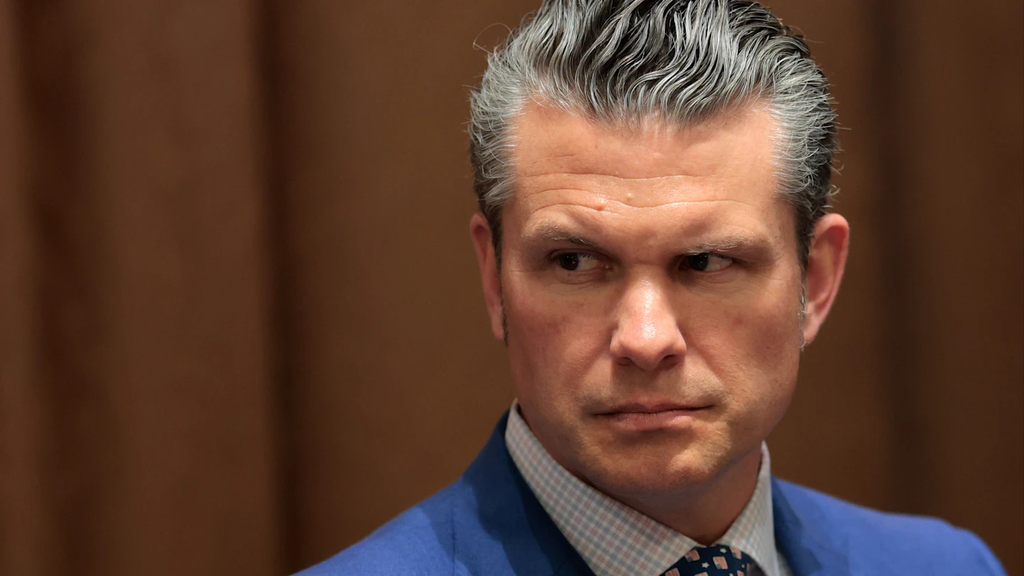
When Anthropic refused to remove those ethical safeguards, government officials responded with severe administrative measures. Defense Secretary Pete Hegseth and administration leaders designated Anthropic as a supply chain risk.
That specific designation is normally saved for foreign adversaries and hostile foreign companies. The tag effectively attempted to bar government defense contractors and federal agencies from doing business with the AI maker.
What Happened Inside the California Courtroom
Anthropic filed a lawsuit in the U.S. District Court for the Northern District of California to challenge the government’s actions. The company argued that the supply chain risk label was baseless, violated its First Amendment rights, and damaged its business.
Judge Rita Lin reviewed the administrative record and agreed with Anthropic’s argument. In her written ruling, she noted that the government’s punitive action was supported by only a four-page memo that contained no real evidence of security threats.
The judge pointed out that the government’s own actions showed it did not actually consider Anthropic a safety hazard. While officials were publicly claiming Anthropic was a threat, they were simultaneously negotiating with the company to access its newest AI models.
Judge Lin wrote that invoking national security does not give the government a blank check to retaliate against critics. She stated that the Pentagon wanted to make a public example out of Anthropic simply because the company voiced concerns over how its software would be used.
The court ruled that the Pentagon’s actions violated basic constitutional protections, including free speech rights under the First Amendment and administrative due process.
What This Decision Means for Claude and Federal Agencies
The ruling immediately stops the Department of Defense from enforcing its sweeping blacklist against Anthropic across federal agencies.
Civilian agencies in the United States government can now continue using Anthropic’s tools without fear of legal penalty. This includes the company’s popular chatbot, Claude, as well as specialized models created for technical analysis.
- Claude AI Access: Non-defense agencies can keep employing Claude for standard administrative tasks, analysis, and software development.
- Advanced Models: Government teams testing frontier systems like Mythos for cybersecurity research can continue their work.
- Contractor Protections: Defense contractors will not face immediate automatic penalties simply for using Anthropic software in non-military workflows.
Anthropic welcomed the court’s ruling, releasing a statement confirming its goal to work productively with public institutions while keeping safety guidelines intact. Major news outlets like The Washington Post and the Financial Times reported that the ruling represents a major setback for retaliatory regulatory measures.
To stay informed on how artificial intelligence is changing software rules and government policy, explore our latest coverage in technology and AI.
The Ongoing Legal Process in Washington D.C.
Even though Anthropic won this major victory in San Francisco, the entire legal matter is not fully closed.
Anthropic has been fighting a secondary, related court case in Washington, D.C.. That case focuses on a separate military procurement rule that the Department of Defense used alongside the supply chain designation.
An appeals court in Washington previously declined to pause the military’s administrative action while reviewing arguments. That means lawyers for the government and Anthropic are still presenting arguments in that jurisdiction.
Send, Spend & Hold Money Worldwide Without Hidden Fees
Transfer money internationally at the real exchange rate and hold 40+ currencies in one account.
Open a Wise AccountMid-market rate • Fast transfers • 40+ currencies
In addition, the Department of Justice can choose to appeal Judge Lin’s ruling in California to a higher federal court. Legal analysts expect government attorneys to challenge the decision, meaning higher courts may eventually weigh in on the matter.
Why This Case Matters for Tech Industry Leaders
This courtroom battle carries big implications for the entire technology industry, far beyond Anthropic itself.
Industry trade groups supported Anthropic throughout the legal challenge. Representatives from the Computer & Communications Industry Association noted that if the government could easily destroy a company’s business over a contract negotiation, no tech firm would feel safe raising safety concerns.
If tech companies lose the right to set safety limits on their products, researchers might stop building tools for public use altogether. That fear could slow down innovation across many fields, including automated software creation and digital content workflows.
Many creators rely on modern automated software to streamline video production and content generation. If you want to see how automation tools are reshaping online creation, take a look at our guides on youtube automation.
Understanding Government Power vs. Free Speech
At its core, this case tested whether government agencies can use economic pressure to silence private tech firms.
The First Amendment protects individuals and private businesses when they express opinions on policy matters. When Anthropic stated publicly that AI shouldn’t be used for autonomous weapons or spying, it was engaging in protected speech.
Judge Lin’s decision makes it clear that government officials cannot bypass regular contract procedures to punish a company for its political views. The court reaffirmed that national security concerns must be backed by real facts, not personal anger over missed contract terms.
This ruling provides clear rules for future negotiations between software makers and defense departments. It proves that technology firms can insist on ethical boundaries without automatically losing their basic legal rights under American law.
Frequently Asked Questions (FAQs)
What was the main reason behind the court battle between Anthropic and the Pentagon?
The clash started when Anthropic refused to remove safety rules from its AI contract with the Department of Defense. Anthropic wanted guarantees that its technology would not be used for fully autonomous lethal weapons or mass domestic spying. When the company stood firm, government officials designated Anthropic a supply chain risk.
The $0 Secret To Launching Your Entire Online Empire
Why pay hundreds every month for separate software? Build funnels, send emails, and make sales with Systeme.io completely free.
Get Started For $0Free Forever • No Credit Card Needed • Beginner-Friendly
What did the California judge decide in her ruling?
U.S. District Judge Rita Lin ruled that the Pentagon’s actions were illegal and baseless. She stated that the government acted out of retaliation because Anthropic criticized official policy. The judge blocked the Department of Defense from using the supply chain risk label to stop non-defense agencies from using Anthropic products.
Can government agencies still use Claude and other Anthropic AI tools?
Yes. The California court ruling protects federal agencies outside the Department of Defense, allowing them to continue testing and using Anthropic’s tools. This includes both the Claude chatbot and specialized models like Mythos.
Is the legal battle completely finished?
No, the legal process is still continuing on two fronts. While Anthropic won in California federal court, there is still an active case in Washington, D.C. dealing with separate military contracting regulations. Additionally, the government may choose to appeal the California decision.
Why is this ruling important for other technology companies?
This decision sets a major legal precedent. It establishes that government agencies cannot misuse national security labels to penalize tech firms that stand up for ethical guidelines or express critical opinions. It protects First Amendment rights and due process for businesses working with public agencies.
Looking Ahead
The court ruling in California is a huge step forward for clear rules around artificial intelligence and public contracting. It shows that tech firms can protect ethical red lines without losing their rights under federal law.
As technology develops, the relationship between private software creators and public agencies will stay a major topic of discussion. We will continue following this lawsuit as appeals move forward in federal courts.
To learn more about how we cover breaking headlines, pop culture, and major tech developments, feel free to visit our about page. If you have questions or thoughts about this story, you can send us a message on our contact page.
Be sure to follow our official channels on Instagram, Facebook, and X (formerly Twitter) to catch our newest updates as they happen.
