
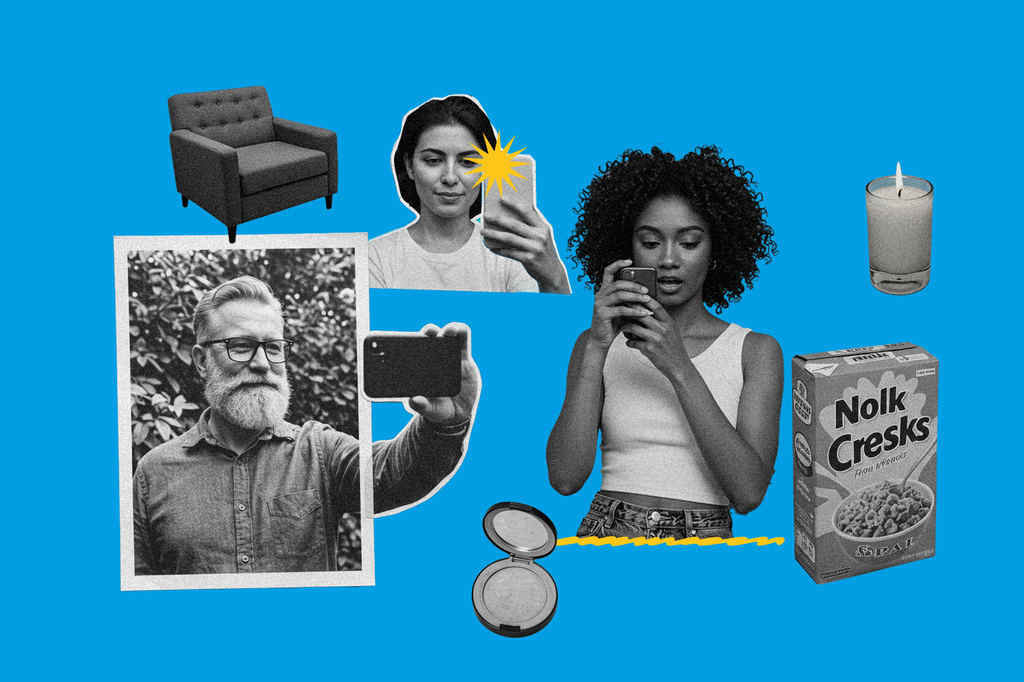
Scroll through TikTok, Instagram, or YouTube for five minutes, and you will see someone showing off a skincare product, reviewing a new smartphone, or drinking a specific brand of energy drink. Sometimes the creator explicitly states that the video is paid for by the brand. Other times, they drop a discount code in the description box and keep talking.
This setup is known as sponsored content. It has completely transformed traditional advertising and opened up full-time career paths for everyday internet users.
Understanding how this business works is valuable if you want to earn money from your own social media channels, or if you simply want to recognize when someone is giving an honest recommendation versus delivering a paid promotion.
What Is Sponsored Content?
Sponsored content is a business deal where a company pays a content creator, publisher, or influencer to create content that features their product or service.
Unlike traditional TV commercials or website banner ads, sponsored content is designed to match the creator’s usual style. It fits seamlessly into their regular feed, so it feels more like a recommendation from a friend than a corporate sales pitch.
Build Funnels, Email Lists & Sell Online With One Free Tool
Create funnels, send emails, and sell online using Systeme.io without paying for multiple tools.
Create Free AccountFree forever • No credit card • Beginner-friendly
Brands pay for this access because creators have already spent months or years building trust with their specific audience. When a creator recommends a product, their followers are much more likely to listen than if they saw a regular popup advertisement.
Common Formats You See Online
Sponsored content comes in many different shapes and sizes depending on the platform and the agreement between the brand and the creator:
- Dedicated Posts or Videos: The entire post, article, or video is built around the sponsored product. For example, a tech creator doing a full review of a new laptop sent to them by the manufacturer.
- Integrated Shoutouts: A short segment inside a longer piece of content. On YouTube, this often looks like a creator pausing a video for 60 seconds to talk about a sponsor before returning to the main topic.
- Social Media Stories and Reels: Quick, casual posts on platforms like Instagram or TikTok where a creator demonstrates how they use a product in their daily life.
- Sponsored Articles and Blog Posts: Written guides, reviews, or roundups that highlight a specific software tool, service, or destination.
Why Companies Spend Billions on Influencers
Traditional advertising does not work as well as it used to. Many people skip TV commercials, pay for ad-free streaming services, or use ad-blockers on their web browsers. Companies needed a new way to reach potential customers without being ignored.
Influencer marketing solves this problem for brands in a few key ways:
Target Audiences
If a company sells specialized camera equipment, buying a TV commercial reaches millions of people who have no interest in photography. But if that same company pays a photography YouTuber, almost 100% of the viewers are potential customers.
Social Proof and Trust
People buy from people they like. When a creator you watch every day shares how a specific tool solved a problem for them, that recommendation carries weight. It acts as instant social proof.
Clear Performance Tracking
Online sponsorship allows brands to track every click and sale. By using custom links and promo codes, companies know down to the exact dollar how much money a creator brought in compared to what they paid them.
The 5 Main Ways Influencers Make Money
Many people think creators only get paid by posting a picture holding a product. In reality, the creator economy relies on several different revenue models.
1. Flat-Fee Sponsored Posts
This is the most common form of sponsored content. A brand pays the creator a set amount of money upfront to produce a post, video, or story.
Whether the video gets 10,000 views or 1,000,000 views, the creator receives the exact fee agreed upon in the contract. High-profile creators usually prefer flat fees because it guarantees income regardless of how the social media algorithm behaves on a given day.
2. Affiliate Marketing and Custom Discount Codes
In this model, the creator gets paid based on results rather than a flat upfront fee. The brand provides the influencer with a unique link or a promo code (like “SAVE20”).
Whenever a viewer buys something using that link or code, the creator earns a percentage of the sale. This commission can range anywhere from 5% to 50% depending on whether the product is physical or digital.
3. Long-Term Brand Ambassadorships
Once a creator proves they can drive sales or awareness, a brand might sign them to a long-term contract lasting six months, a year, or longer.
Instead of doing one-off posts, the ambassador posts about the brand regularly. These contracts provide consistent, predictable income for creators and give brands a long-term presence on the creator’s channel.
4. Product Seeding and Free Gifts
When creators first start out, brands often offer free products instead of cash. This is called “product seeding” or gifting.
While free clothes or gadgets are nice, free products do not pay the bills. Experienced creators quickly transition from accepting gifts to demanding cash payment for dedicated coverage. However, gifting remains a common entry point for beginners looking to build a portfolio.
5. Multi-Channel Business Models
Smart creators do not rely on a single social media platform or a single sponsor. They diversify their revenue streams.
Many creators scale their efforts by using modern tools, such as automated channels or content engines. You can read more about how creators automate content creation in our breakdown of YouTube Automation. Others use productivity and generation software to produce higher quality content faster, which you can explore in our section on Technology & AI.
How Much Money Do Influencers Pay and Earn?
There is no single rate card for the internet. What an influencer charges depends on their follower count, their engagement rate, their niche, and the platform they use.
Industry standards usually categorize creators into four main tiers:
- Nano-Influencers (1,000 to 10,000 followers): Typically earn between $10 and $100 per post, or work primarily for free products and affiliate commissions.
- Micro-Influencers (10,000 to 50,000 followers): Earn roughly $100 to $500 per post. Micro-influencers often have tight-knit communities, making them very attractive to smaller brands.
- Mid-Tier Influencers (50,000 to 500,000 followers): Earn between $500 and $5,000 per post depending on how active their audience is.
- Macro and Mega-Influencers (500,000+ followers): Can charge anywhere from $5,000 to $50,000+ for a single post or video integration.
What Factors Drive Up the Price?
Two creators with the exact same number of followers can charge wildly different prices. Here is why:
- The Niche: Finance, business, and software creators charge much higher rates than general entertainment or meme pages. Financial audiences are considered more valuable to advertisers.
- Engagement Rate: A creator with 20,000 followers who gets 2,000 likes per post is often worth more to a brand than a creator with 100,000 followers who only gets 500 likes.
- Usage Rights: If a brand wants to use the creator’s video as a paid ad on their own Facebook or Instagram account, the creator charges extra for those commercial usage rights.
- Exclusivity: If a shoe brand asks a creator not to mention any other shoe brand for six months, the creator raises their price to cover the lost opportunities.
Step-by-Step: How a Brand Deal Actually Happens
A sponsored deal is a formal business transaction. Here is the standard process from start to finish:
Step 1: The Outreach
Either the brand reaches out to the creator via email, or the creator sends a pitch directly to the brand’s marketing team. Many established creators hire talent agencies to handle these inquiries for them.
Step 2: Negotiating Terms and Pricing
The two parties agree on what will be produced (e.g., one YouTube integration and two Instagram stories), the price, the deadline, and who owns the rights to the content.
Step 3: Reviewing the Creative Brief
The brand sends a document called a “creative brief.” This outlines key talking points, mandatory product shots, do’s and don’ts, and specific calls to action that must be included.
Step 4: Content Creation and Draft Approval
The creator produces the video or post and sends a private draft to the brand before publishing. The brand checks to make sure key points were mentioned and asks for edits if necessary.
Step 5: Publishing with Legal Disclosures
Once approved, the creator posts the content publicly. They must clearly disclose that the post is paid for to follow advertising laws.
Build Funnels, Email Lists & Sell Online With One Free Tool
Create funnels, send emails, and sell online using Systeme.io without paying for multiple tools.
Create Free AccountFree forever • No credit card • Beginner-friendly
Step 6: Analytics and Invoicing
A week or month after posting, the creator sends a report showing impressions, clicks, and engagement numbers, along with an invoice to get paid.
Rules and Disclosures You Have to Follow
You cannot secretly take money from a company to promote a product without telling your audience. Consumer protection laws require transparency.
In the United States, the Federal Trade Commission sets strict guidelines on how creators must disclose paid partnerships. Similar regulatory bodies enforce these rules worldwide, such as the Advertising Standards Authority in the UK.
According to official consumer guidance from the FTC Endorsement Guidelines, creators must follow these basic disclosure rules:
- Clear Placement: Disclosures must be easy to spot. They cannot be hidden at the end of a long caption or buried under a mountain of hashtags.
- Unambiguous Language: Simple tags like
#ad,#sponsored, or built-in platform tags (like Instagram’s “Paid Partnership” label) must be used. Ambiguous terms like#spor#collabare often not enough. - Audio and Visual Cues: In video content, creators must state the sponsorship verbally or overlay clear text on screen during the promotional segment.
Failing to declare sponsored posts can result in hefty fines for both the brand and the influencer, along with a total loss of trust from the creator’s audience.
Common Mistakes Influencers Make with Sponsored Content
Making money online sounds simple, but many creators hurt their channels by making predictable mistakes when handling brand deals.
Promoting Products They Do Not Believe In
Taking money to promote a low-quality or scam product is the fastest way to lose an audience. Once followers figure out a creator will say anything for a paycheck, views drop, engagement plummets, and future brand deals dry up.
Over-Saturating Their Feed
If every single video on a creator’s channel contains a sales pitch, viewers get exhausted and unsubscribe. Successful creators maintain a healthy balance, keeping the majority of their content purely educational or entertaining without any sales pitches.
Ignoring the Fine Print in Contracts
Some brands insert clauses into contracts that grant them perpetual rights to use a creator’s face and voice in AI ads forever. Creators who sign contracts without reading the terms closely can accidentally give away control over their personal brand.
How to Get Started with Sponsored Deals
If you want to build a career in content creation, you do not need to wait until you have a million subscribers to start working with brands.
Focus on these key steps:
- Pick a Specific Topic: Define your niche clearly. Brands want to target specific groups, whether that is home cooking, budget travel, software reviews, or mobile gaming.
- Build Authentic Engagement: Respond to comments, ask your audience questions, and foster an active community. A small, loyal audience is far more valuable than a large, passive one.
- Create a Simple Media Kit: Assemble a one-page document or PDF that lists your social channels, follower counts, audience demographics, and average view counts.
- Reach Out Directly: Email small or medium-sized brands whose products you already use and love. Explain clearly how showcasing their product to your audience will help them solve a business problem.
To learn more about our mission and how we cover growing trends across industries, feel free to visit our About Page. If you have questions or want to collaborate with our team, drop us a message through our Contact Page.
Frequently Asked Questions
Do you need millions of followers to get sponsored?
No. Many brands prefer working with nano and micro-influencers (those with 1,000 to 50,000 followers) because their audiences are often more dedicated and responsive. Smaller creators also charge lower rates, making them cost-effective for small business budgets.
What is the difference between an affiliate link and a sponsored post?
A sponsored post pays a set fee regardless of how many sales occur. An affiliate link pays a commission only when a viewer clicks the link and purchases something. Many creators combine both strategies in a single deal.
Can brands tell influencers what to say?
Brands provide a creative brief with guidelines, key features, and mandatory statements. However, experienced creators insist on using their own voice and delivery. If the sponsor’s script sounds too robotic or fake, the creator’s audience will notice immediately.
Do creators pay taxes on free products they receive?
Yes, in many jurisdictions, physical items received in exchange for promotion or reviews are considered taxable income based on the fair market value of the product. Creators must report gifted items on their tax filings alongside their cash income.
The creator economy is growing rapidly, transforming how businesses talk to customers and how creators earn a living. Sponsored content is no longer a fringe marketing experiment—it is a core foundation of modern digital business. Staying informed about how these deals operate helps you navigate the internet with a clearer eye, whether you are building your own brand or simply enjoying your daily social media feed.
Stay connected with our community and get updates on the latest trends by following us on Instagram, liking our page on Facebook, or joining the discussion on X (Twitter).
